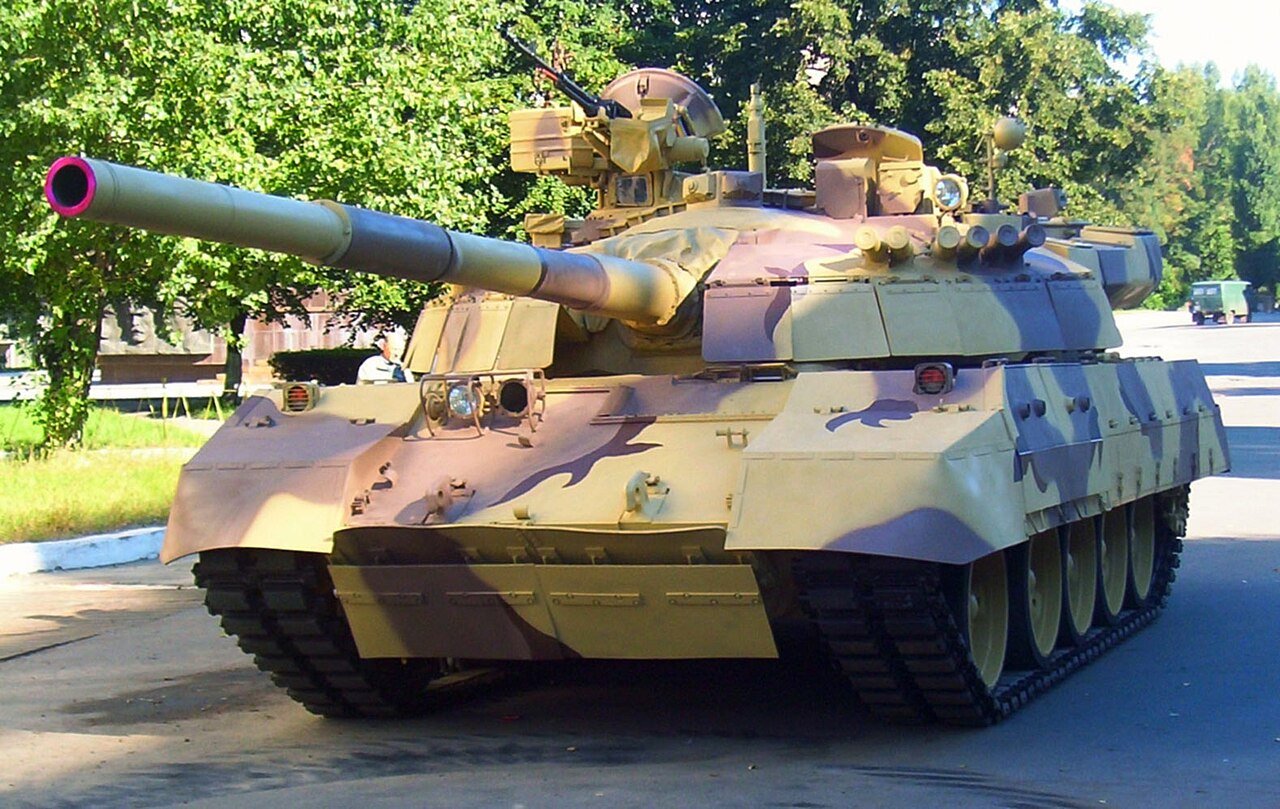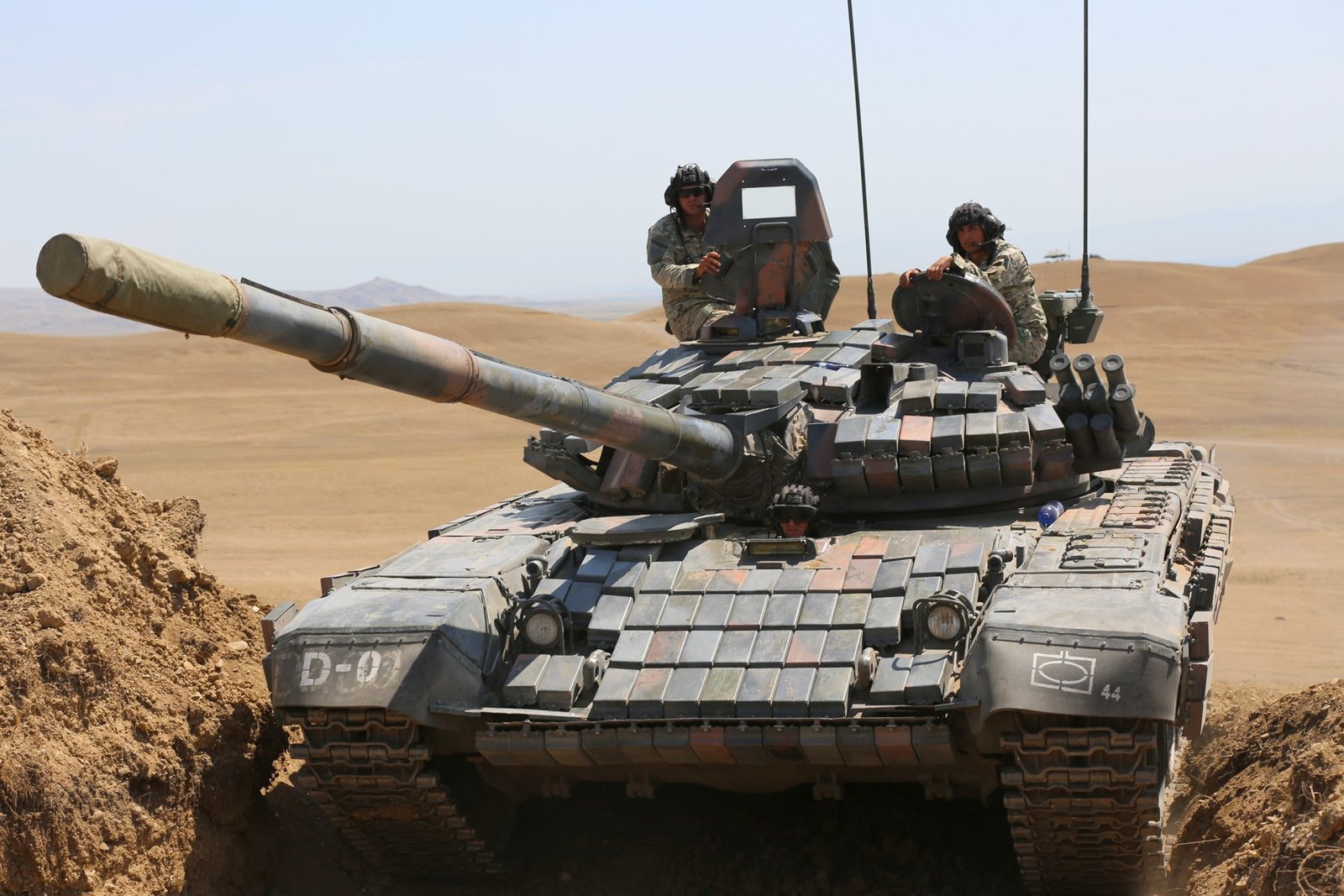
Austria-Hungary / Early concepts
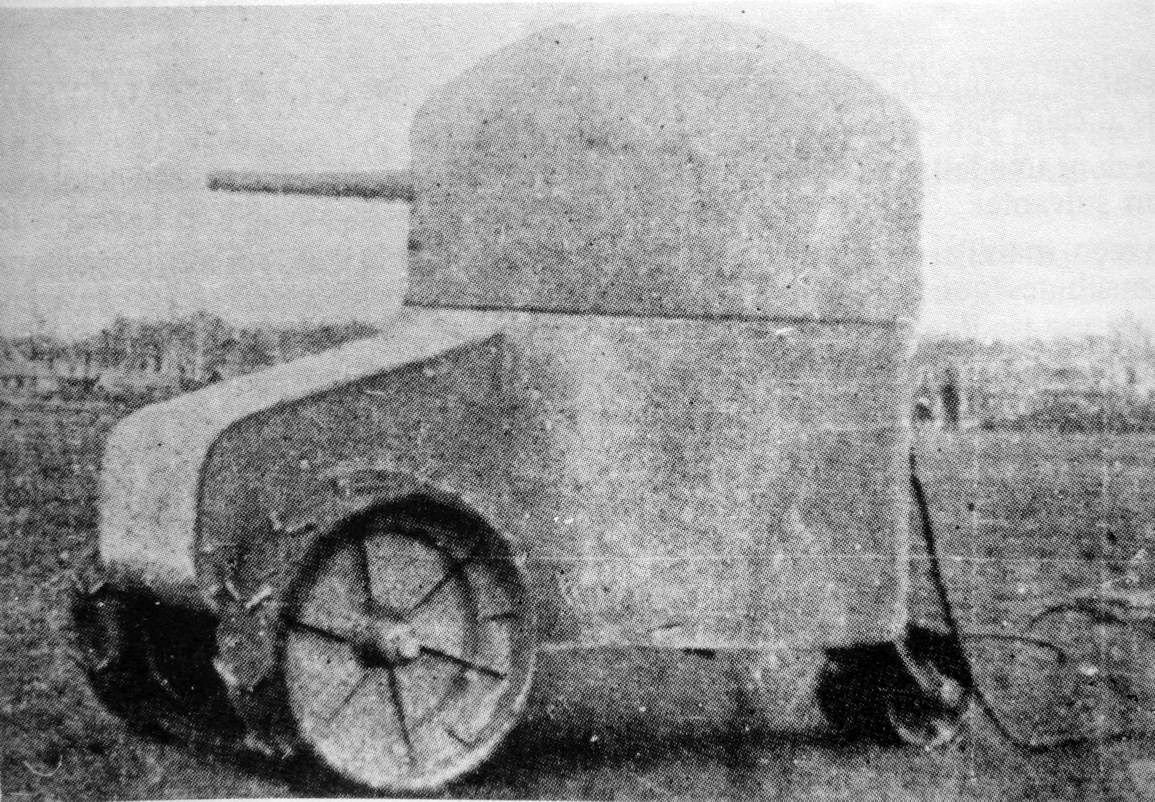
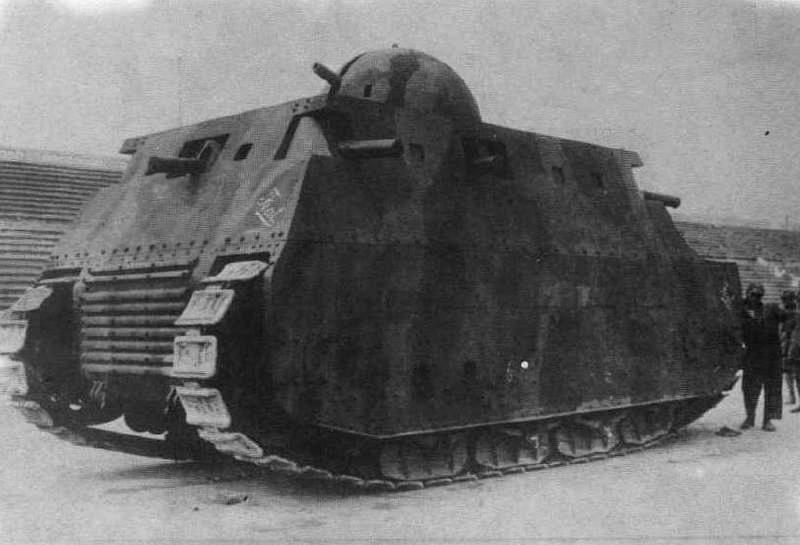
Burstyn Motorgeschütz
Tank · Tank precursor / concept
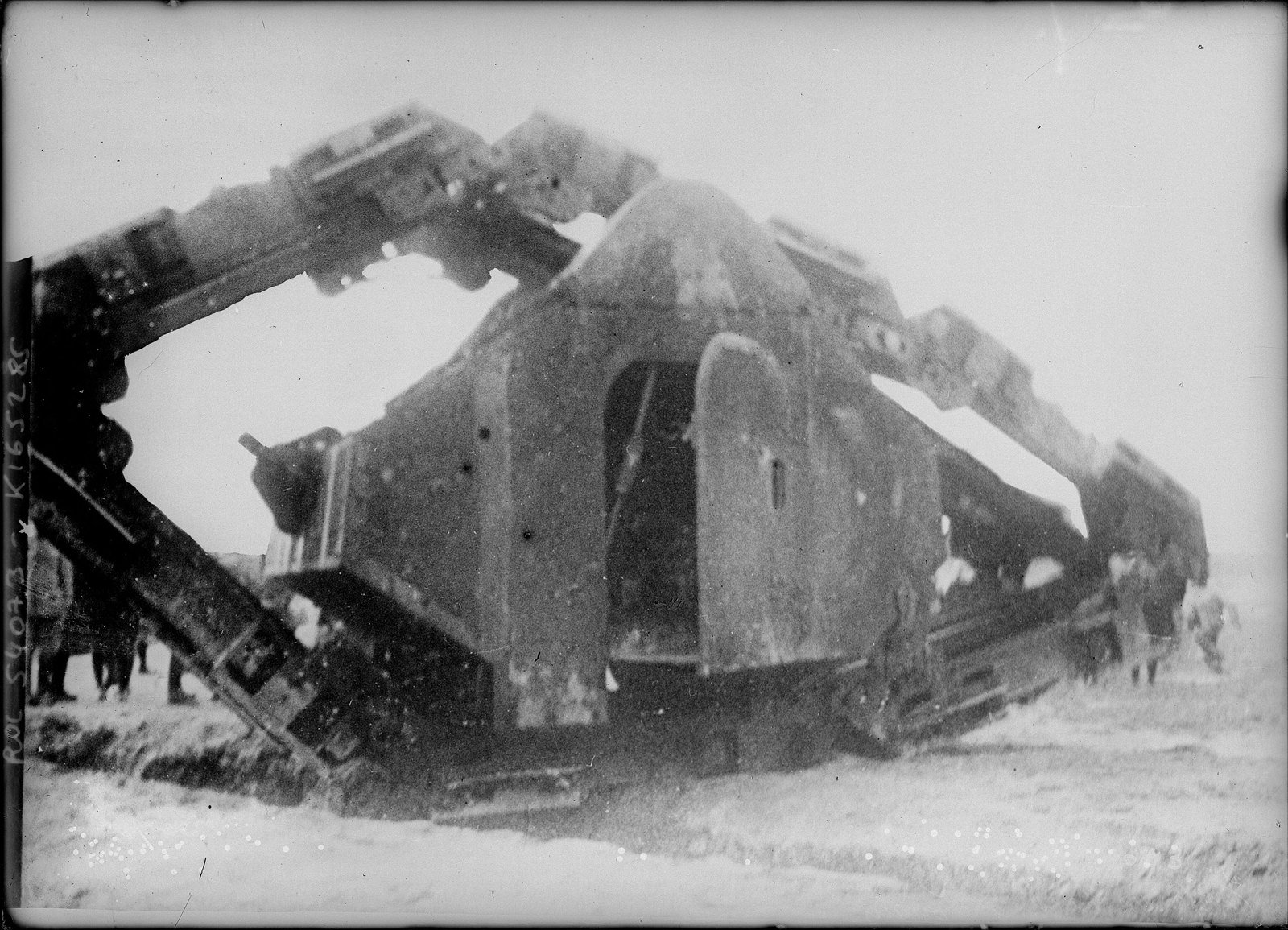
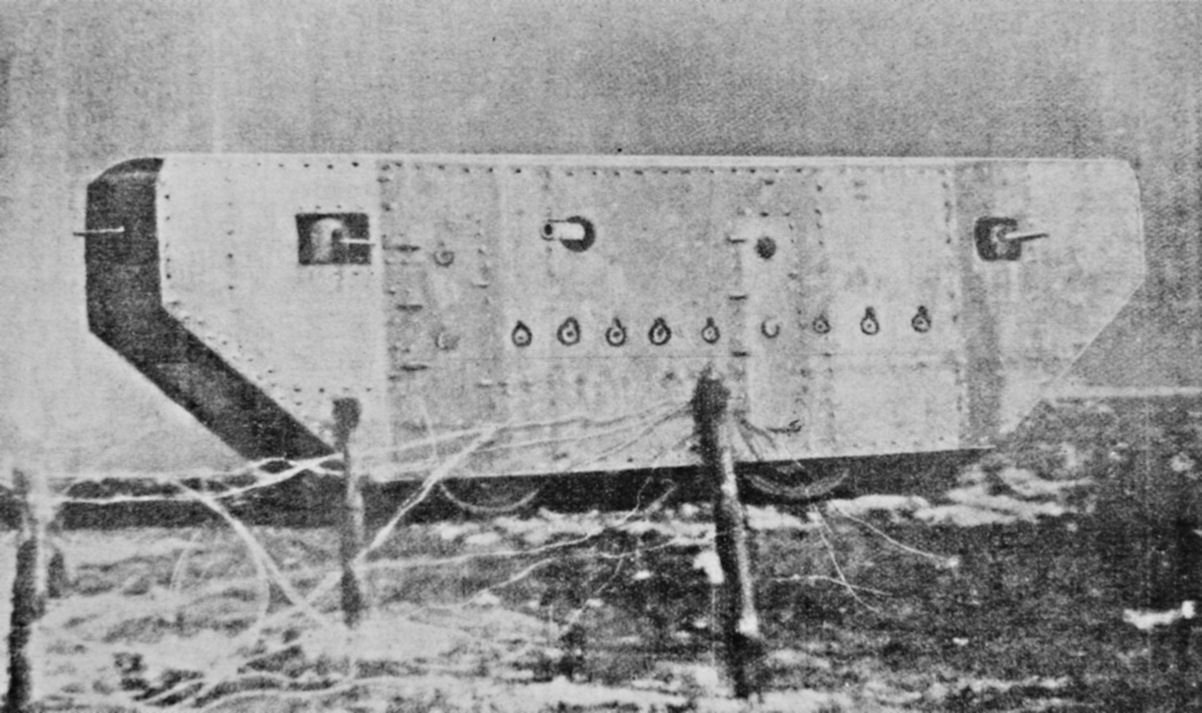
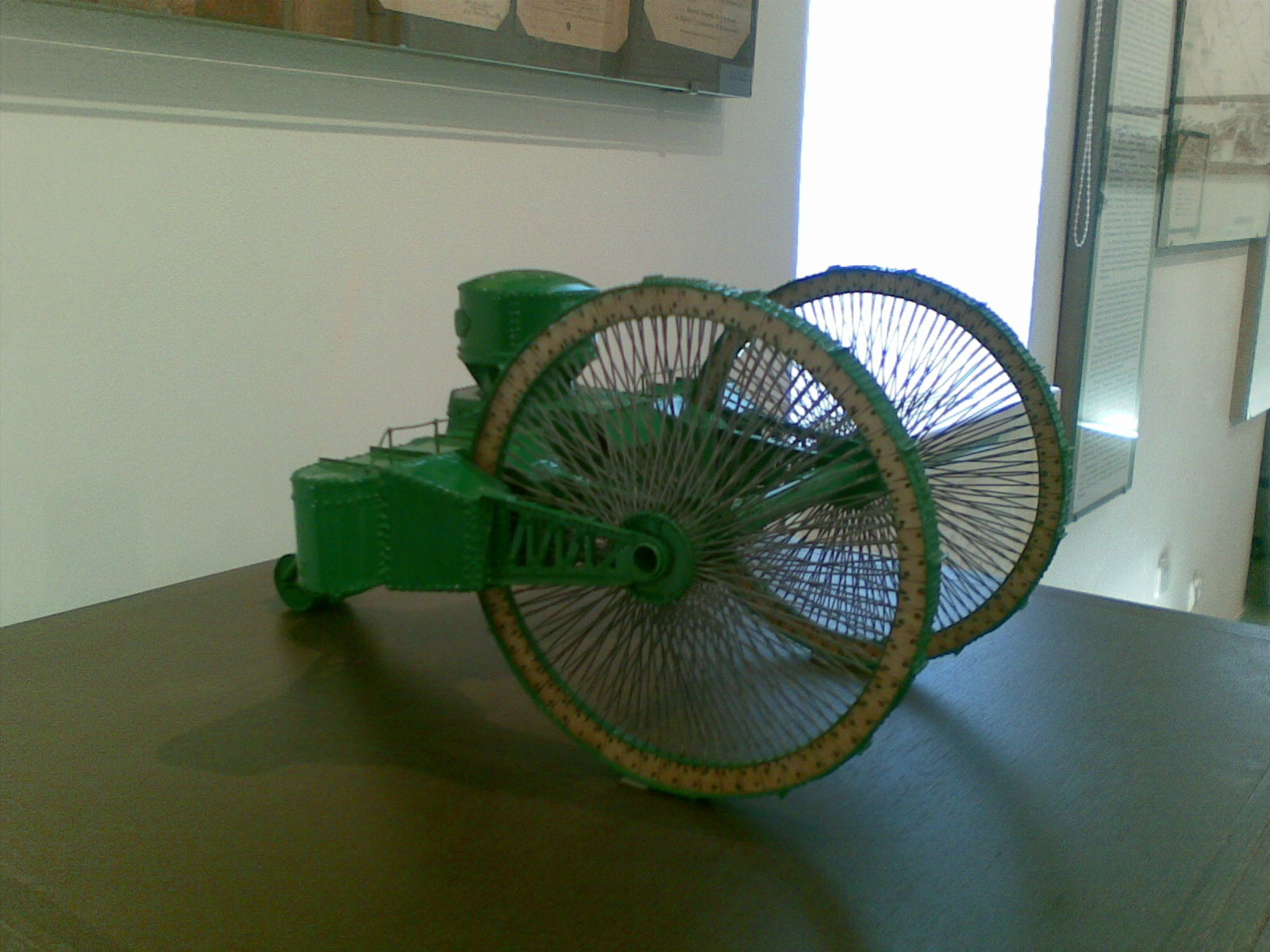
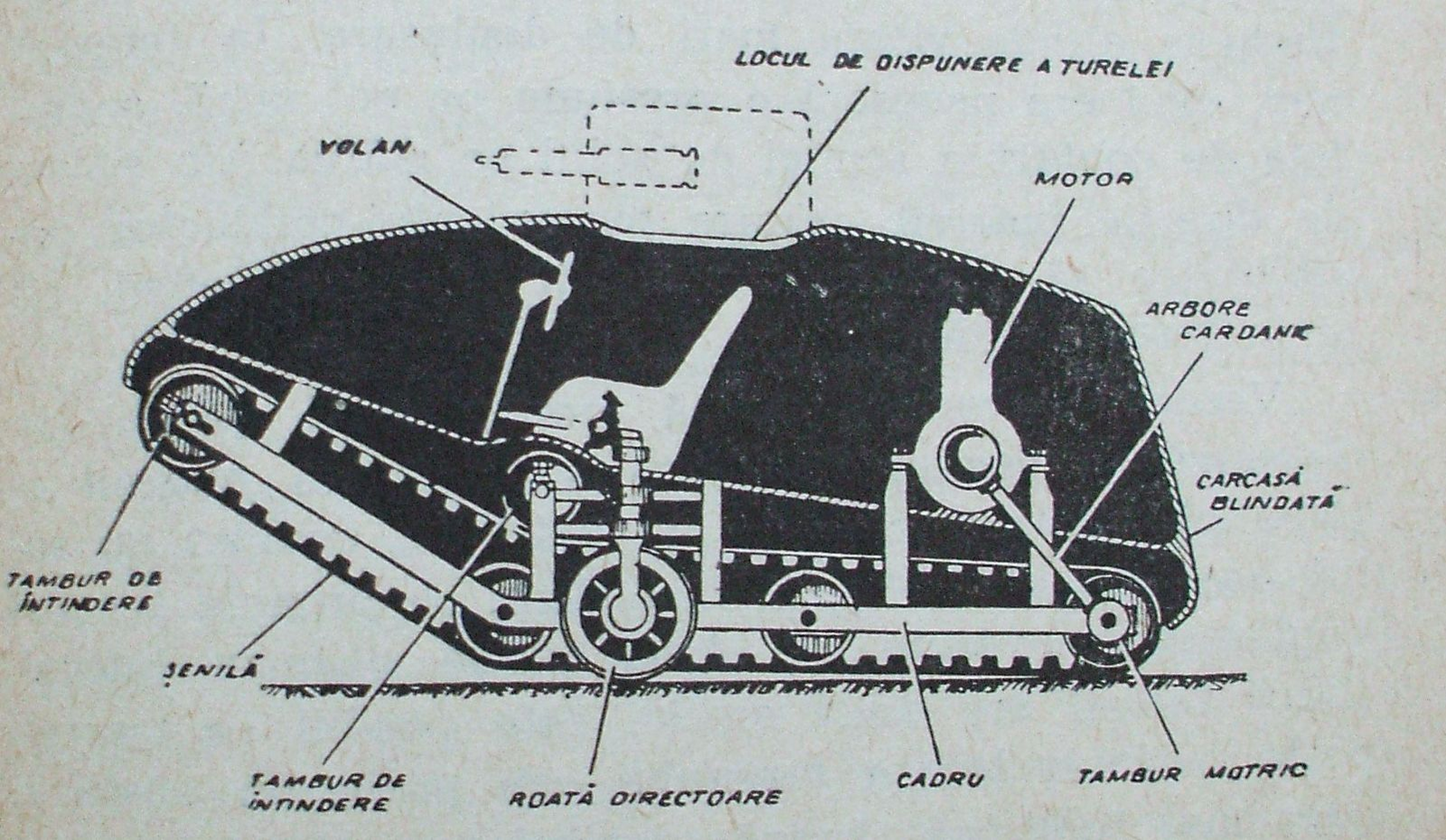
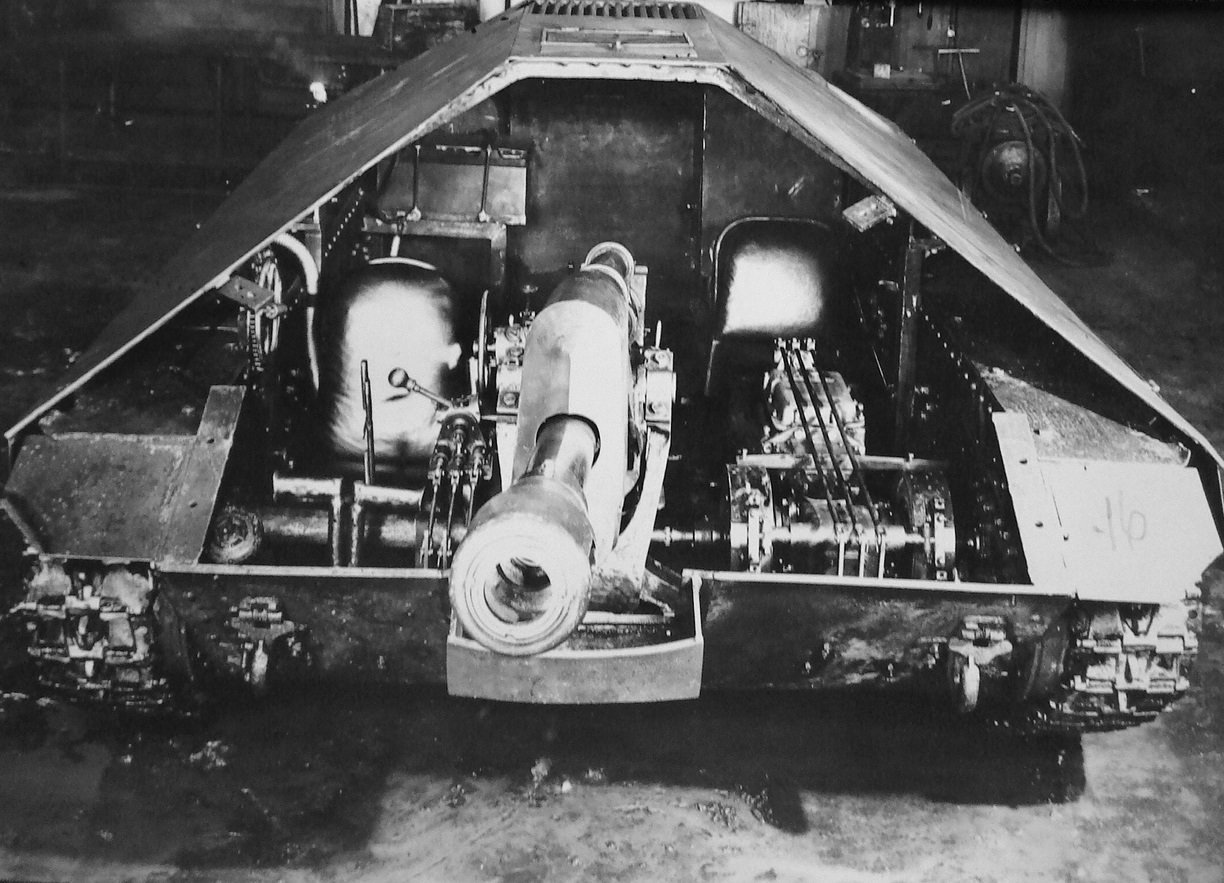
The Burstyn Motorgeschütz was an Austro-Hungarian proposal for an armored, tracked, gun-armed cross-country vehicle.
Read the profileSearch every existing profile across all vehicle classifications. The P03 index preserves the existing article-body search text while adding type and subtype metadata.
Try a shorter designation or clear a filter.
The Burstyn Motorgeschütz was an Austro-Hungarian proposal for an armored, tracked, gun-armed cross-country vehicle.
Read the profileLancelot de Mole's armoured-vehicle proposal was an Australian contribution to the early search for cross-country tracked transport.
Read the profileThe Boirault machines were French experiments in crossing the obstacles of the First World War battlefield.
Read the profileThe Frot-Laffly armoured roller was a French attempt to adapt a civilian rolling machine for the battlefield. Accounts describe a single armored prototype intended to pass through obstacles and support infantry, rather than a tracked tank that entered production.
Read the profileThe Tsar Tank, also known as the Lebedenko or Netopyr project, was a Russian Empire experiment in crossing battlefield obstacles with very large wheels. Its familiar outline combines two huge forward wheels with a much smaller rear support. It was not a tracked vehicle.
Read the profileVezdekhod was Alexander A. Porokhovshchikov’s attempt to develop a motor vehicle capable of moving beyond the roads available to ordinary wheeled transport.
Read the profileThe Aubriot-Gabet Cuirassé was an experimental French effort to move protected firepower using electrical power supplied from outside the vehicle.
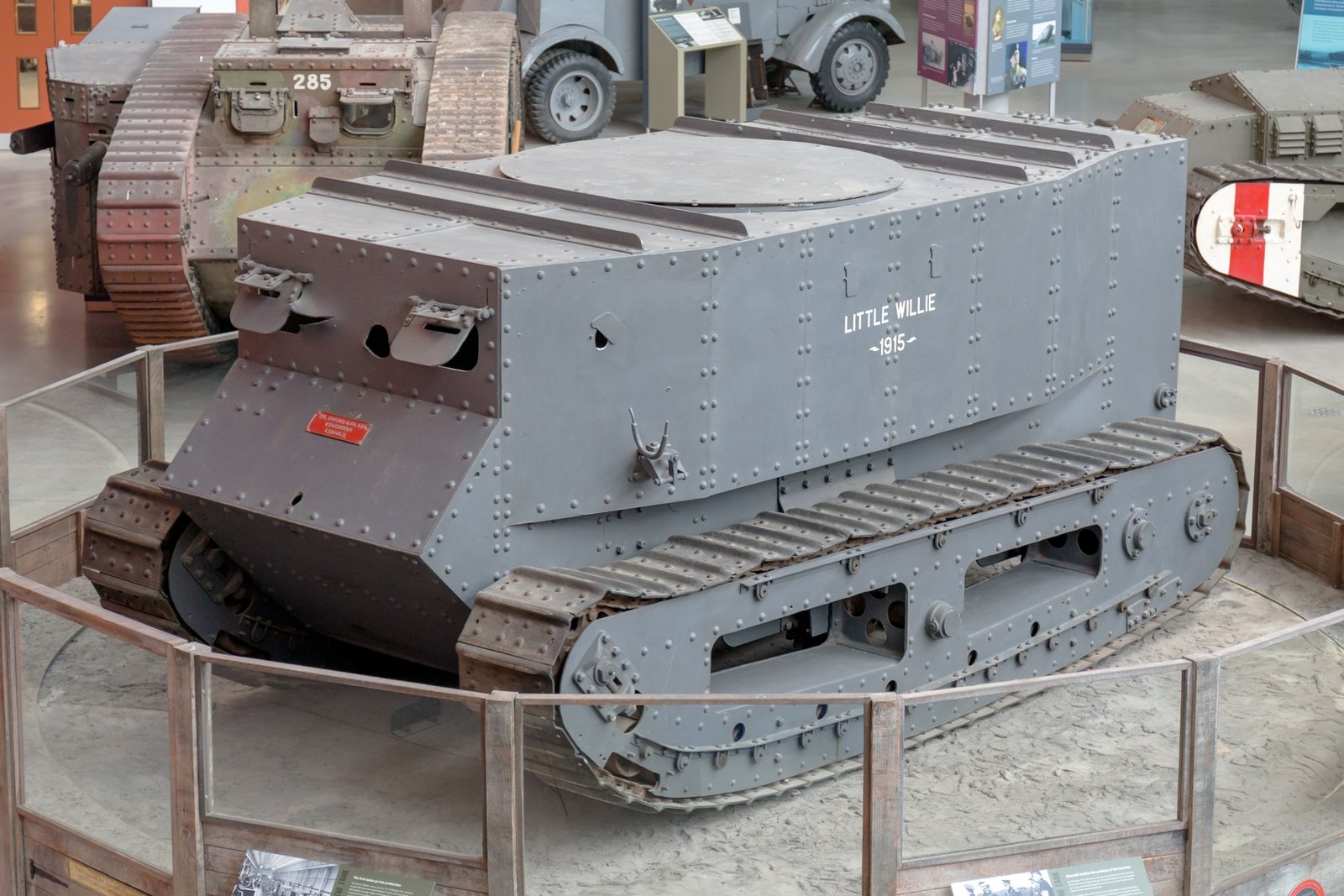
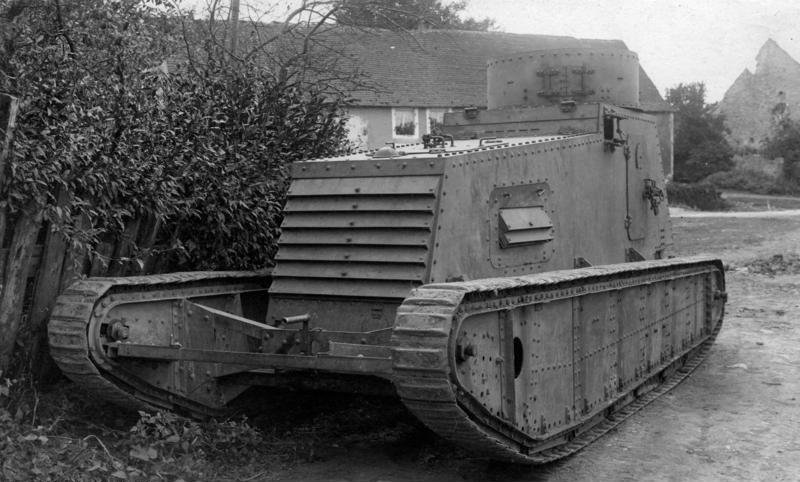
Read the profileLittle Willie was a completed British experimental tracked vehicle built during the 1915 effort to turn the landship idea into a workable machine.
Read the profileMother was the British rhomboid prototype that connected the early Lincoln experiments with the production Mark I. The names Big Willie and HMLS Centipede also occur in the available evidence. The names are aliases of the same prototype rather than separate vehicles.
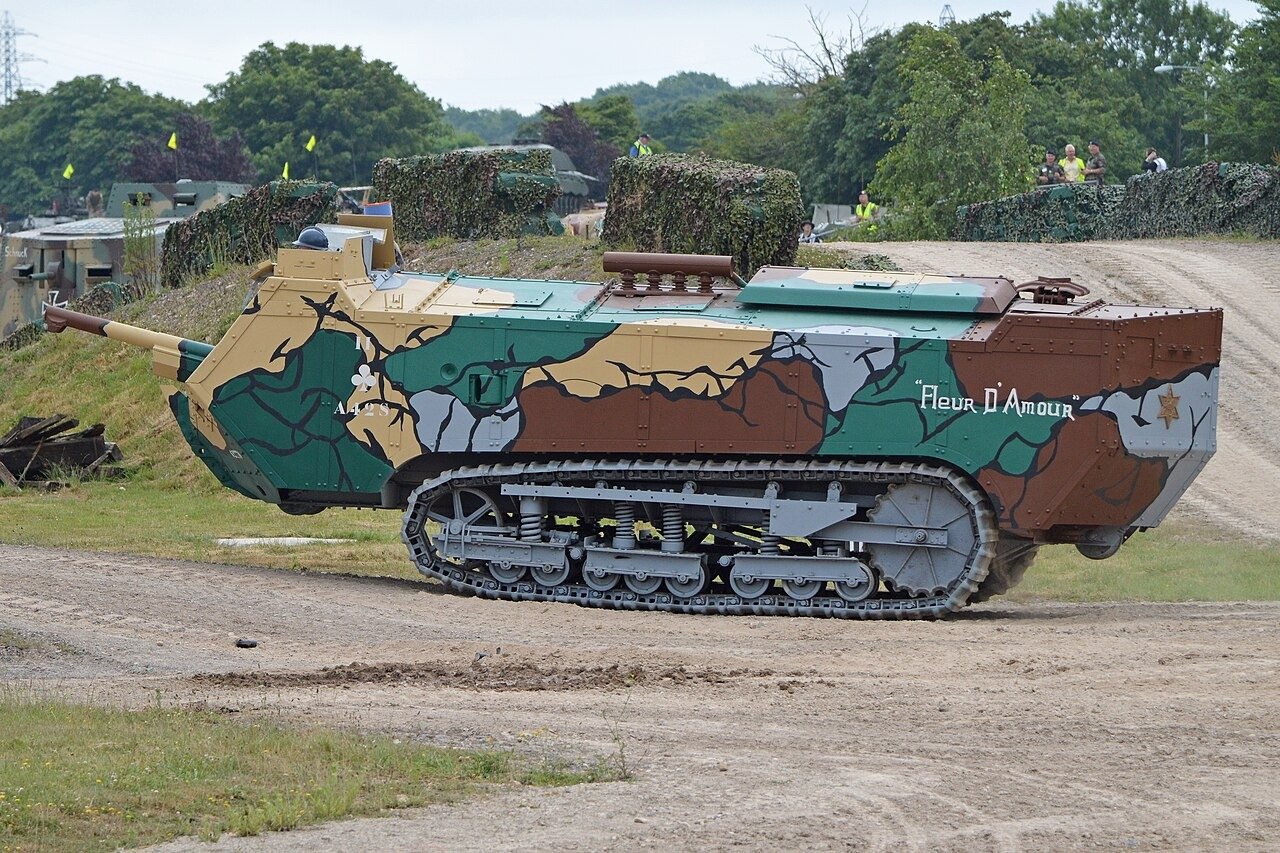
Read the profileThe Saint-Chamond was a French production tank built around a long hull, a forward-firing 75 mm gun, machine guns, and petrol-electric transmission.
Read the profileThe Schneider CA1 was an early French assault tank intended to carry protected firepower through wire and across defended ground in support of infantry.
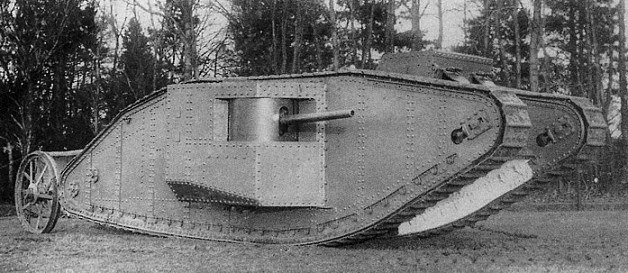
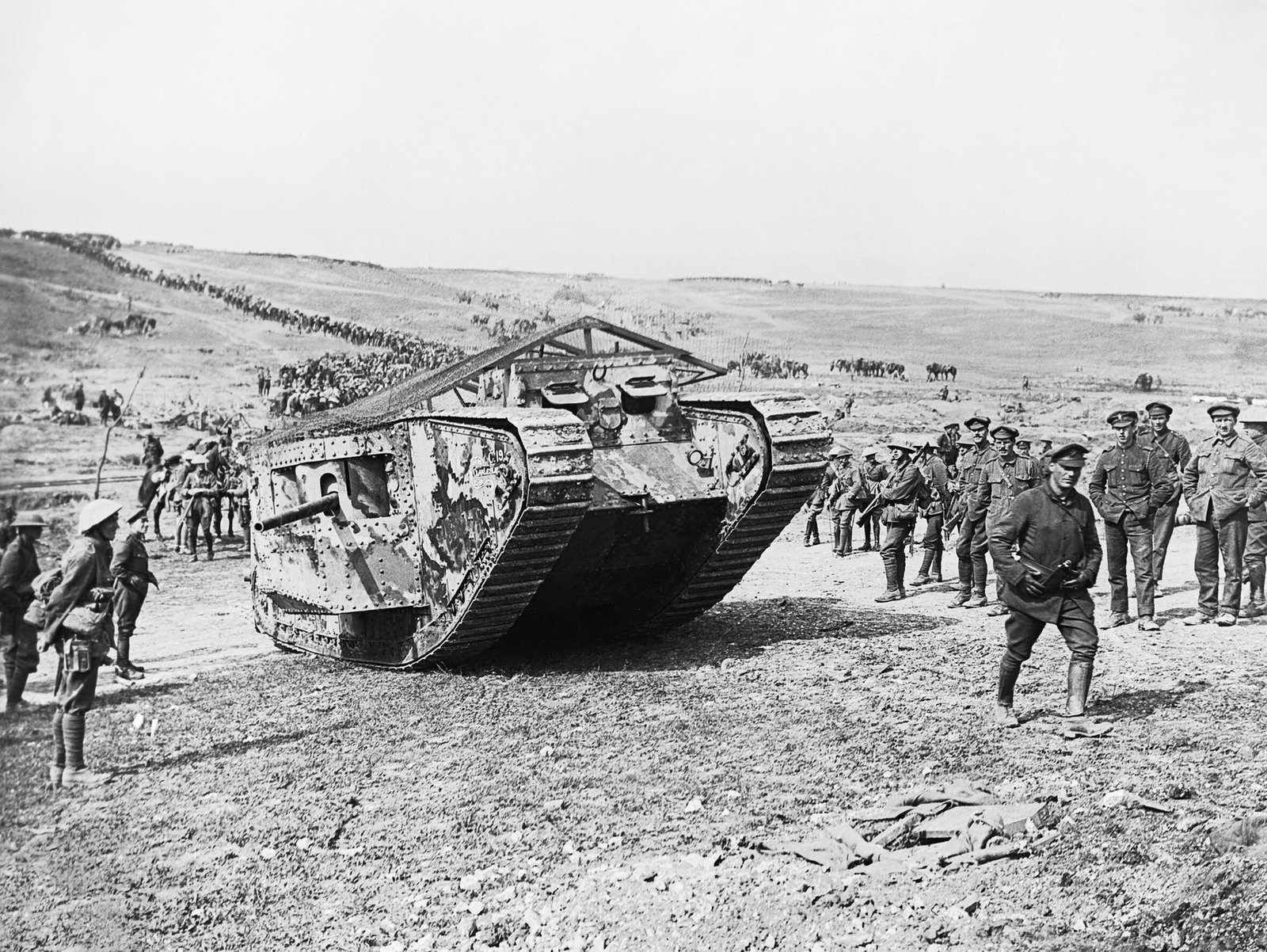
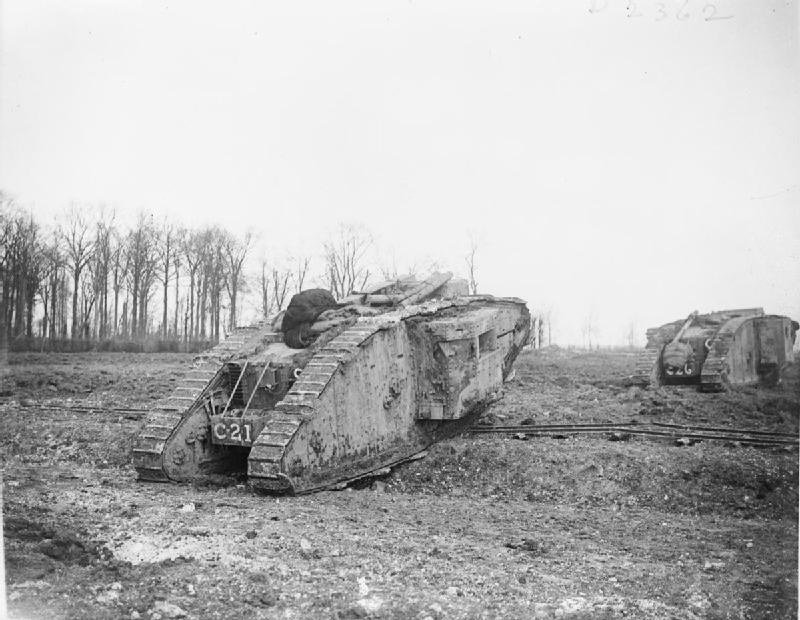
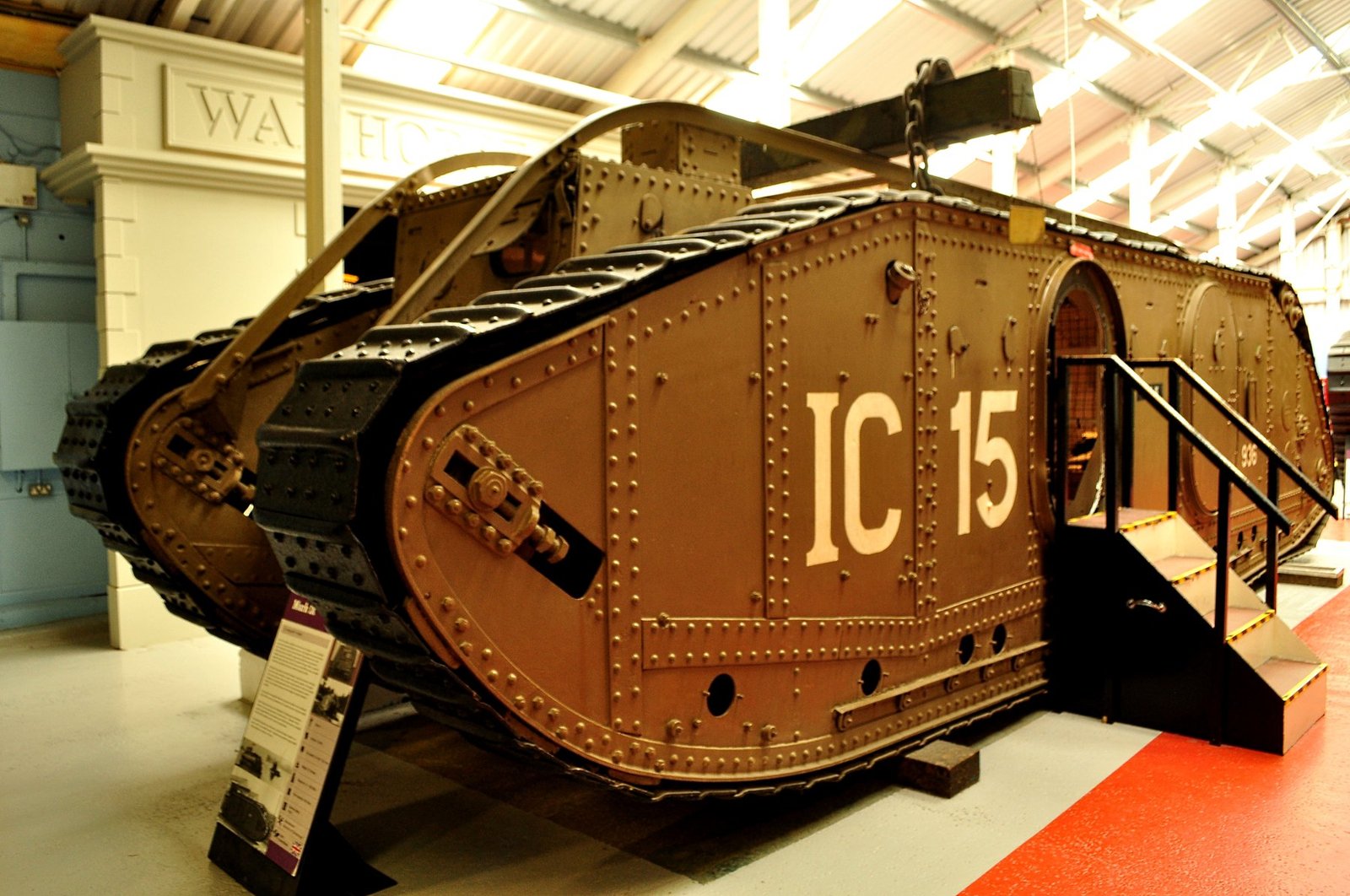
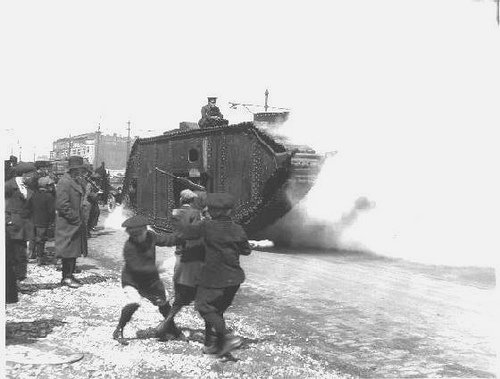
Read the profileThe Mark I followed the experimental work associated with Little Willie and Mother.
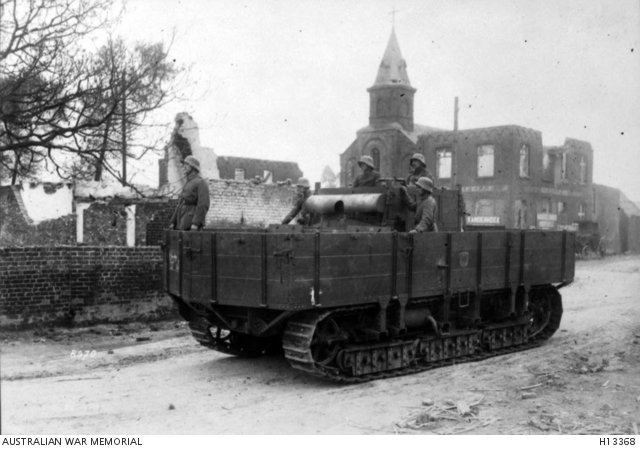
Read the profileThe Gun Carrier Mark I was designed to transport heavy field artillery on a tracked vehicle, extending mechanization beyond the gun-armed fighting tank.
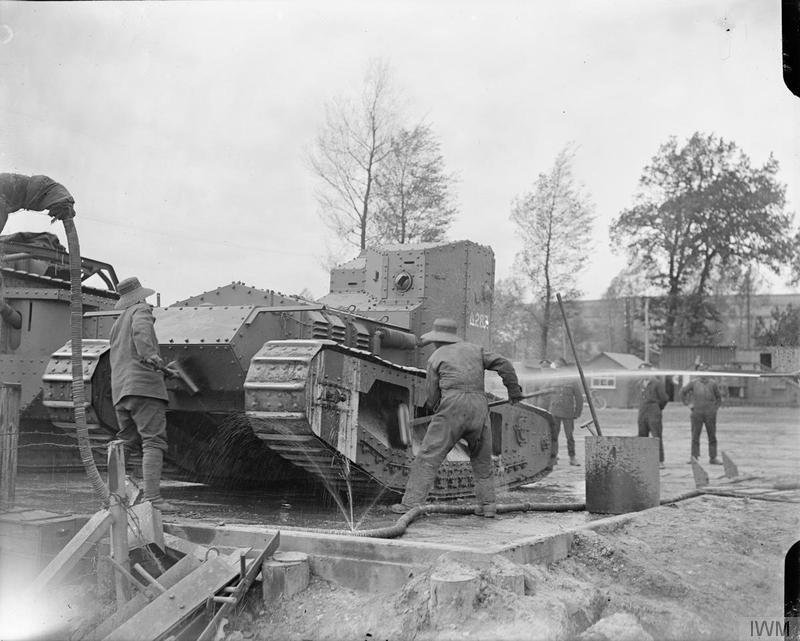
Read the profileThe Medium Mark A Whippet was a British machine-gun-armed tank developed to complement the slower heavy tanks.
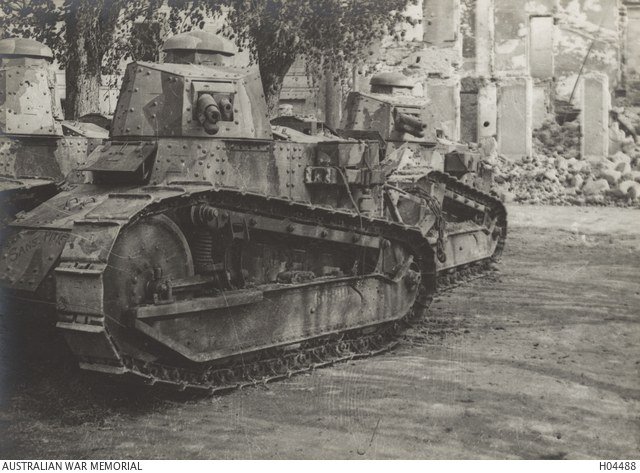
Read the profileThe Renault FT was a French light tank with a two-man crew, an engine compartment at the rear, and a fully rotating one-man turret.
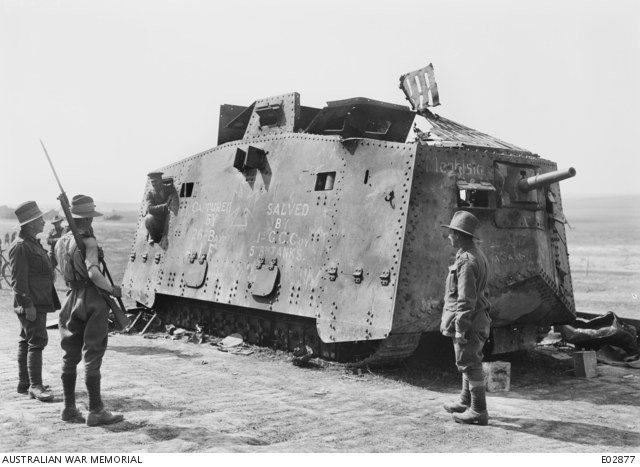
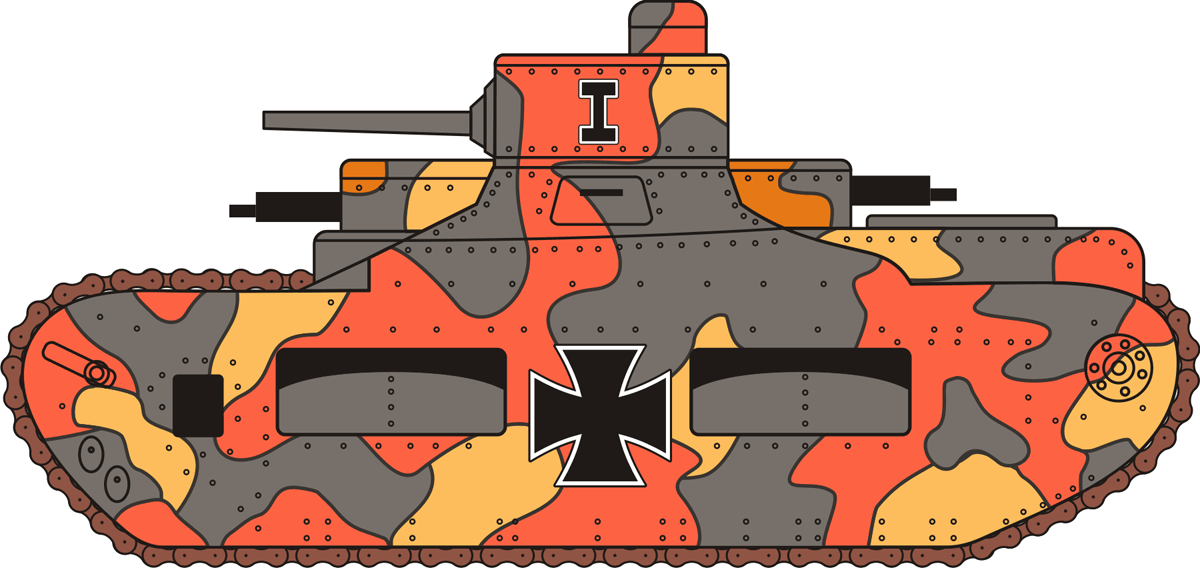
Read the profileThe Sturmpanzerwagen A7V was Germany’s domestically developed tank to enter combat during the First World War.
Read the profileThe Tank, Mark II was a British heavy rhomboid vehicle derived from the Mark I and built primarily for training.
Read the profileThe Tank, Mark III was a small British heavy-tank training family associated with the transition to the Mark IV.
Read the profileThe Tank, Mark IV was the principal British heavy-tank production development of 1917.
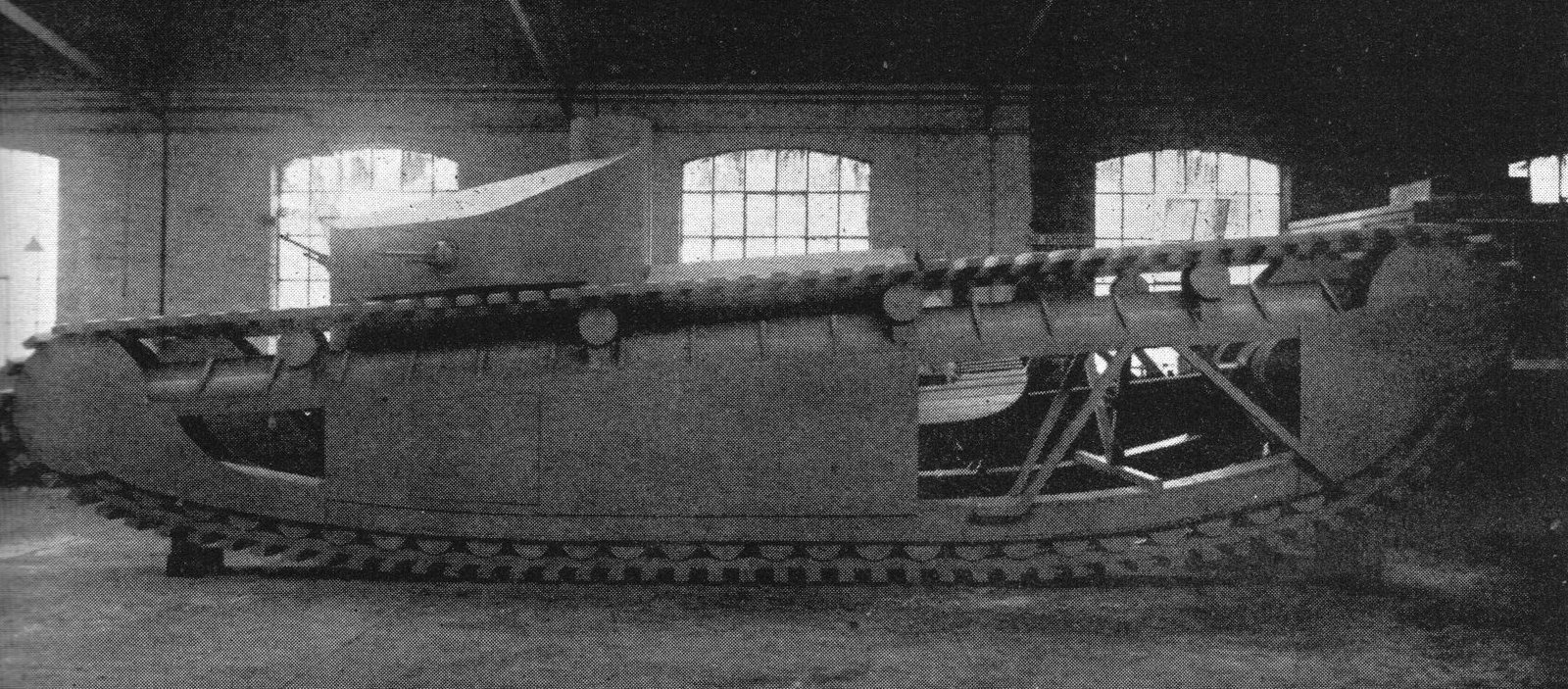
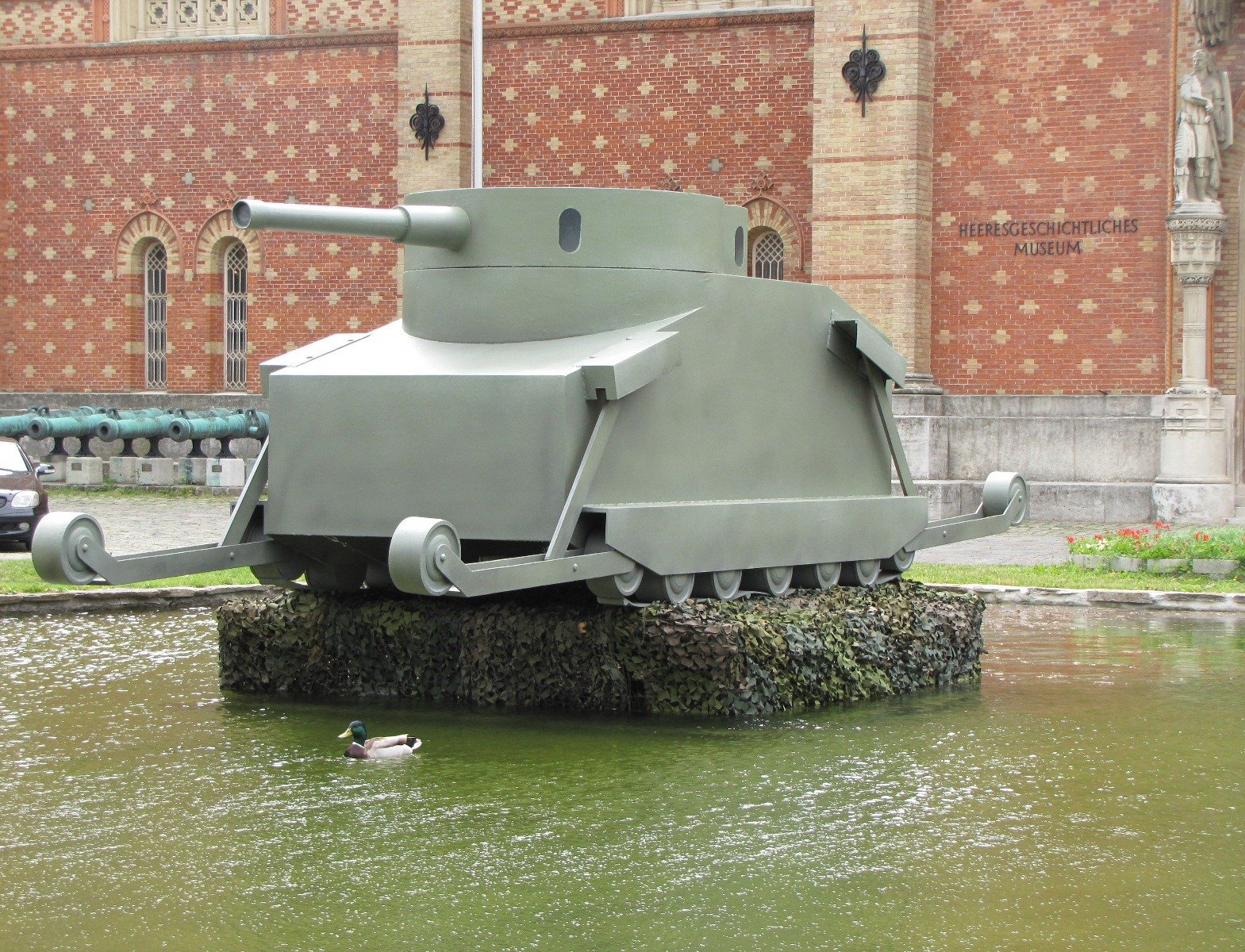
Read the profileThe Tank, Mark VI was a proposed British heavy tank represented by a wooden mock-up. It did not enter production or operational service. The full-size model illustrates a proposed layout, not a completed armored vehicle that underwent powered trials.
Read the profileThe A7V Überlandwagen was an unarmored tracked carrier developed within Germany’s A7V program.
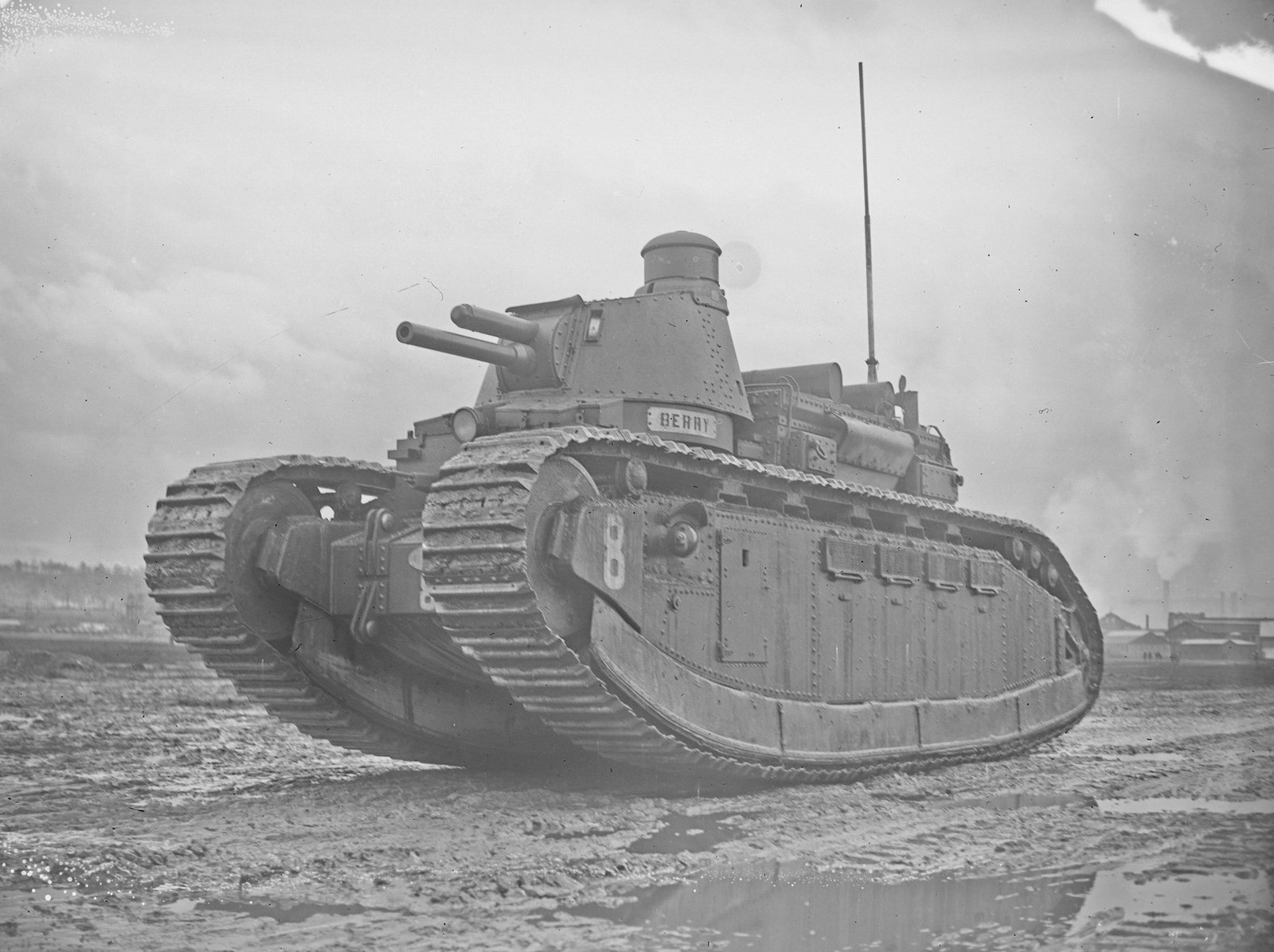
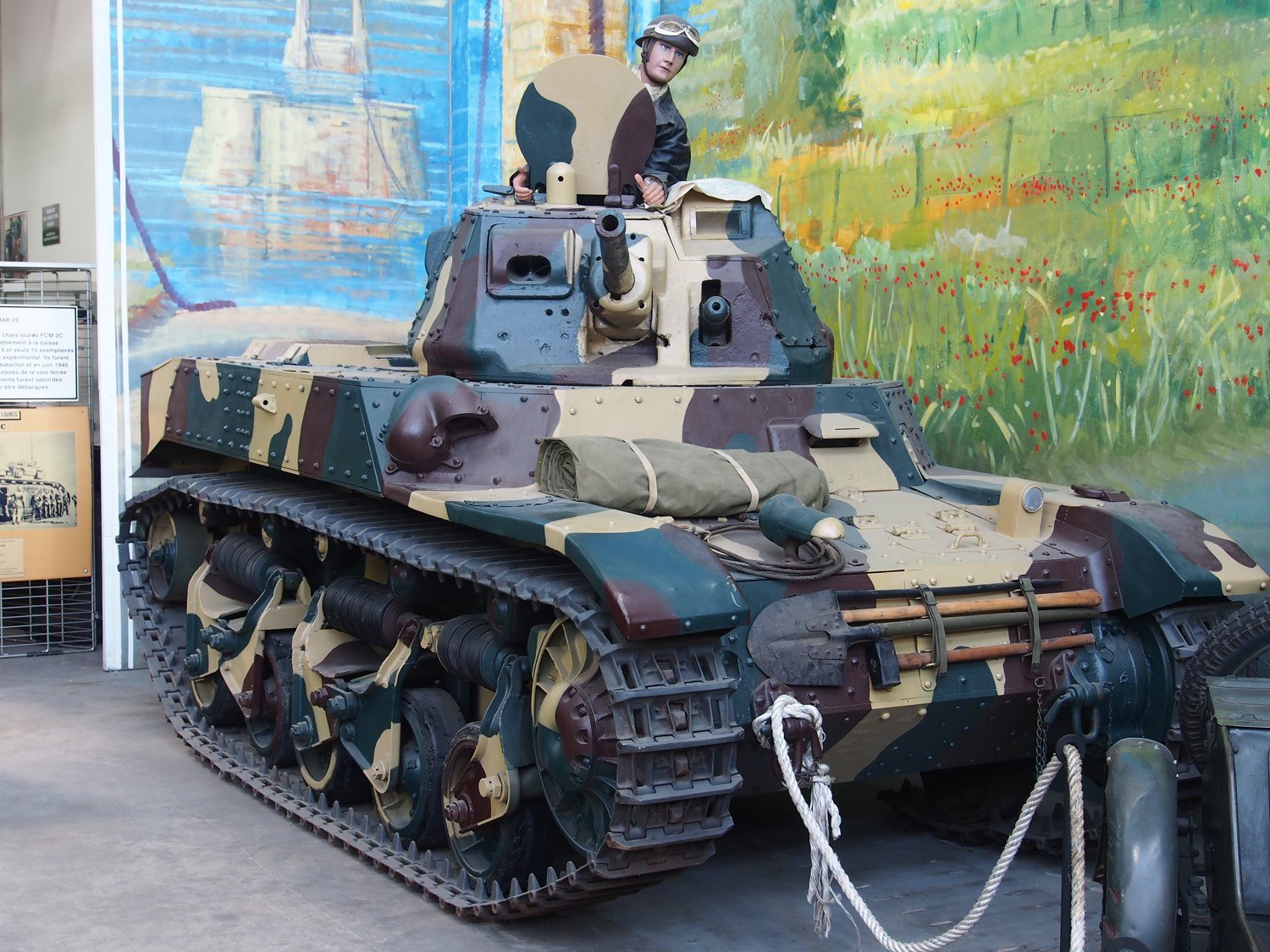
Read the profileThe Char 2C was a French heavy tank conceived during the First World War but completed as a small postwar fleet.
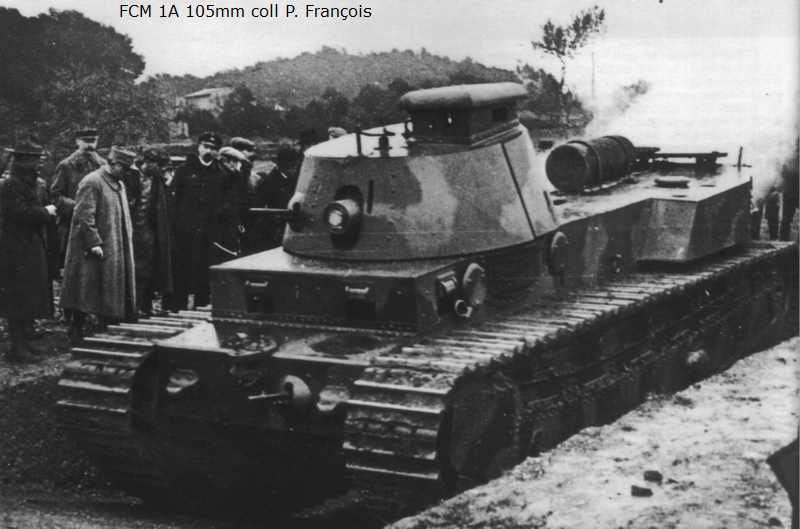
Read the profileThe FCM 1A was a French heavy-tank prototype developed by Forges et Chantiers de la Méditerranée during the First World War.
Read the profileThe Fiat 2000 was an Italian heavy-tank project that produced two large experimental vehicles rather than a wartime operational fleet.
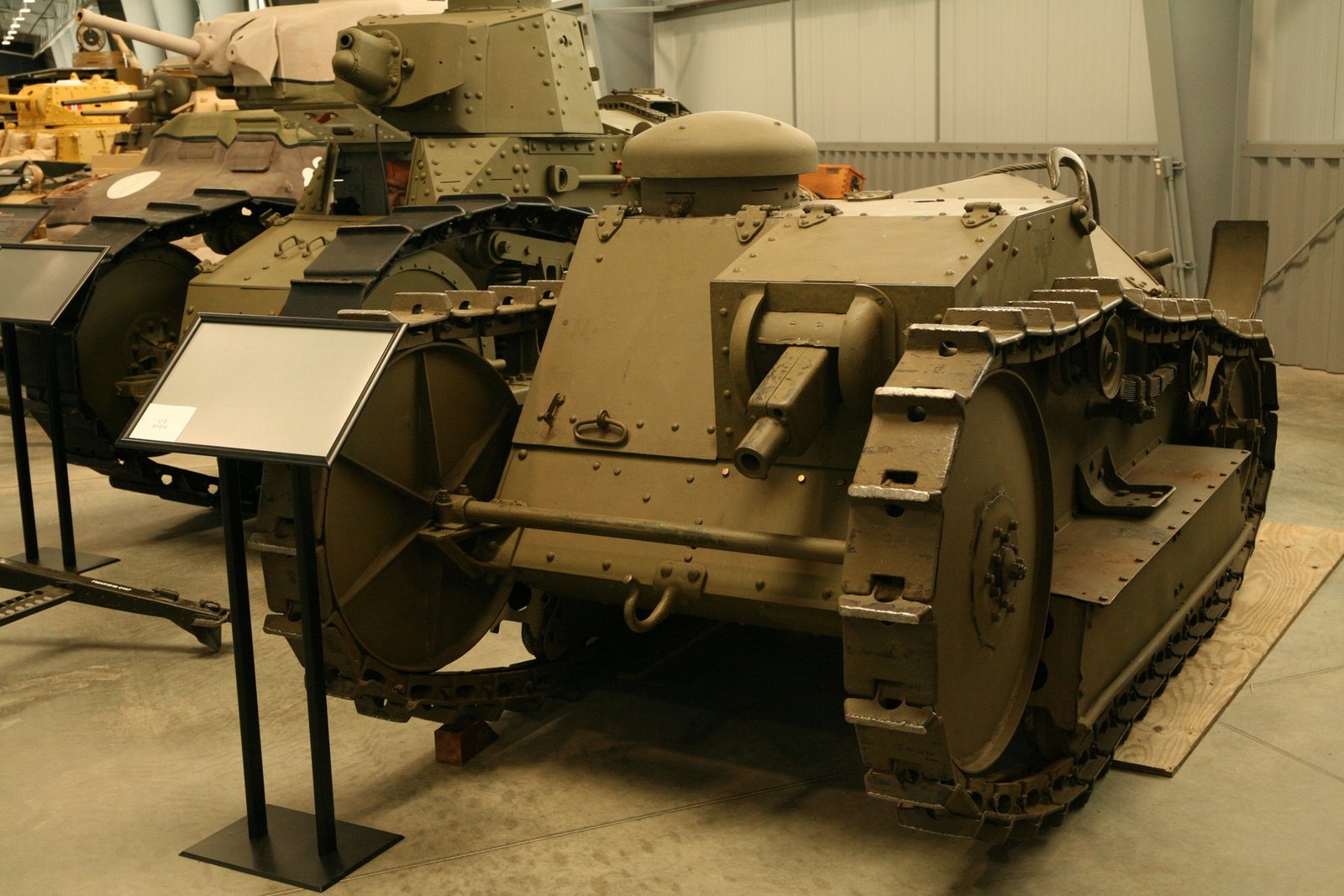
Read the profileThe Ford 3-ton M1918 was an American attempt to produce a very small tracked military vehicle using familiar automotive components and large-scale manufacturing methods.
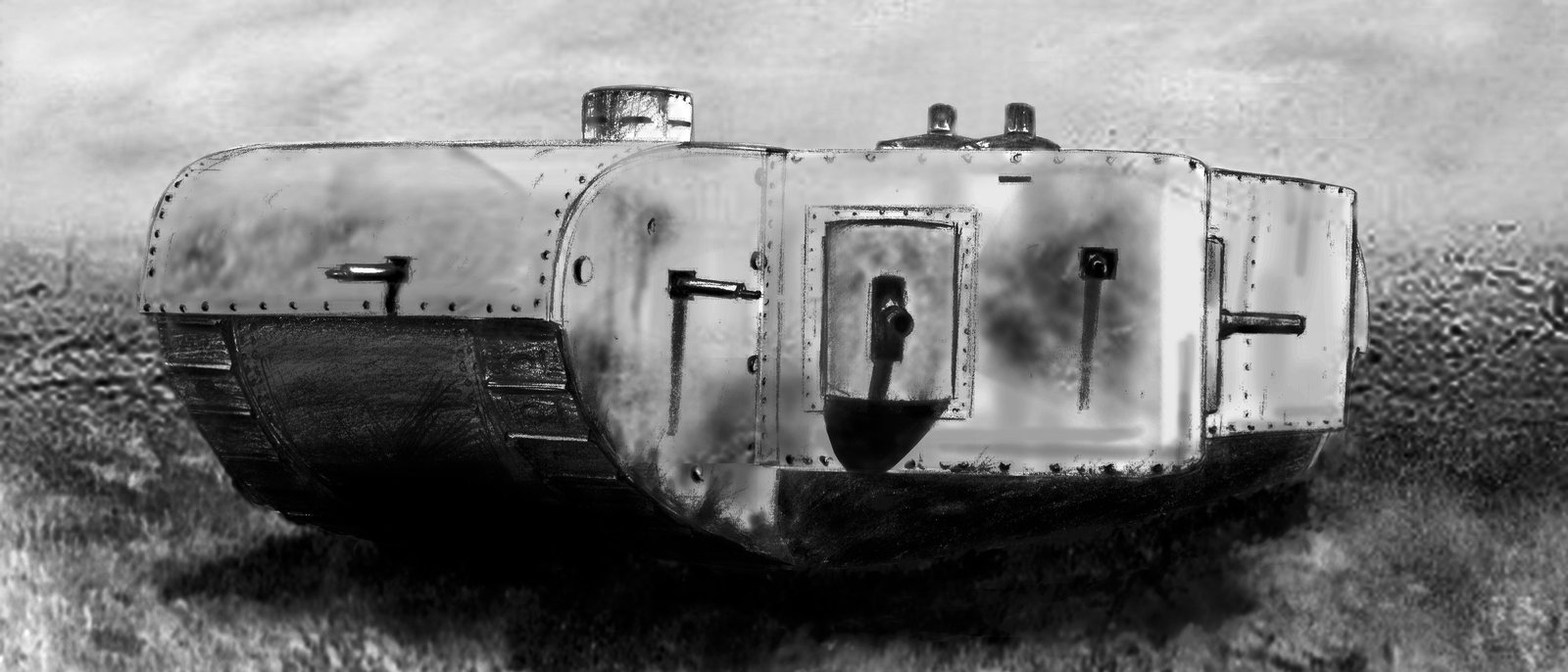
Read the profileThe Großkampfwagen, usually shortened to K-Wagen, was a German attempt to create a very large armored breakthrough vehicle during the First World War.
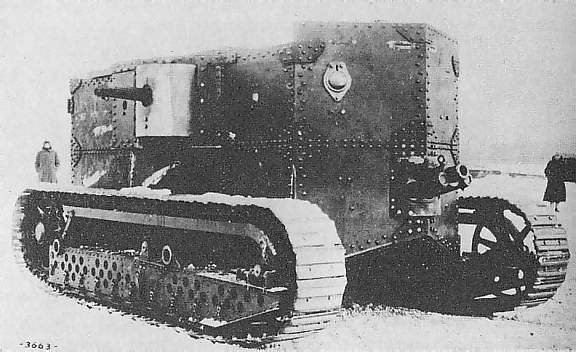
Read the profileThe Holt Gas-Electric Tank was an American experimental armored vehicle developed through cooperation between Holt and General Electric.
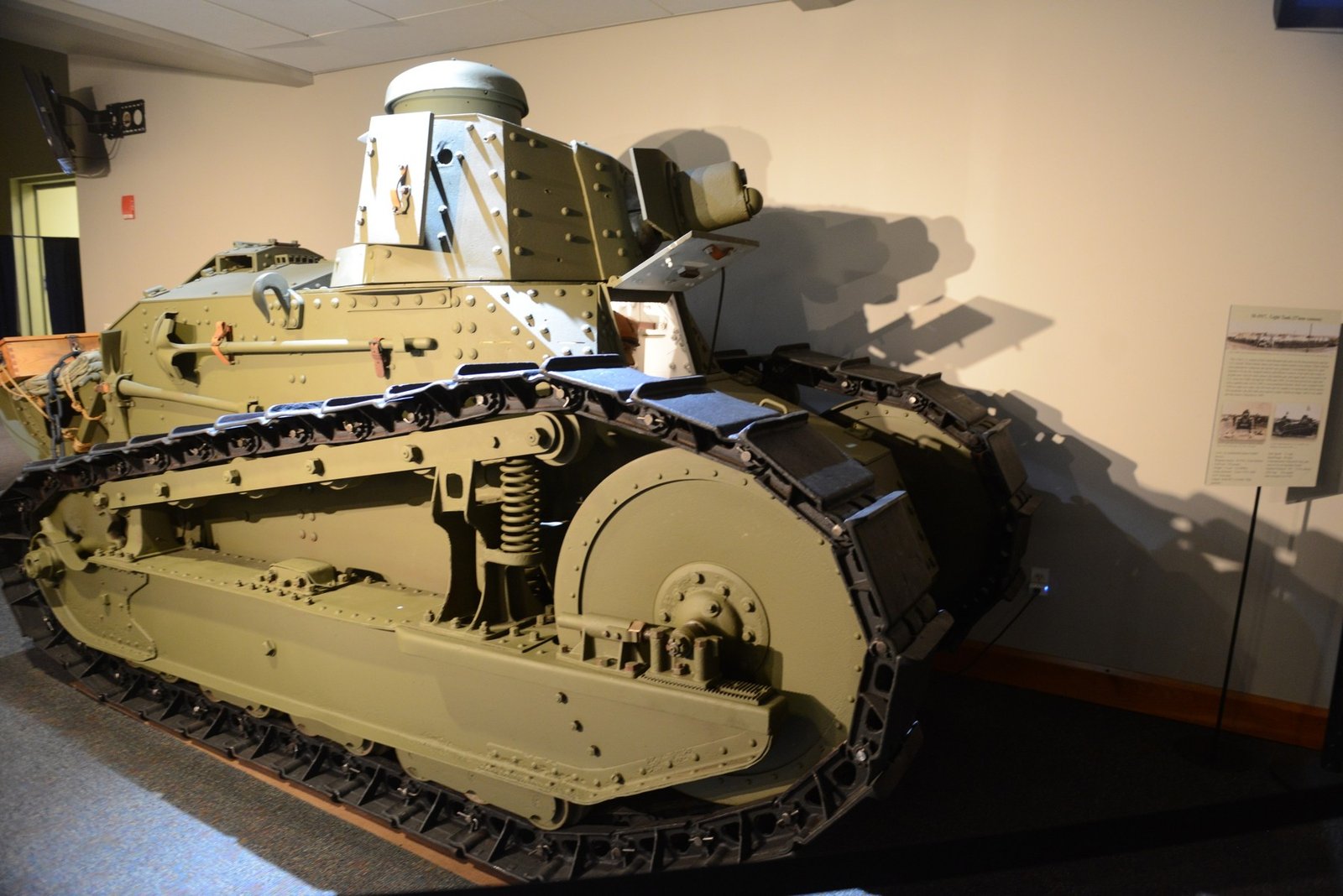
Read the profileThe M1917 was the American-built adaptation of the French Renault FT and the foundation of the United States' first mass-production tank program.
Read the profileThe Mark VIII, also called the International or Liberty tank, was conceived as a joint Anglo-American heavy tank for a continuing war in Europe.
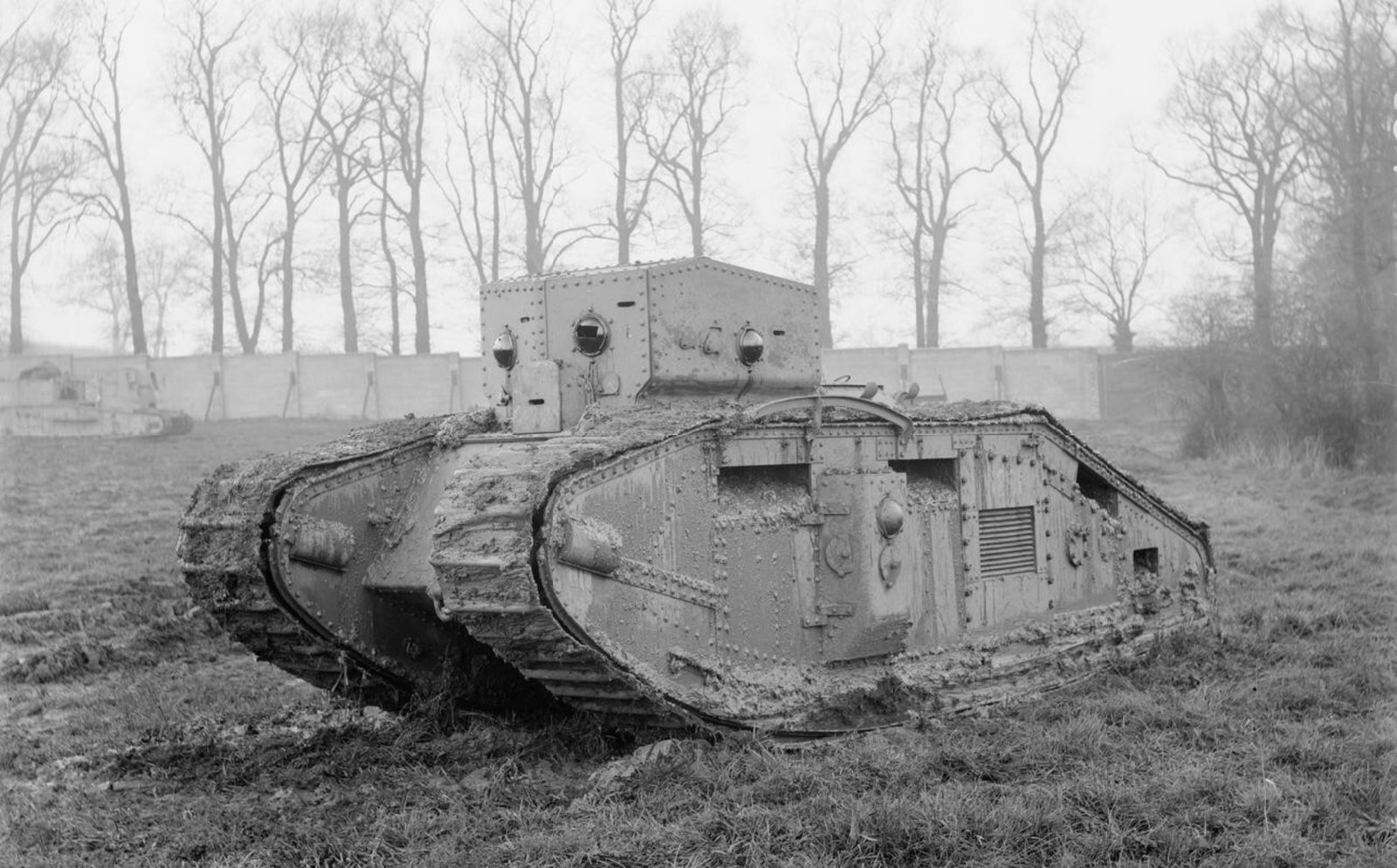
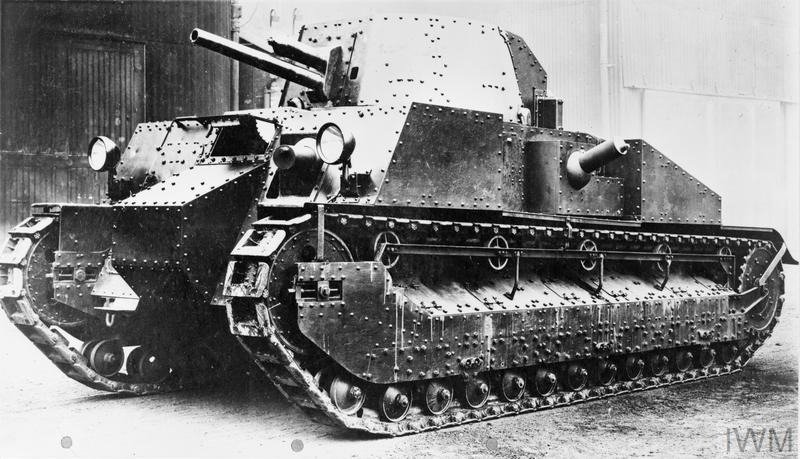
Read the profileThe Medium Mark B was a British attempt to combine the obstacle-crossing characteristics of the heavy rhomboidal tanks with a smaller machine-gun vehicle intended for a different battlefield role.
Read the profileThe Tank, Mark IX was designed to move infantry or supplies under armor rather than to fight as a conventional gun tank.
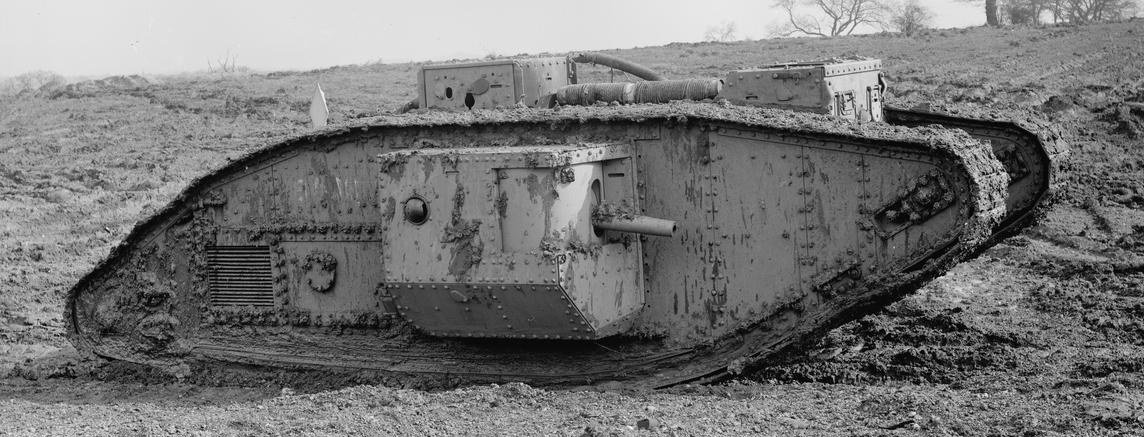
Read the profileThe Tank, Mark V was a major 1918 development of the British heavy tank. It retained the rhomboidal tracks and side-sponson weapons of its predecessors, but its Ricardo engine and Wilson epicyclic steering represented a more consequential change than the familiar…
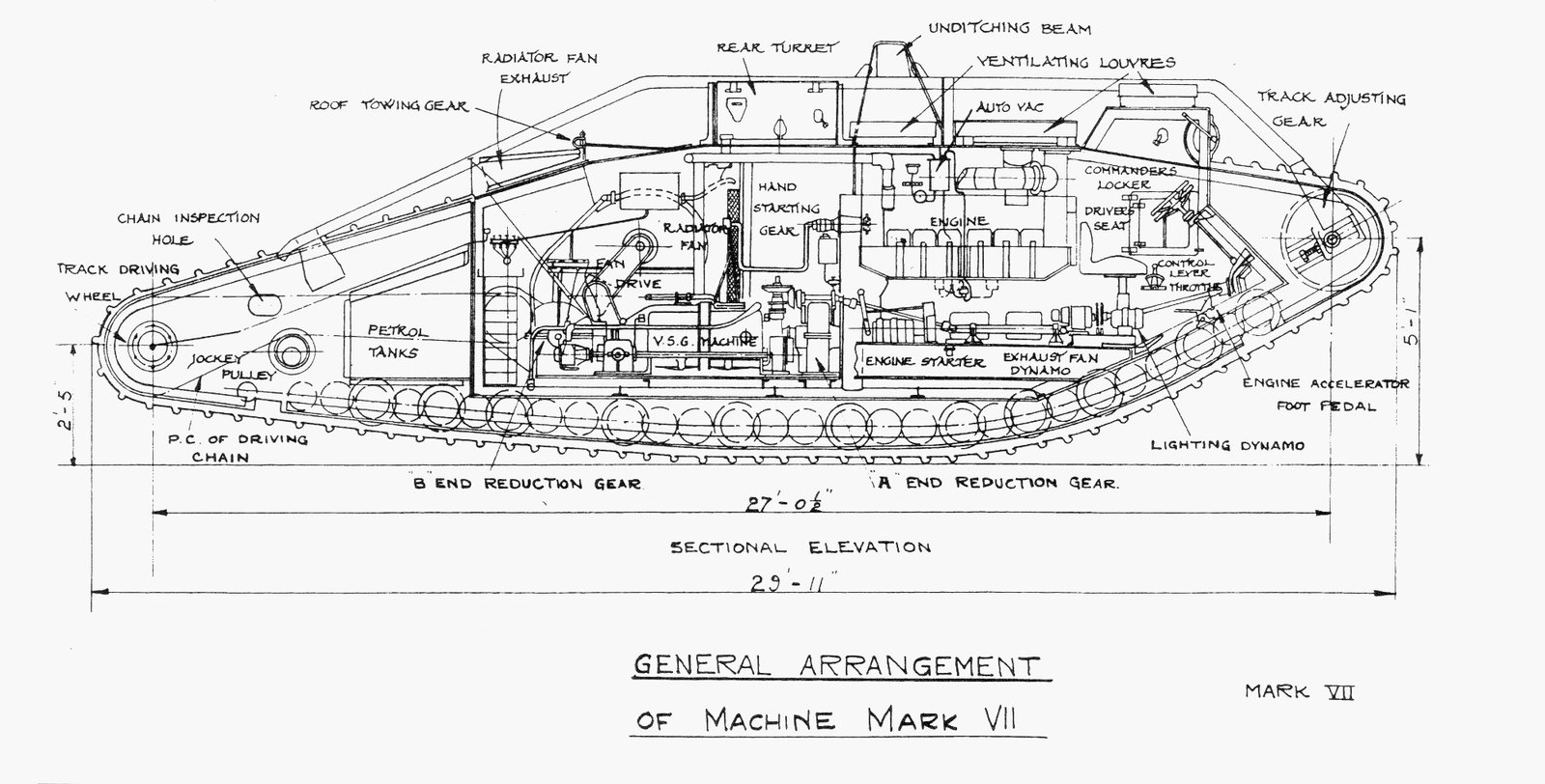
Read the profileThe Tank, Mark VII was a British attempt to apply hydraulic transmission to a heavy tank during the First World War.
Read the profileThe Leichter Kampfwagen program explored a smaller German tank than the A7V during the final part of the First World War.
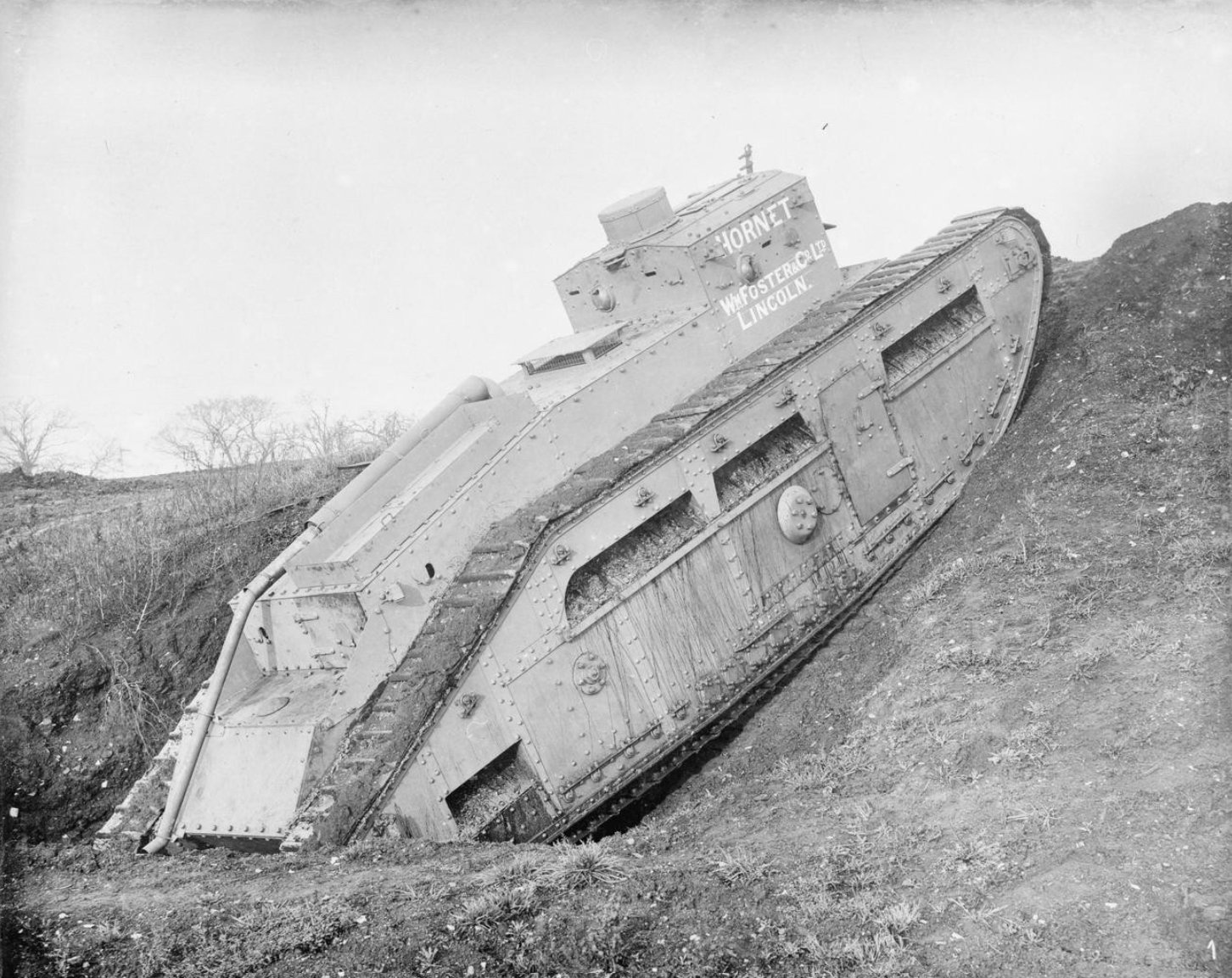
Read the profileThe Medium Mark C, usually called Hornet, was a British medium tank developed toward the end of the First World War.
Read the profileThe Medium Mark D was an experimental British attempt to combine sustained speed, trench-crossing ability, and protected firepower.
Read the profileThe Peugeot / Oemichen Char 1918 was a French late-war prototype associated with Peugeot and the engineer Étienne Oehmichen.
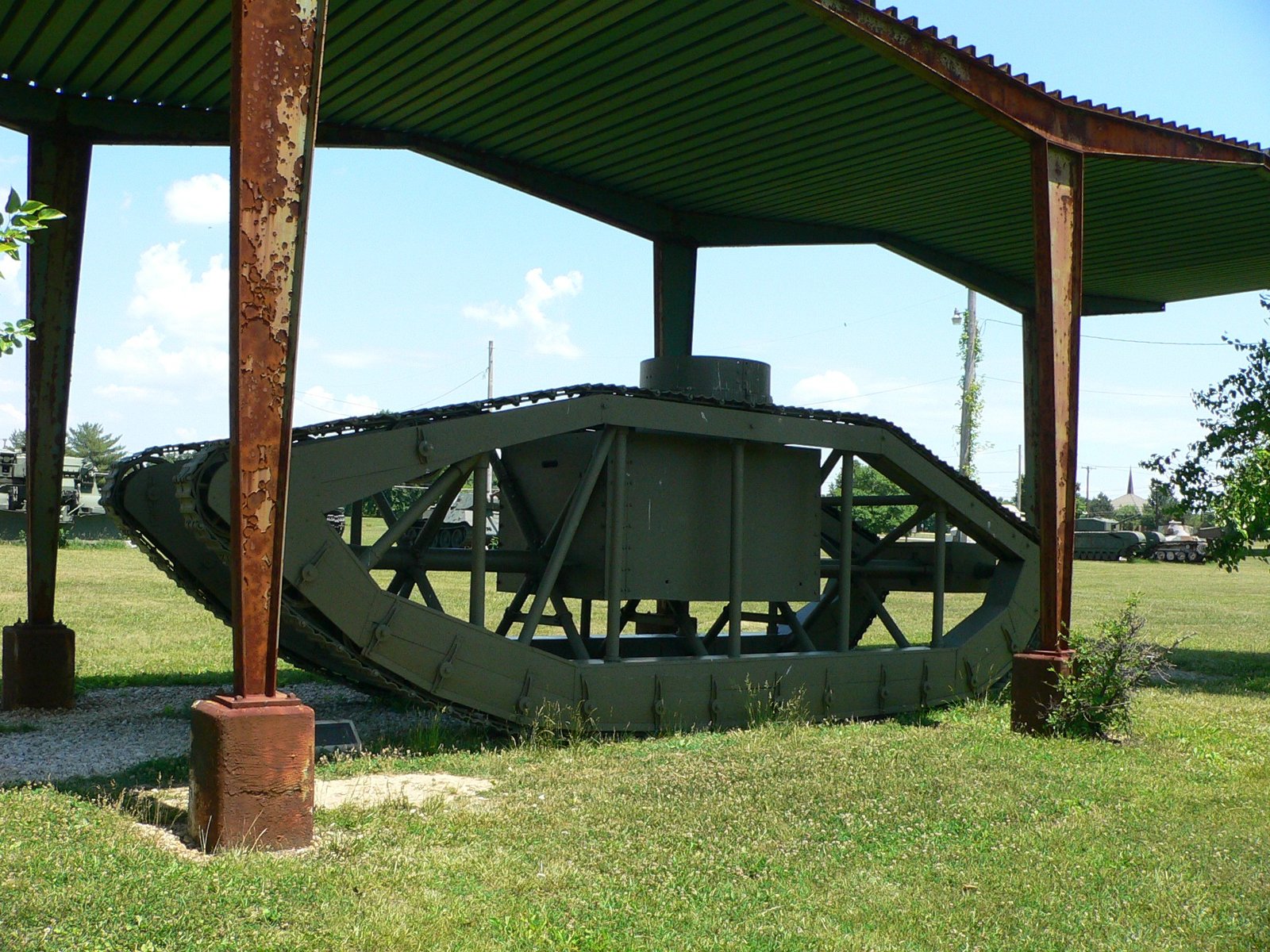
Read the profileThe Skeleton Tank, also called the Spider Tank, was an American experimental vehicle built in 1918 by the firm identified in the cited sources as the Pioneer Tractor Company of Winona, Minnesota.
Read the profileWar Tank America was an American First World War heavy-tank experiment using steam propulsion within a British-inspired rhomboidal outline.
Read the profileSturmpanzerwagen Oberschlesien was a late-1918 German assault-tank project intended to move beyond the large crew and heavy arrangement of the A7V.
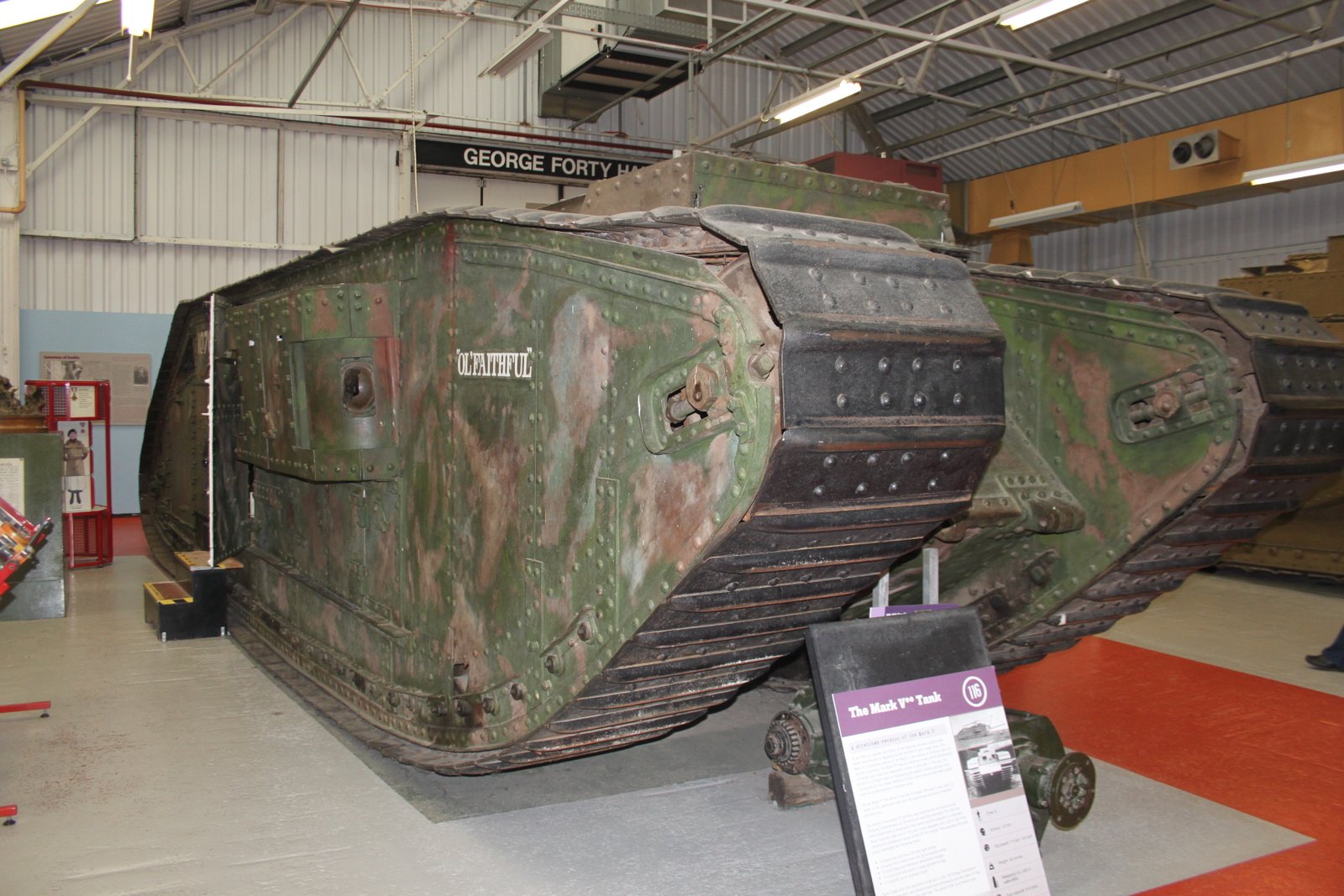
Read the profileThe Mark V* and Mark V** were attempts to extend the usefulness of the British rhomboid heavy tank against wider trenches.
Read the profileThe Fiat 3000 translated the Renault FT’s compact, turreted light-tank concept into an Italian vehicle with different automotive arrangements and running gear.
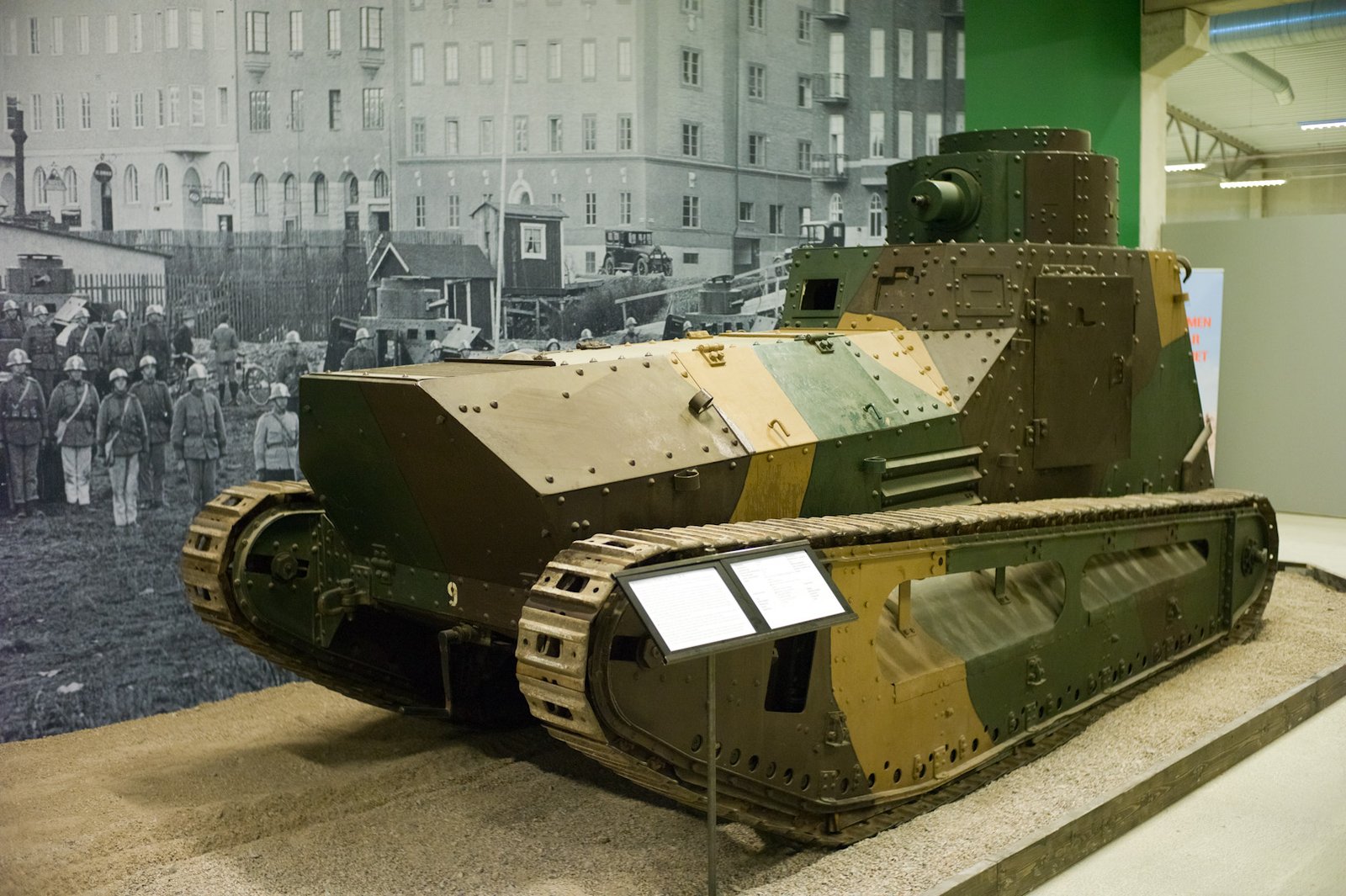
Read the profileSweden’s Strv m/21 fleet developed from German LK II material acquired after the First World War.
Read the profileThe Renault NC program sought to improve the Renault FT concept through new running gear, better mobility and changes in protection and automotive equipment.
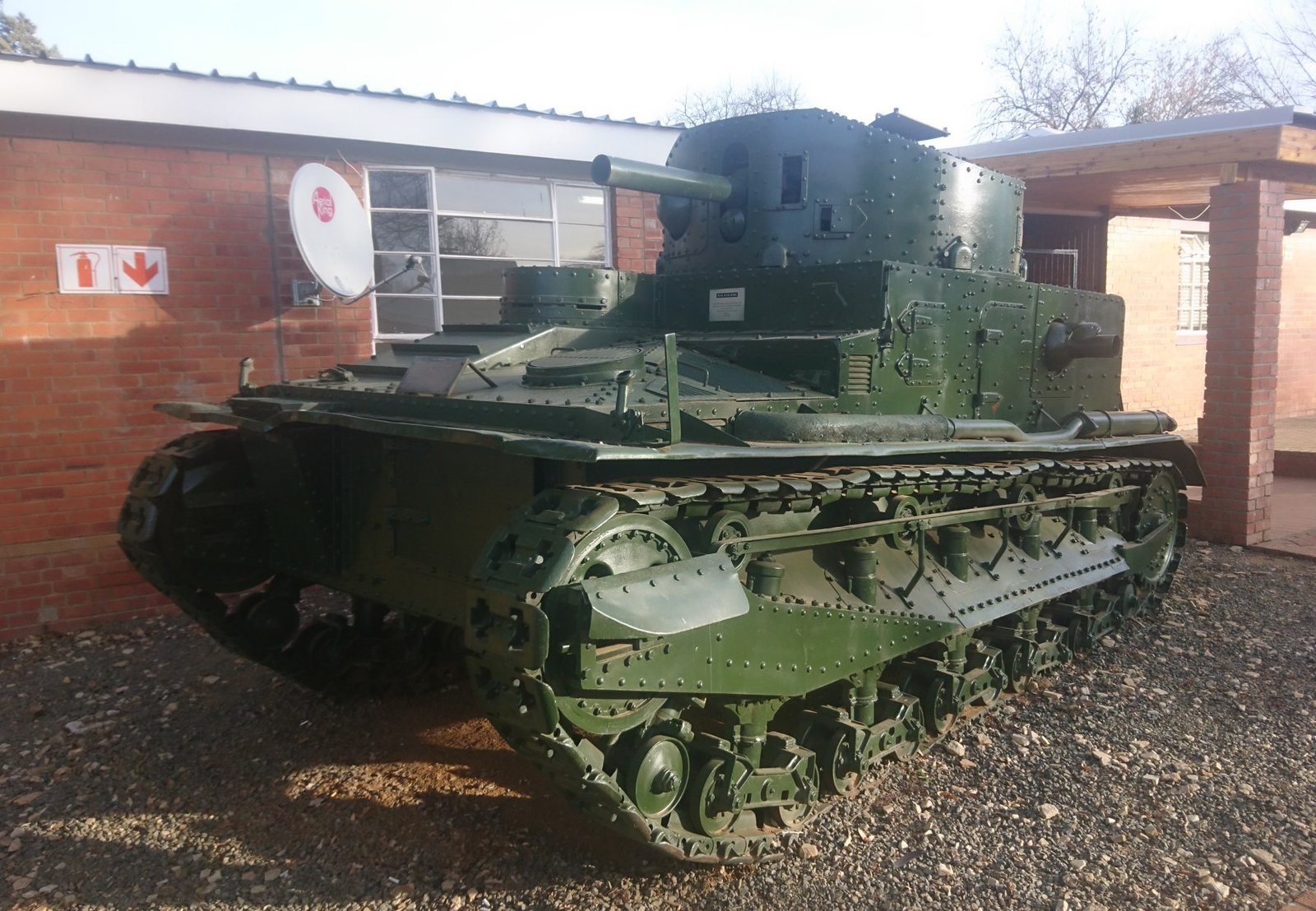
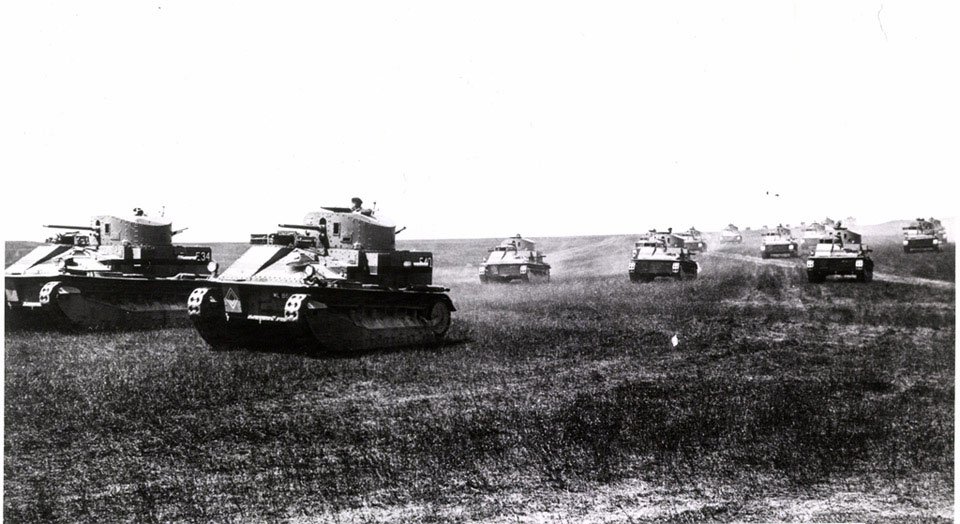
Read the profileThe Vickers Medium Mark I represented a move away from the long rhomboid heavy tanks associated with the First World War.
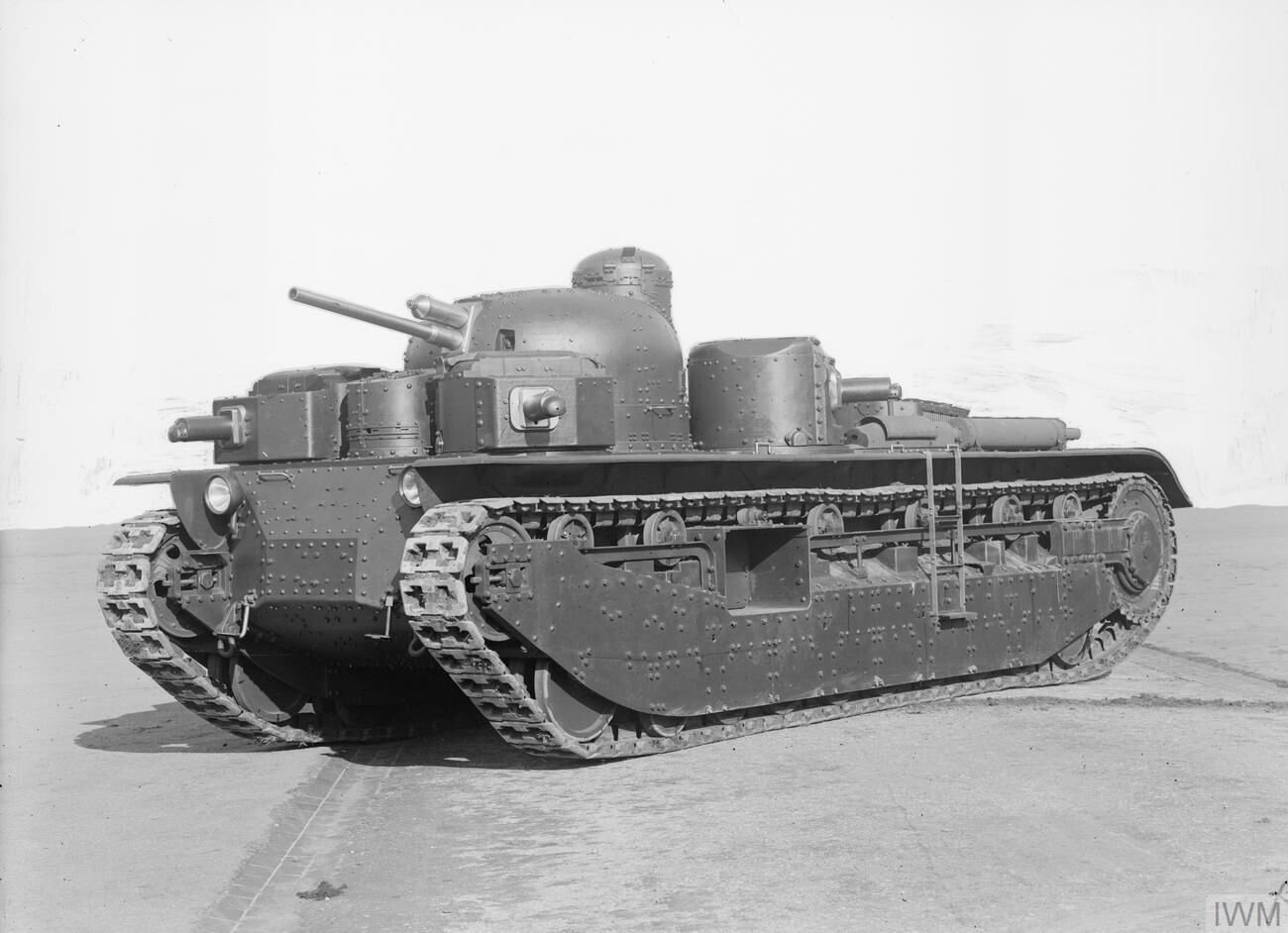
Read the profileThe A1E1 Independent was a single Vickers-built British heavy-tank prototype intended to combine a central gun with all-round machine-gun defense.
Read the profileThe Vickers Medium Mark II was a development of the earlier Mark I and became an important vehicle in British interwar mechanization.
Read the profileGrosstraktor was a concealment name for a German experimental tank program, not an agricultural vehicle intended for ordinary farm work.
Read the profileThe Vickers Medium Mark C was a private export-oriented prototype of the 1920s. It is distinct from the First World War Medium Mark C Hornet: the similar name does not make them one family or a continuous production series.
Read the profileThe Vickers Medium Mark III developed from the A6 effort to replace Britain's existing interwar mediums with a more capable tank.
Read the profileThe Carden-Loyd Mk VI was a compact British tracked machine-gun carrier whose importance extended beyond the number built for Britain.
Read the profileThe Light Tank T1 series was an American effort to replace the First World War light-tank arrangement with a more capable domestic vehicle.
Read the profileThe vehicle commonly called Type 87 Chi-I is treated in the cited sources as Japan's Experimental Tank No. 1: a domestic prototype completed in 1927 rather than an operational tank type.
Read the profileThe Christie M1928 and M1931 development line explored a tank that could travel on tracks across country and on large rubber-tired road wheels when its tracks were removed.
Read the profileThe Leichttraktor was a clandestine German light-tank development program of the late 1920s and early 1930s.
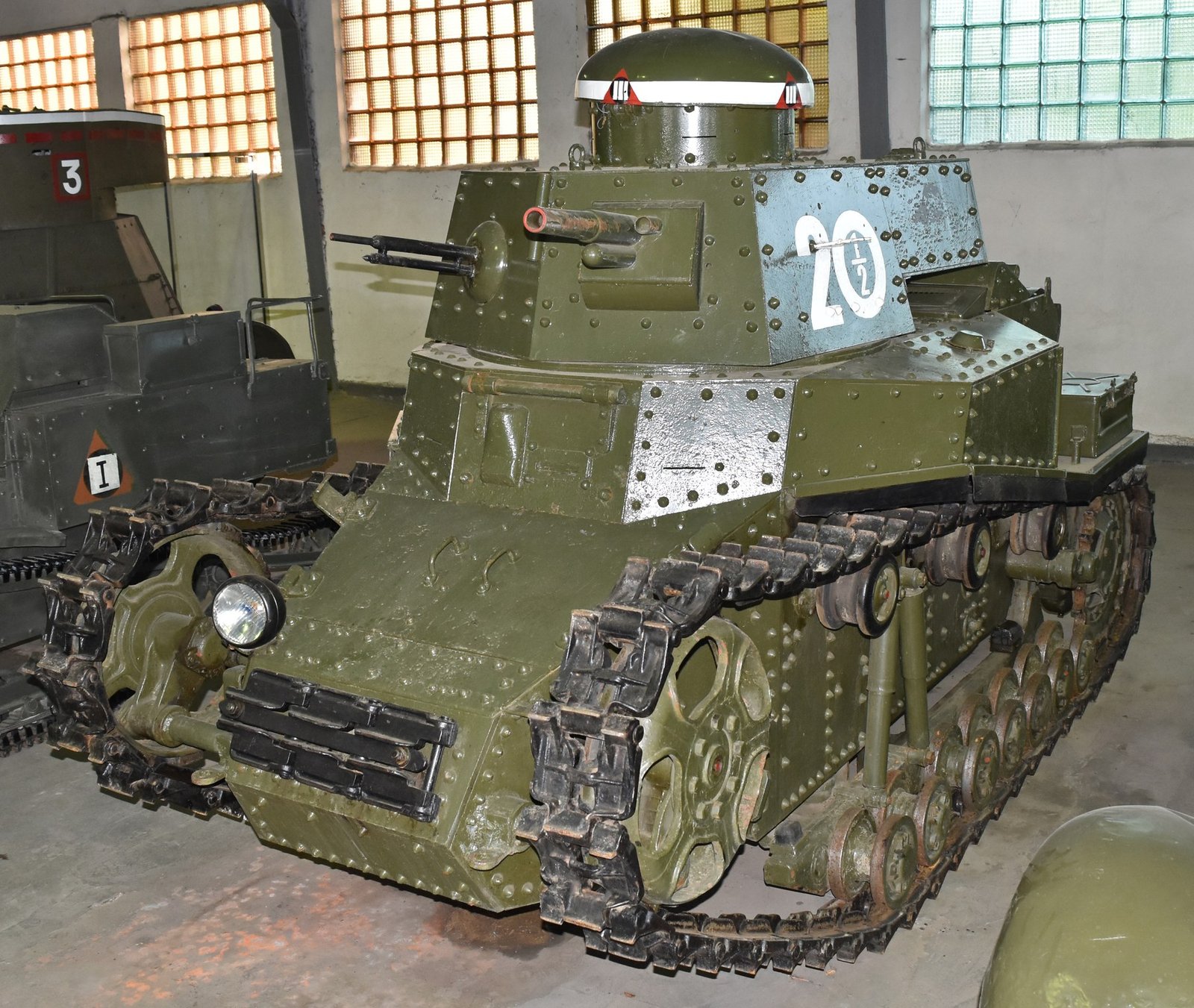
Read the profileThe T-18, also known as MS-1, gave the Soviet Union a domestically designed tank that could be manufactured in series.
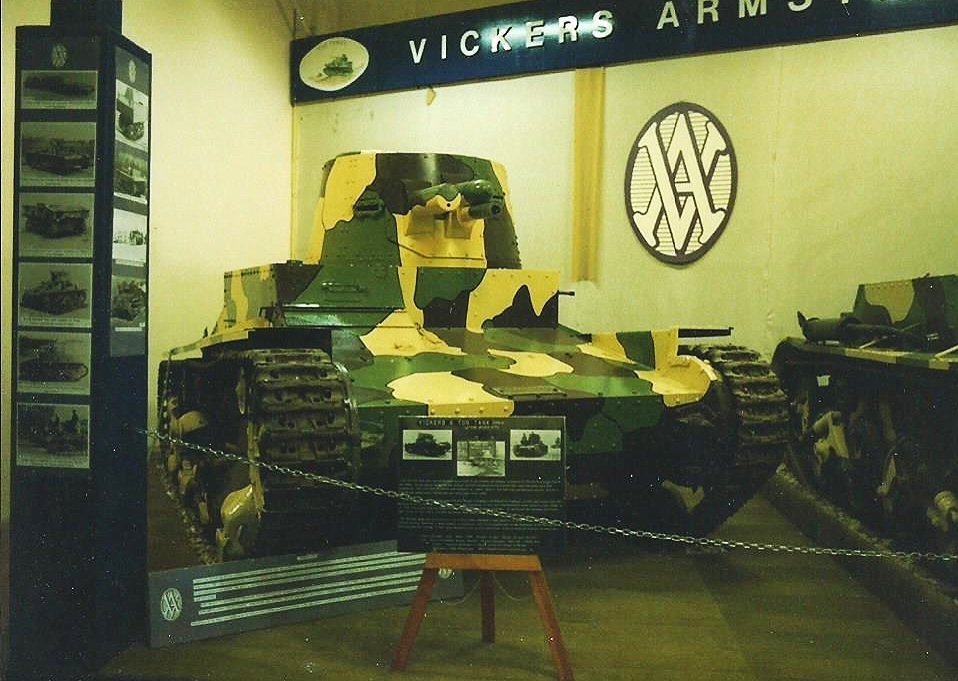
Read the profileThe Vickers 6-Ton, or Mark E, was developed as a private commercial design rather than as a standard British Army tank.
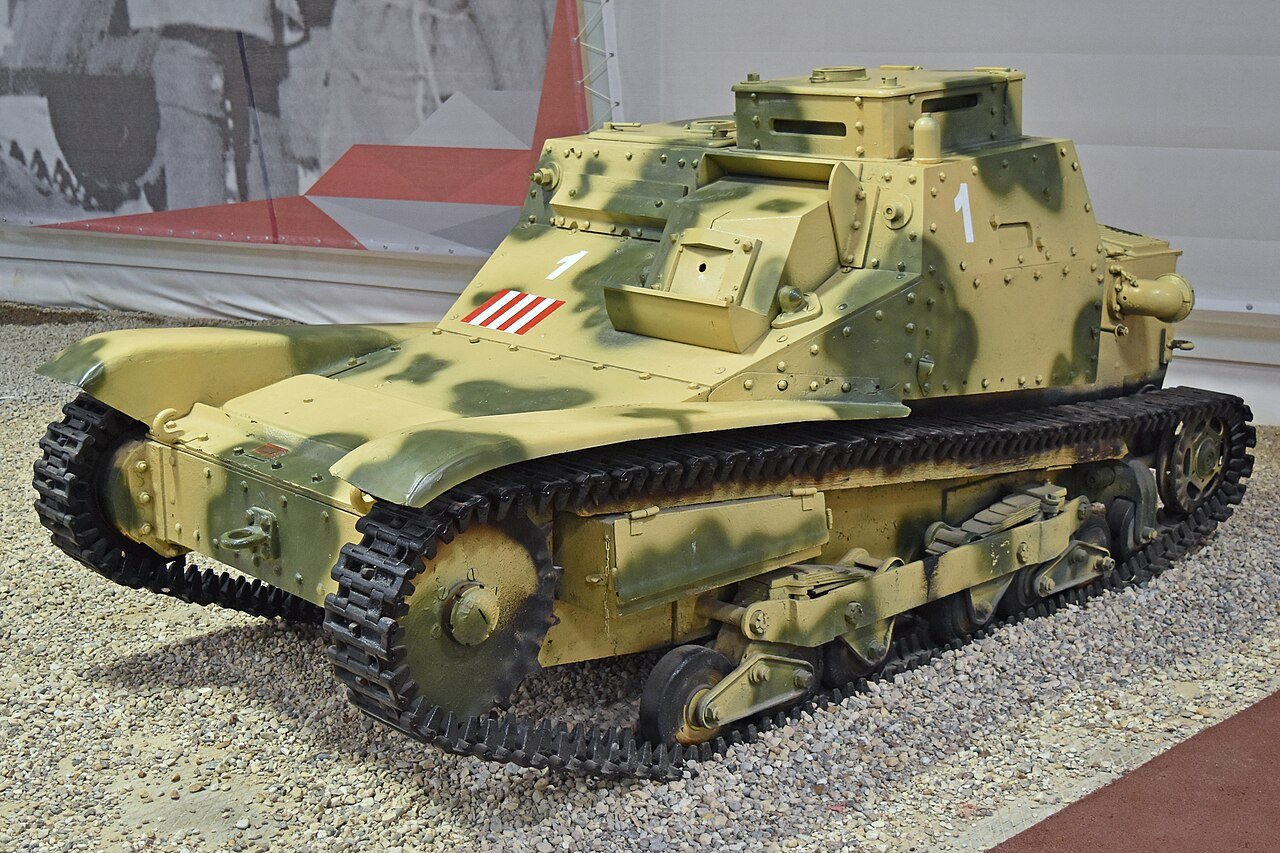
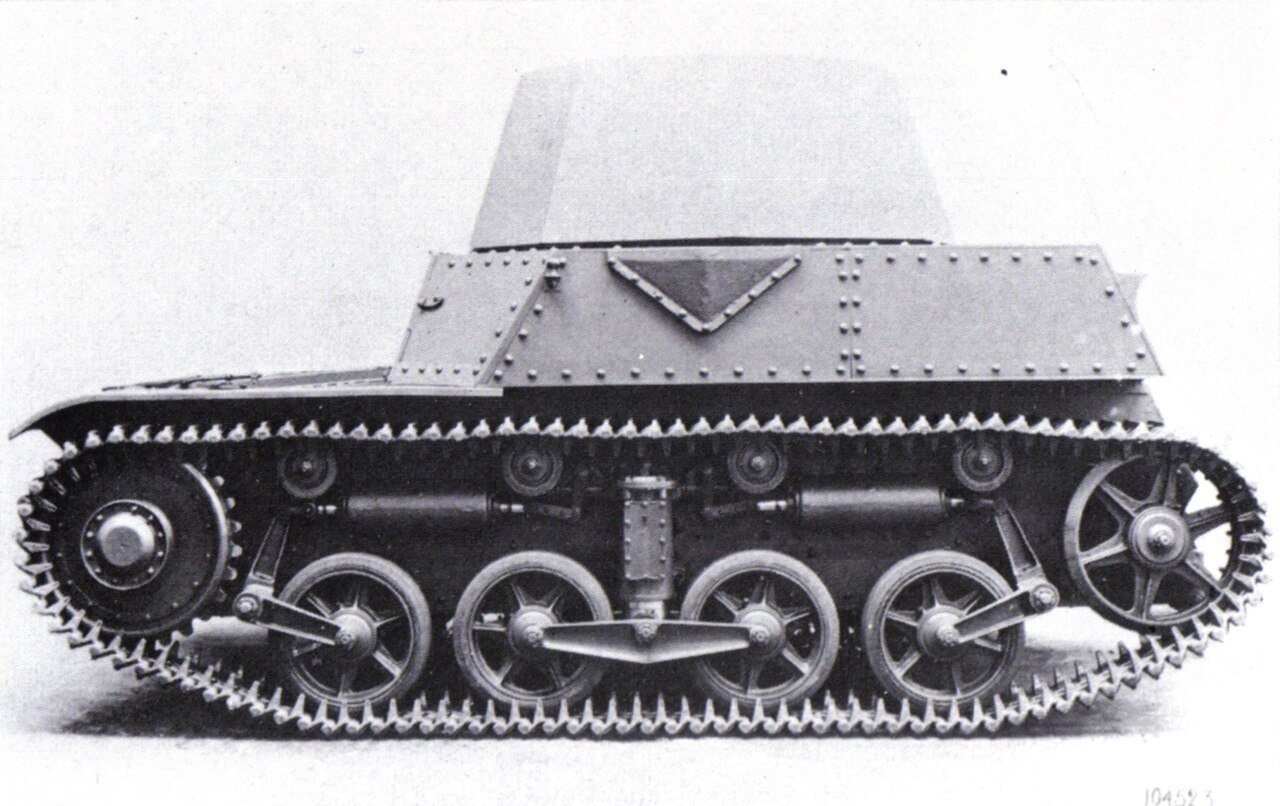
Read the profileThe Carro Veloce 29 was Italy's early adoption of the small tracked machine-gun carrier concept associated with Carden-Loyd.
Read the profileThe Char B1 family combined a hull-mounted 75 mm weapon with a smaller gun in a rotating turret.
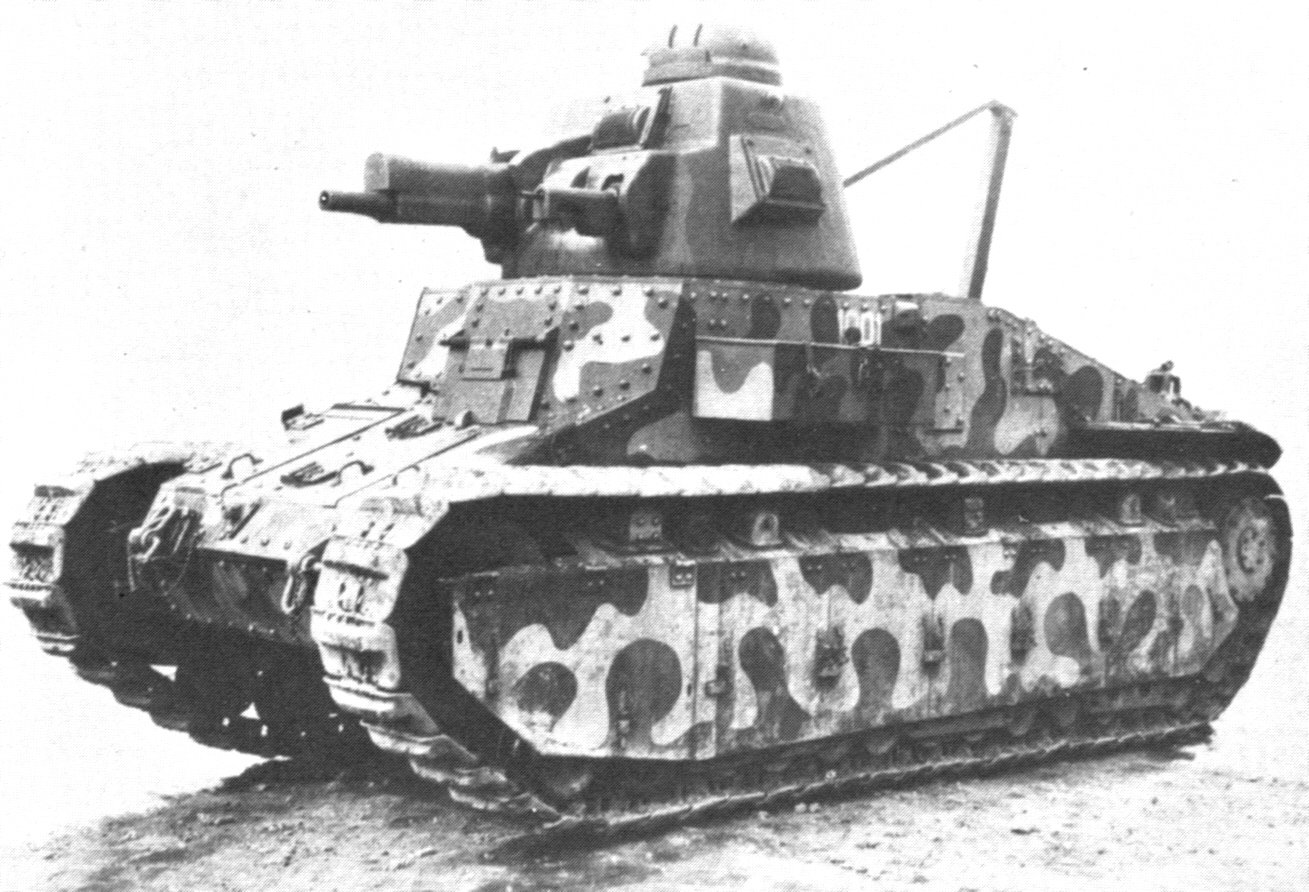
Read the profileThe Renault D1 and D2 form a useful combined research assignment, but they need distinguishable identities in the encyclopedia.
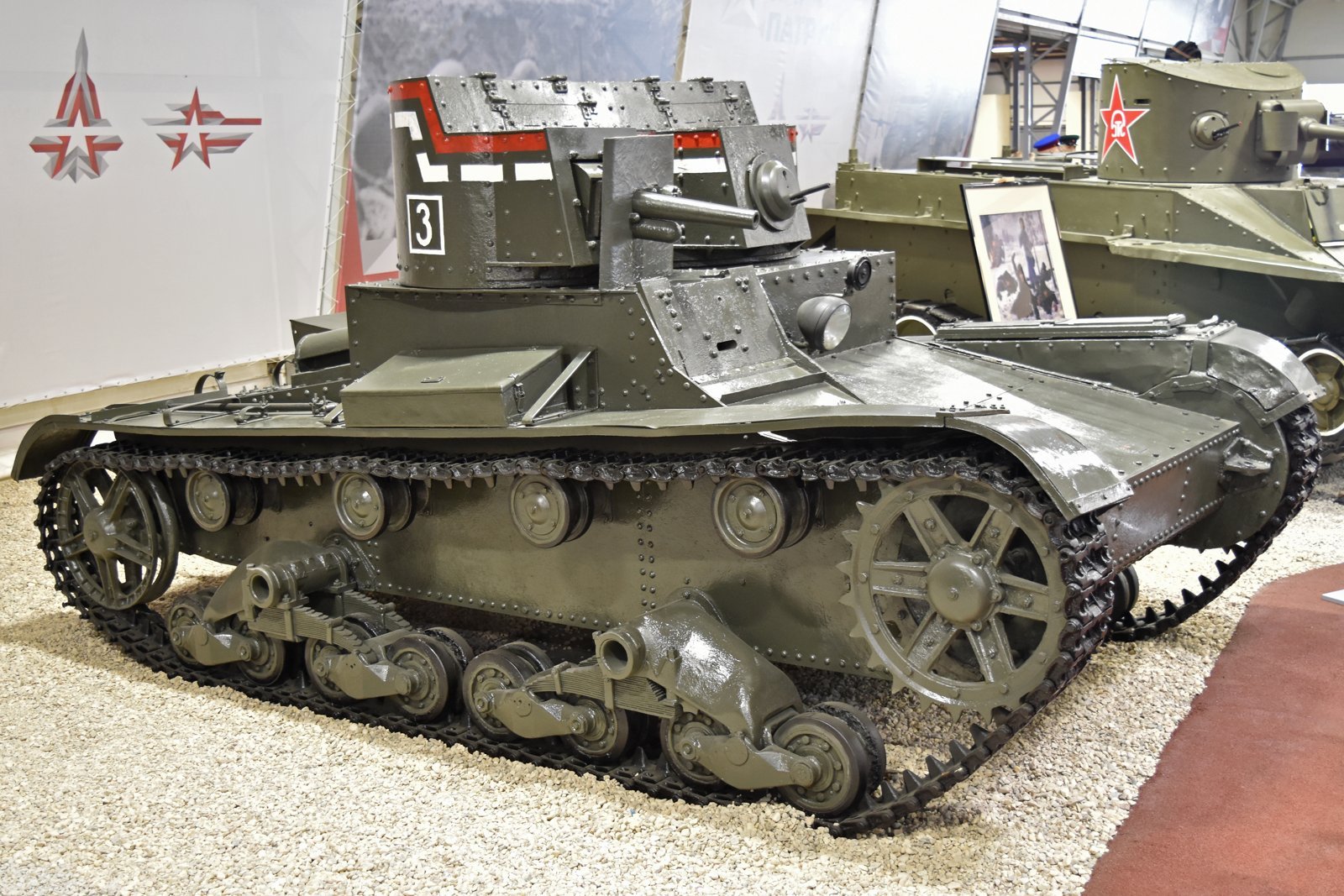
Read the profileThe T-12 and T-24 belong to an early Soviet attempt to move beyond the small infantry-support tank toward a more capable maneuver tank.
Read the profileThe Type 89 I-Go, also encountered as Chi-Ro or Yi-Go, was an early Japanese production tank developed for infantry support.
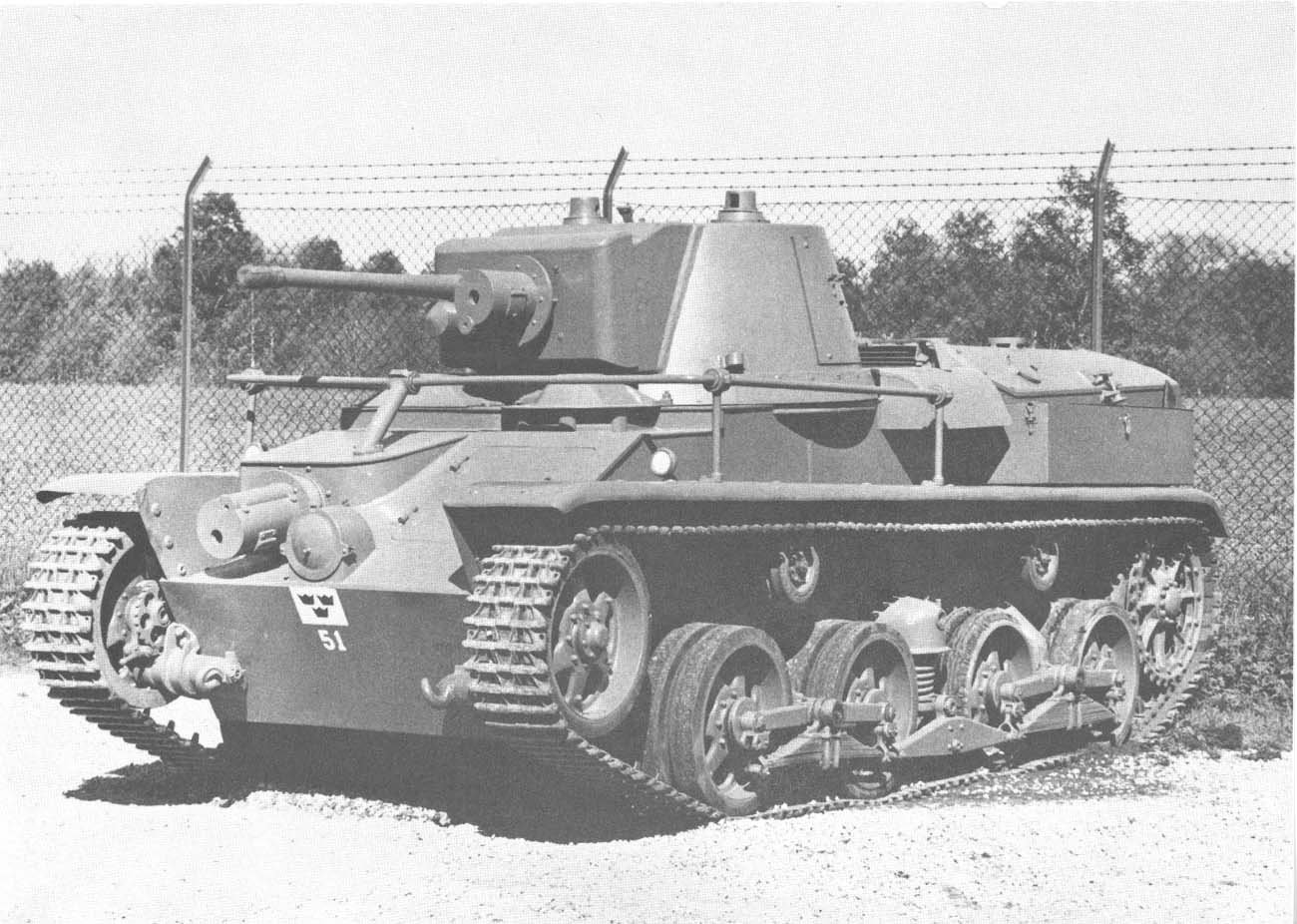
Read the profileThe Landsverk L-30, designated Strv fm/31 in Swedish service, was a single experimental tank intended to combine tracked cross-country mobility with faster movement on wheels.
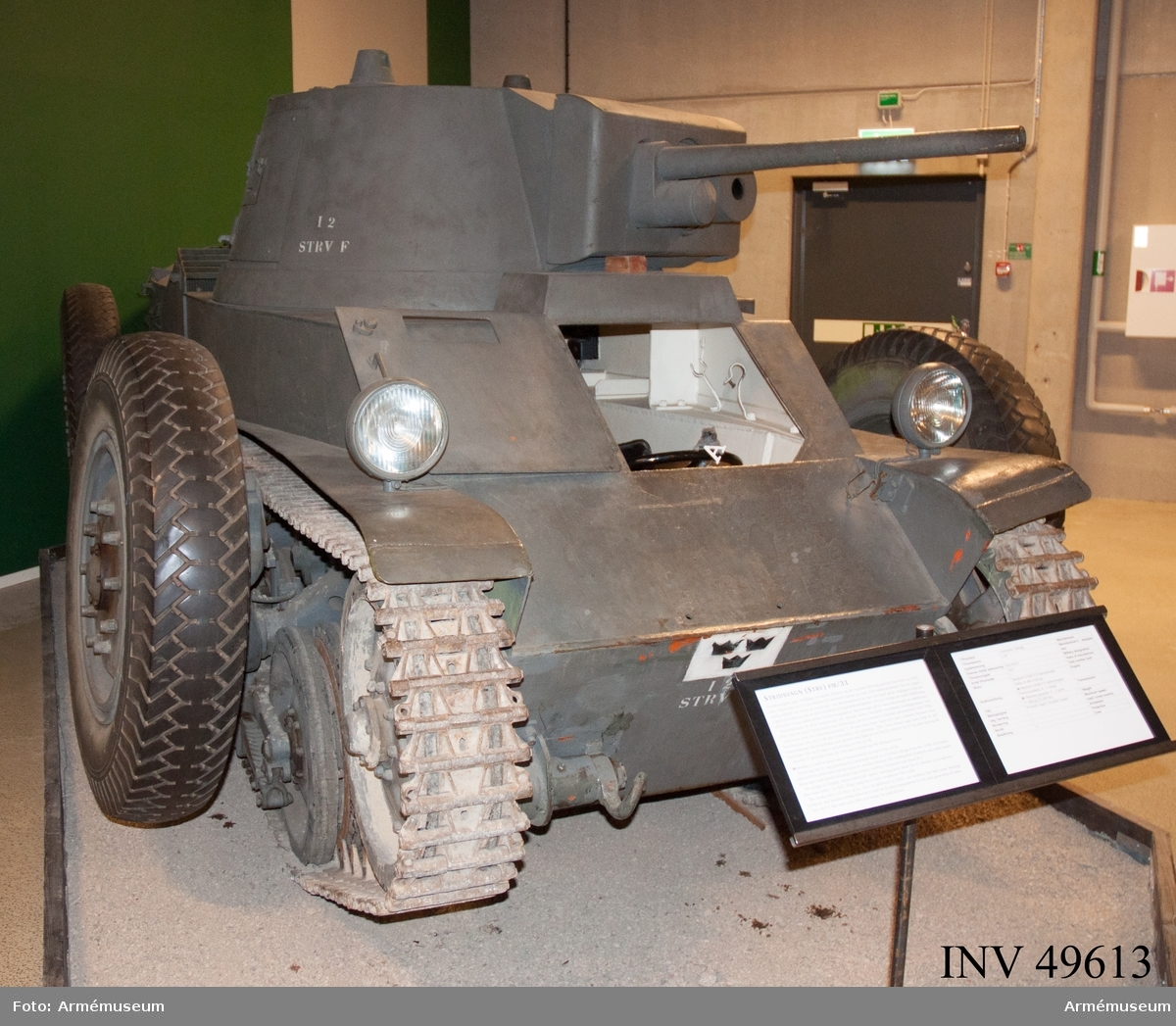
Read the profileThe Strv m/31, known to its manufacturer as Landsverk L-10, represented an early Swedish attempt to obtain a modern tracked tank from a domestic factory.
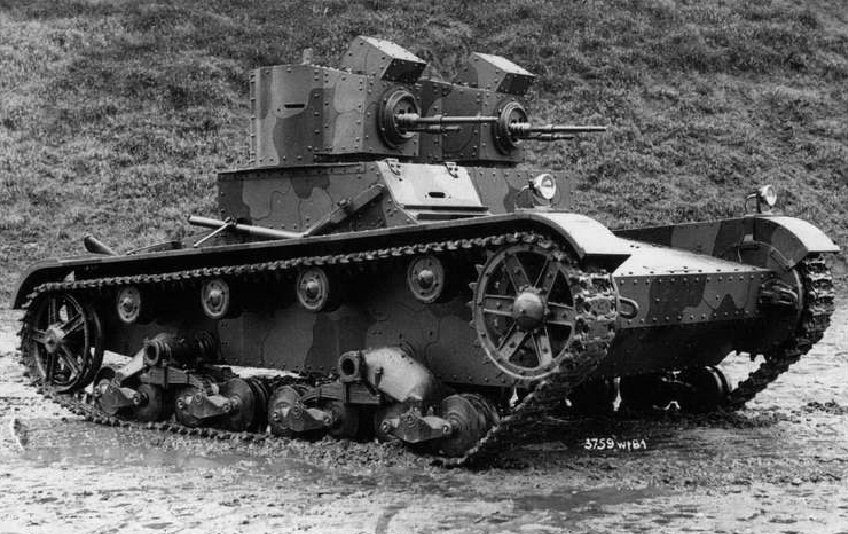
Read the profileThe T-26 grew from the British Vickers 6-Ton into a large Soviet light-tank family.
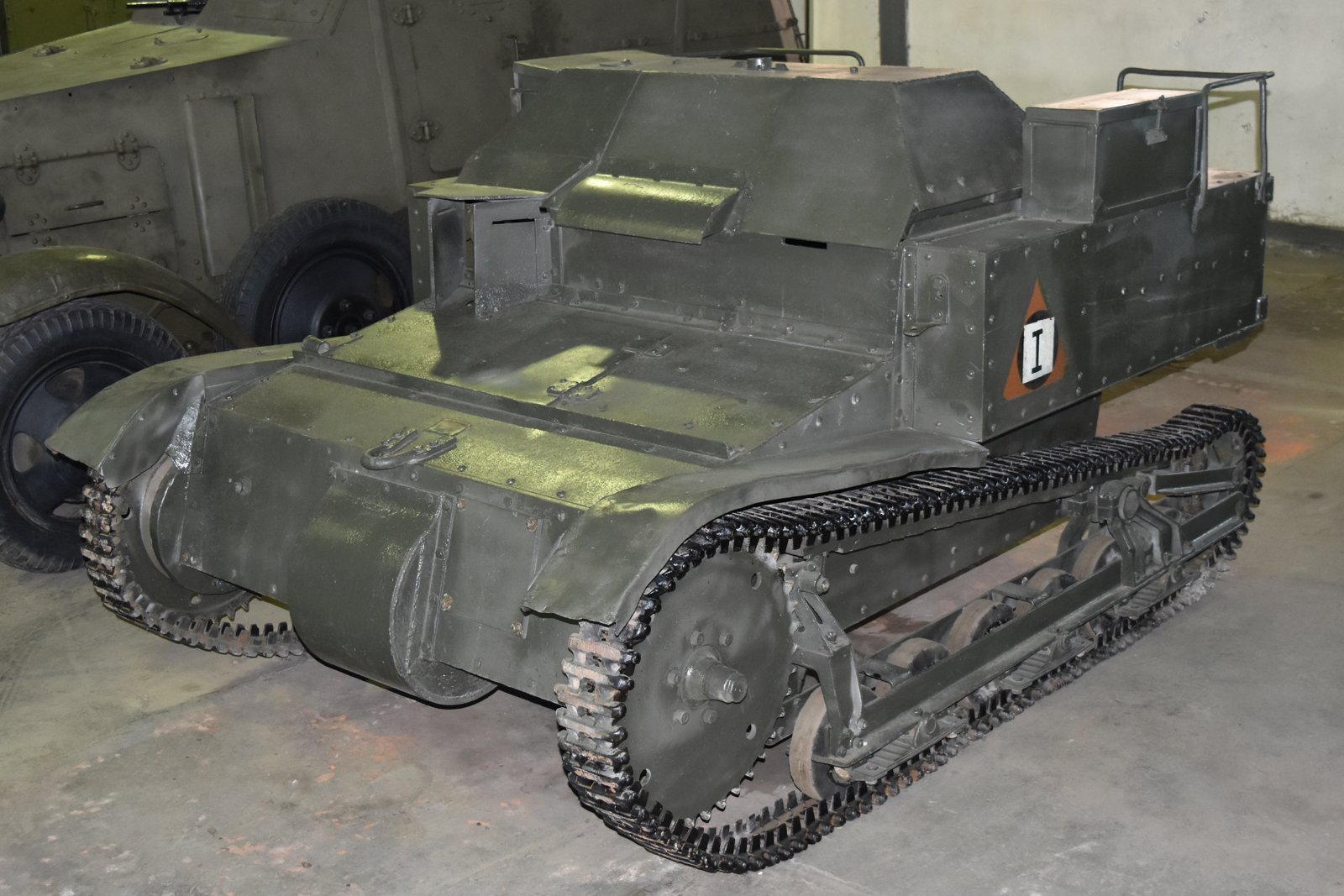
Read the profileThe T-27 was a small, two-man Soviet tankette derived from the Carden-Loyd concept.
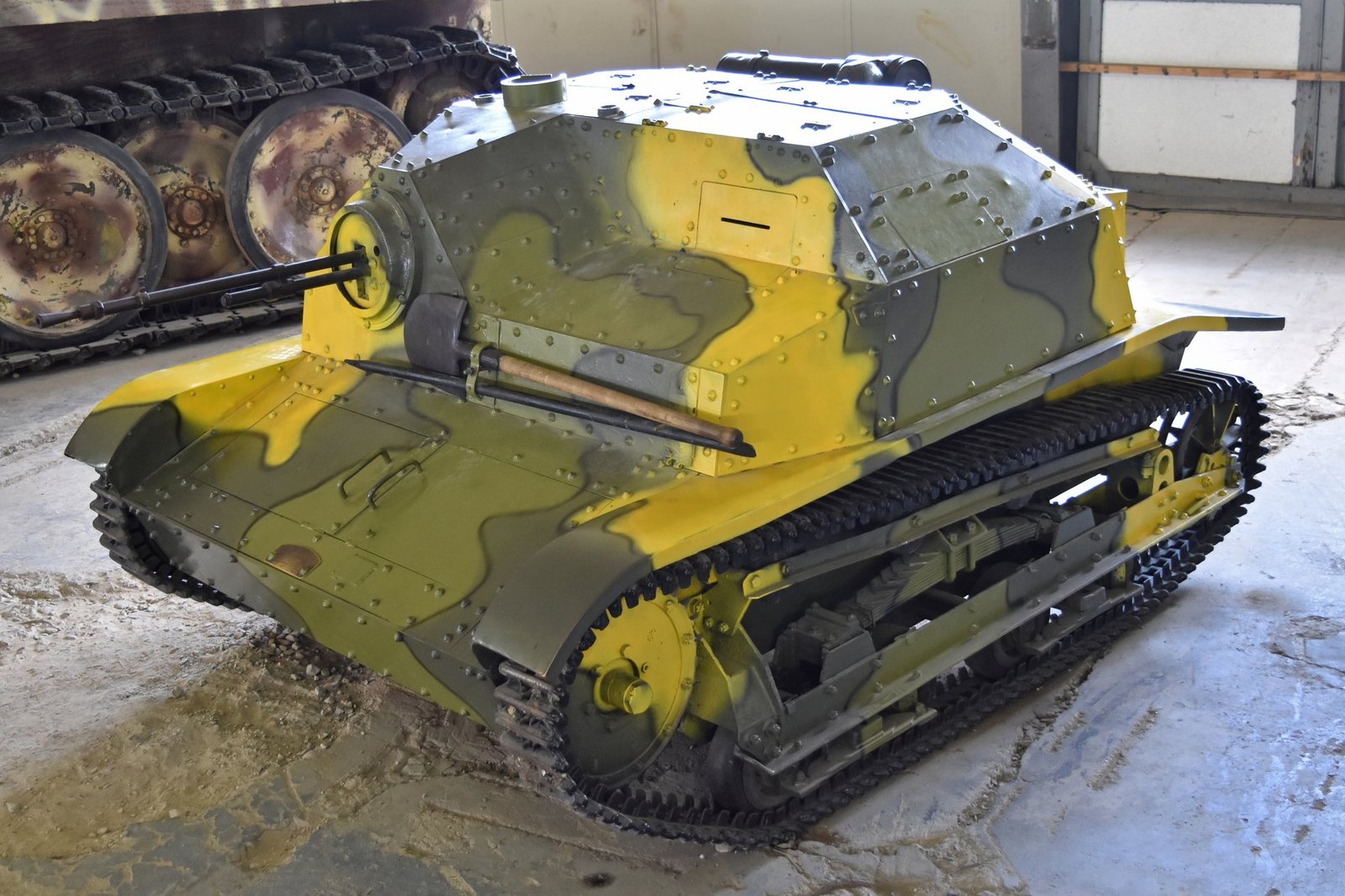
Read the profileThe TK-3 and TKS were compact Polish reconnaissance vehicles developed from the tankette concept rather than small equivalents of a fully turreted light tank.
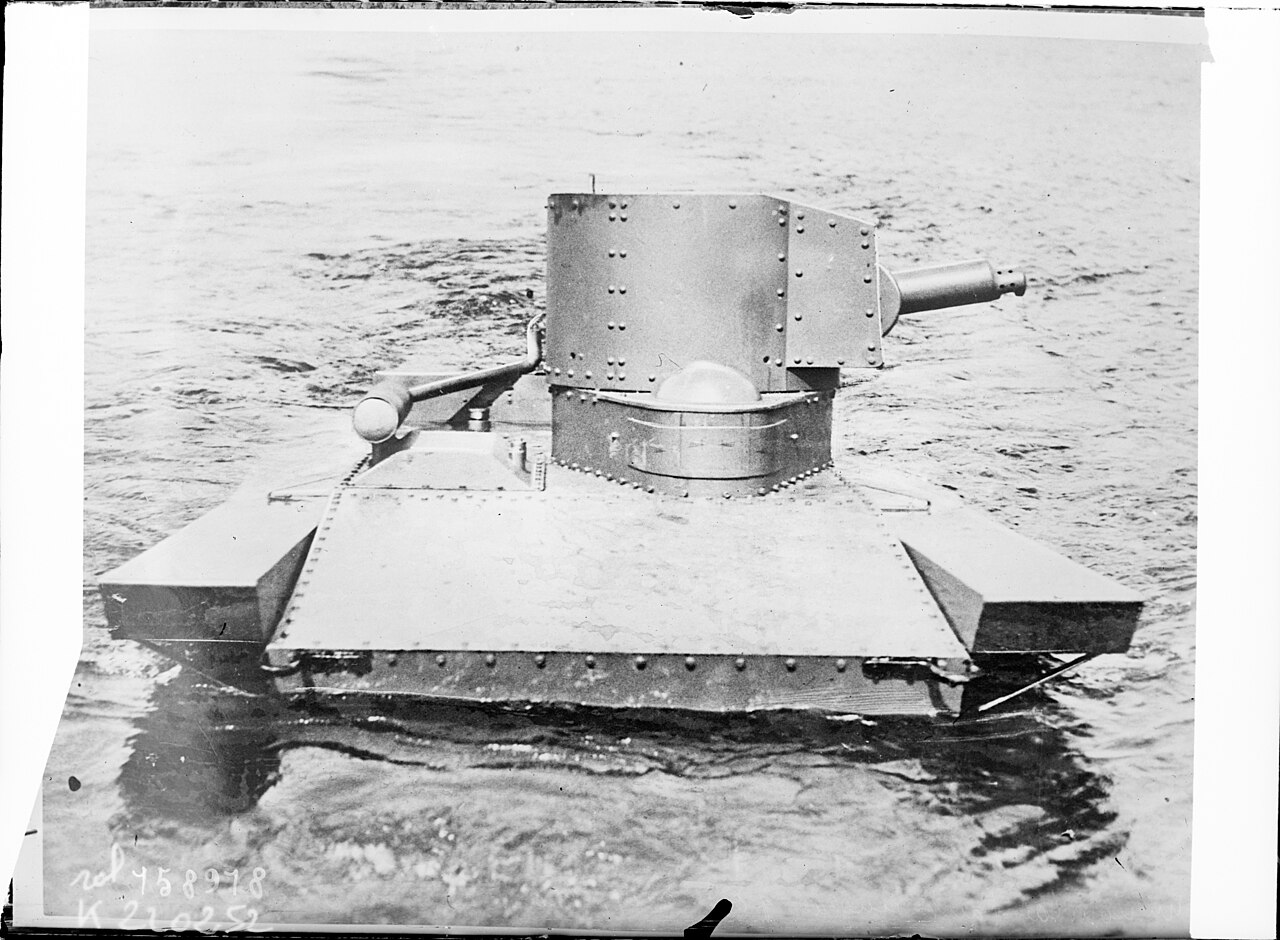
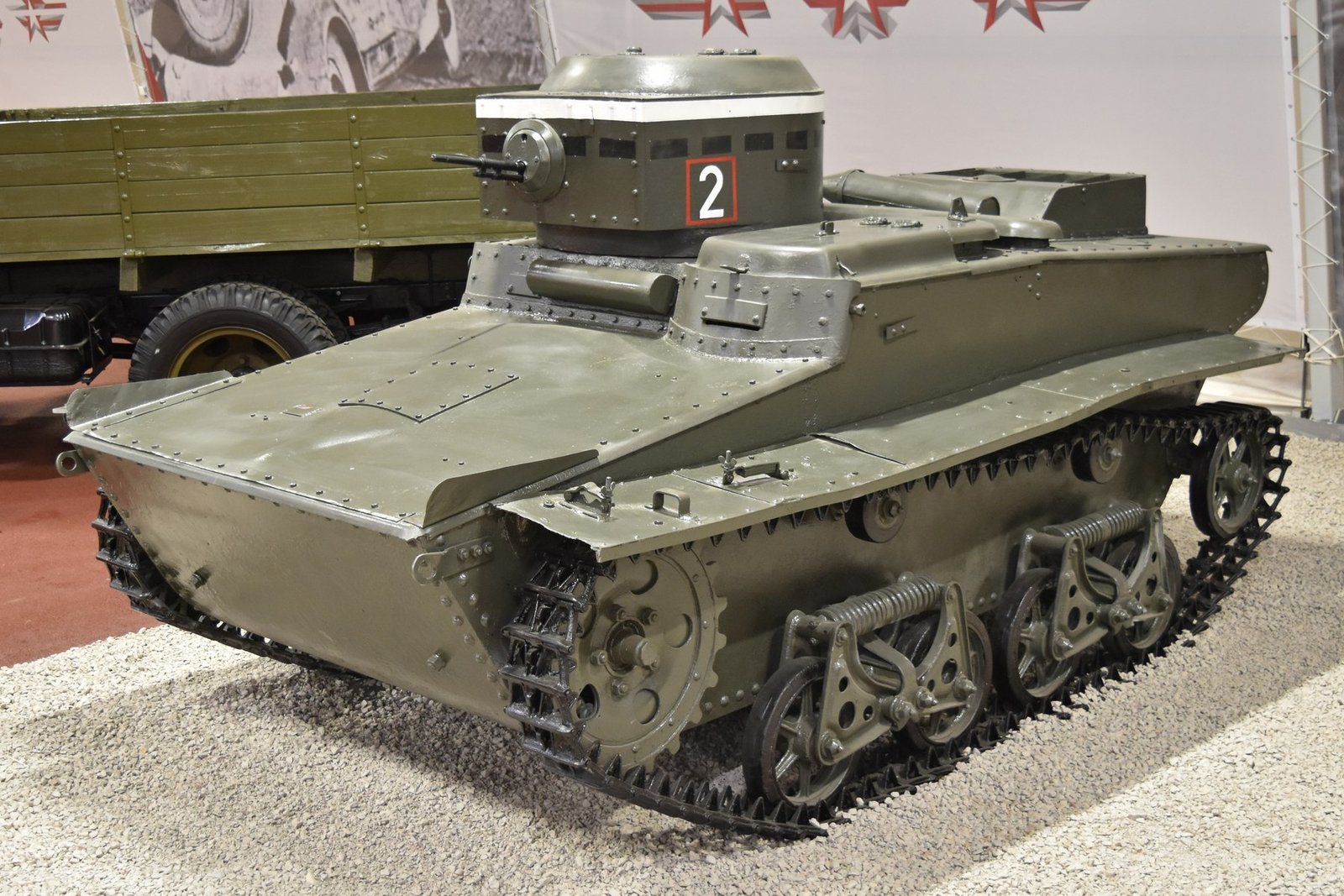
Read the profileThe Vickers-Carden-Loyd Amphibious Tank attempted to give a very small tracked armored vehicle the ability to cross water without relying entirely on bridges or external ferries.
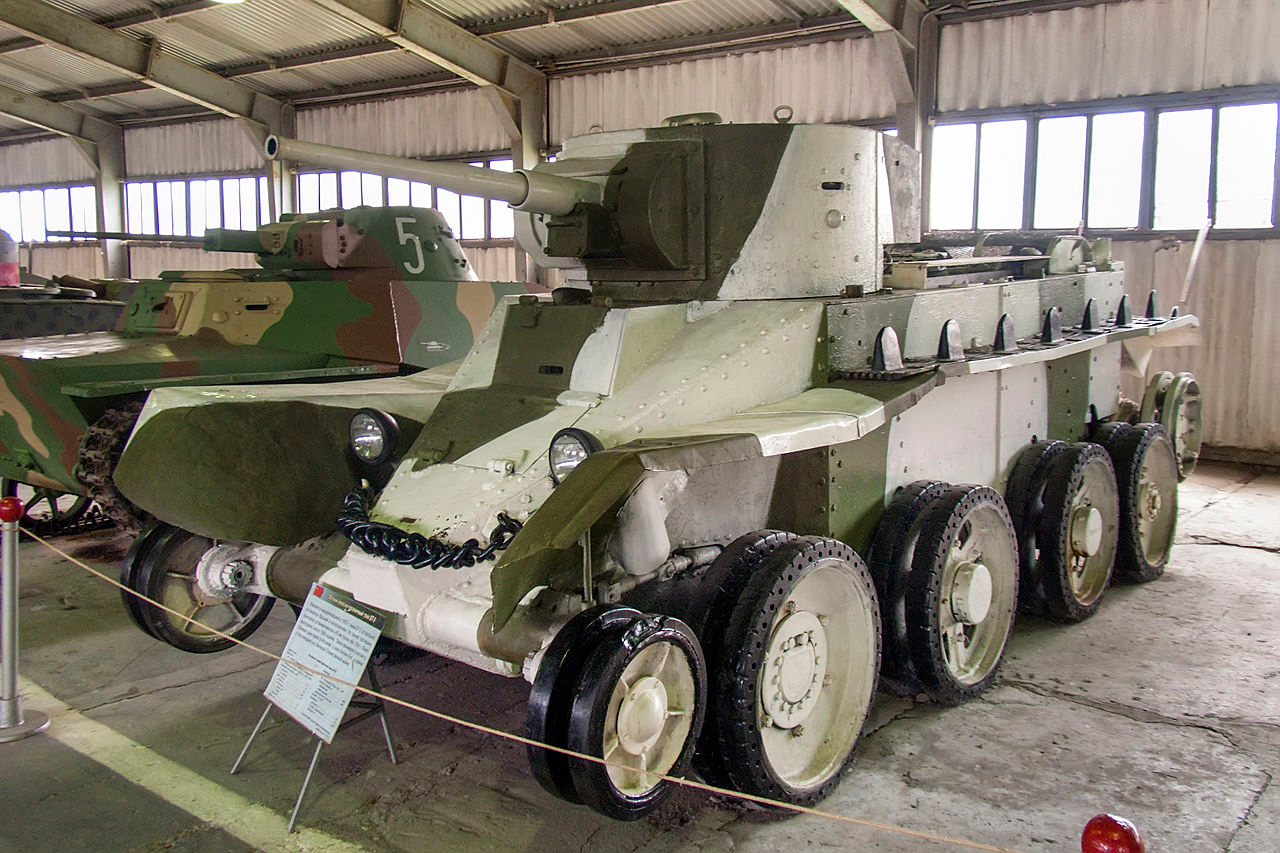
Read the profileThe BT family placed high mobility at the center of a Soviet tank program derived from Christie's convertible-drive concept.
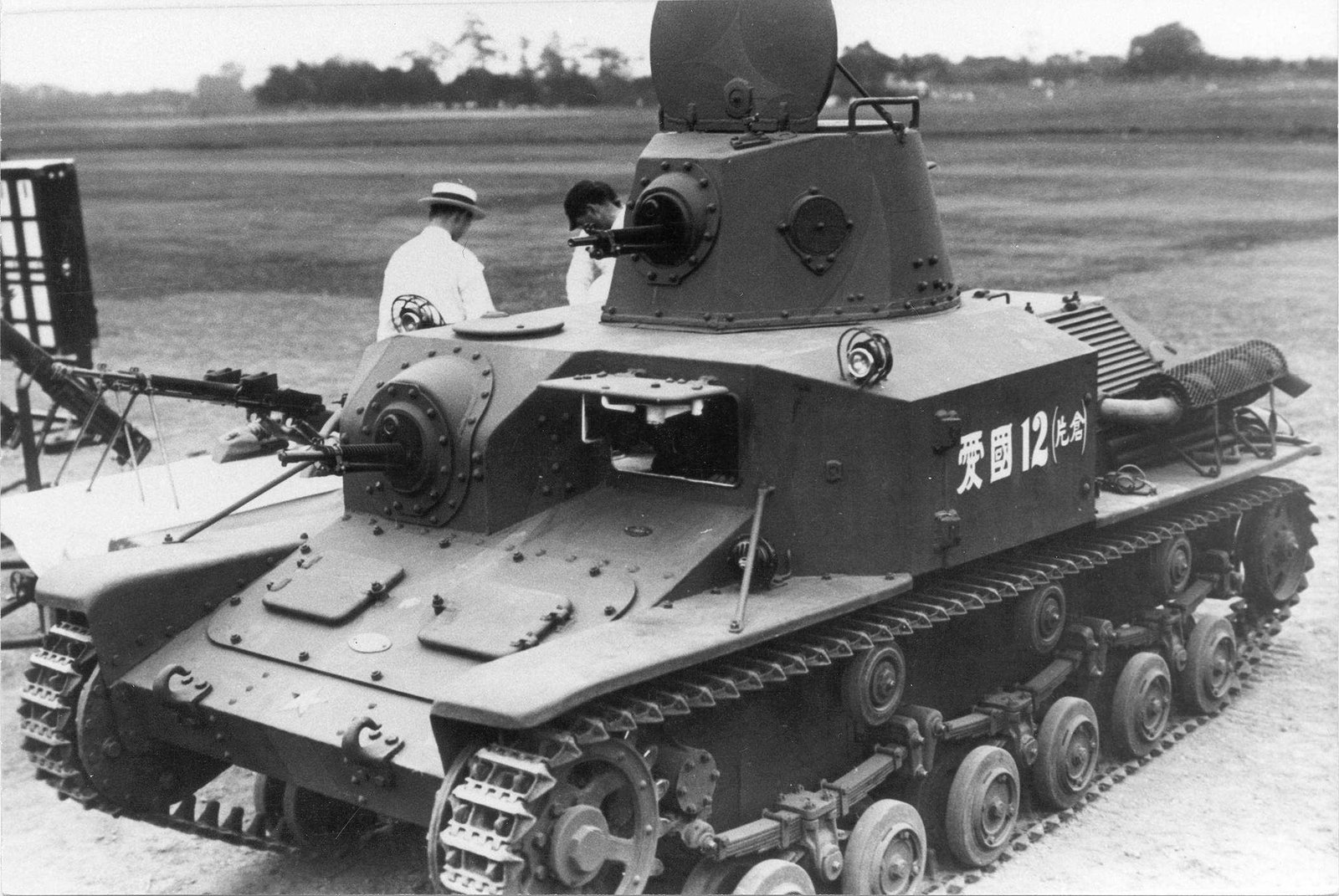
Read the profileThe Type 92 Jyu-Sokosha was a small tracked vehicle developed for Japanese cavalry requirements.
Read the profilePoland's Vickers Mark E tanks were a small imported fleet whose history changed substantially after delivery.
Read the profileThe CV 33, CV 35 and later L3 configurations formed a large family of small Italian tracked armored vehicles.
Read the profileThe Landsverk L-100 and L-120 were small Swedish light-tank projects whose history is much larger in the literature than the number of vehicles actually built.
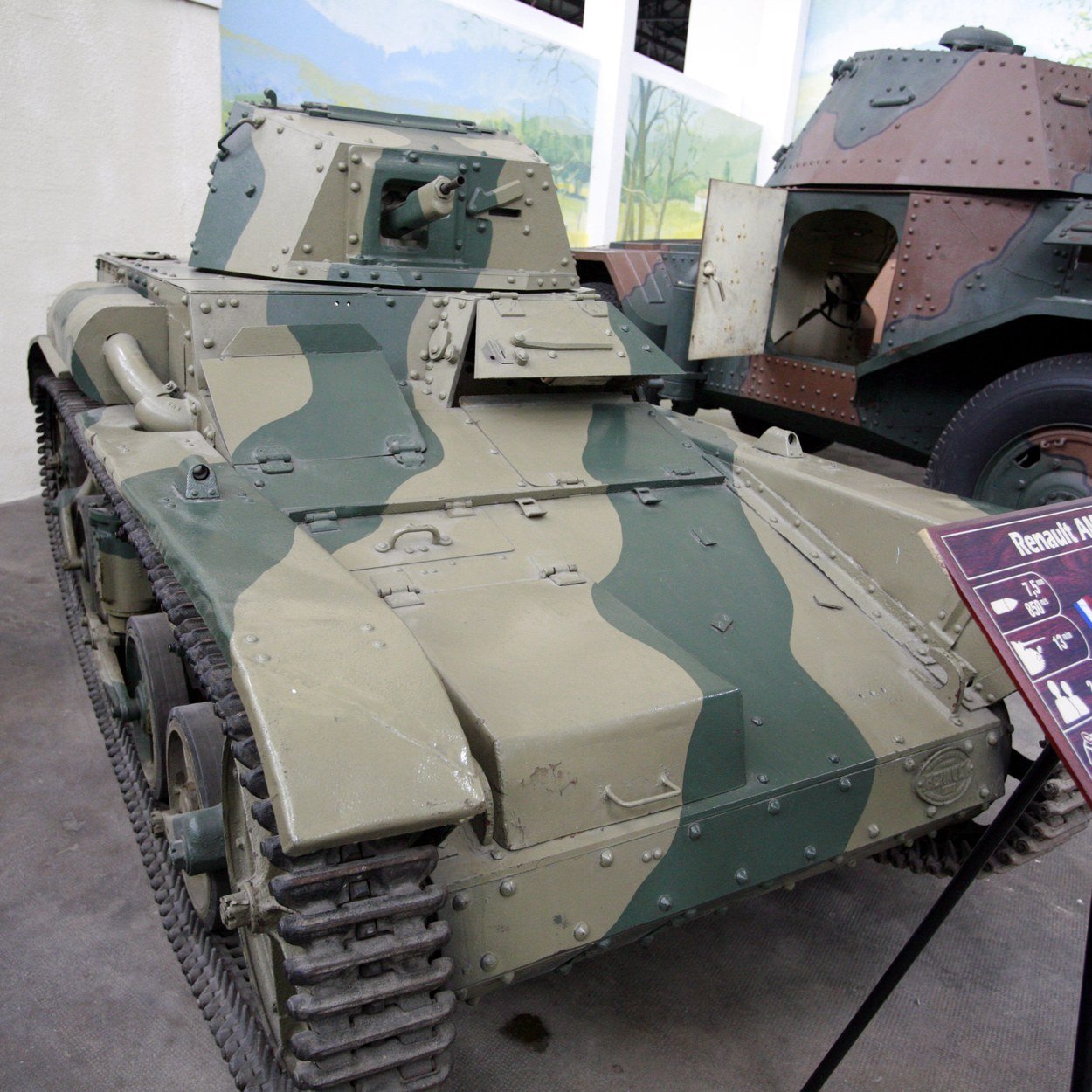
Read the profileThe Renault AMR 33 was a small tracked reconnaissance vehicle developed for French cavalry formations.
Read the profileThe T-28 was a Soviet medium tank designed to reinforce attacks against defended positions.
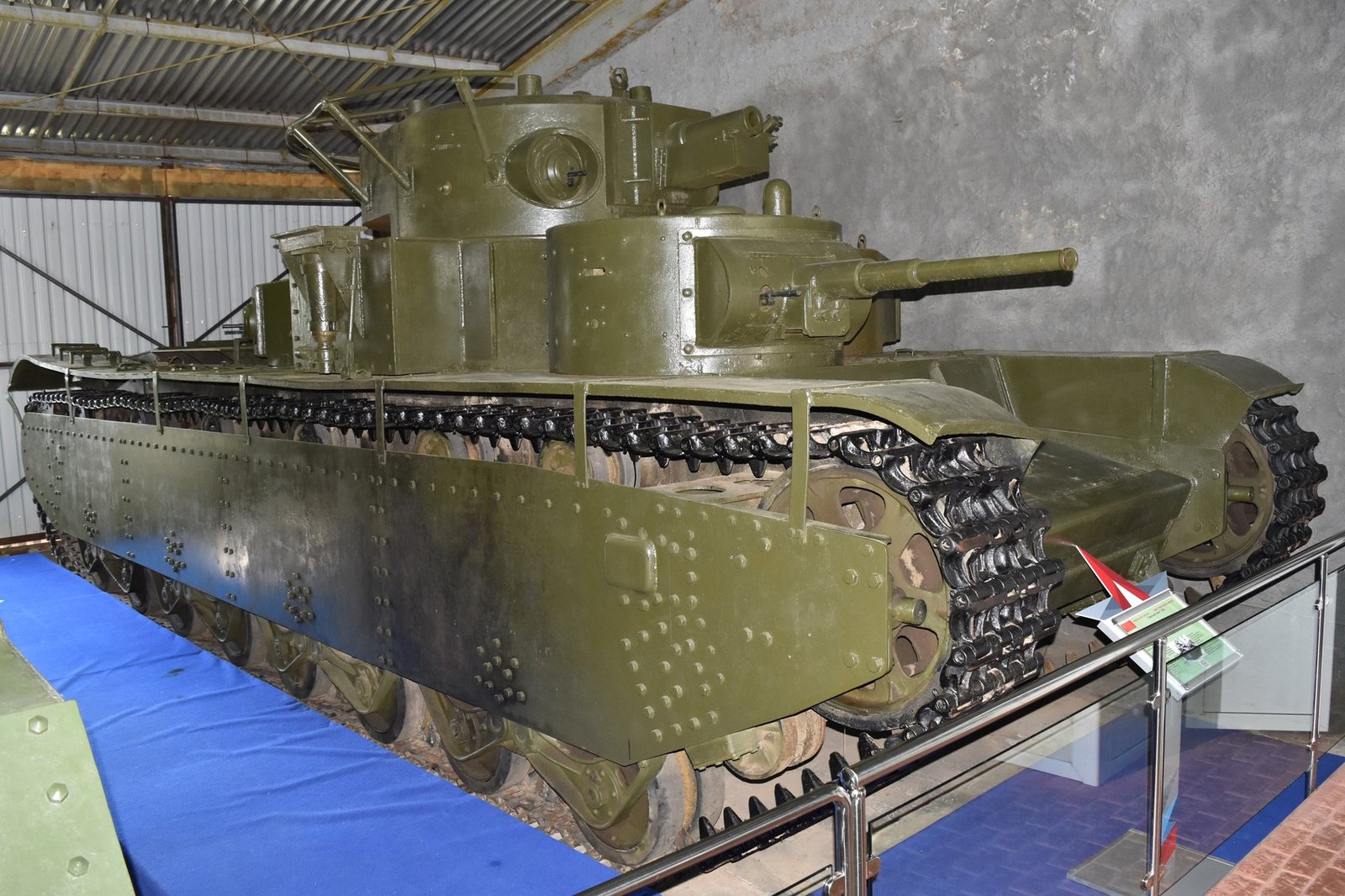
Read the profileThe T-35 was a Soviet heavy breakthrough tank organized around five turrets. A central turret carried the 76.2 mm weapon; two other turrets carried 45 mm guns, and smaller positions added machine-gun fire.
Read the profileThe T-37A was a small Soviet amphibious tank intended for reconnaissance, liaison and movement across water obstacles.
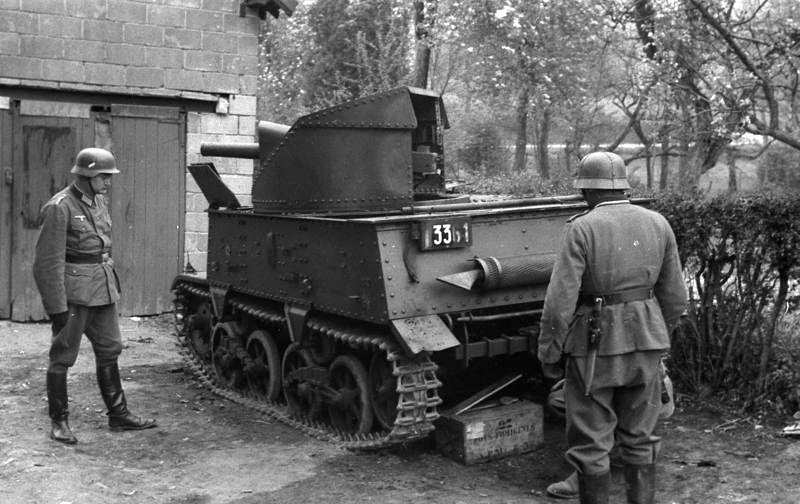
Read the profileThe Tančík vz.33 was a small Czechoslovak armored vehicle developed by ČKD from experience with the Carden-Loyd tankette.
Read the profileThe LT vz.34, developed by ČKD as the Praga P-II, was an early Czechoslovak light tank with a rotating turret and a three-man crew.
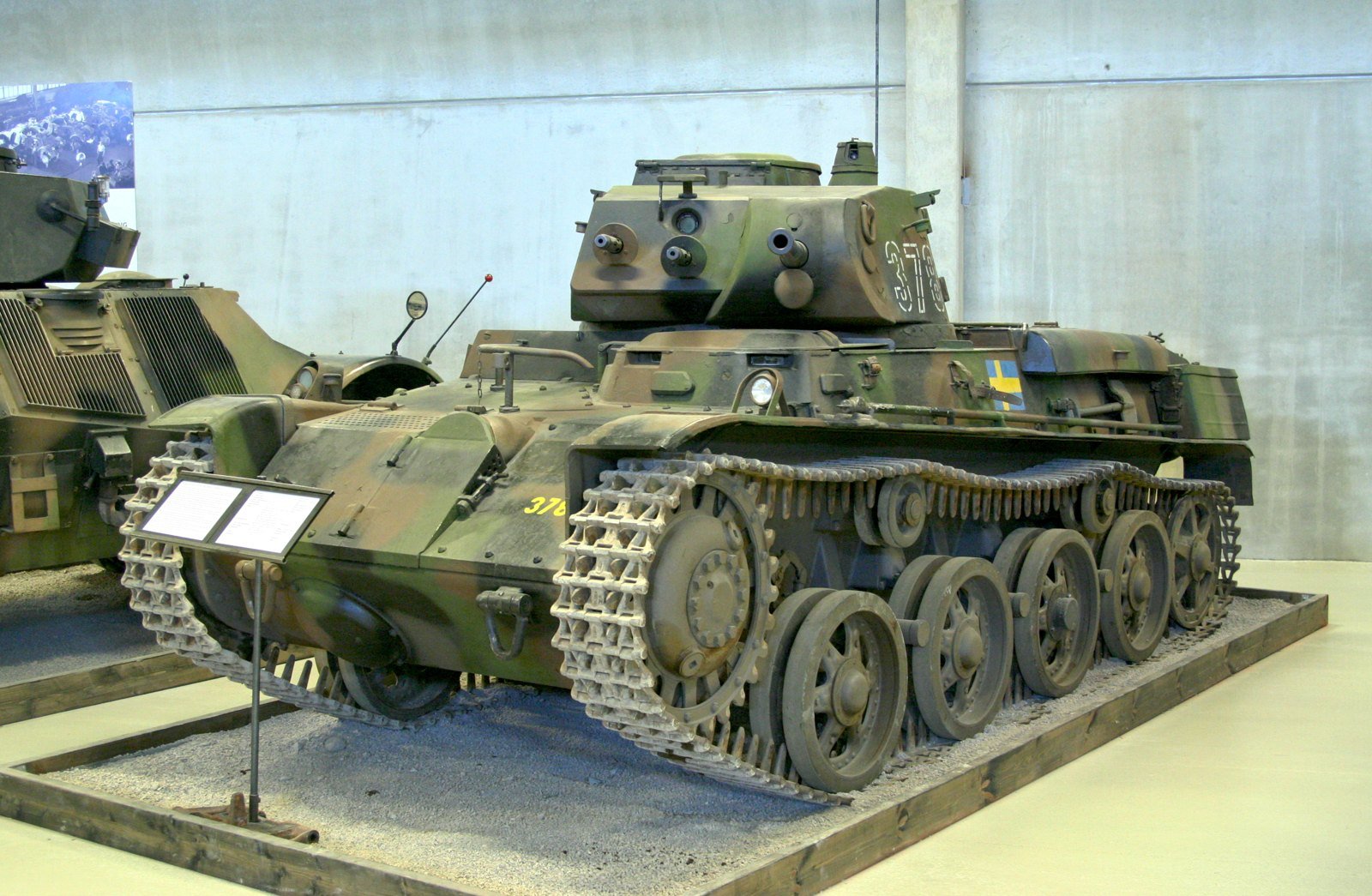
Read the profileThe Landsverk L-60 began as a Swedish light-tank design intended for an international market and became the basis of the Swedish Strv m/38, m/39, m/40L and m/40K.
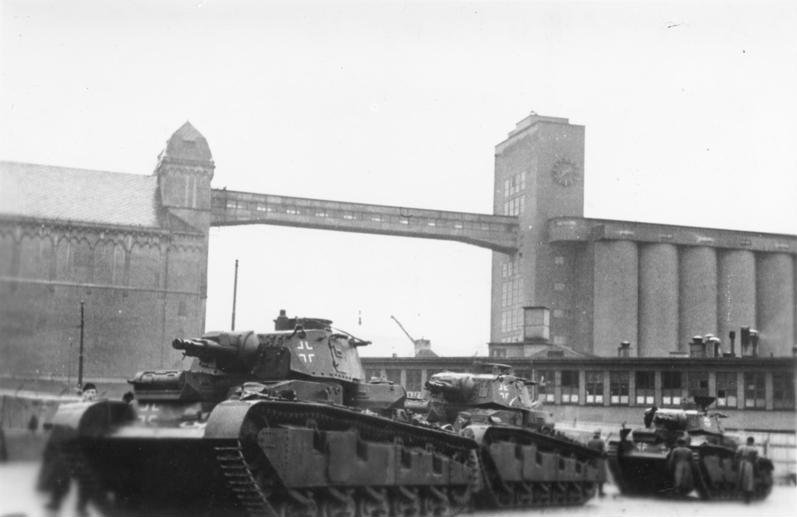
Read the profileThe Neubaufahrzeug was a German multi-turret experiment combining two main guns with smaller machine-gun turrets.
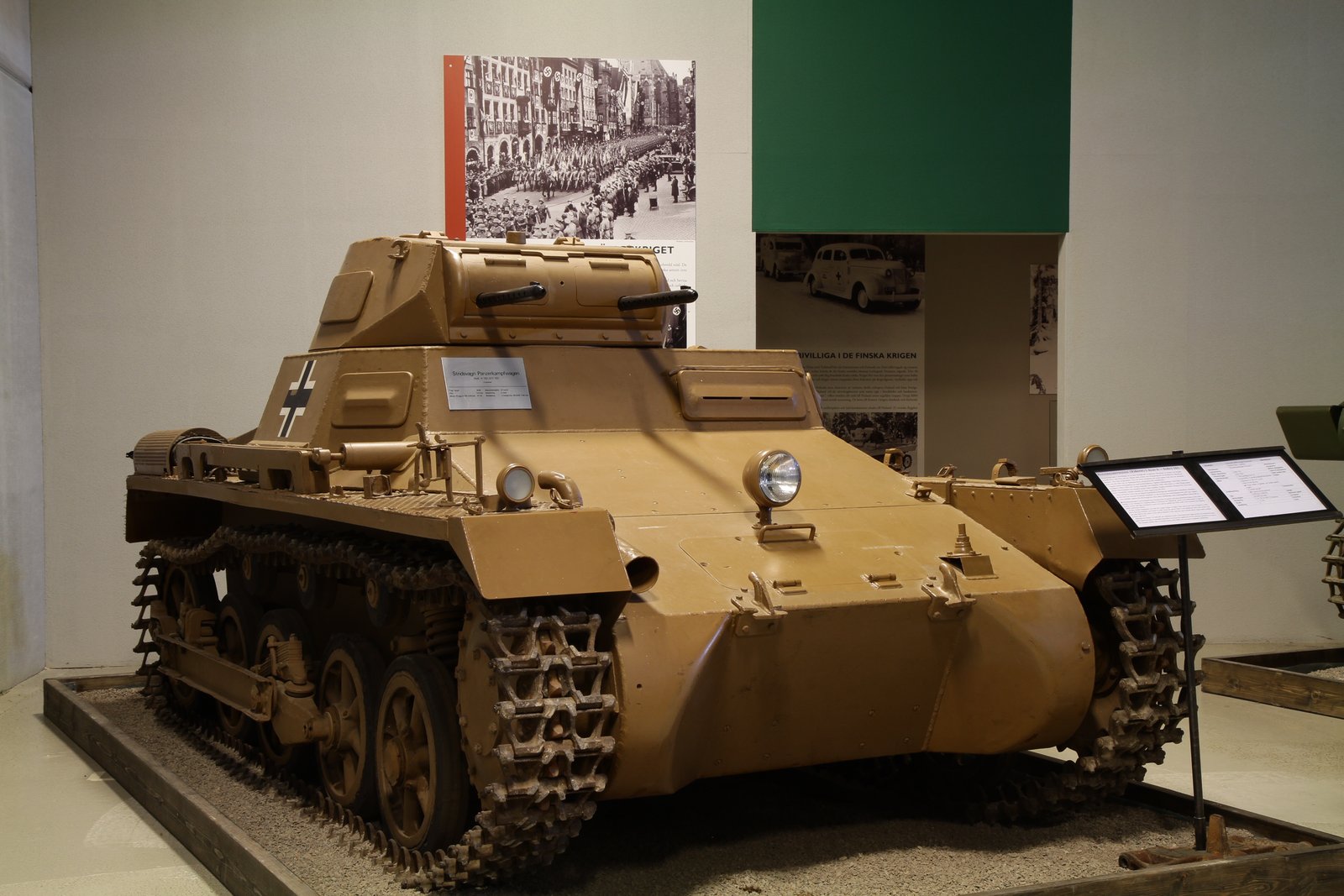
Read the profileThe Panzerkampfwagen I was central to the rebuilding of German armored forces despite its limited fighting power.
Read the profileThe Renault AMC 34 was a small-series French cavalry combat vehicle whose limited production sits between experimental cavalry mechanization and the later AMC35 program.
Read the profileBelgium’s T-13 combined a tracked chassis with a 47 mm antitank gun to create a mobile defensive weapon. It belongs in a comprehensive armored-vehicle reference, but its role and construction differ from those of a conventional turreted battle tank.
Read the profileThe Type 94 TK was a small Japanese tracked armored vehicle intended for supply movement, reconnaissance, security, and infantry-support tasks.
Read the profileThe 7TP was a Polish light tank developed from the Vickers 6-Ton concept. Its diesel engine, revised hull arrangements, and eventual Bofors gun turret made it a distinct Polish development rather than an unchanged imported design.
Read the profileThe AH-IV was a ČKD-Praga export tankette family whose customers required meaningfully different configurations.
Read the profileThe Hotchkiss light-tank family combined a compact two-man layout with substantial cast protection for its size.
Read the profileThe LT vz.35 family connects an original Czechoslovak light tank with German Panzer35(t) service, Romanian R-2 production, and the Bulgarian T-11 branch.
Read the profileThe M1 Combat Car was a fully tracked, turreted armored vehicle developed for the United States Cavalry during the interwar period.
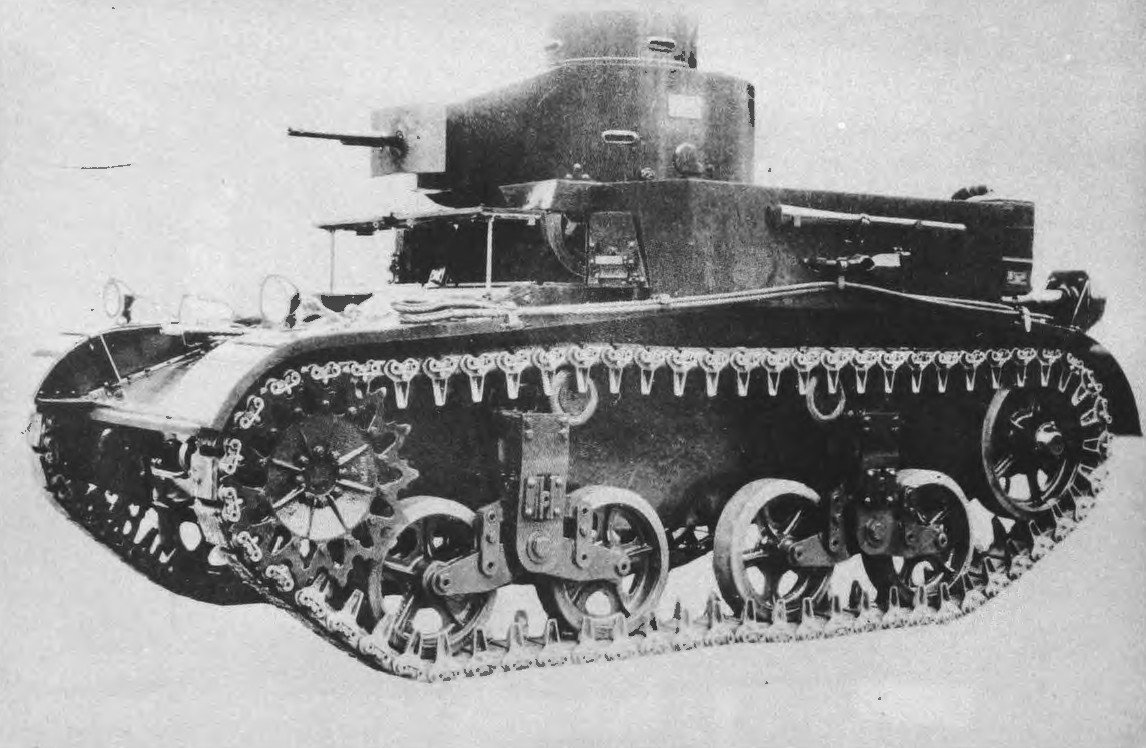
Read the profileThe M2 Light Tank family records the United States Infantry's movement from small machine-gun tanks toward a cannon-armed light tank immediately before the Second World War.
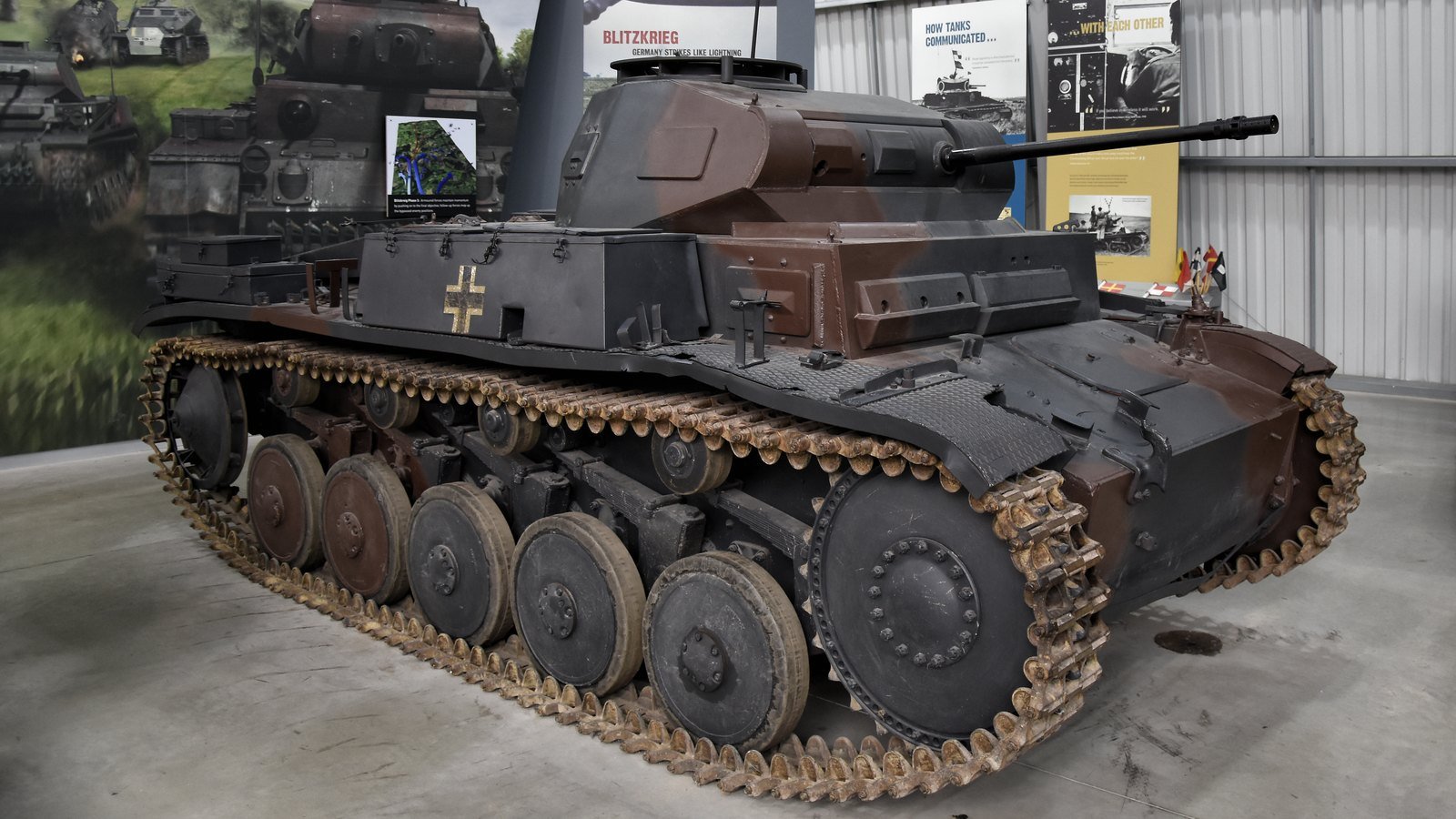
Read the profileThe Panzer II was developed as an interim German light tank while more powerful types were being prepared.
Read the profileThe AMC 35, also known as Renault ACG1, was developed for the French Cavalry's combat-tank role.
Read the profileThe Renault AMR 35 was a small armored reconnaissance vehicle developed for the French Cavalry.
Read the profileThe Renault R35 family grew from the French infantry requirement to replace the Renault FT with a more modern protected vehicle.
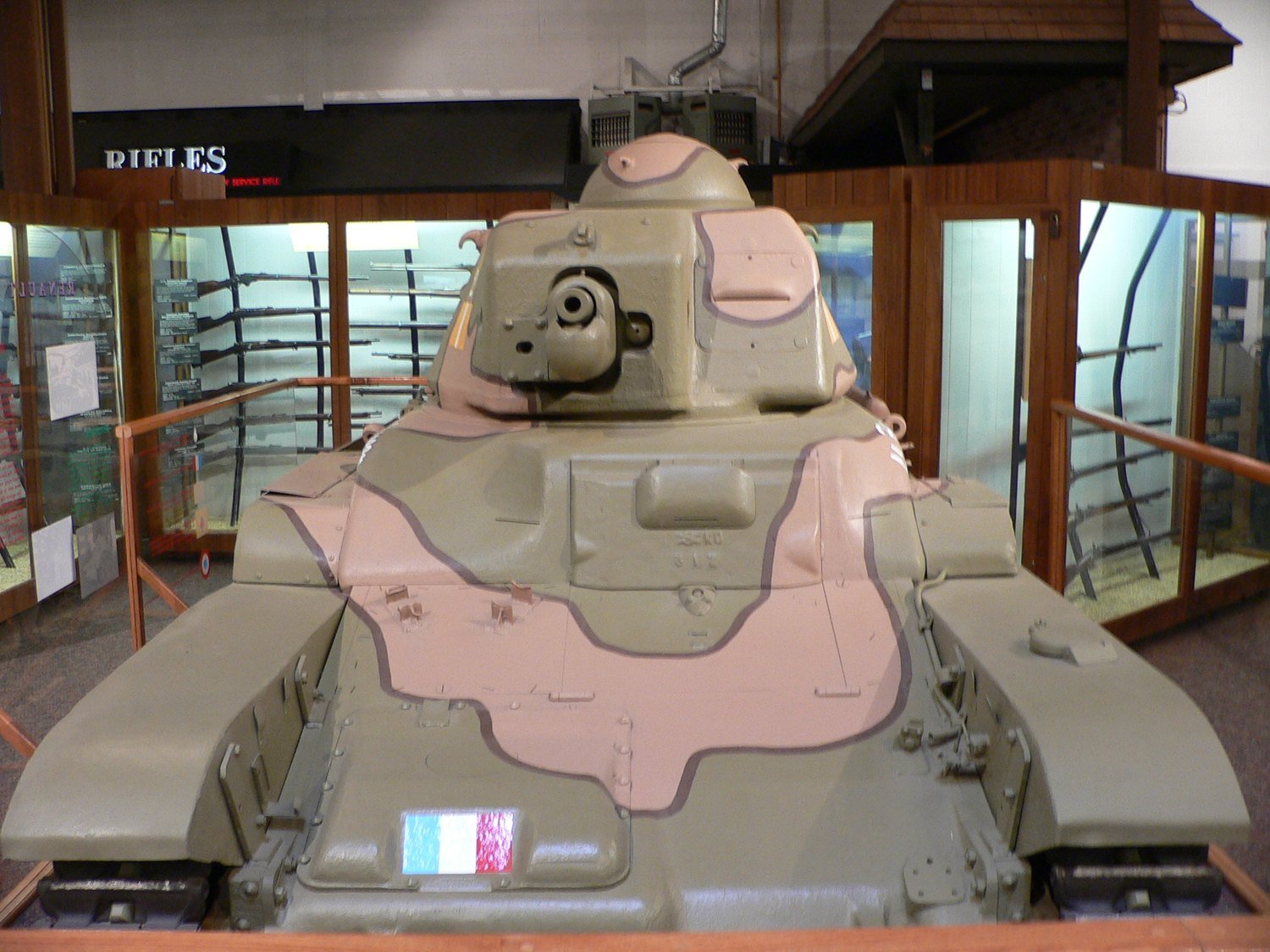
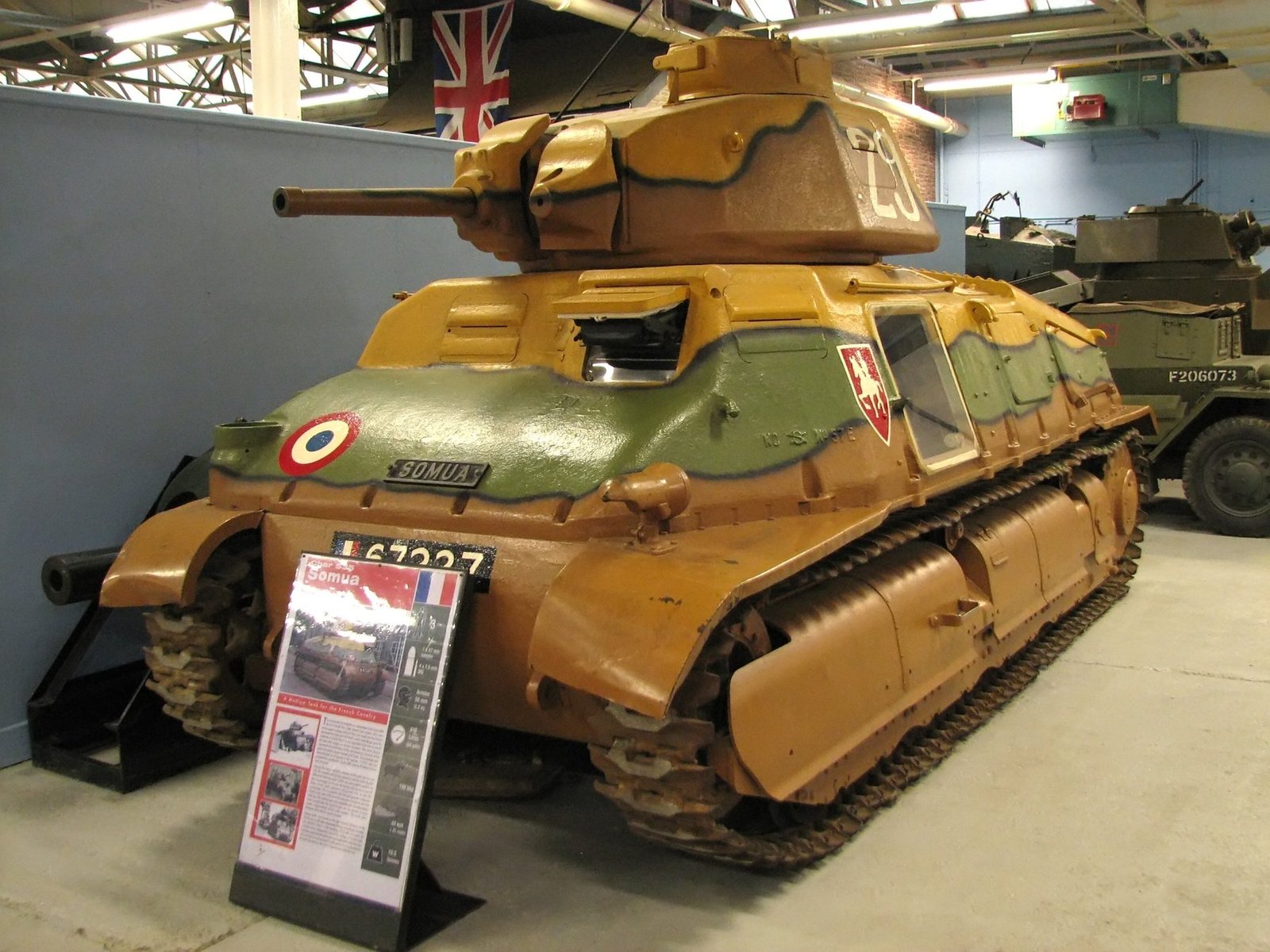
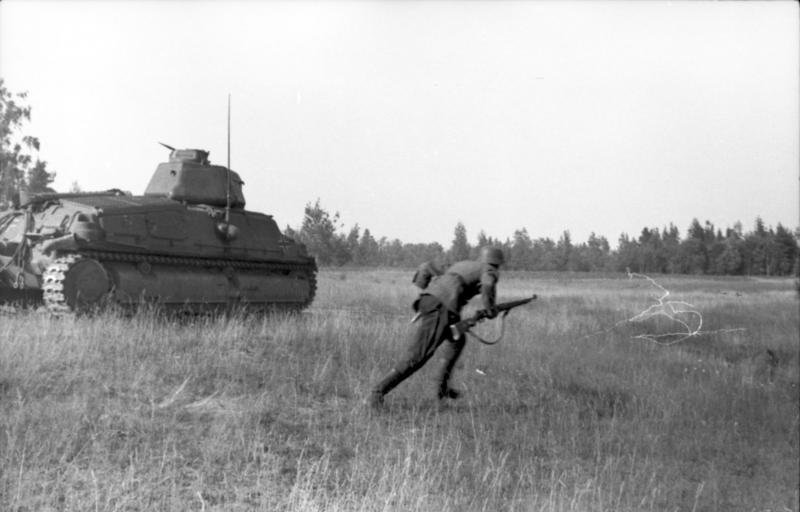
Read the profileThe SOMUA S35 was developed for the French cavalry's mechanized formations. Its purpose combined protection, a useful anti-tank gun, and greater mobility than the slow infantry-support tanks.
Read the profileThe T-15 was a small reconnaissance tank supplied to Belgium through Vickers and adapted to Belgian requirements.
Read the profileThe Type 95 Ha-Go was a Japanese light tank intended to provide a mobile armored vehicle for the Army's developing mechanized force.
Read the profileThe Char G1 was a French infantry-tank program pursued through competing industrial proposals.
Read the profileThe Cruiser Tank Mk I, commonly called A9, was an early British production cruiser intended to combine mobility and anti-tank firepower at a price compatible with interwar budgets.
Read the profileThe FCM 36 was a French light infantry tank whose welded, sloping armor and diesel engine distinguished it from several contemporary French designs.
Read the profileThe Light Tank Mk VI was the final major development of the interwar Vickers light-tank line in British service.
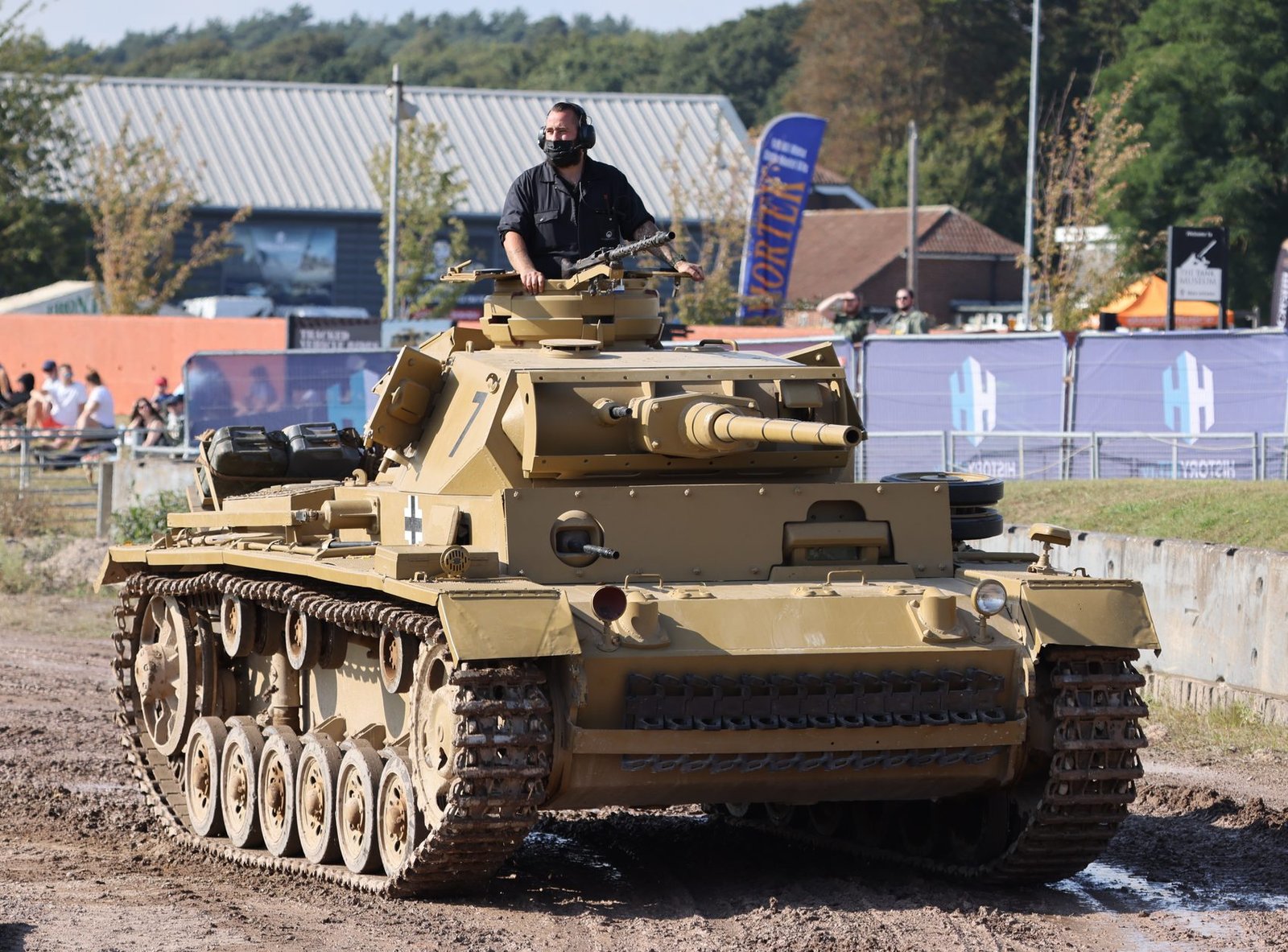
Read the profileThe Panzerkampfwagen III was developed as a central gun tank for German armored formations.
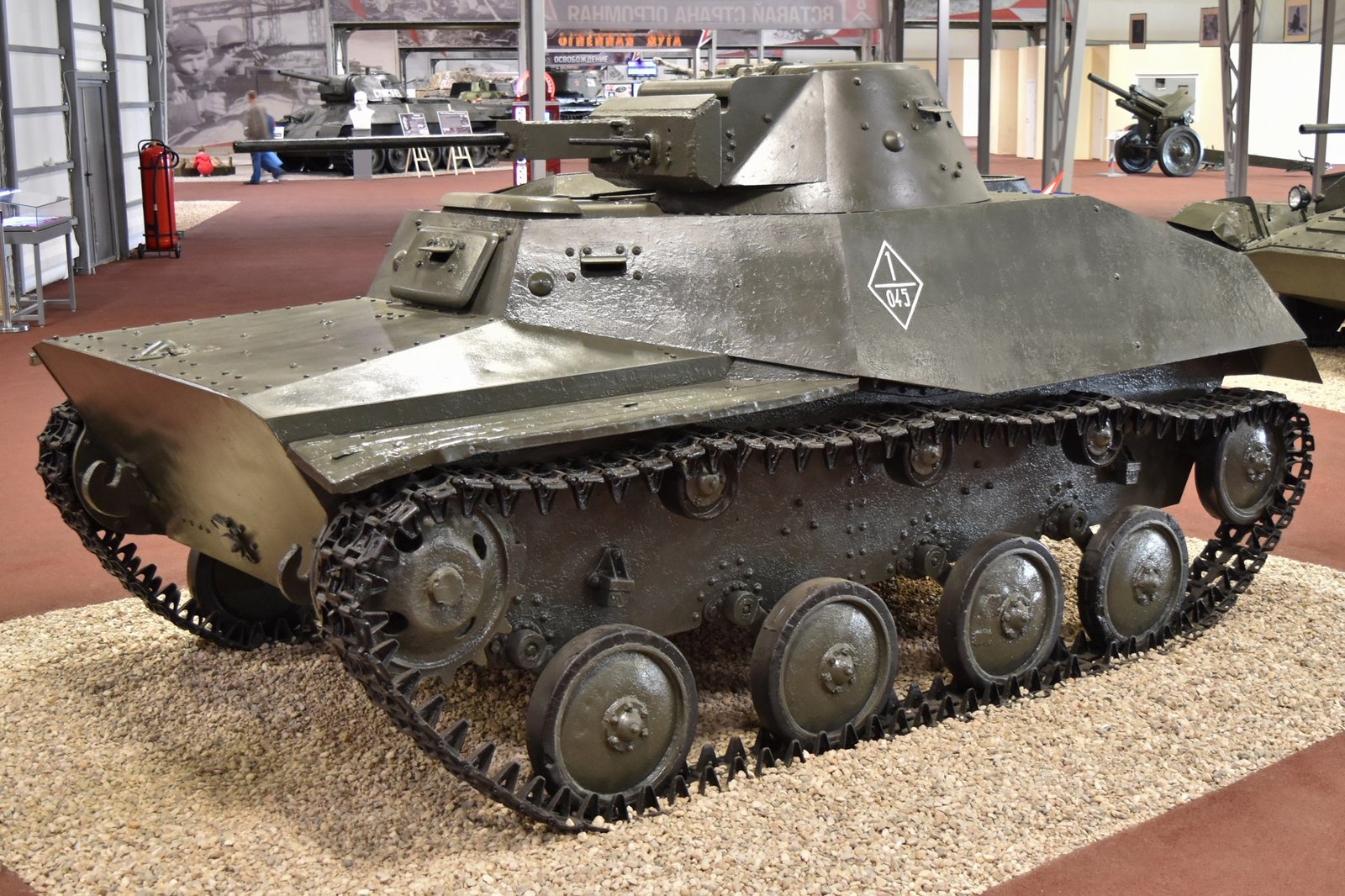
Read the profileThe T-38 was a Soviet amphibious reconnaissance tank developed from experience with the T-37A.
Read the profileThe 4TP, also known by the factory designation PZInż 140, was a Polish attempt to replace the limitations of the tankette with a small turreted reconnaissance tank.
Read the profileThe A10, standardized as the Cruiser Tank Mk II, developed from the A9 but exchanged its two small forward machine-gun turrets for a more conventional protected hull front and thicker armor.
Read the profileThe A11 Matilda I was a small British infantry tank designed around unusually heavy protection for a two-man vehicle.
Read the profileThe A12 Matilda II was a heavily protected British infantry tank with a turret-mounted 2-pounder gun and a four-man crew.
Read the profileThe PZInż 130 was a Polish amphibious reconnaissance prototype intended to move across both land and inland water obstacles.
Read the profileThe Panzerkampfwagen IV began as a support tank and became one of the principal German tanks of the Second World War.
Read the profileThe ST vz.39 / V-8-H belongs to the group of late-1930s Czechoslovak tank designs whose development was overtaken by political events.
Read the profileThe Strv m/37 was Sweden’s tailored version of the Czechoslovak AH-IV tankette. The vehicle is described as a very light, two-man tracked fighting vehicle acquired to strengthen Swedish mechanization in the late 1930s.
Read the profileThe Type 97 Te-Ke was a small Japanese tracked vehicle intended for reconnaissance, liaison and light support.
Read the profileThe Škoda S-I-d, known in Yugoslav service as the T-32, was a small fixed-casemate vehicle built around a 37 mm gun and a machine gun.
Read the profileThe 10TP was Poland's attempt to turn the promise of a fast, Christie-influenced tank into a practical domestic fighting vehicle.
Read the profileThe vehicle conventionally called 14TP belongs to the history of unfinished Polish tank development, not to the inventory of operational tanks in 1939.
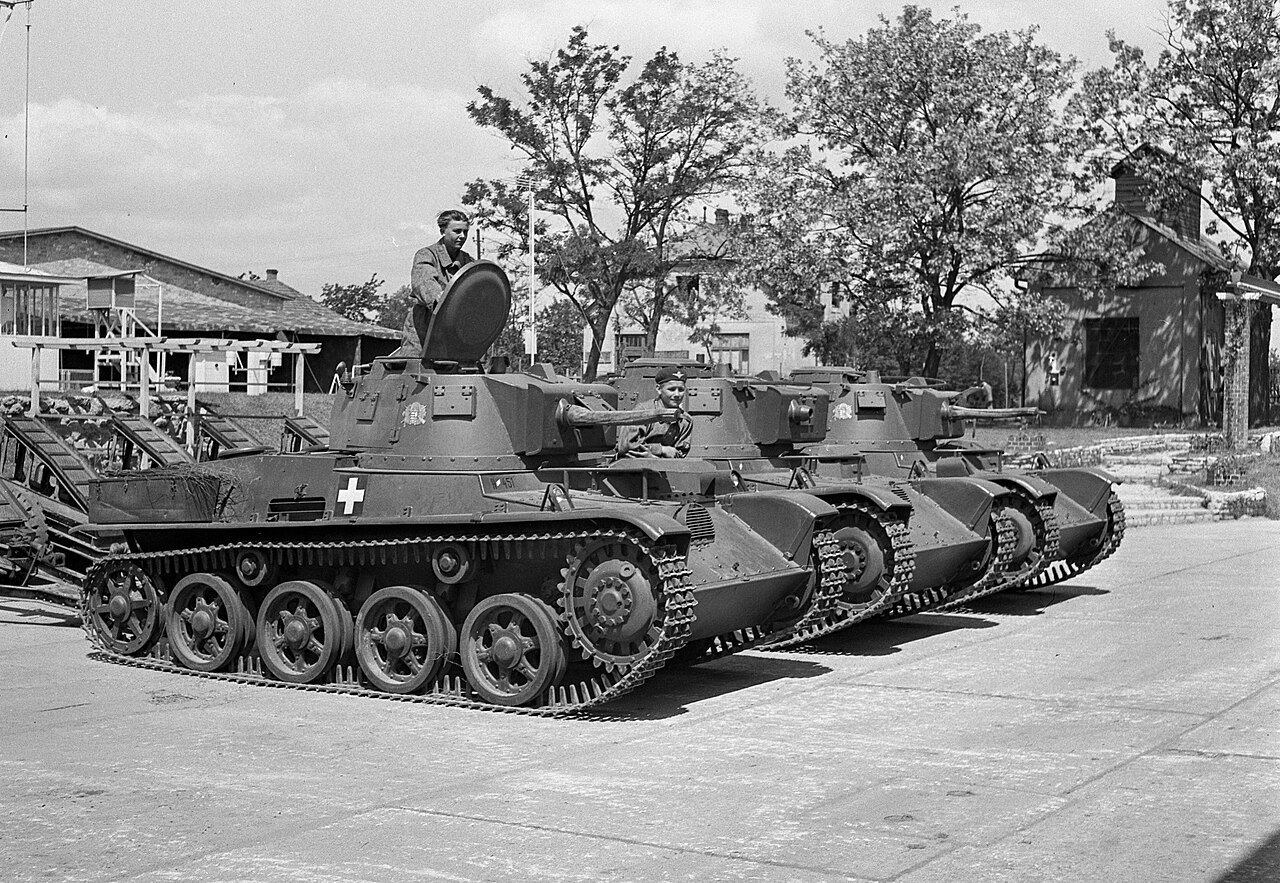
Read the profileThe Toldi family brought a modern Swedish light-tank design into Hungarian production.
Read the profileThe early A13 cruisers introduced Christie suspension into British tank production and embodied the interwar emphasis on speed in the cruiser role.
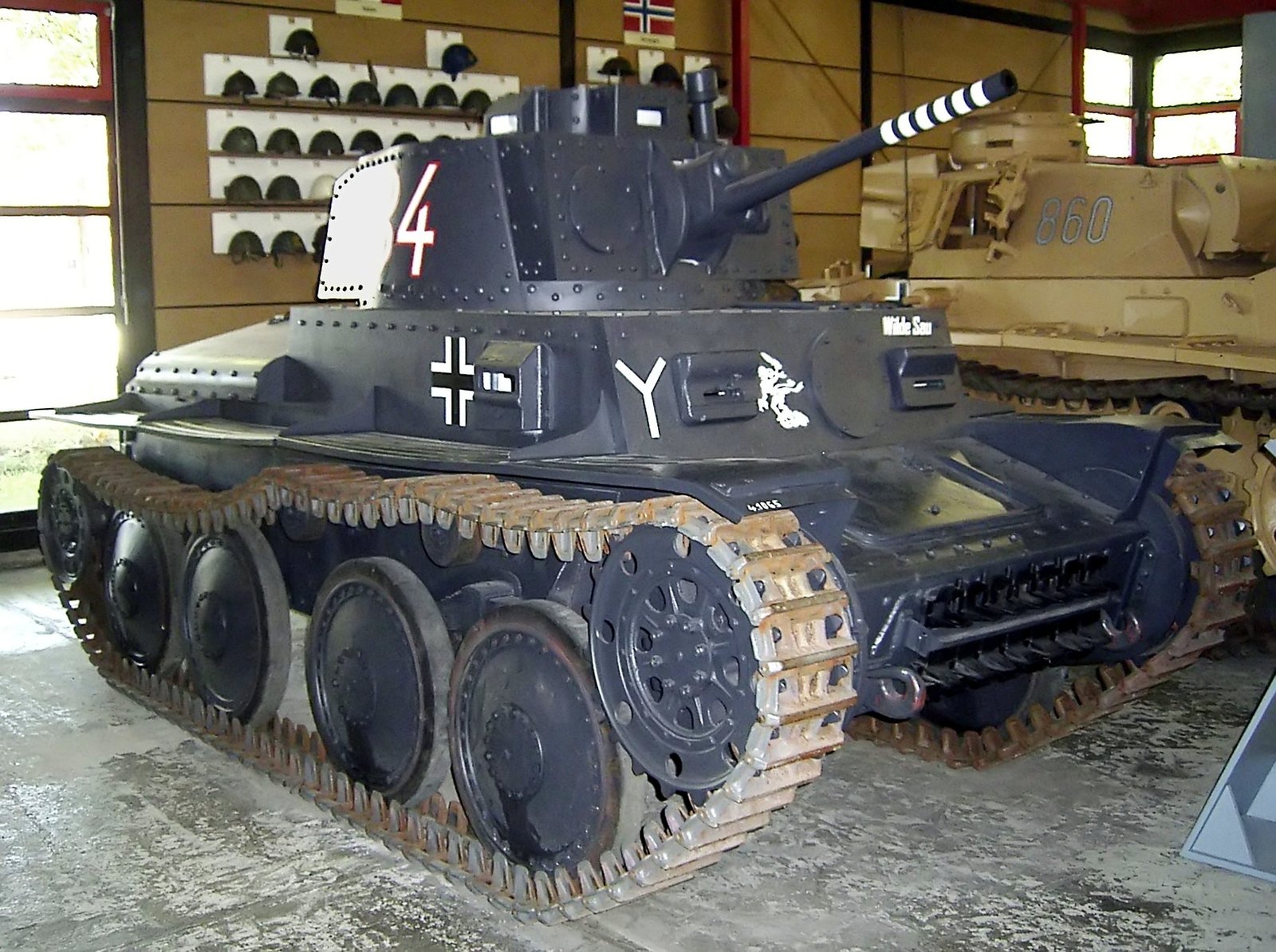
Read the profileThe LT vz.38 was a Czechoslovak design whose largest wartime service career began under German control.
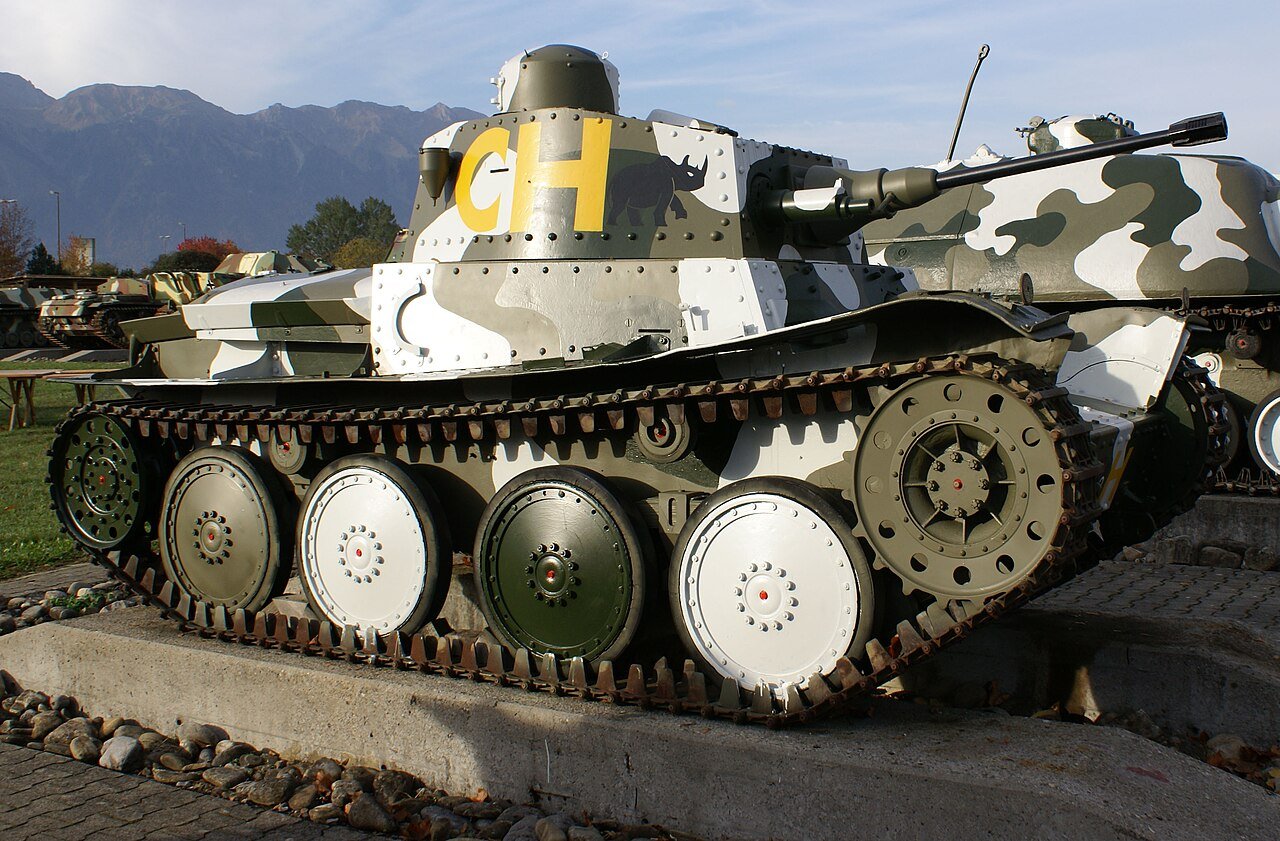
Read the profileThe Panzerwagen 39 was a small Swiss armored force’s answer to an urgent procurement problem.
Read the profileThe Type 97 Chi-Ha became an important Japanese medium tank through its combination of a diesel engine, compact dimensions and a turret-mounted gun.
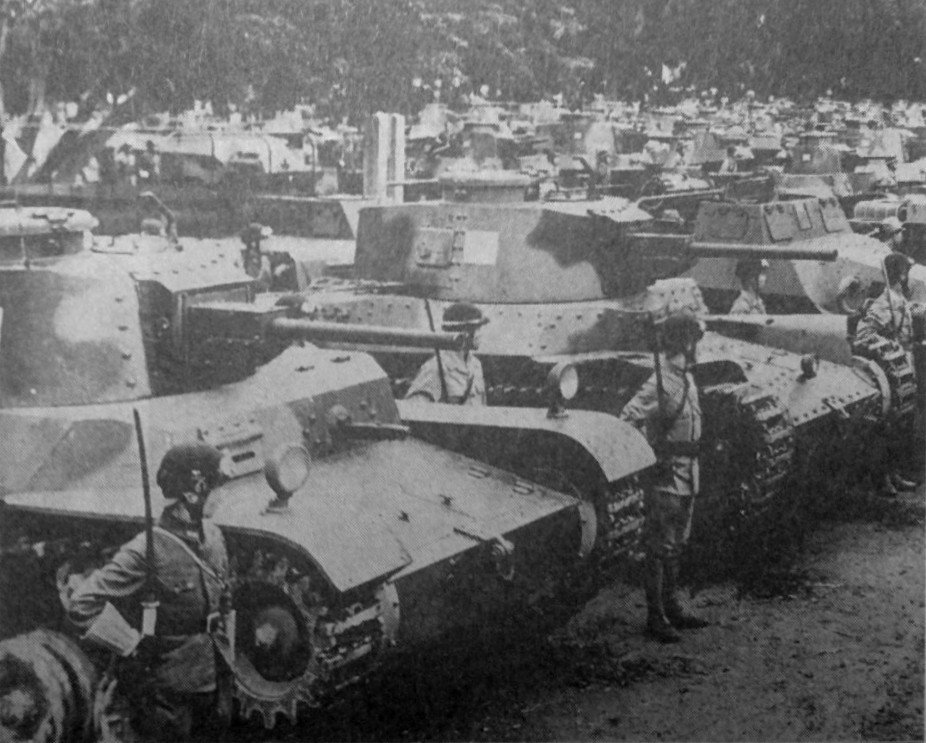
Read the profileThe Carro Armato L6/40 was Italy’s effort to move beyond machine-gun tankettes toward a small, gun-armed vehicle suited to reconnaissance and supporting roles.
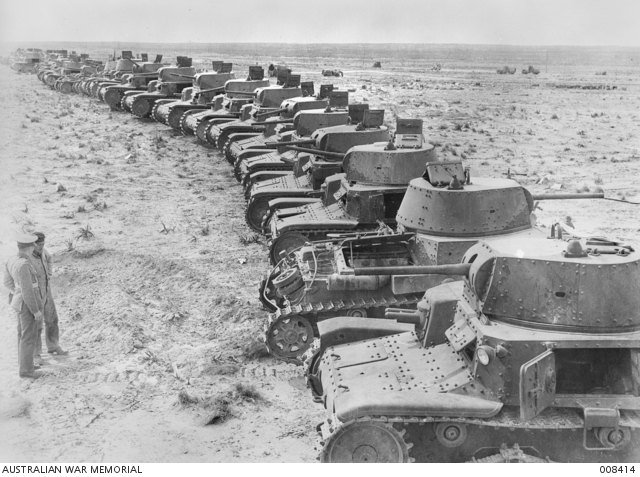
Read the profileThe M11/39 marked an important transition in Italian armored development. It was a production medium tank with a diesel engine and a cannon, but its 37 mm main gun sat in the hull while the small turret carried machine guns.
Read the profileThe KV family developed from the Soviet search for a heavily protected breakthrough tank.
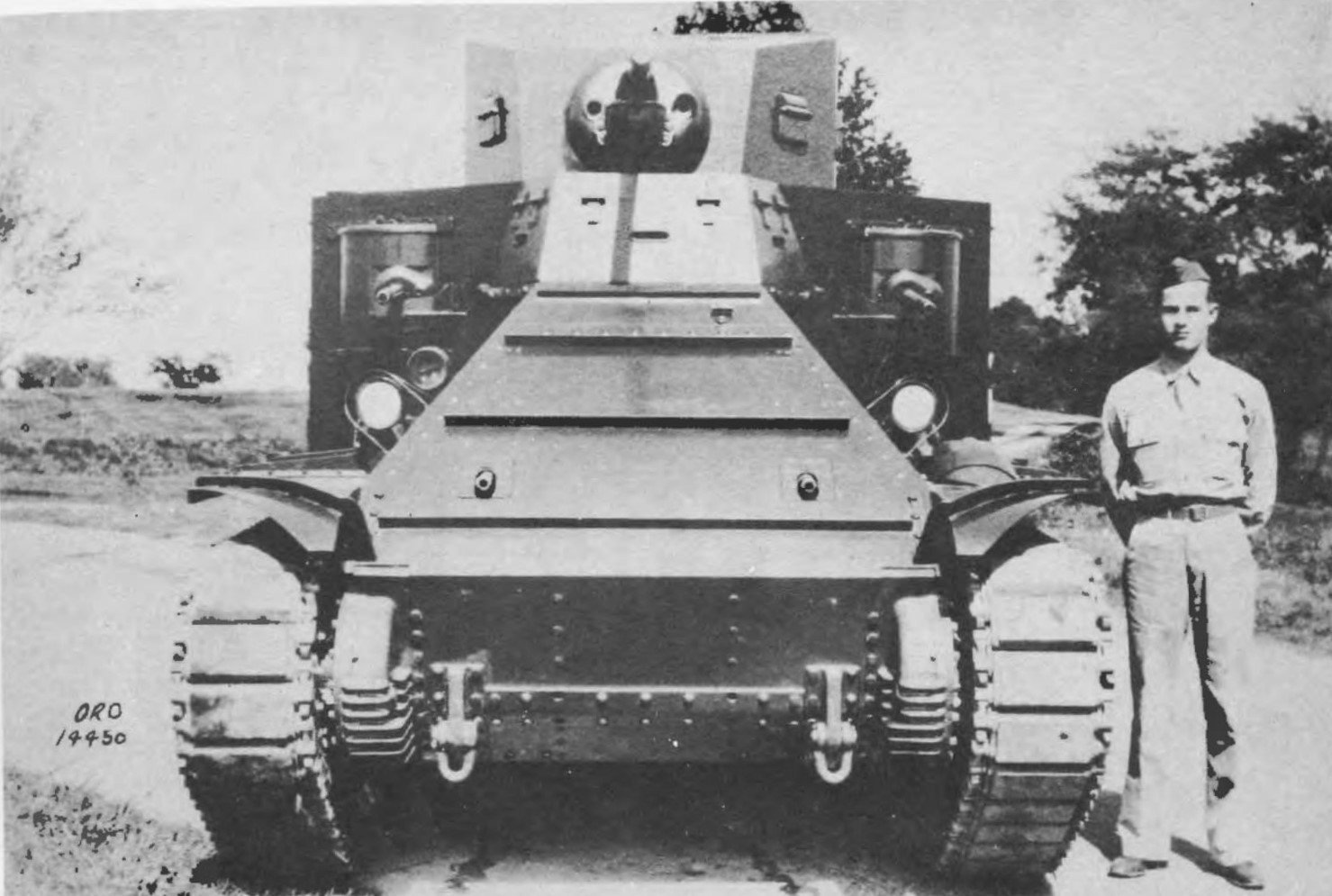
Read the profileThe M2 Medium Tank occupies an important but easily misunderstood position in American armored development.
Read the profileThe T-40 began as a small amphibious reconnaissance tank, intended to support communication, security and movement across water obstacles.
Read the profileThe Bob Semple tank was an attempt to create an armored fighting vehicle in New Zealand from machinery and industrial resources already available.
Read the profileThe Carro Armato M13/40 represented an important change in Italy's medium-tank line: the principal gun was mounted in a rotating turret rather than in the hull arrangement of the earlier M11/39.
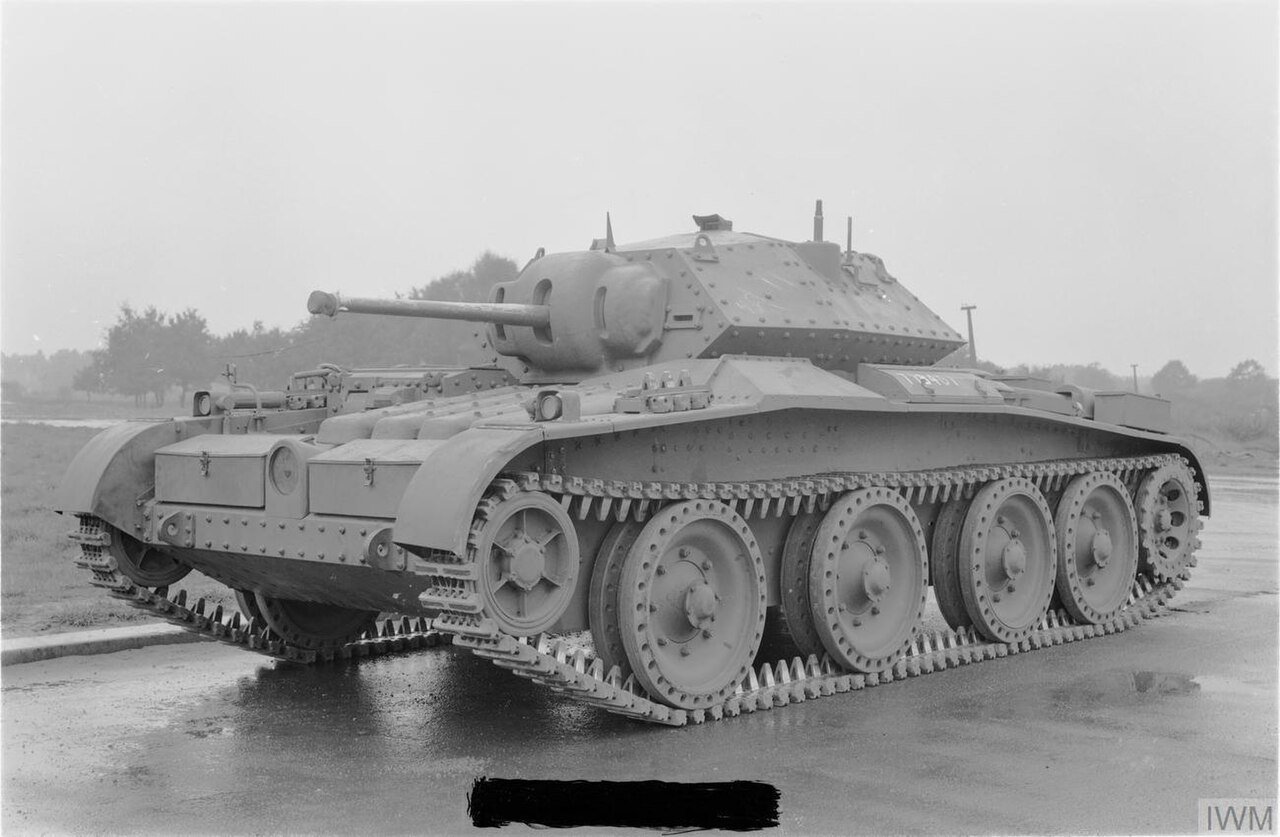
Read the profileThe Covenanter, officially Cruiser Tank Mk V or A13 Mk III, was intended to improve British cruiser-tank protection while retaining mobility and a low profile.
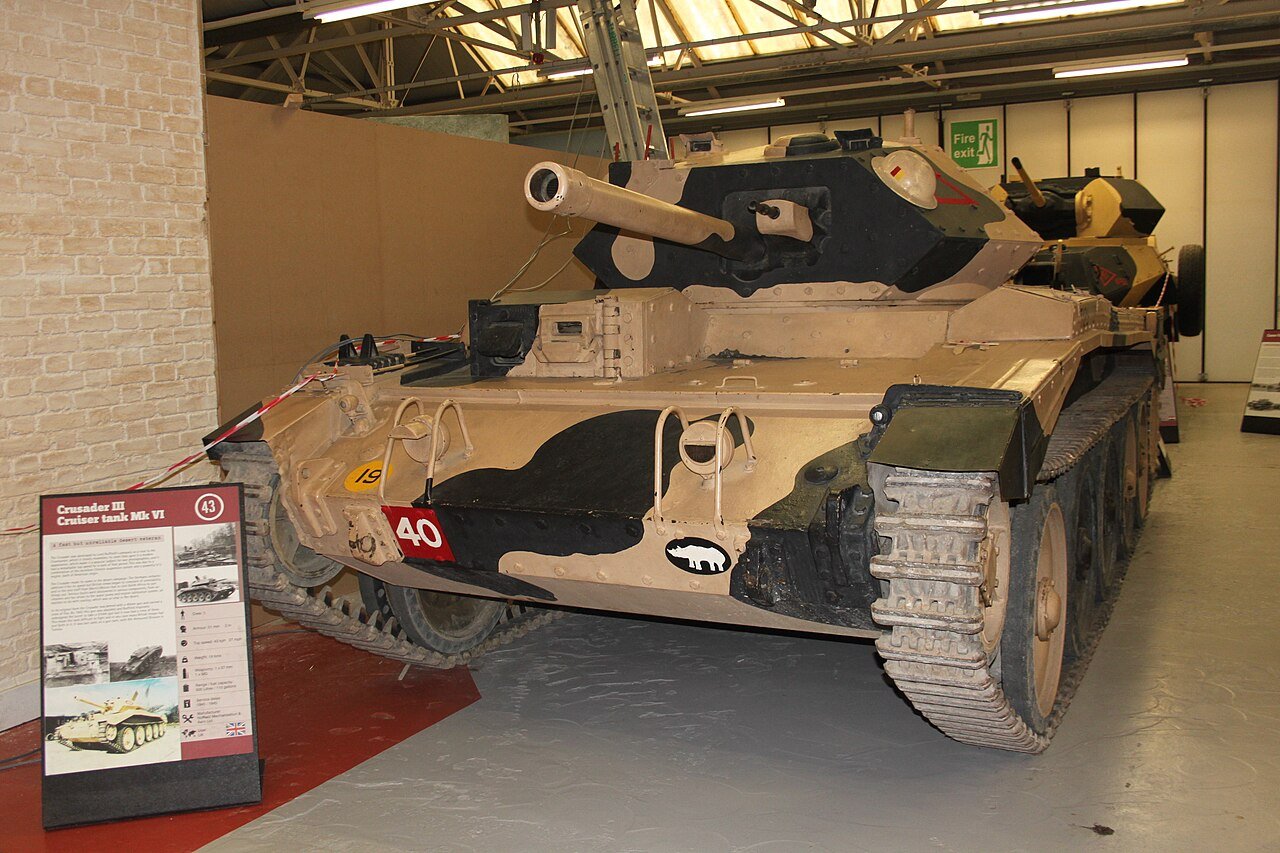
Read the profileThe Crusader was one of the principal British cruiser tanks of the North African campaign.
Read the profileGerman captured French tank designations bring together vehicles that did not share one designer, production line or mechanical ancestry.
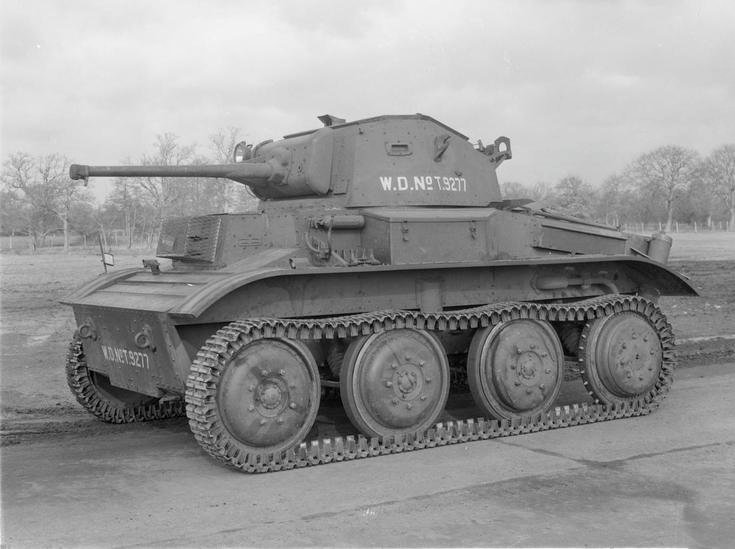
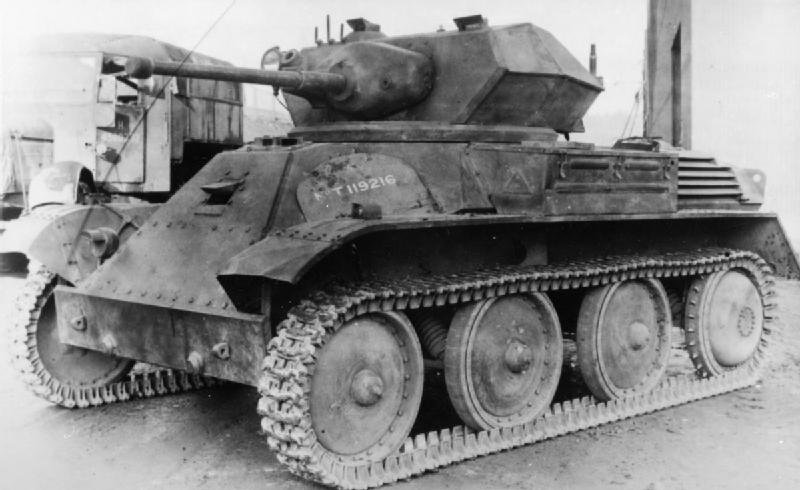
Read the profileTetrarch began as a late-1930s light-tank project and later acquired the airborne role for which it is best remembered.
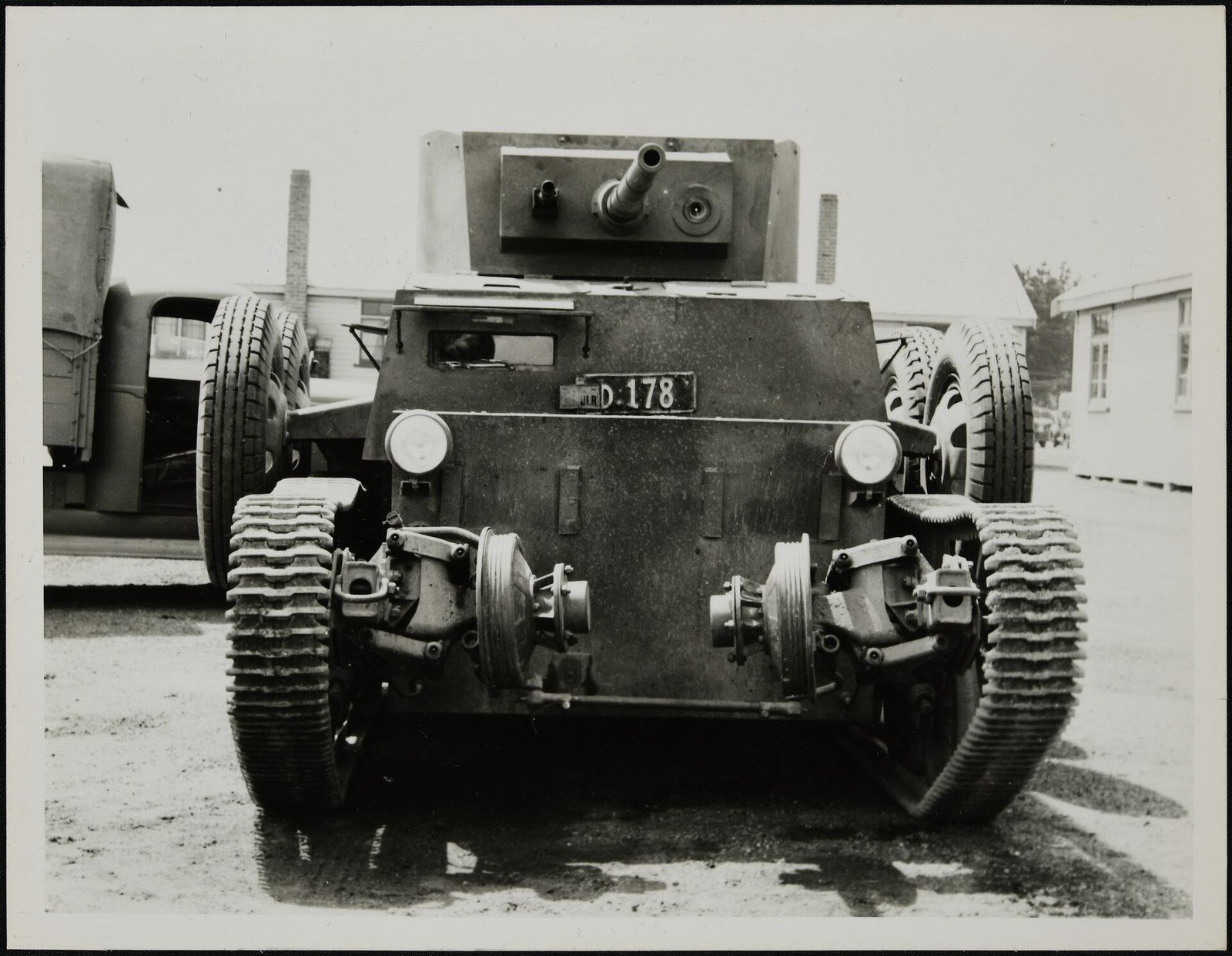
Read the profileThe Schofield tank was a New Zealand wheel-and-track experiment developed under the pressures of wartime defense and uncertain access to imported equipment.
Read the profileThe T-34 was a medium-tank family whose significance cannot be reduced to one gun, one turret or one production total.
Read the profileThe Valentine was important less because it introduced a radical technical idea than because Britain could build it in useful numbers at a moment of extreme need.
Read the profileThe Turán family represented Hungary’s effort to field a domestically producible medium tank after reliance on lighter vehicles and foreign designs had become strategically restrictive.
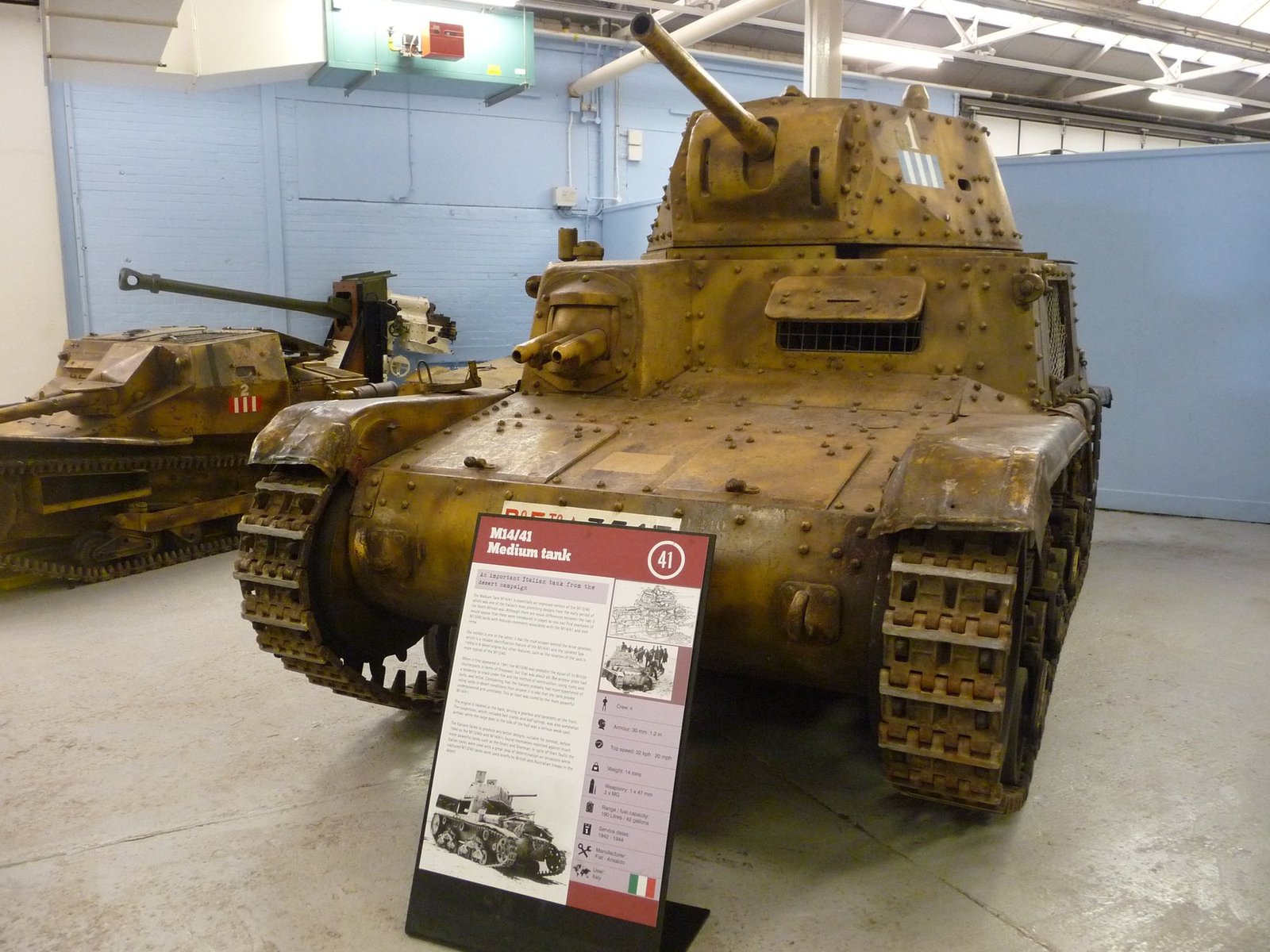
Read the profileThe Carro Armato M14/41 was an incremental development of Italy’s M13/40 rather than a new design generation.
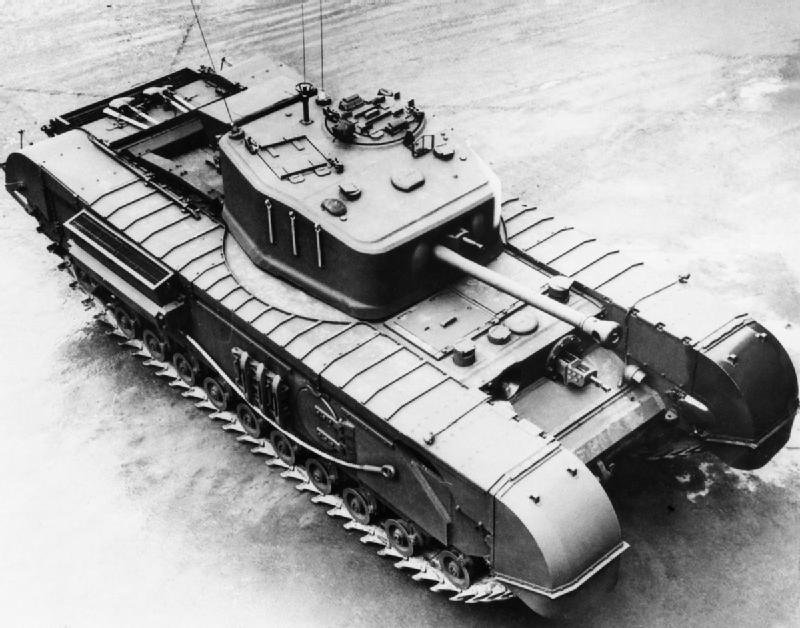
Read the profileThe Churchill began as an emergency wartime response and matured into one of Britain’s most adaptable armored chassis.
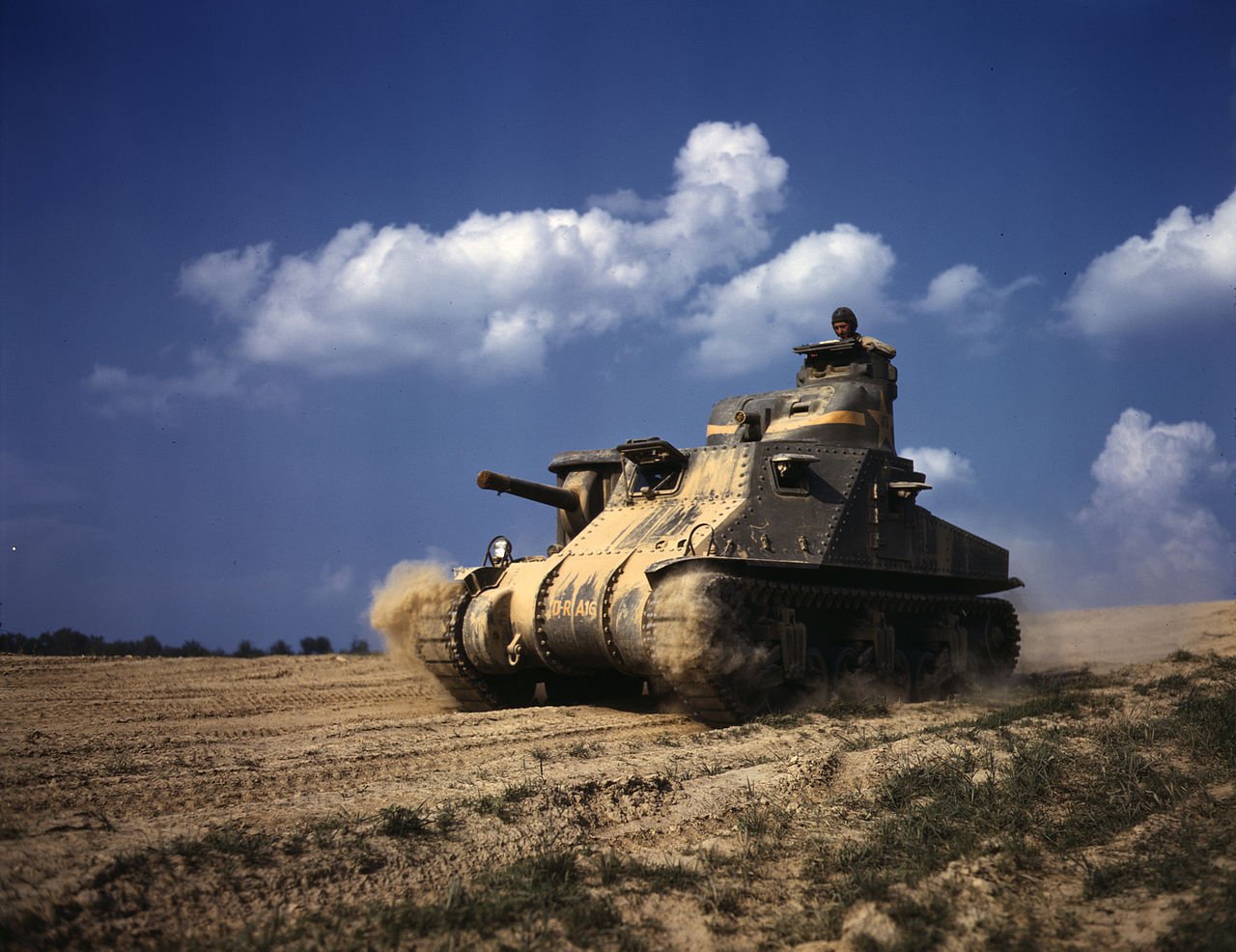
Read the profileThe M3 medium tank was an expedient solution to a serious Allied problem: the United States needed a 75 mm-armed medium tank before a suitable fully rotating 75 mm turret was ready for mass production.
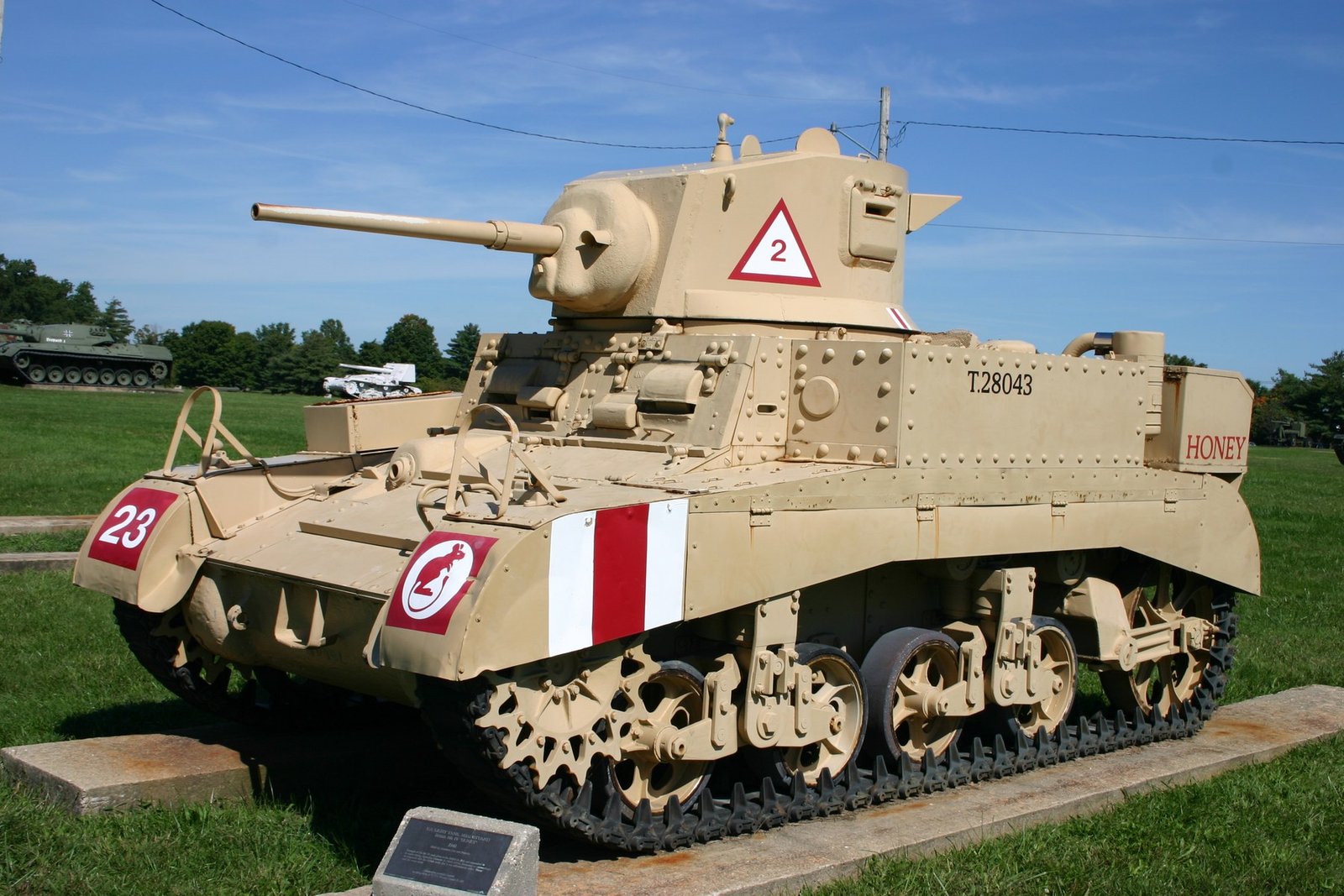
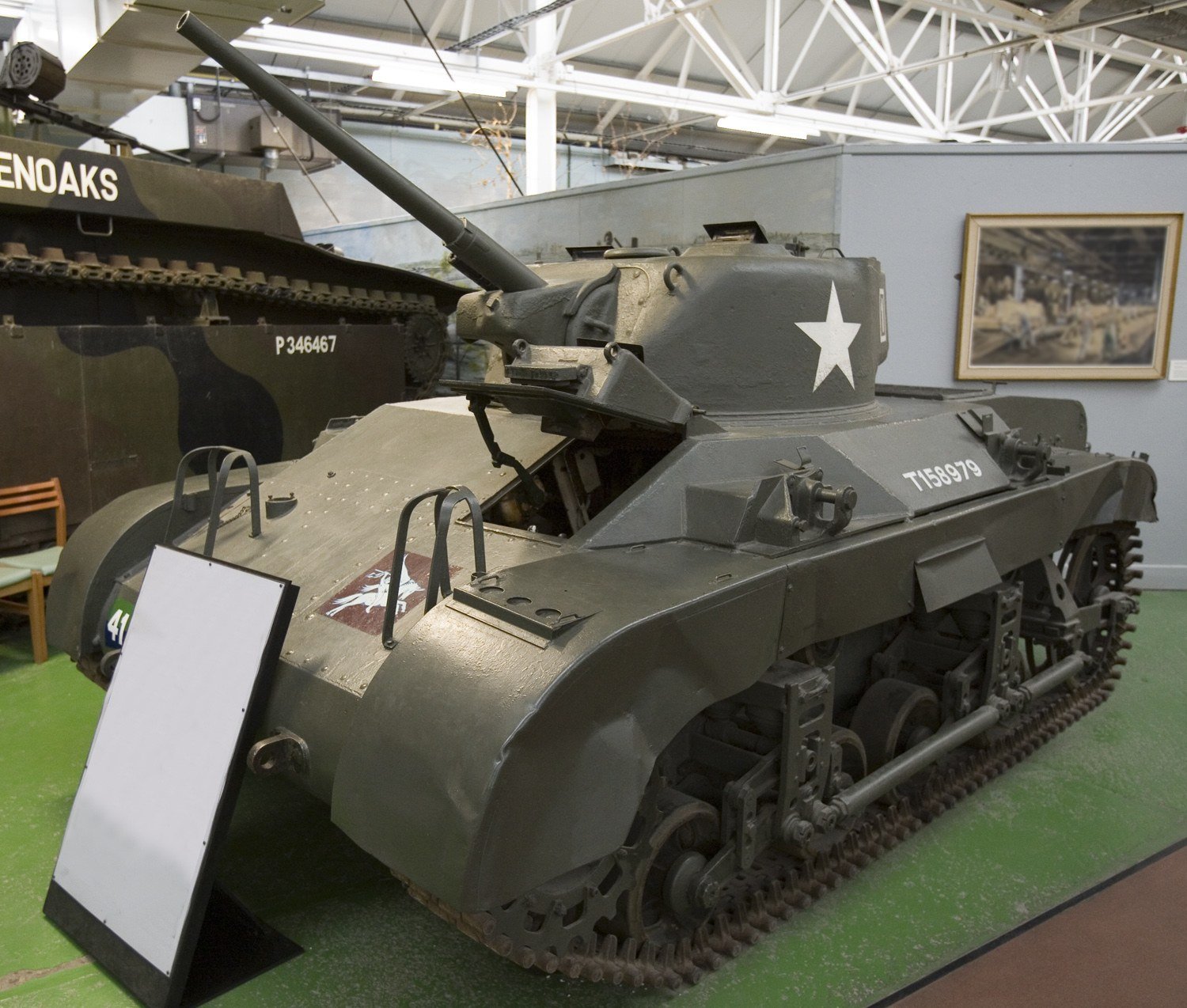
Read the profileThe M3/M5 Stuart family grew from the United States Army’s prewar light-tank line at the moment when mobilization demanded vehicles immediately, not after a long clean-sheet development program.
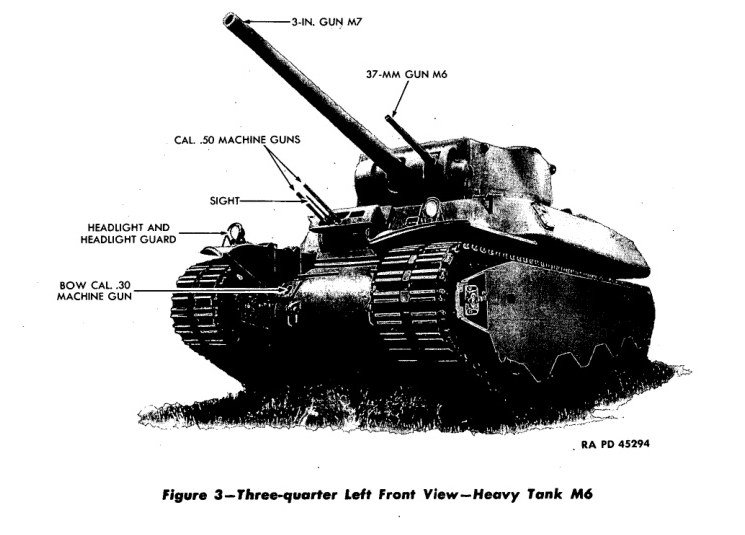
Read the profileThe M6 was the United States Army’s first Second World War heavy-tank family to reach limited production, yet its operational history consists of testing, training, demonstration, and development rather than combat.
Read the profileThe Ram was Canada’s principal indigenous wartime cruiser or medium-tank design, created when the country needed armored vehicles and an industrial base almost simultaneously.
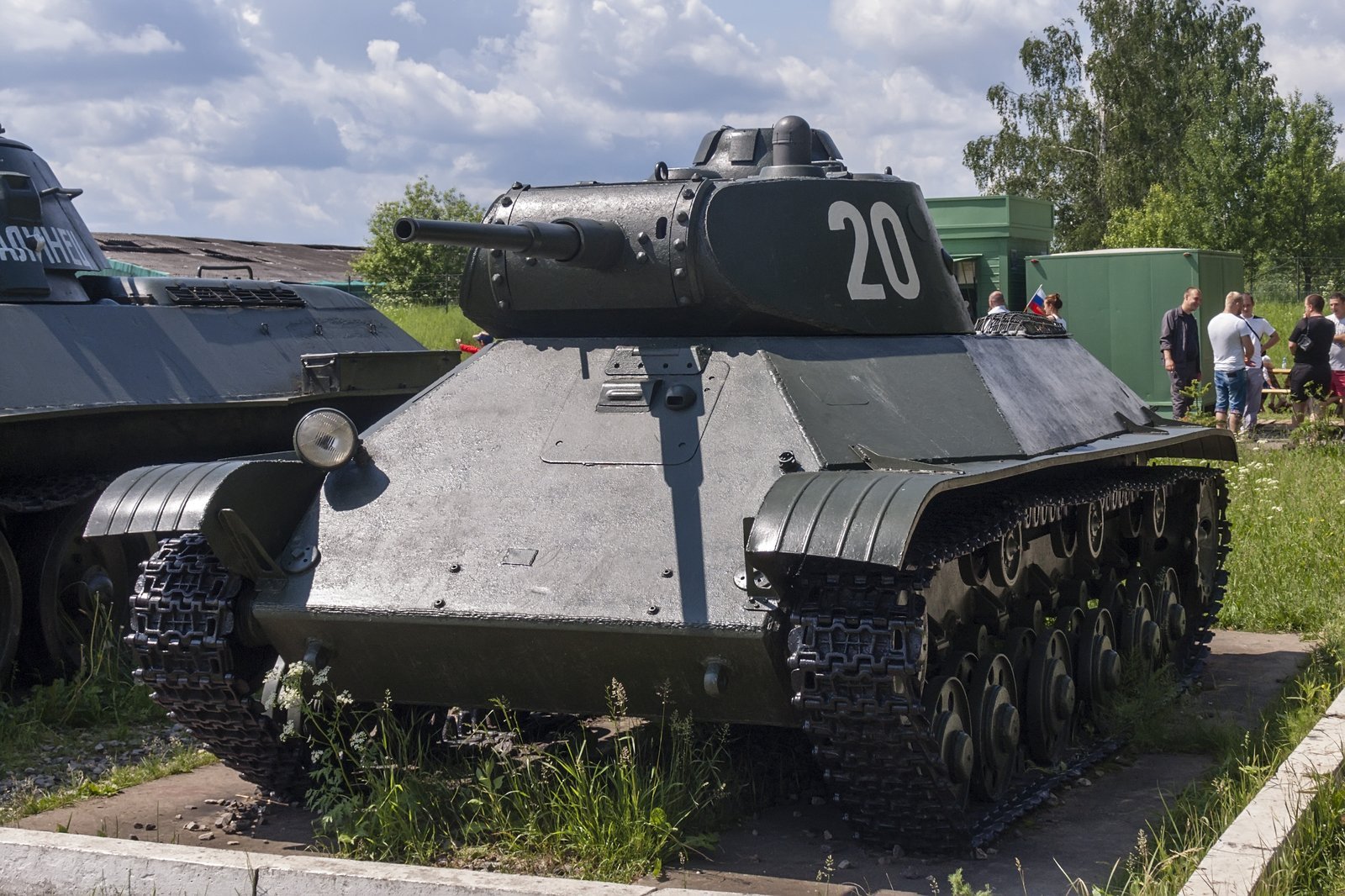
Read the profileThe T-50 was intended as a modern Soviet light infantry-support tank, not as the emergency expedient that the T-60 became.
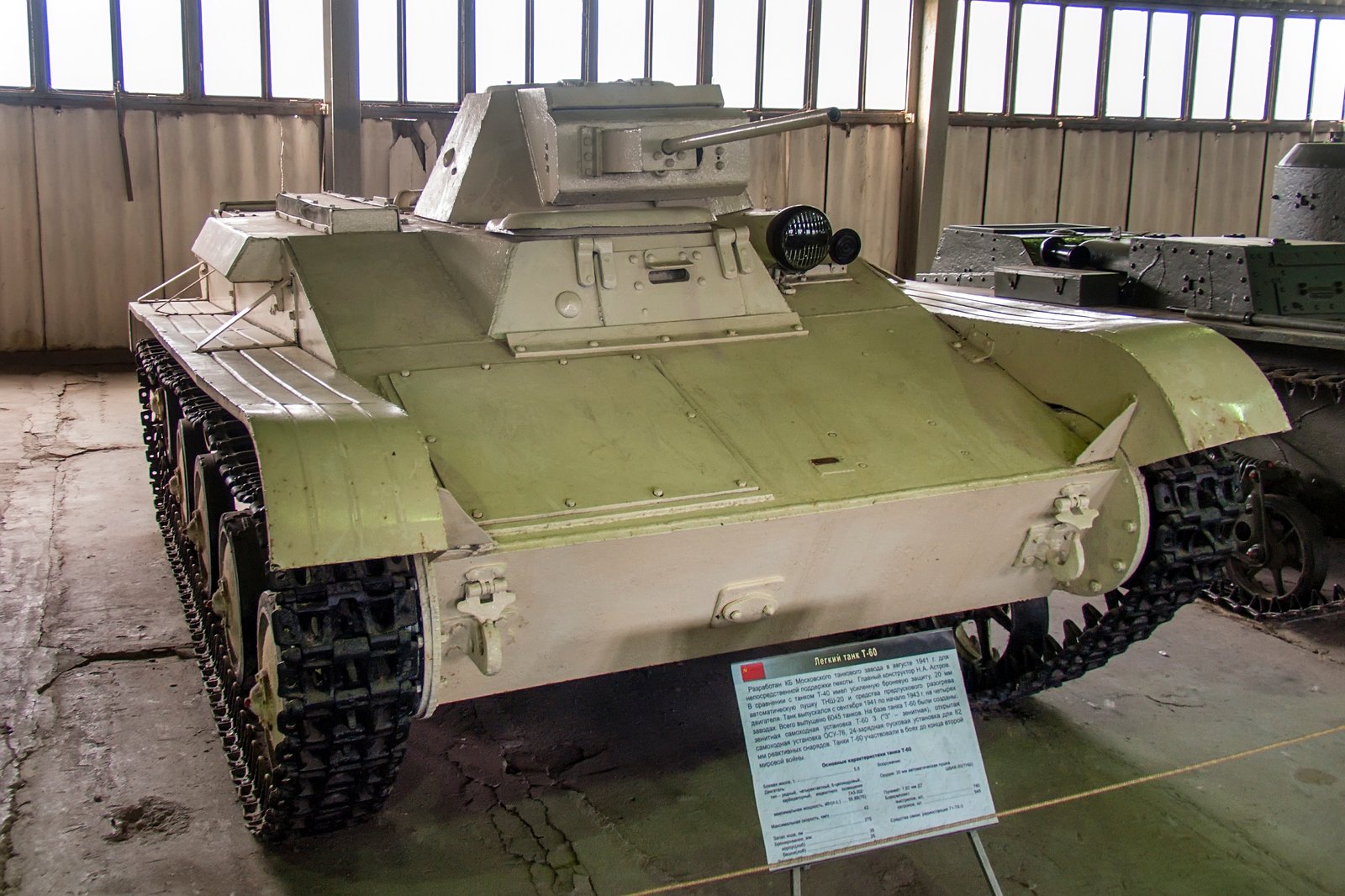
Read the profileThe T-60 was an emergency answer to the industrial catastrophe of 1941. It was not intended to equal the technically stronger T-50.
Read the profileThe Celere Sahariano emerged from a real operational problem rather than from a mature procurement program.
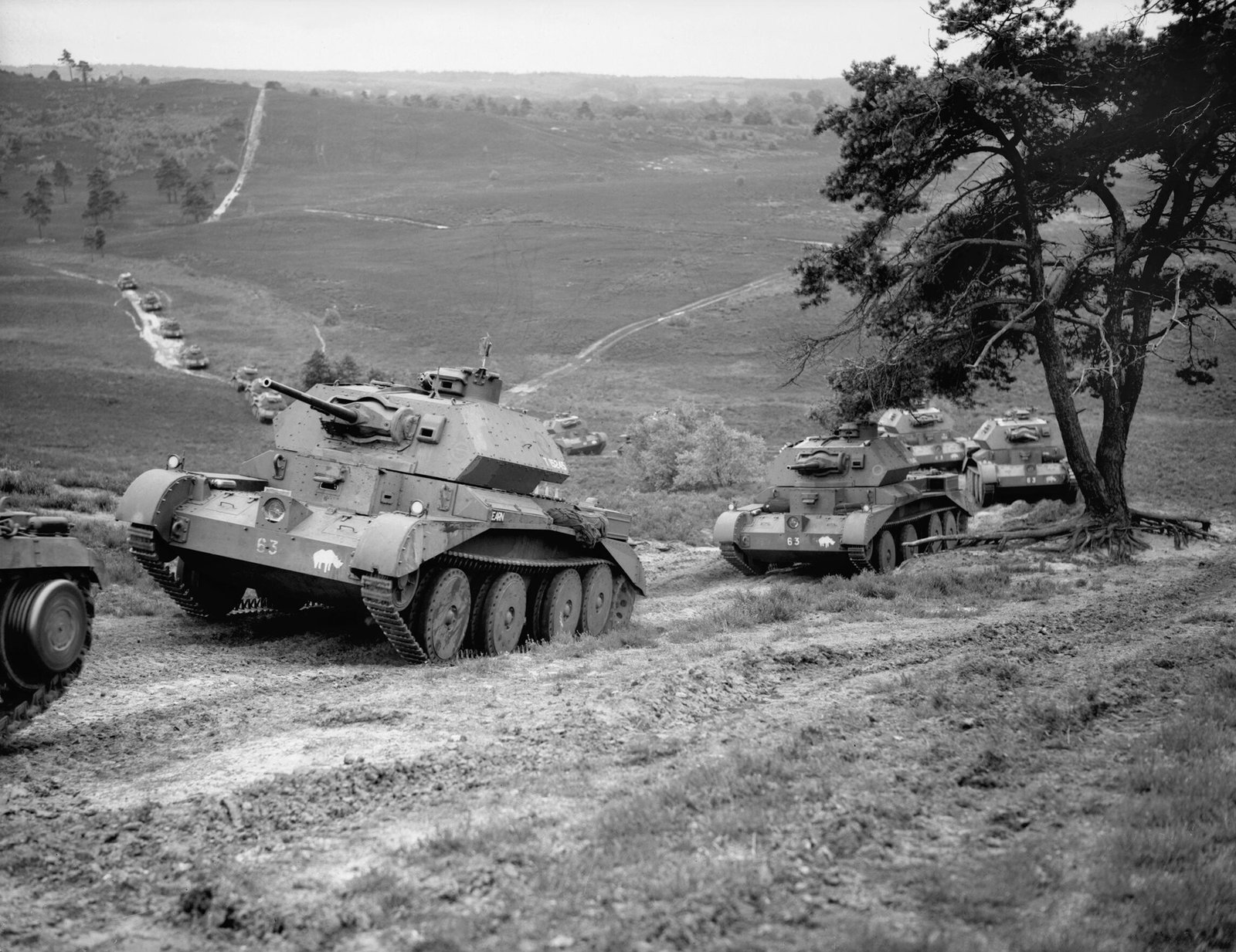
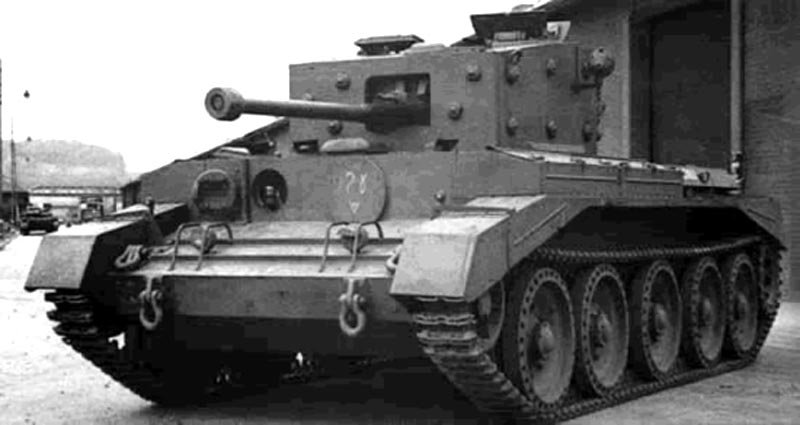
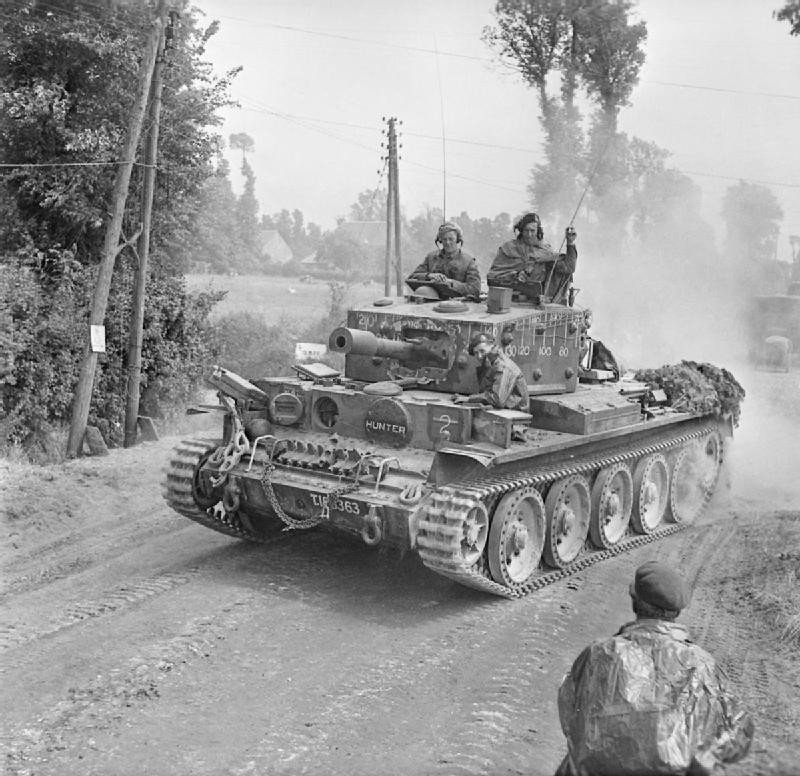
Read the profileThe Cavalier was born from Britain’s urgent effort to replace the Crusader with a heavier cruiser tank that could carry stronger armor and the 6-pounder gun without abandoning speed.
Read the profileCentaur emerged from the same British effort that produced Cromwell, but the two names cannot be used interchangeably.
Read the profileThe Harry Hopkins was designed as an improved successor to the Tetrarch at the moment when the British Army was losing confidence in the battlefield role of light tanks.
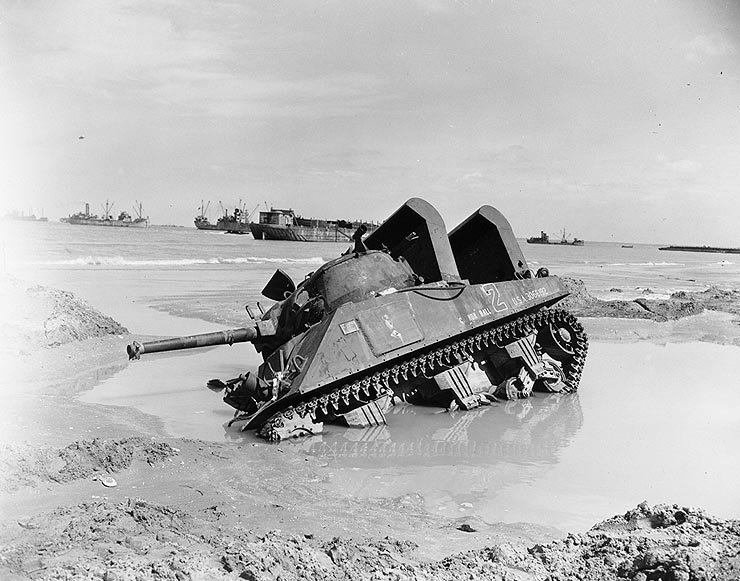
Read the profileThe M4 Sherman was created to replace the M3 medium tank's sponson-mounted main gun with a fully traversing turret while retaining an industrially practical automotive foundation.
Read the profileThe Tiger I became the most visible German expression of the heavy-tank idea: a five-man fighting vehicle that combined thick, mostly vertical armor with the 8.8 cm KwK 36 L/56 gun, good optics, and a three-man turret.
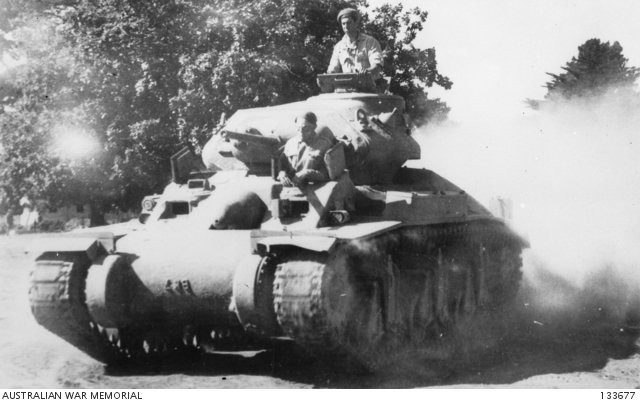
Read the profileThe Sentinel program began because Australia could no longer assume that Britain could supply every tank required for overseas formations and home defense.
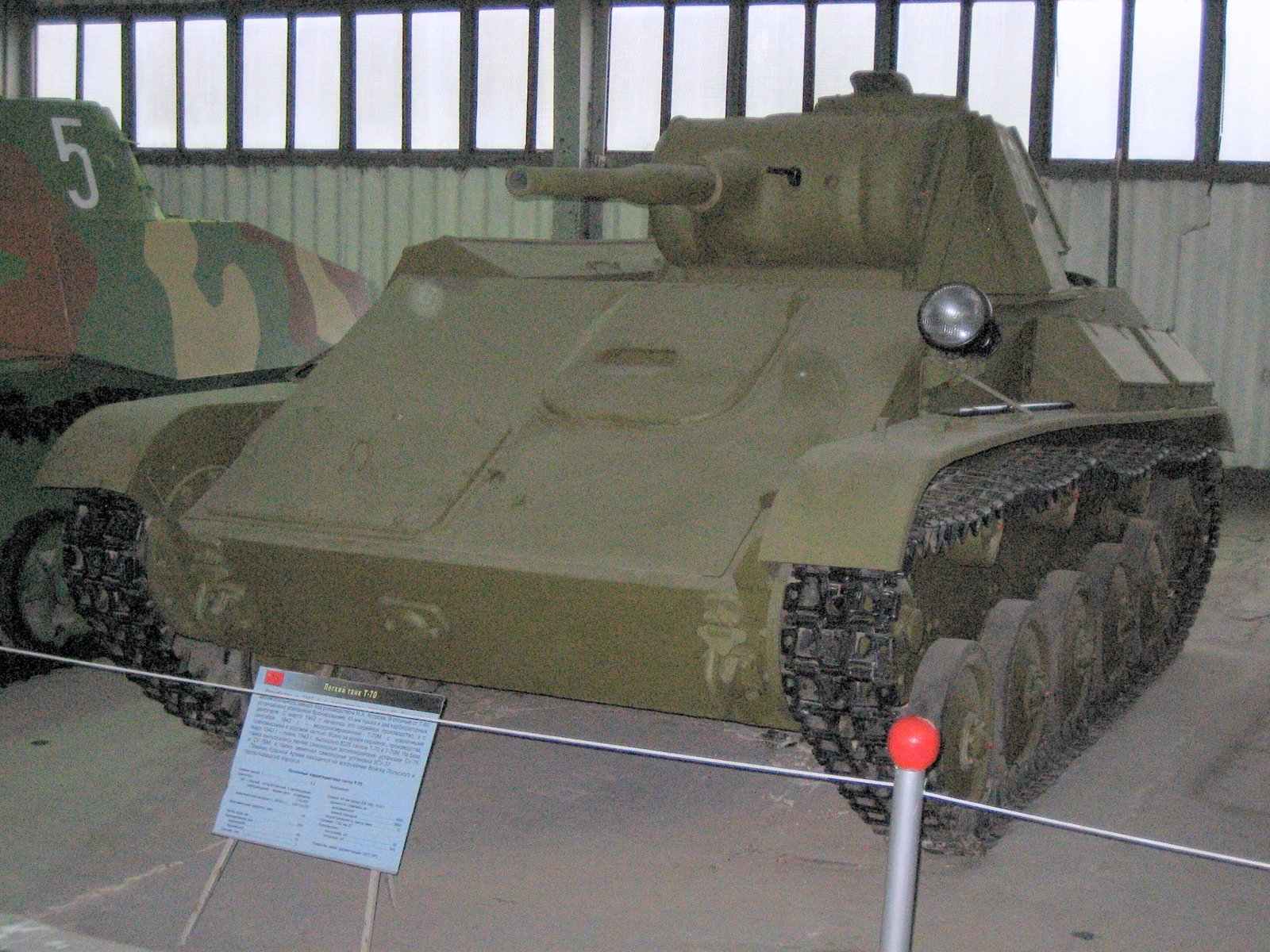
Read the profileThe T-70 was the Soviet Union’s final mass-produced wartime light tank and an emergency answer to industrial disruption after the losses of 1941.
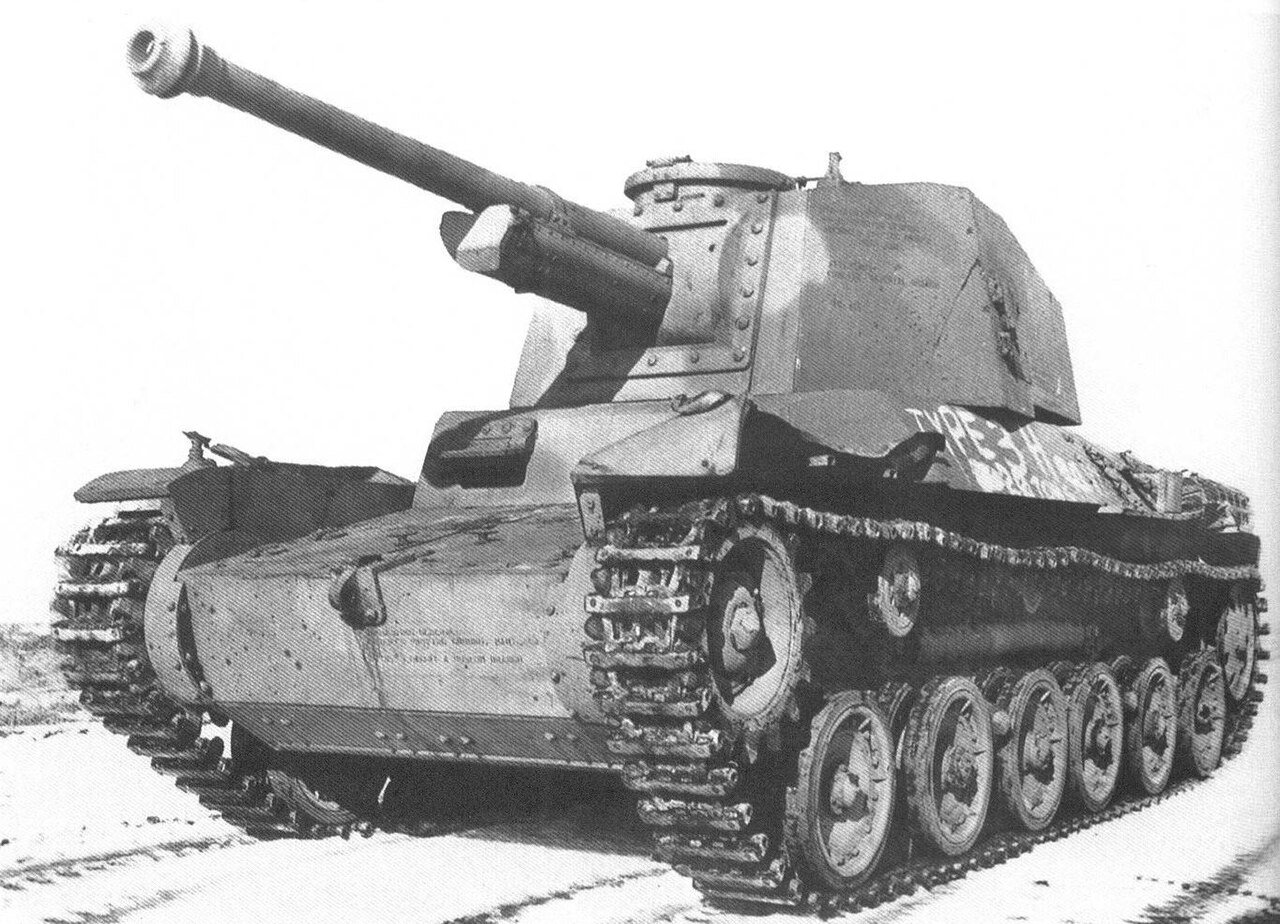
Read the profileThe Type 2 Ho-I was designed to give Japanese tank formations heavier high-explosive fire than their standard 47 mm and earlier 57 mm tank guns could deliver against fortifications and defended positions.
Read the profileThe Type 2 Ka-Mi was a purpose-built Japanese amphibious tank rather than a standard light tank fitted with improvised flotation.
Read the profileThe Type 98 Ke-Ni was Japan’s attempt to replace the Type 95 Ha-Go with a smaller, lower and more modern light tank.
Read the profileThe Carro Armato M15/42 was the final production gun tank in Italy’s M-series lineage.
Read the profileThe Carro Armato P26/40 was Italy’s most substantial wartime production tank. Its official “P” or pesante classification reflected Italian categories, not a direct match to the heavy tanks of Germany or the Soviet Union.
Read the profileCenturion began as the British A41 response to wartime experience with separate cruiser and infantry-tank traditions.
Read the profileThe Cromwell was the British cruiser tank in which mobility, reliability and useful firepower finally came together at operational scale.
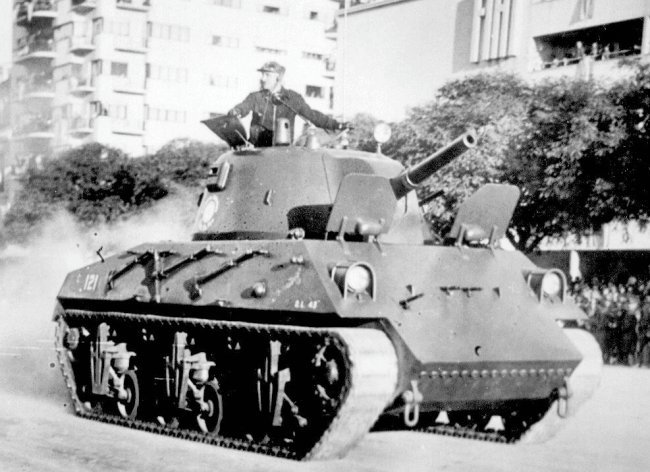
Read the profileThe Grizzly I was a Canadian-built adaptation of the M4A1 Sherman and a product of wartime industrial transition rather than a long-lived independent tank program.
Read the profileThe Iosif Stalin family emerged from the Soviet effort to retain the battlefield advantages of a heavy tank while correcting the weight, reliability and tactical limitations exposed in the KV series.
Read the profileThe IS-4 grew from the Object 701 program, a late-war attempt to create a heavily protected Soviet tank that could surpass the existing IS family in armor and survivability.
Read the profileThe M22 Locust began as the T9 airborne light-tank program, an effort to give airborne forces a vehicle that could be moved by the transport aircraft and gliders available during the Second World War.
Read the profileThe Mareșal project grew from Romania’s need for a more effective anti-tank weapon after experience against modern Soviet armor exposed the limits of existing tanks and improvised conversions.
Read the profileThe Nahuel D.L. 43 was Argentina’s wartime attempt to create a credible medium tank when normal foreign procurement was uncertain.
Read the profileThe Panther emerged from the shock created by German encounters with the T-34 and KV families in 1941.
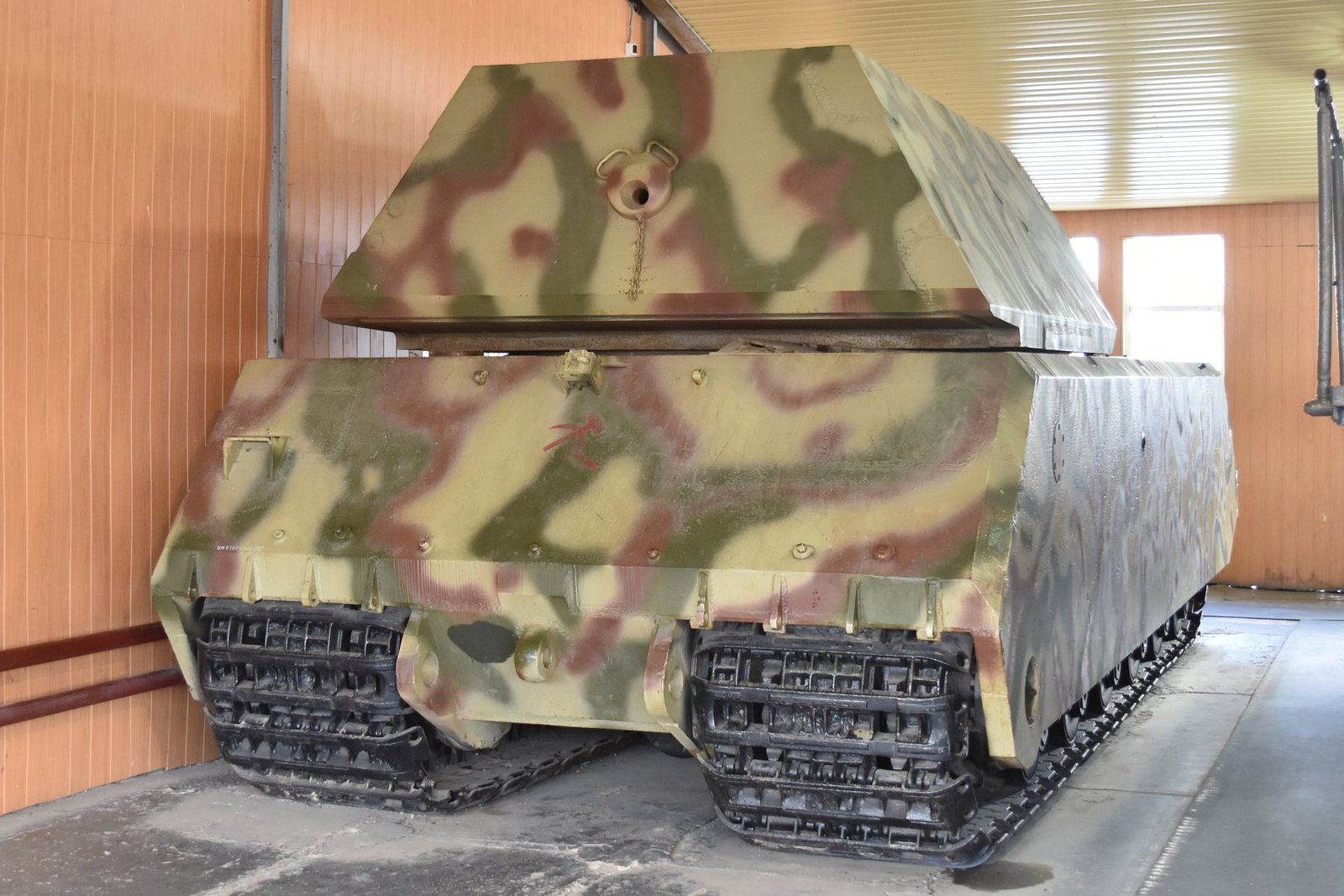
Read the profileThe Maus was Germany’s most extreme effort to create a super-heavy tank whose armor and armament would remain beyond contemporary battlefield standards.
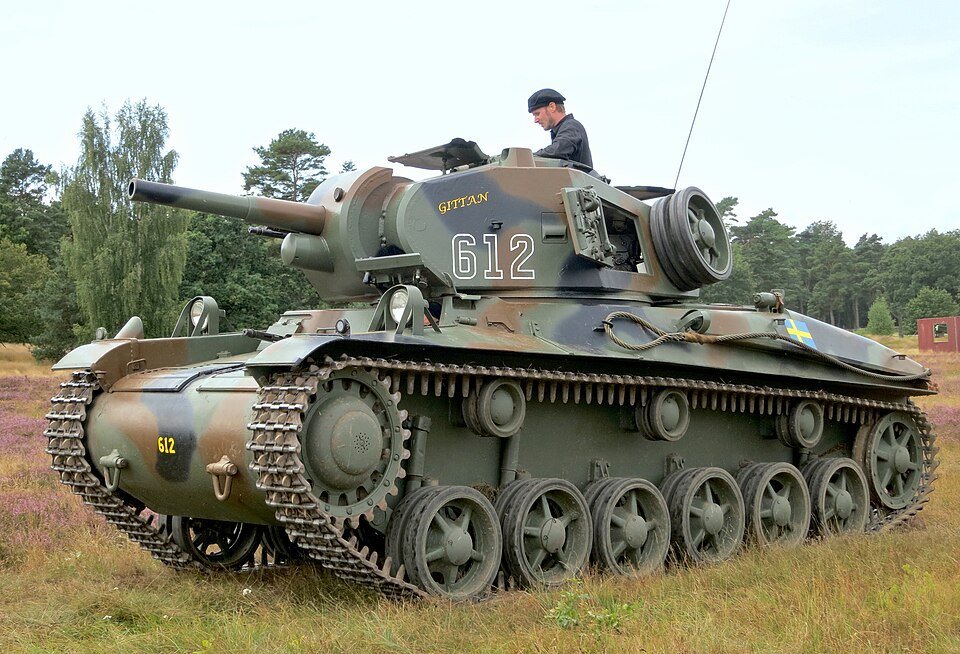
Read the profileThe Strv m/42 was Sweden’s principal domestically produced medium tank of the Second World War and the country’s first tank to carry a 7.5 cm gun in regular service.
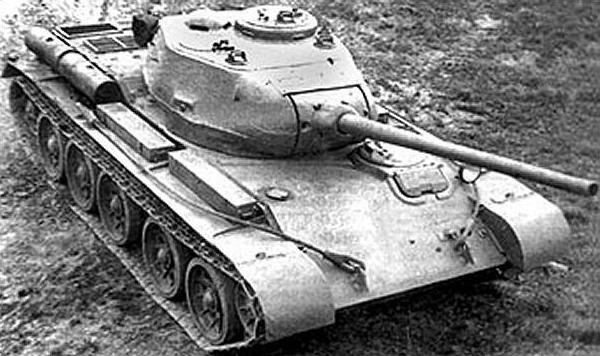
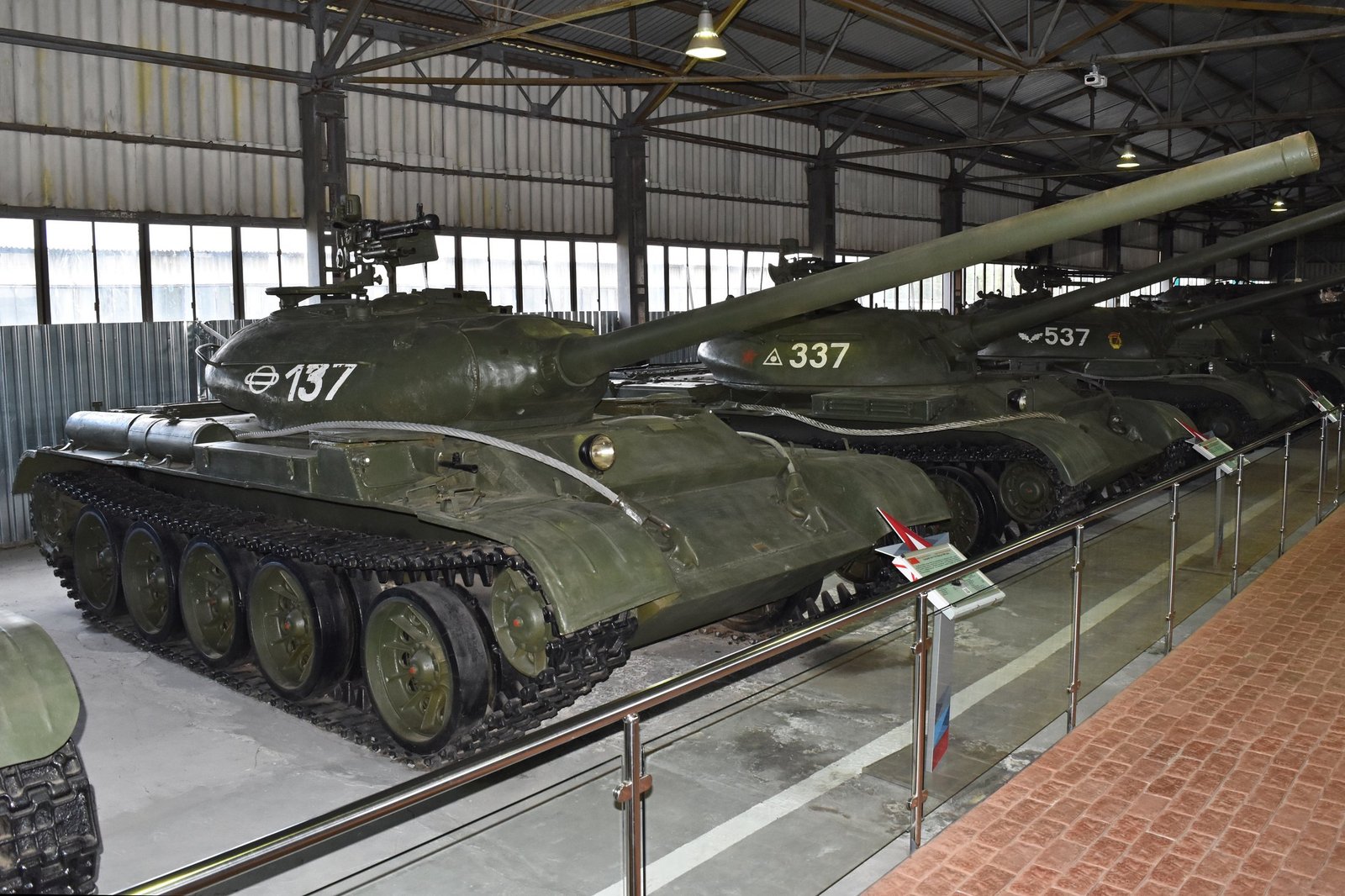
Read the profileThe T-44 was a Soviet medium tank developed in 1943–44 to overcome structural limits of the T-34 while preserving a similar weight and manufacturing purpose.
Read the profileThe Type 1 Chi-He was an improved Japanese medium tank derived from the Type 97 Chi-Ha line.
Read the profileThe Type 3 Ka-Chi was not a conventional medium tank adapted casually for wading; it was a purpose-built naval amphibious armored vehicle designed for the Imperial Japanese Navy at a moment when Japan was losing the operational initiative in the Pacific.
Read the profileThe 44M Tas was a Hungarian heavy tank by the Royal Hungarian Army’s wartime armament-based classification system, but in weight, layout, and intended battlefield role it sat closer to the late-war medium tank category used by Germany, the Soviet Union, Britain, and…
Read the profileThe ARL 44 was a limited-production French heavy or transitional tank designed after the Liberation of France and produced in small numbers in the late 1940s.
Read the profileThe Comet was a British cruiser tank designed to put a high-velocity anti-tank gun into a vehicle still close enough to the Cromwell lineage to be produced quickly.
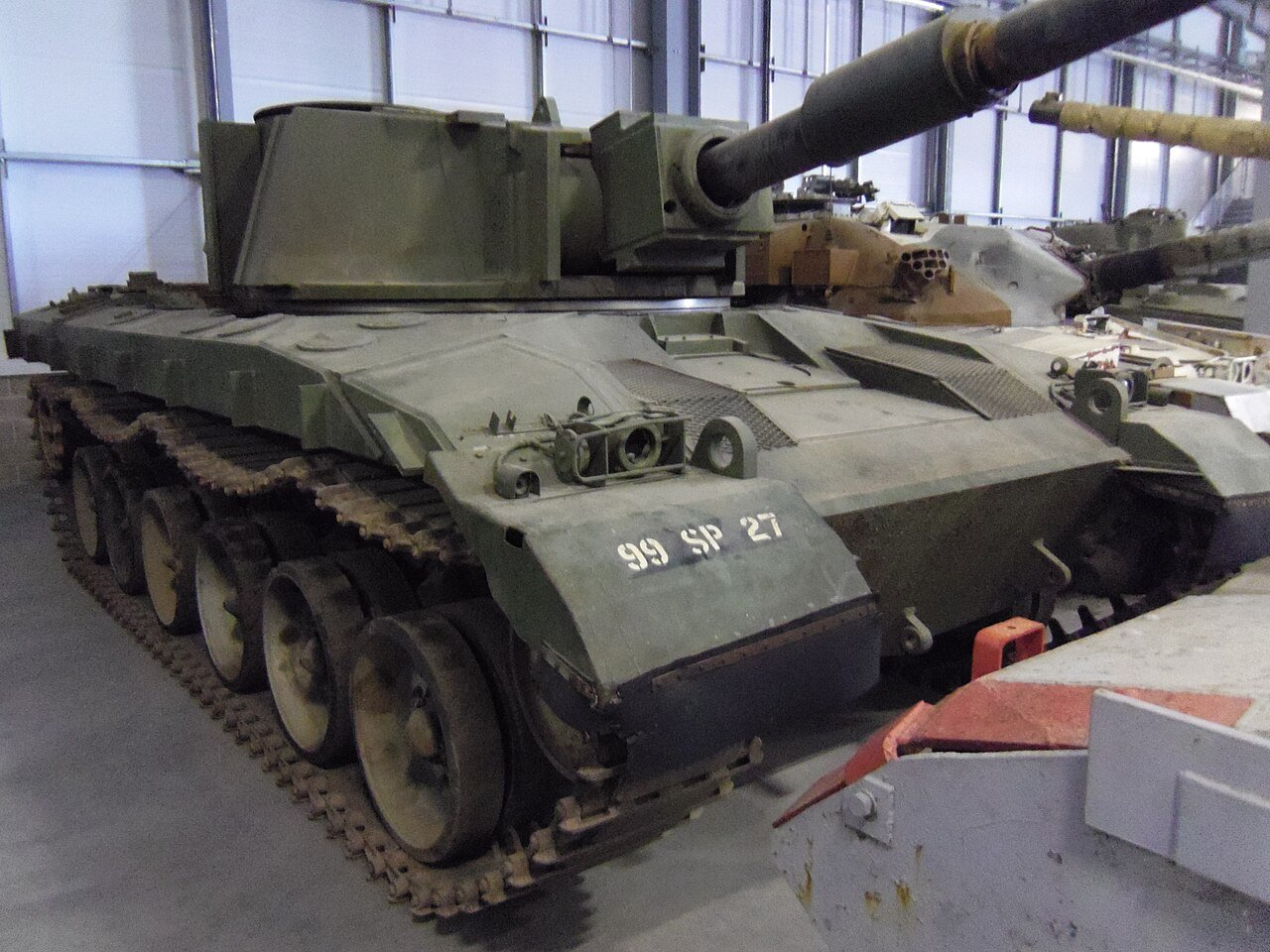
Read the profileThe Cruiser Tank Challenger / A30 was a British Second World War cruiser tank designed around a specific battlefield need: the Cromwell was fast, but its 75 mm gun was inadequate against the heaviest German armor at normal combat ranges.
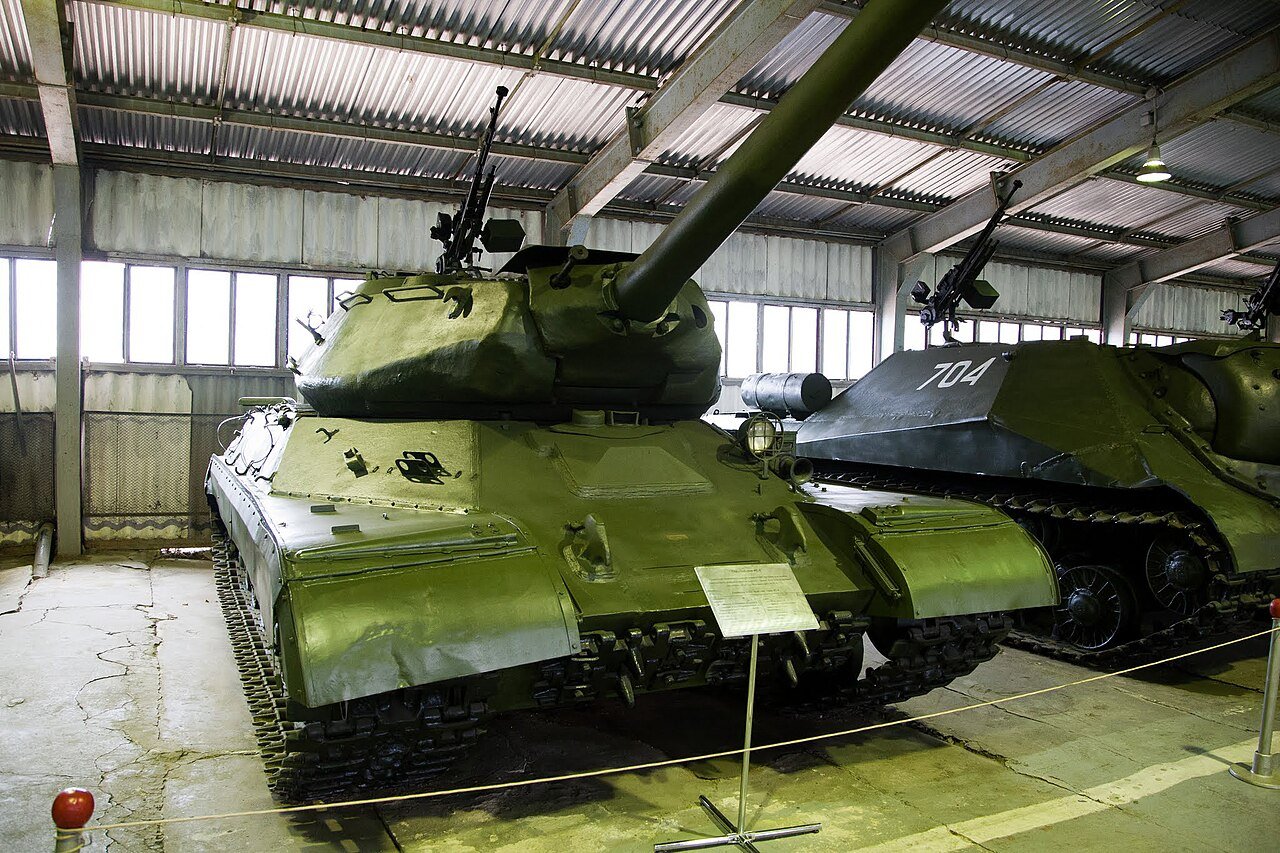
Read the profileThe IS-3 was a Soviet heavy tank designed during 1944-1945 as a better-protected successor to the IS-2.
Read the profileThe M24 Chaffee was the most successful American light tank design to reach combat in the Second World War.
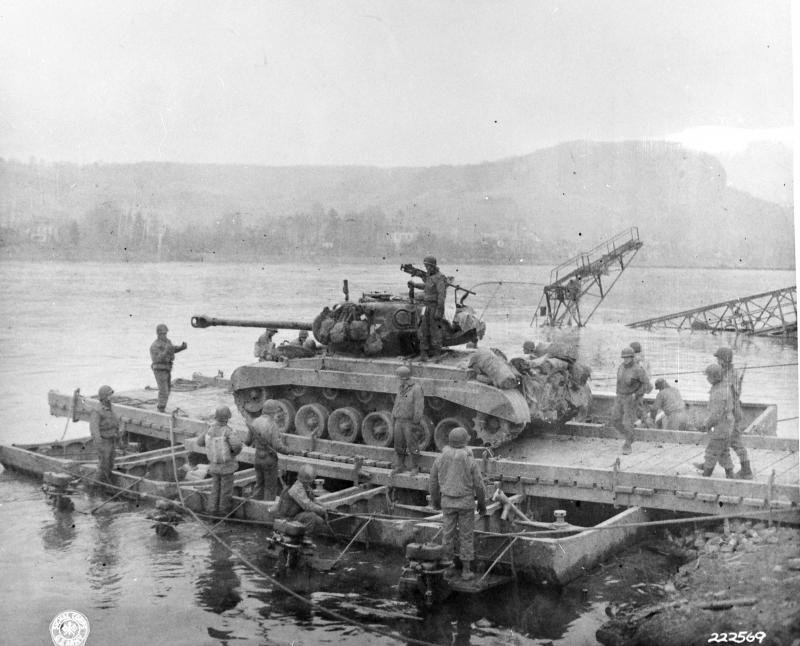
Read the profileThe M26 Pershing was the first U.S. operational tank to combine a 90 mm gun, a lower silhouette than the M4 series, torsion-bar suspension, a cast turret, and a markedly heavier armor scheme in a wartime combat vehicle.
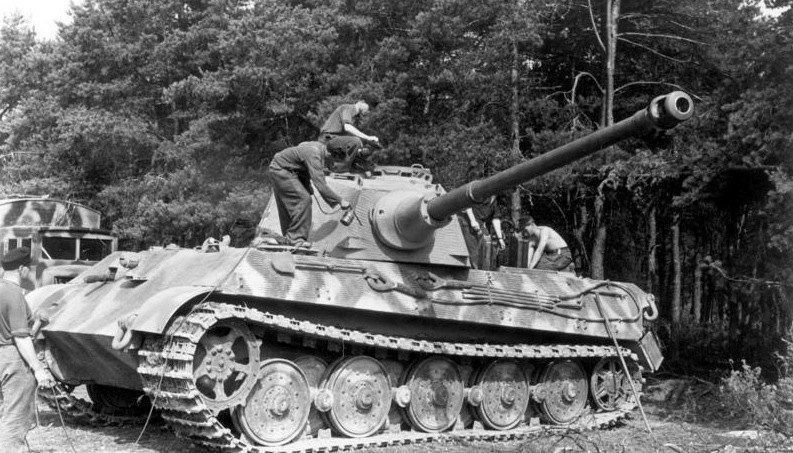
Read the profileThe Panzerkampfwagen Tiger Ausf. B, usually called Tiger II and often translated by Allied troops as King Tiger or Royal Tiger, was a late-war German heavy tank built around the high-velocity 8.8 cm KwK 43 L/71 gun.
Read the profileThe Type 2 Ke-To was an improved Japanese light tank derived from the Type 98 Ke-Ni.
Read the profileThe Type 3 Chi-Nu was a late-war Imperial Japanese Army medium tank that combined the improved Type 1 Chi-He/Type 97 lineage chassis with a new, large hexagonal turret carrying the Type 3 75 mm tank gun.
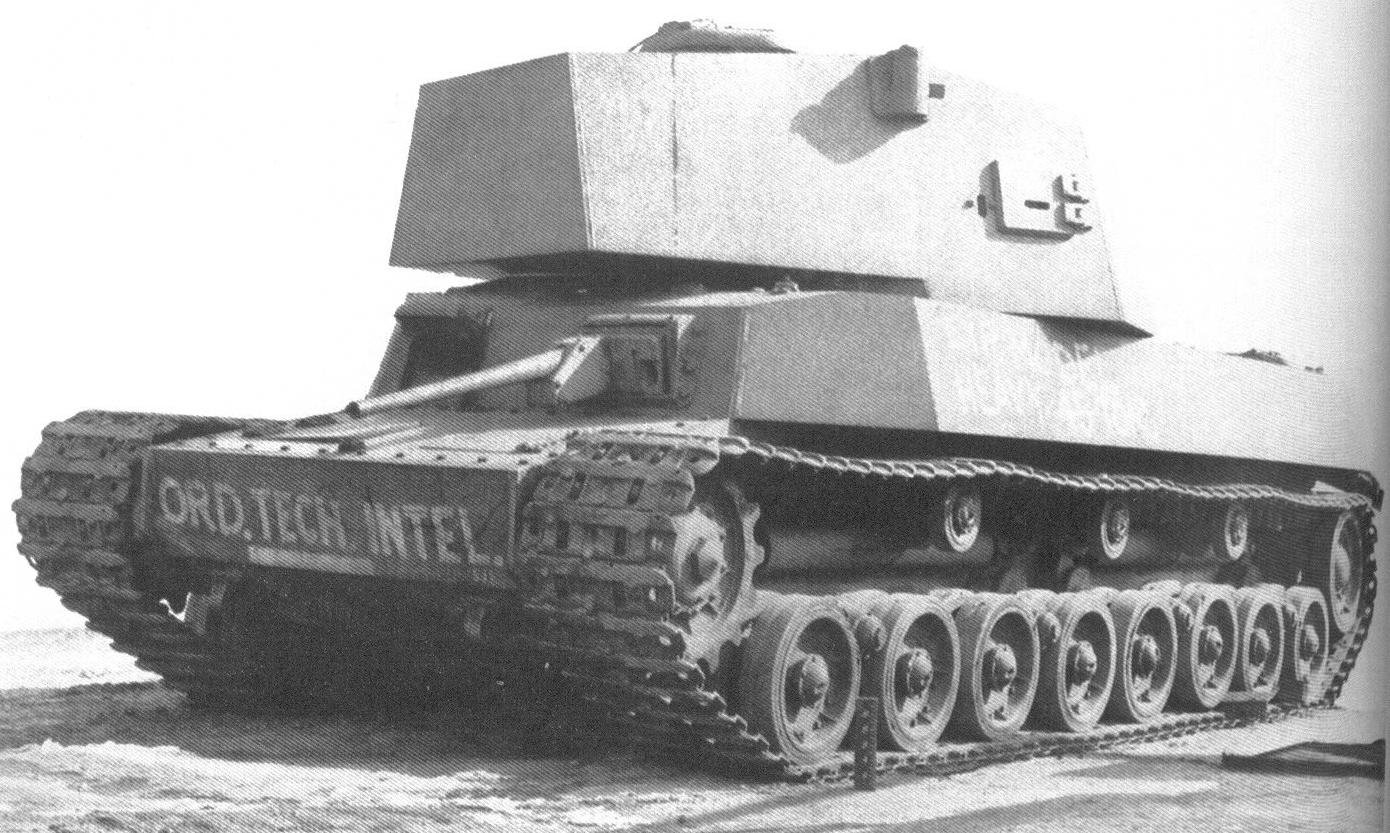
Read the profileOne-paragraph description: The Type 4 Chi-To was Japan's late-war attempt to field a medium tank with heavier armor, a five-man crew, radio provision, and a high-velocity 75 mm gun powerful enough to challenge Allied medium tanks at useful battlefield ranges.
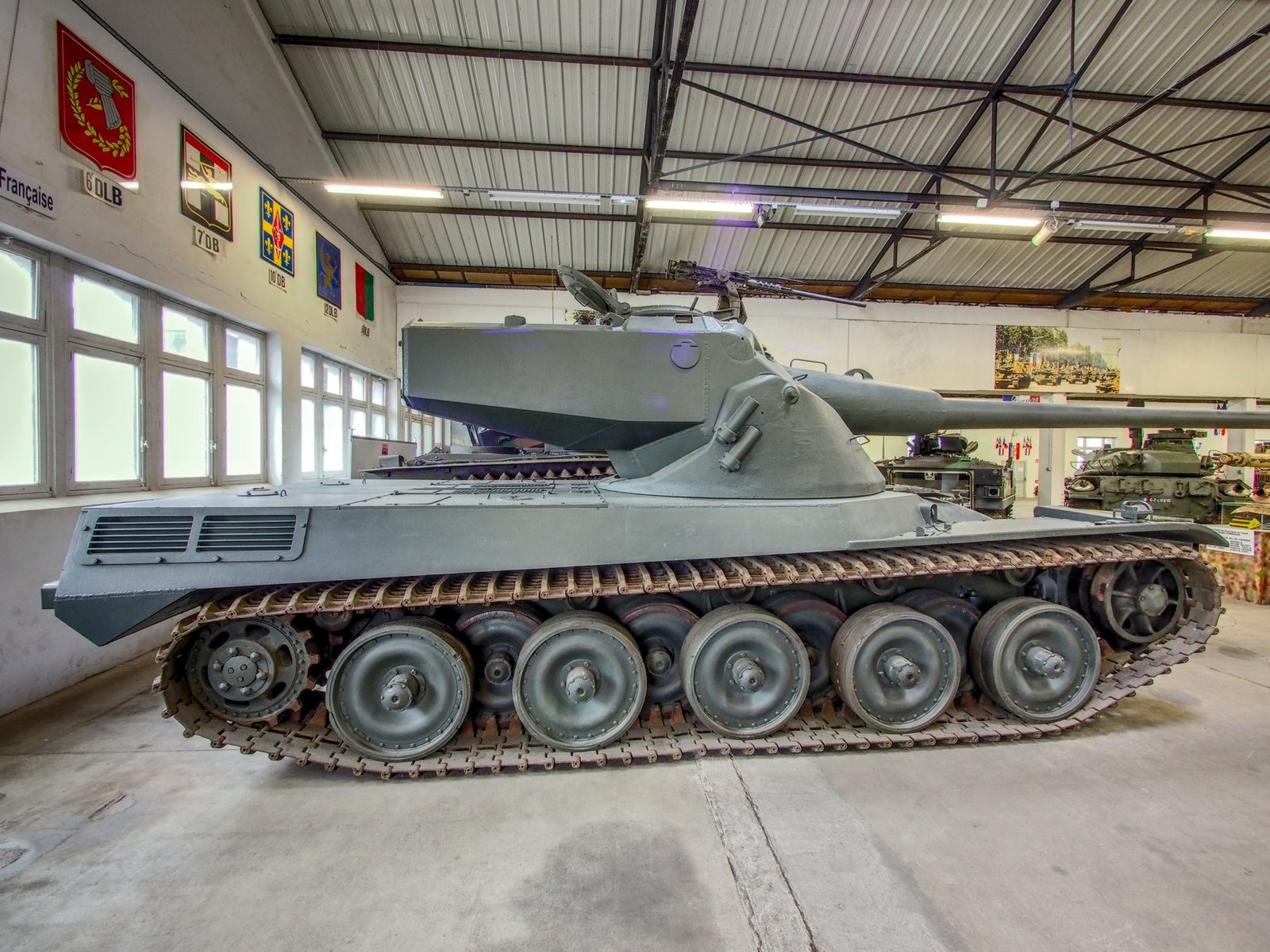
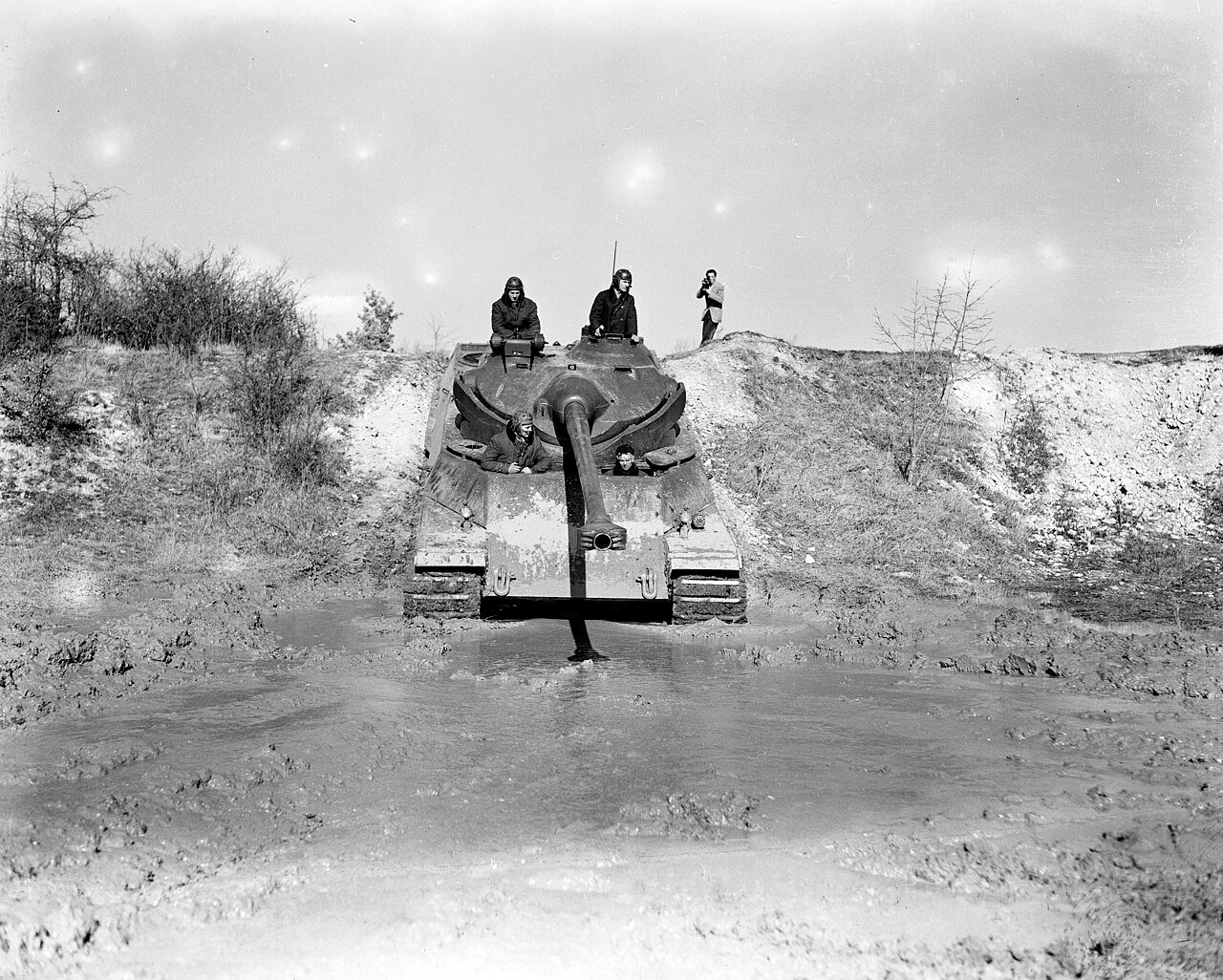
Read the profileDescription. The AMX-50 was France’s ambitious postwar attempt to regain a first-rank tank-design capability through a fast, heavily armed vehicle using an oscillating turret and a Maybach-derived power plant.
Read the profileWhy it mattered: the family became the Cold War's most widely distributed Soviet tank line and one of the most-produced tank families in history.
Read the profileThe Type 5 Chi-Ri was a late-war Japanese medium tank prototype created after the Type 3 Chi-Nu and Type 4 Chi-To programs exposed the limits of Japan's earlier infantry-support tank designs.
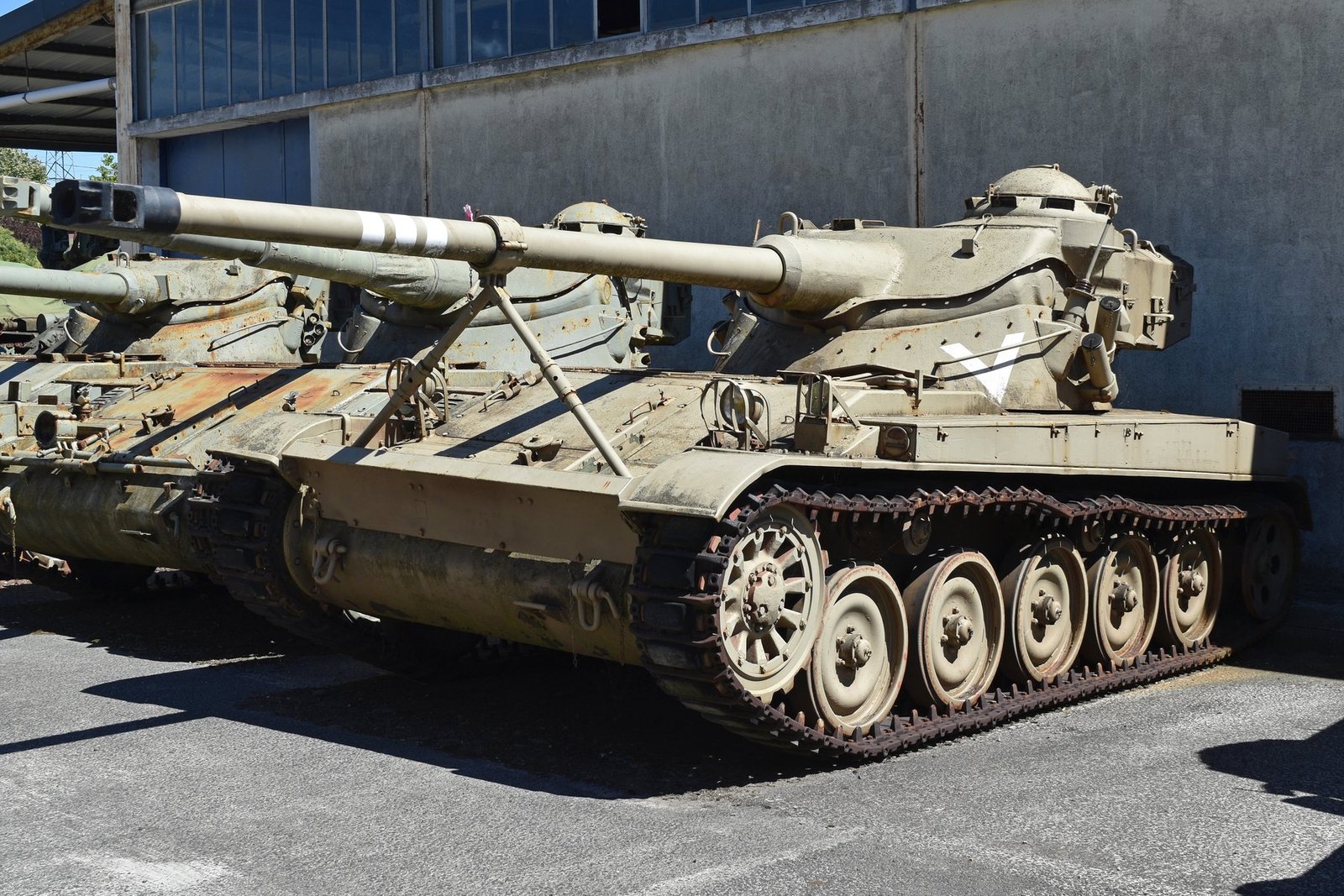
Read the profileThe AMX-13 was a French light tank family begun in 1946 and brought into service in the early 1950s.
Read the profileThe M41 was a compact but heavily armed Cold War light tank designed for reconnaissance, screening, security, and situations where a lighter tank was preferred over a medium tank.
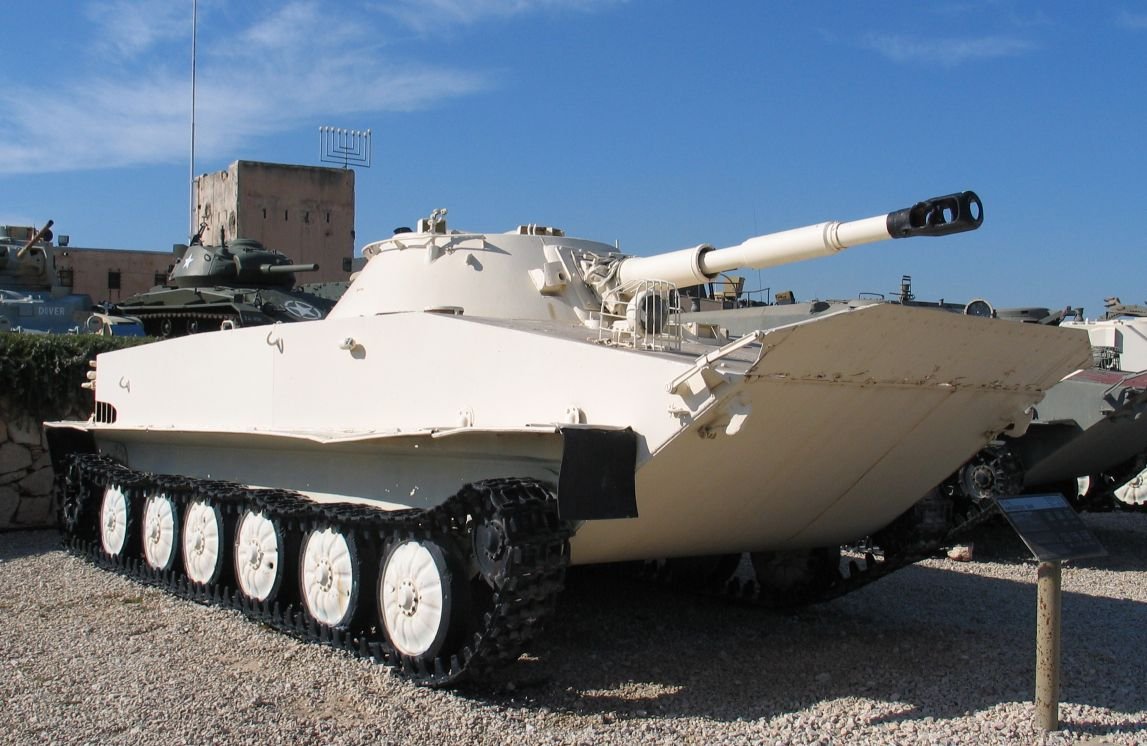
Read the profileThe PT-76 was a Soviet amphibious light tank whose defining feature was not conventional tank protection but independent water mobility.
Read the profileThe M103 was a Cold War U.S. heavy tank intended to defeat Soviet heavy tanks such as the IS-3 and T-10 at long range.
Read the profileThe M46 Patton was the first operational U.S. tank to carry the Patton name and the immediate postwar modernization of the M26 Pershing.
Read the profileThe T-10 was a Soviet heavy tank family developed to solve a postwar problem that the Red Army had not yet abandoned: how to provide a heavily protected breakthrough tank with enough mobility to accompany modern armored formations.
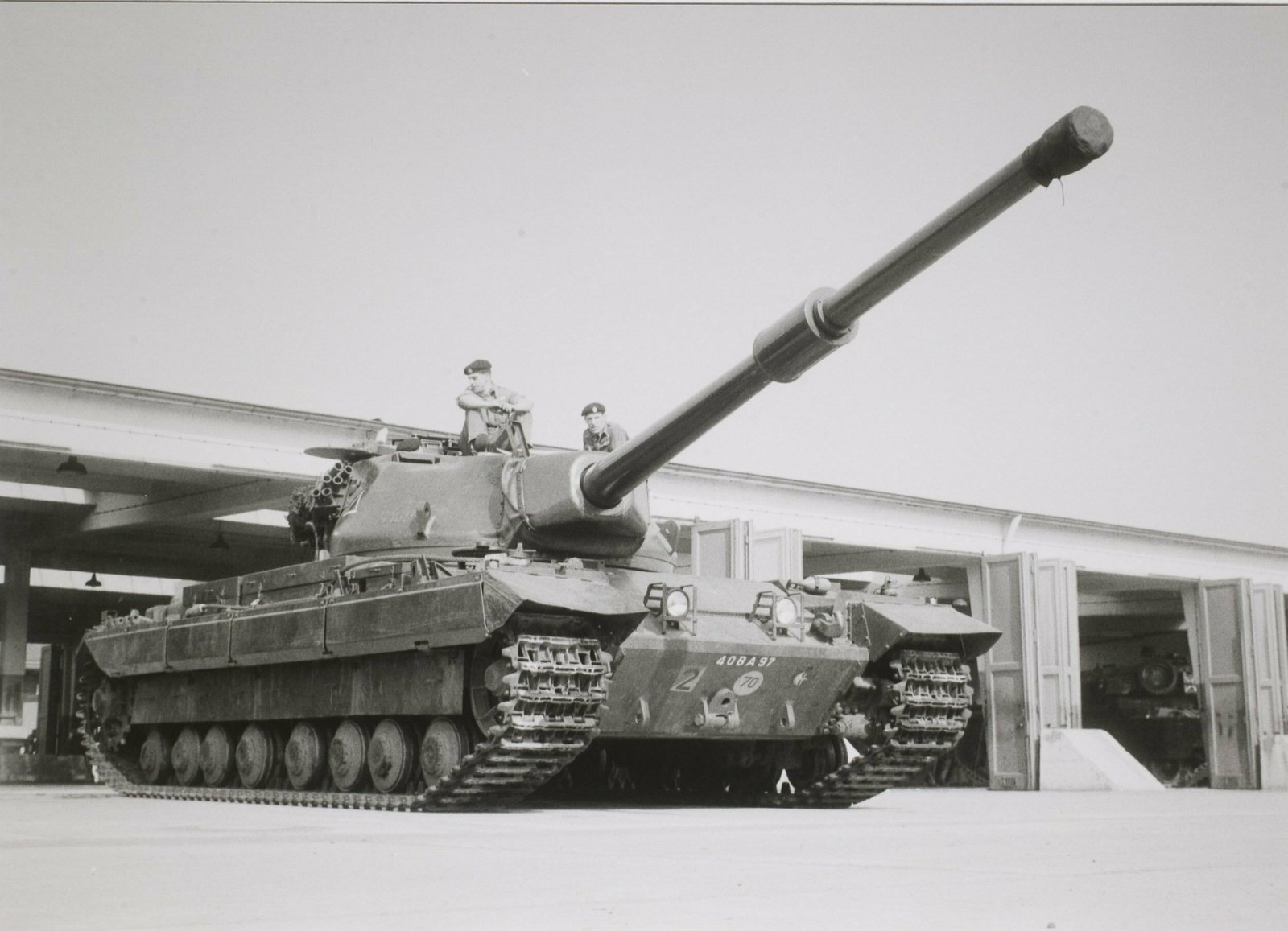
Read the profileThe FV214 Conqueror was a British heavy gun tank designed to give armored regiments a weapon capable of defeating Soviet heavy armor at ranges beyond those expected of the earlier 17-pounder and 20-pounder Centurions.
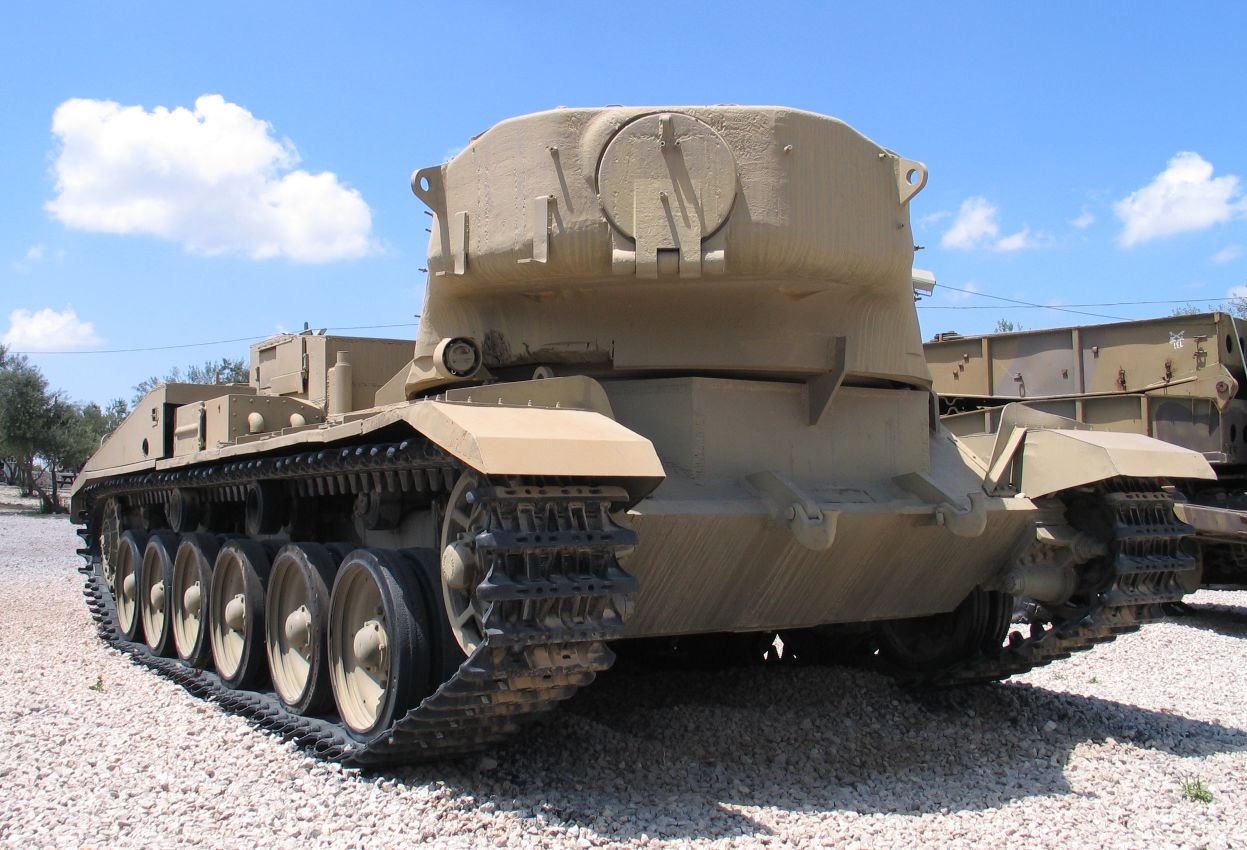
Read the profileThe Caernarvon FV221 was not a main-line British service tank in the sense that Centurion or Conqueror were.
Read the profileCharioteer was a rapid British conversion, not a clean-sheet tank. It used available Cromwell hulls and replaced the original Cromwell turret and 75 mm gun with a new, lightly protected turret carrying the 84 mm Ordnance QF 20-pounder.
Read the profileThe FV4004 Conway was not a production tank family in the ordinary sense. It was a highly focused British prototype program intended to place a 120 mm anti-tank gun on an available Centurion hull quickly enough to bridge the perceived gap before FV214 Conqueror…
Read the profileFV4005 was not a production tank family in the conventional sense. It was a British prototype program built around the 183 mm L4A1 gun, the largest gun The Tank Museum identifies as having been fitted to a tank.
Read the profileThe M47 Patton was a stopgap American medium tank whose influence exceeded its short U.S. service life.
Read the profileThe M48 Patton was a U.S. post-Korean War medium tank that quickly became the bridge between the Pershing/M46/M47 lineage and the later M60.
Read the profileThe Panzer 58 was not a mass-service battle tank in the way the Centurion, M47/M48, T-54/55, or later Leopard 2 were.
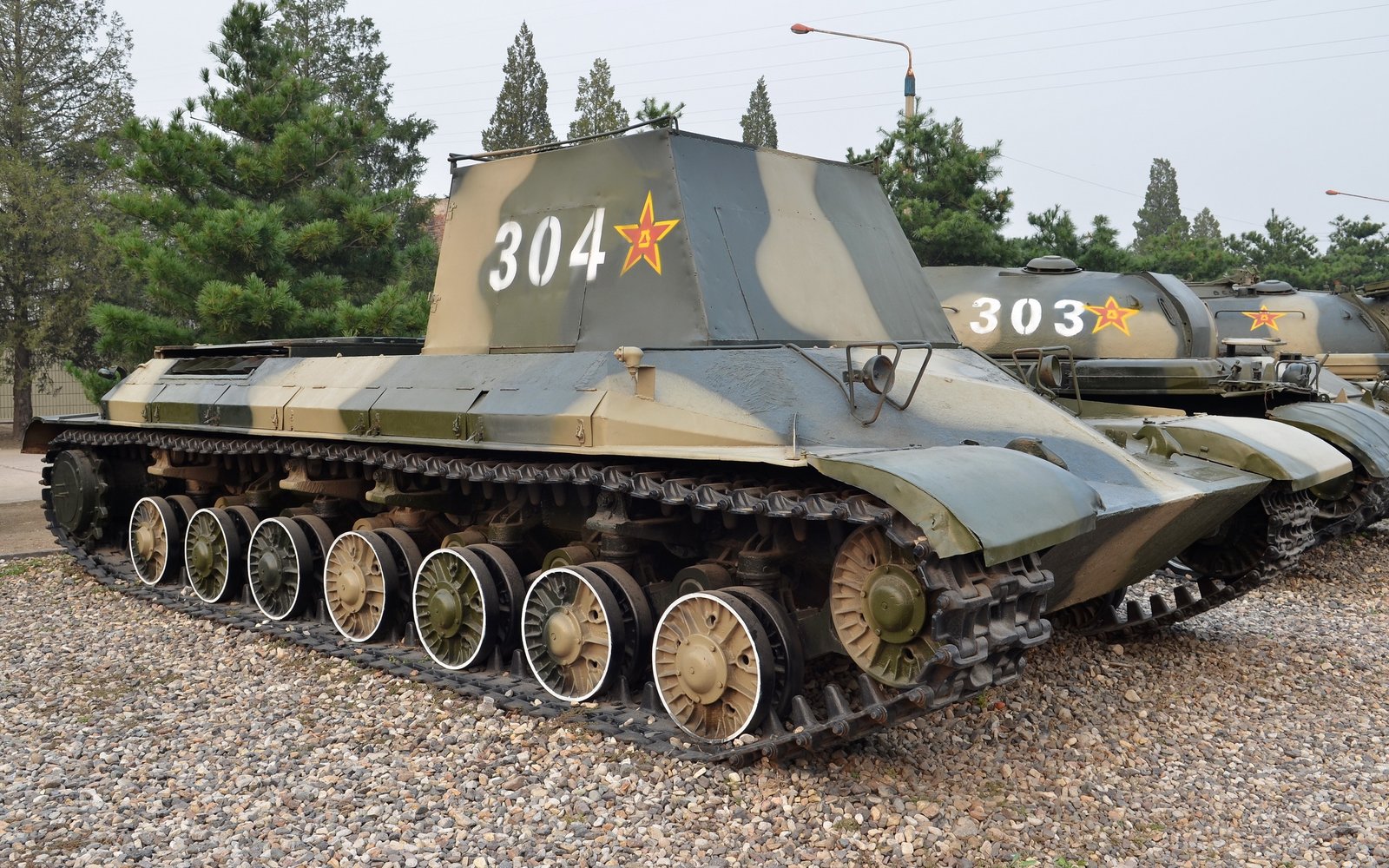
Read the profileThe WZ-111 was a Chinese attempt to develop a modern heavy tank after the formation of the PRC and during the era when China was absorbing, copying, and adapting Soviet armored-vehicle technology.
Read the profileThe Lorraine 40t was a French prototype medium tank, indexed in the available accounts as a Cold War prototype/cancelled family.
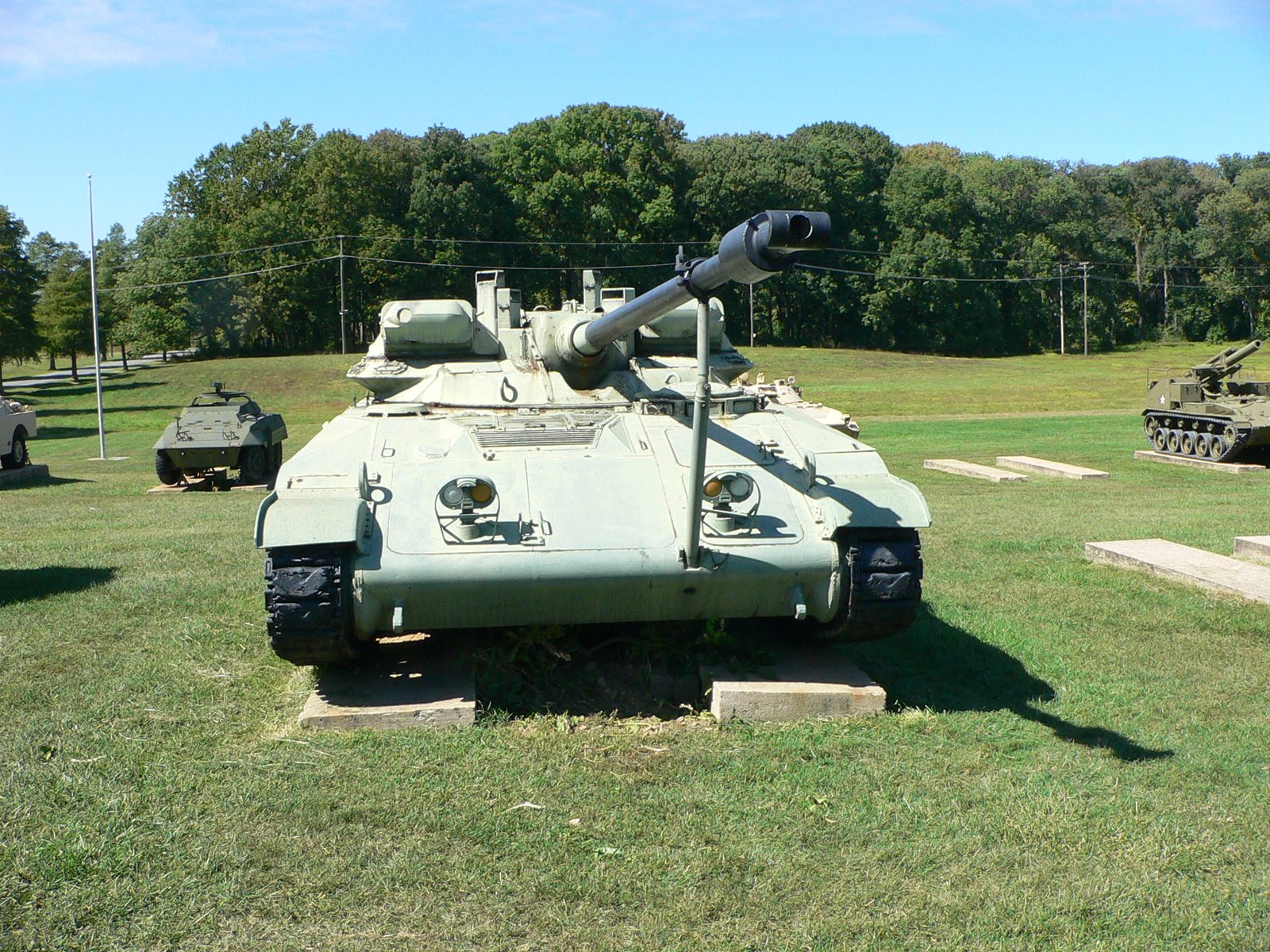
Read the profileThe T92 light tank was one of the most technically adventurous U.S. armored-vehicle prototypes of the 1950s.
Read the profileObject 430 was a Soviet prototype medium tank developed at the Kharkiv transport machine-building plant design bureau under the Morozov design lineage to produce a qualitative successor to the T-54.
Read the profileThe Swedish Centurion was a British-designed tank family adapted into Swedish service under local designations.
Read the profileThe Char 25t was a short-lived French prototype tank program built by Batignolles-Châtillon at Nantes in the mid-1950s.
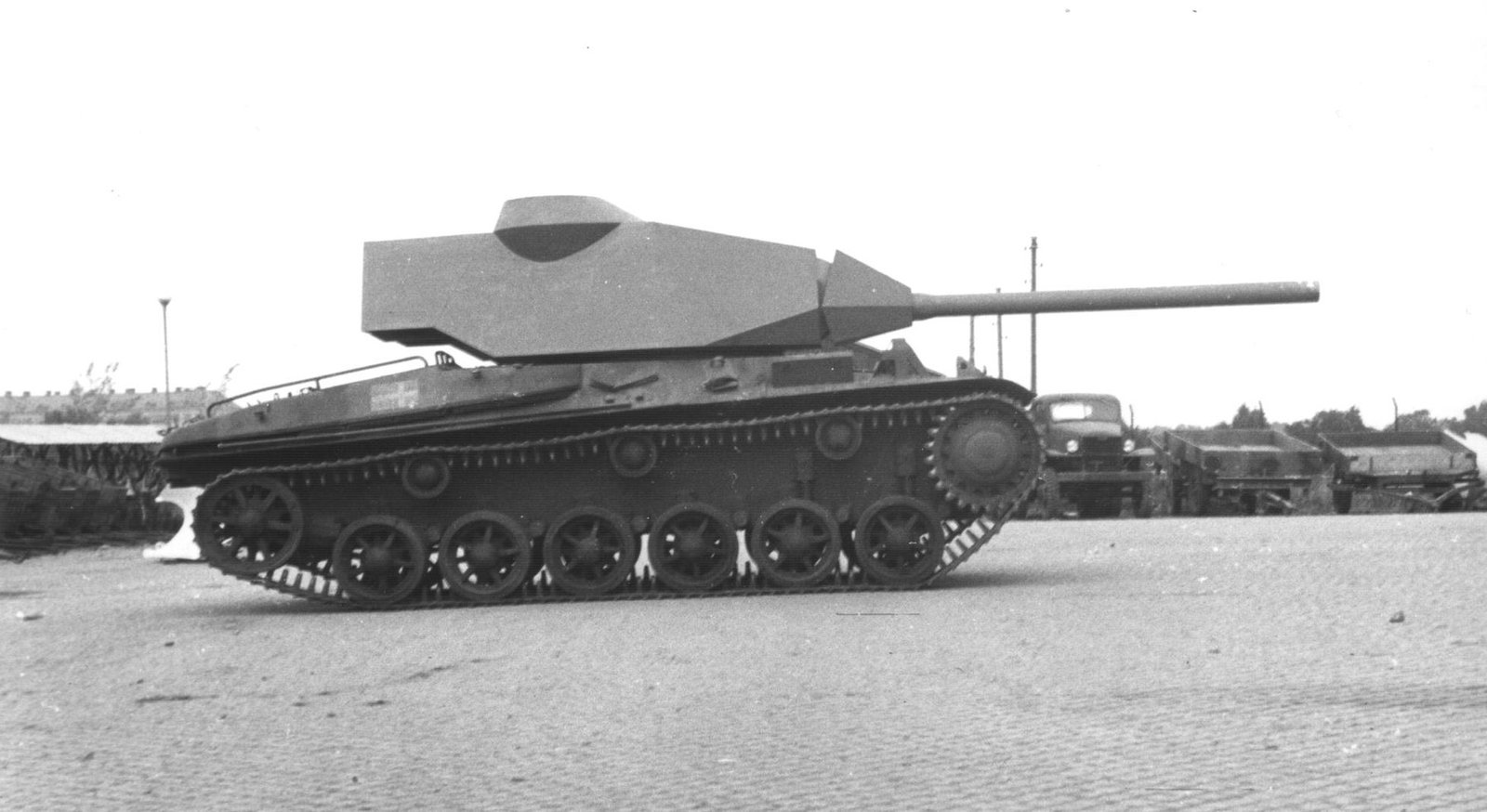
Read the profileStridsvagn 74 was not a clean-sheet Swedish main battle tank. It was a disciplined conversion program that reused the Strv m/42 hull and chassis while replacing the underpowered wartime turret-and-gun installation with a new angular turret carrying a much more…
Read the profileThe T95 was a cancelled American experimental tank program intended to supersede the M48 and explore a lighter vehicle capable of filling both medium- and heavy-tank roles.
Read the profileThe FV4202 40-ton Centurion was a physical research vehicle rather than a battlefield tank.
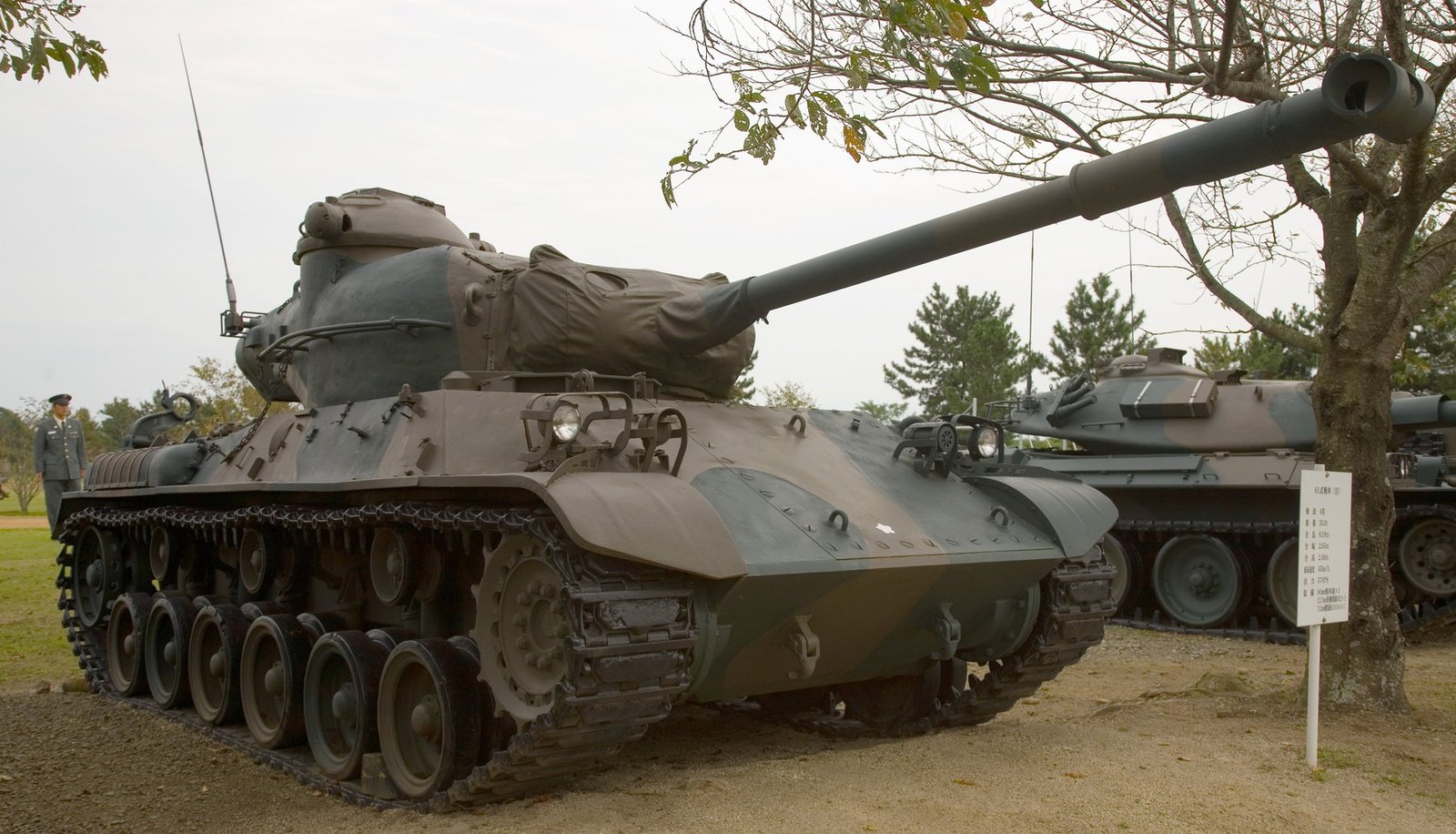
Read the profileThe Type 61 was Japan's first postwar domestic tank and the first main battle tank fielded by the JGSDF.
Read the profileThe Europanzer / Standard-Panzer entry is best understood as a development program rather than a single vehicle.
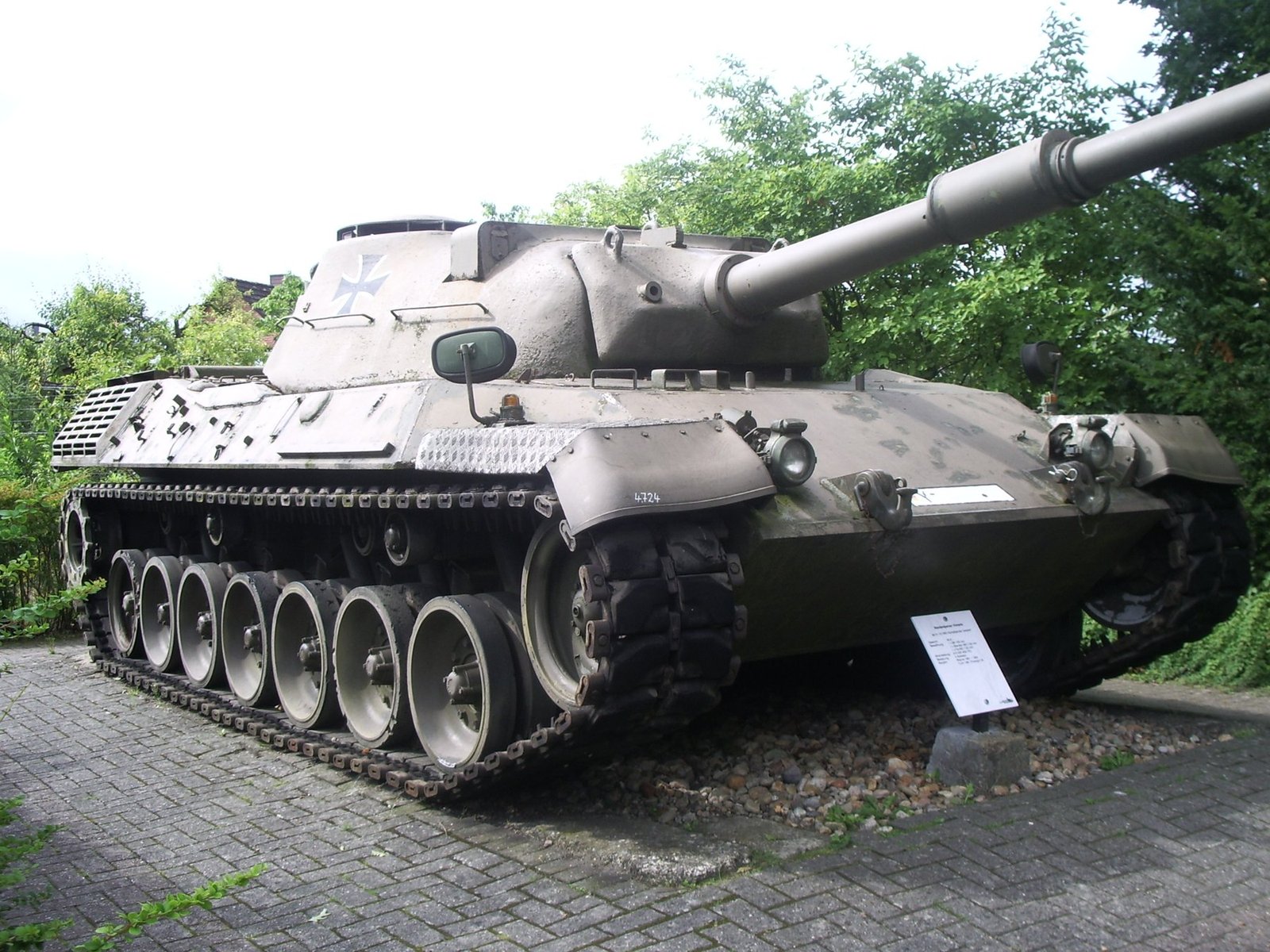
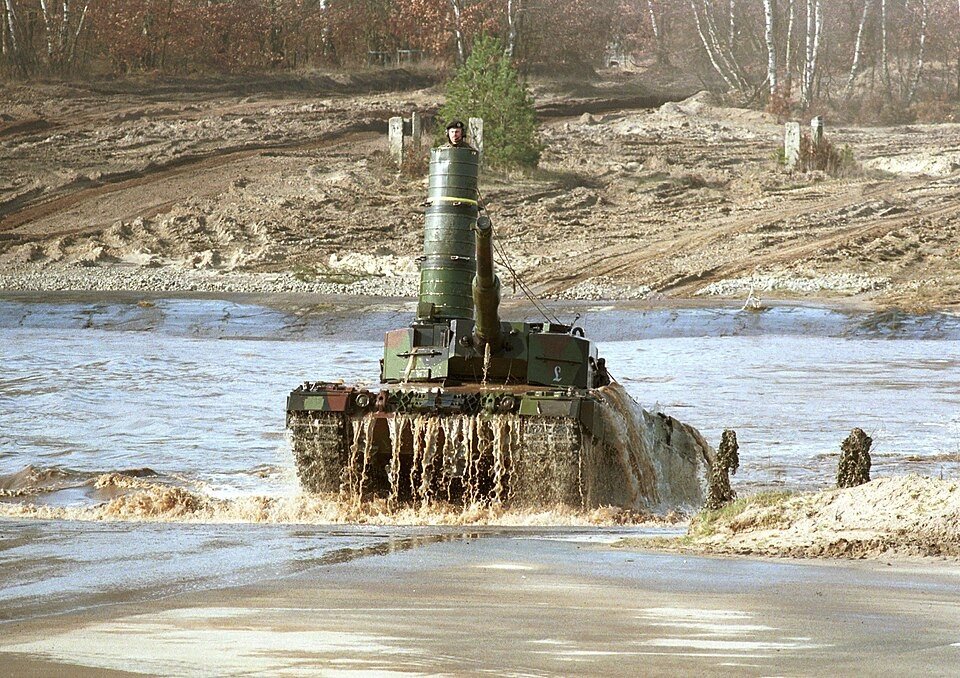
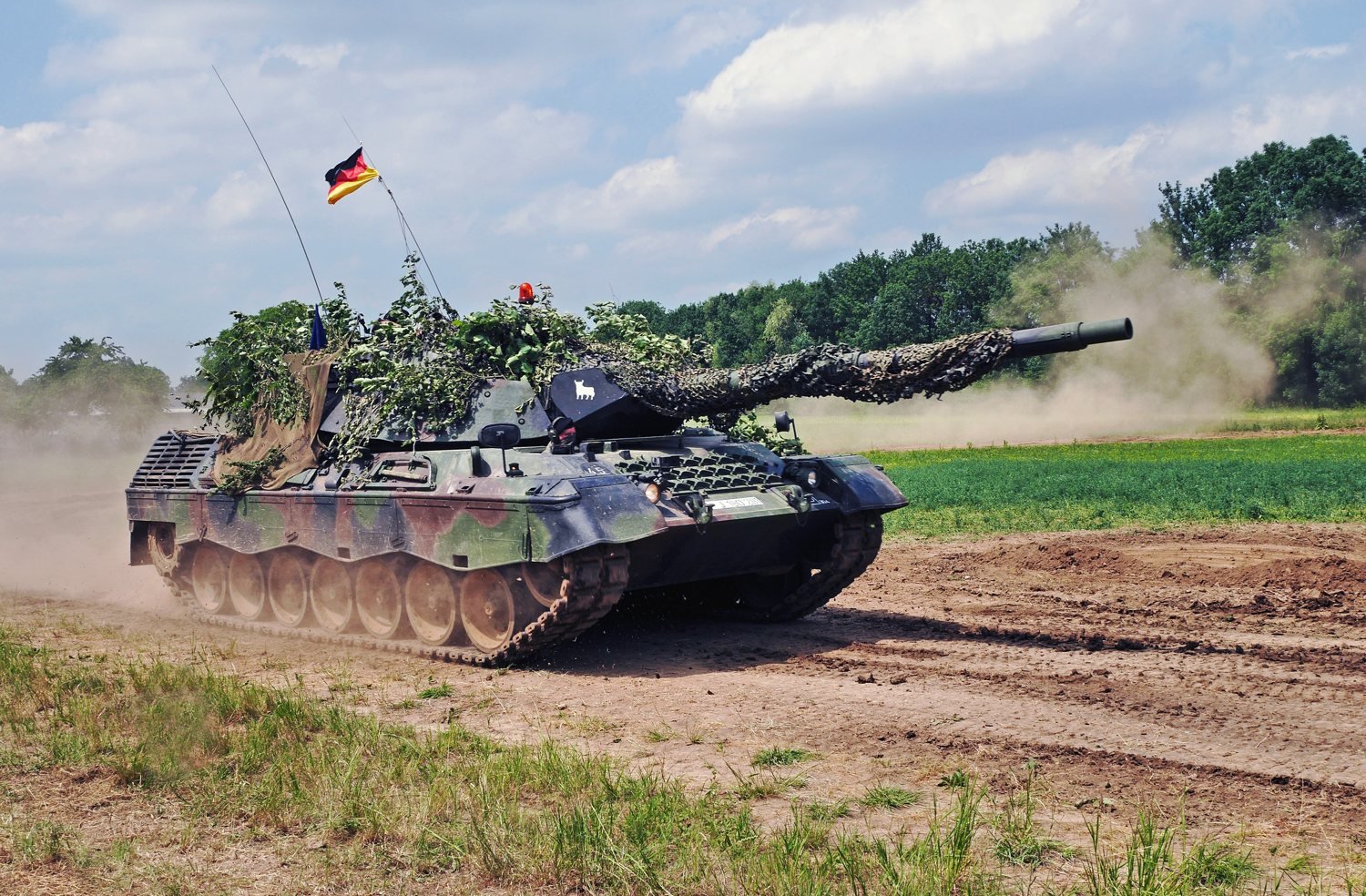
Read the profileThe Leopard 1 emerged from the late-1950s Standardpanzer effort and entered Bundeswehr service in September 1965.
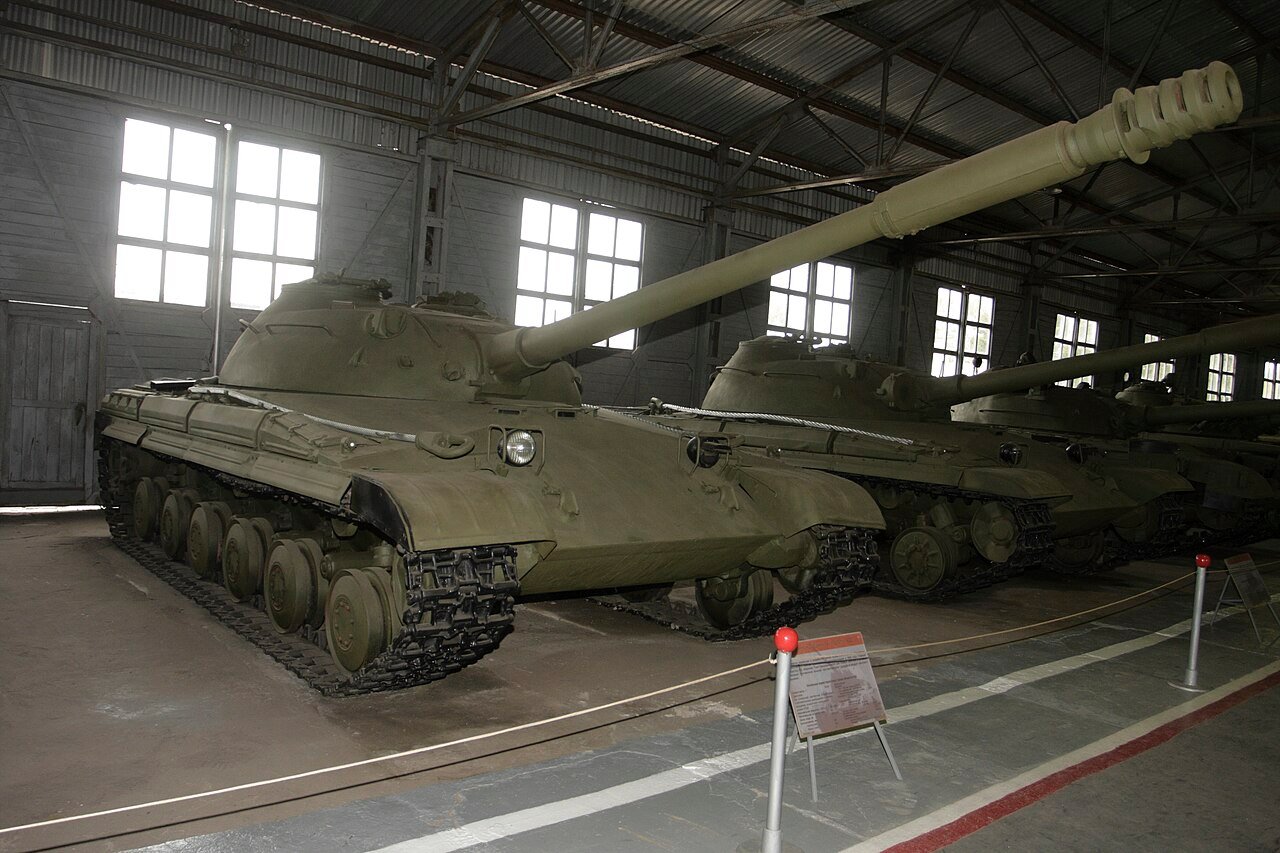
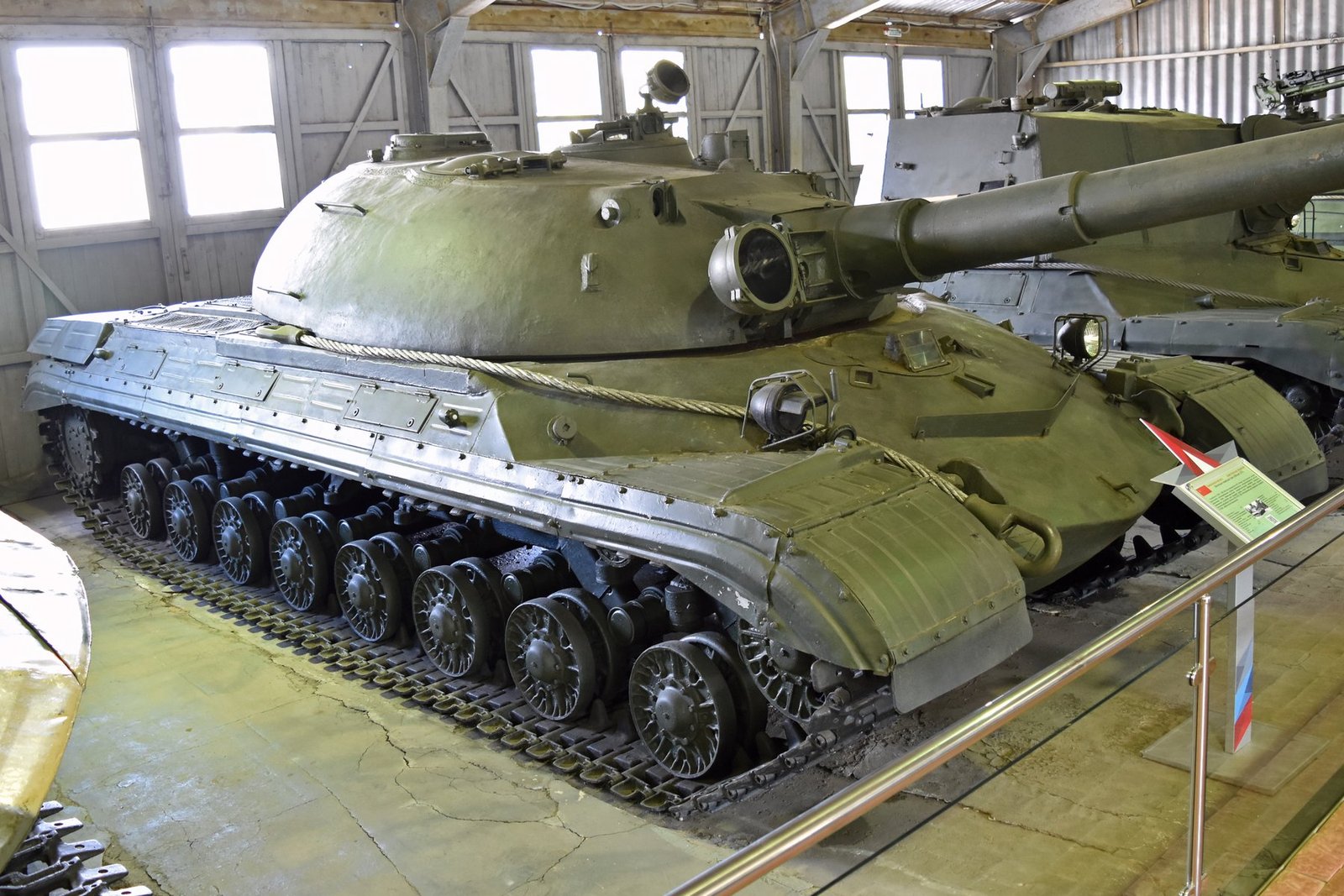
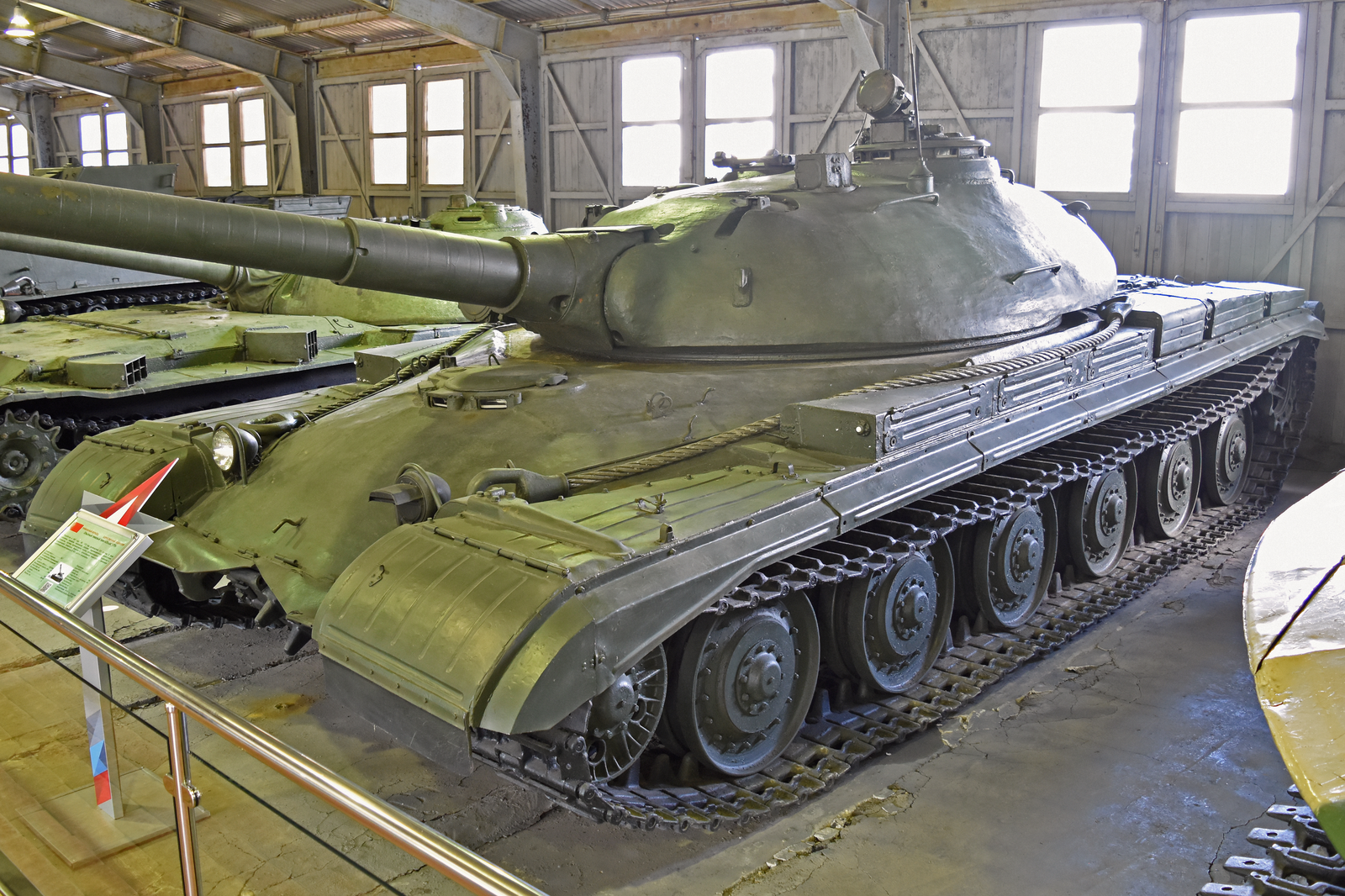
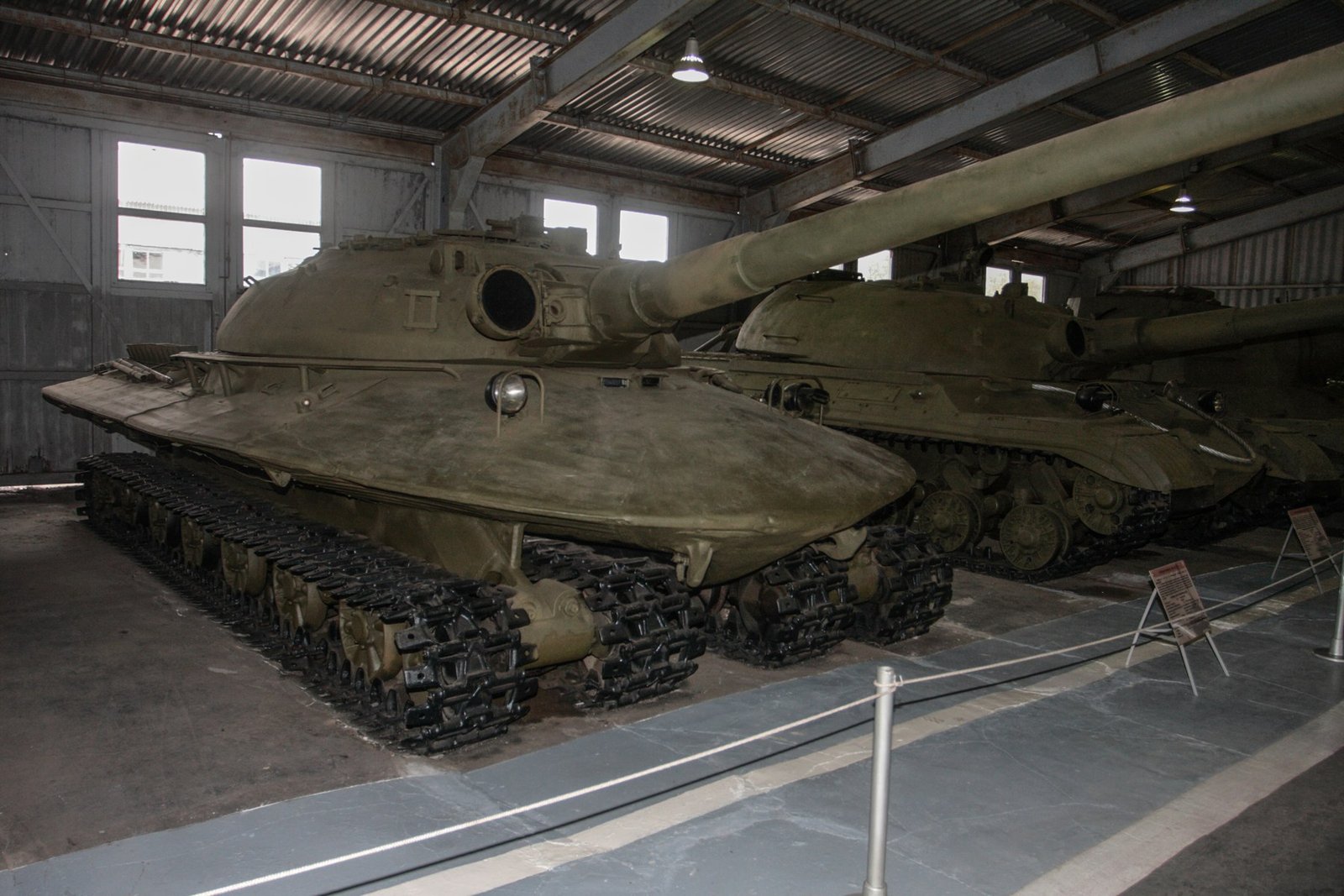
Read the profileObject 277 was a late Soviet experimental heavy tank designed to replace or surpass the T-10 rather than to create a fundamentally new main battle tank.
Read the profileObject 770 was not a production tank family in the normal sense; it was a prototype heavy tank and one of the last serious Soviet attempts to build a purpose-designed, heavily protected, gun-armed breakthrough vehicle after the T-10.
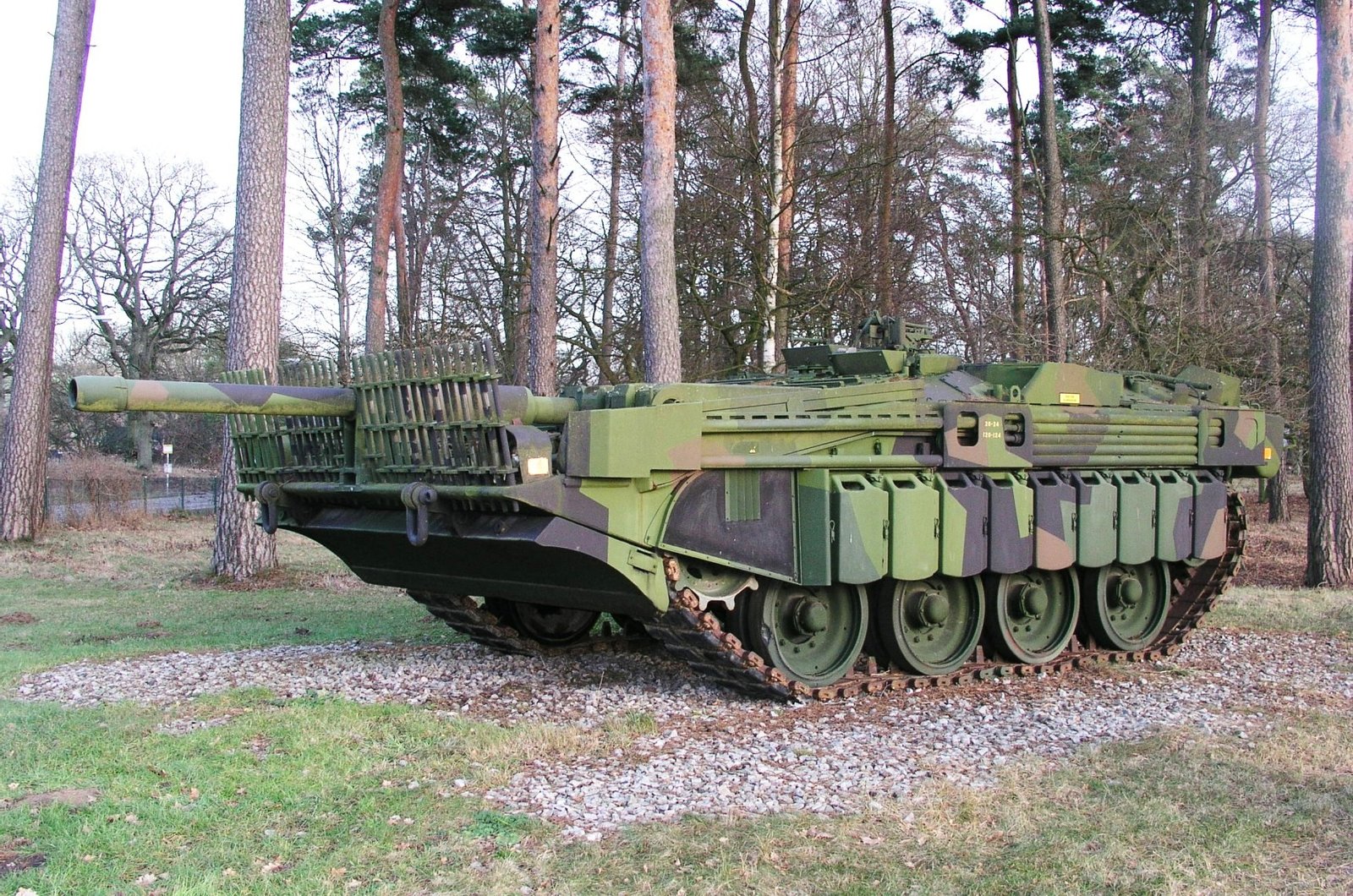
Read the profileThe Stridsvagn 103, commonly called the S-tank, was a Swedish turretless main battle tank.
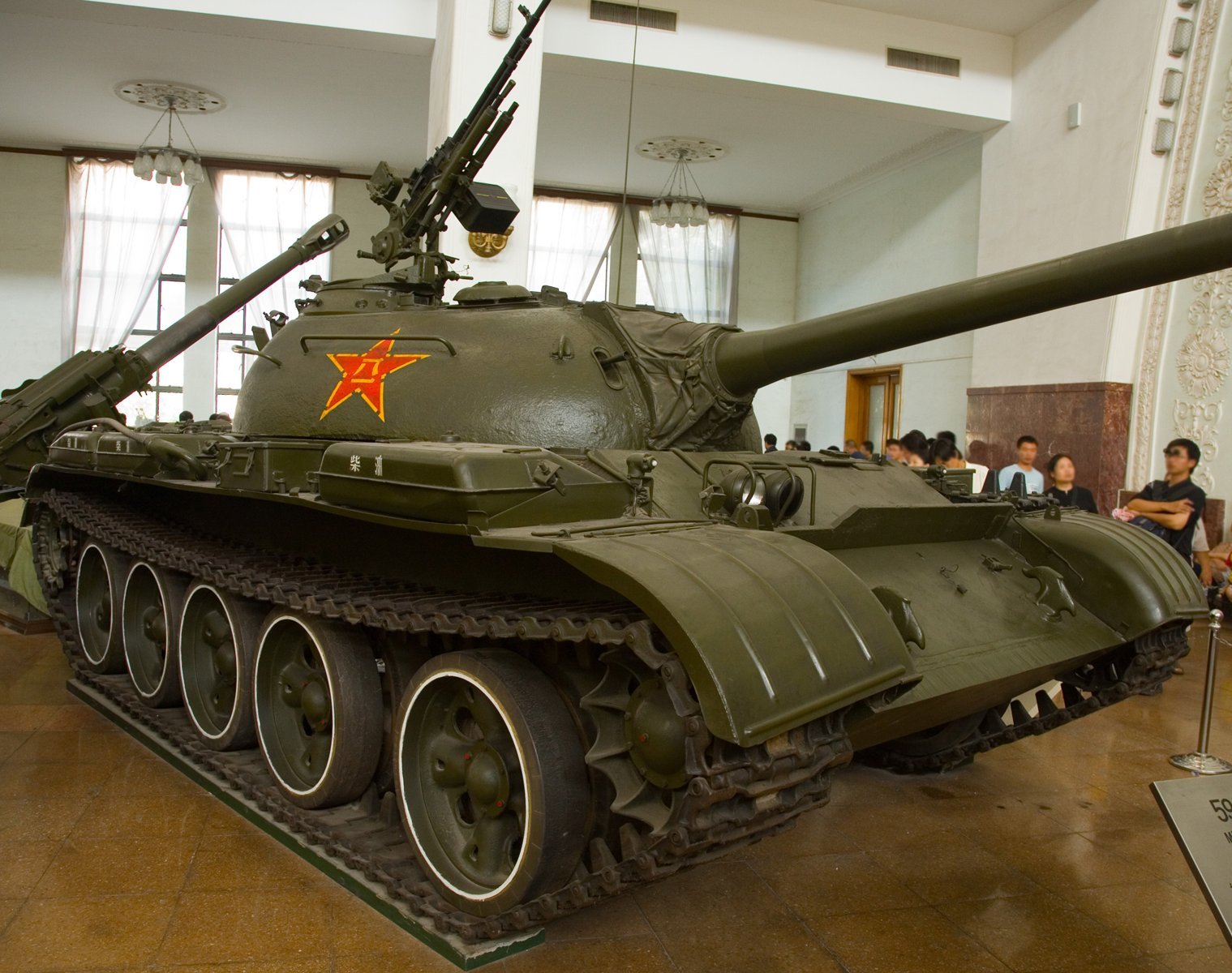
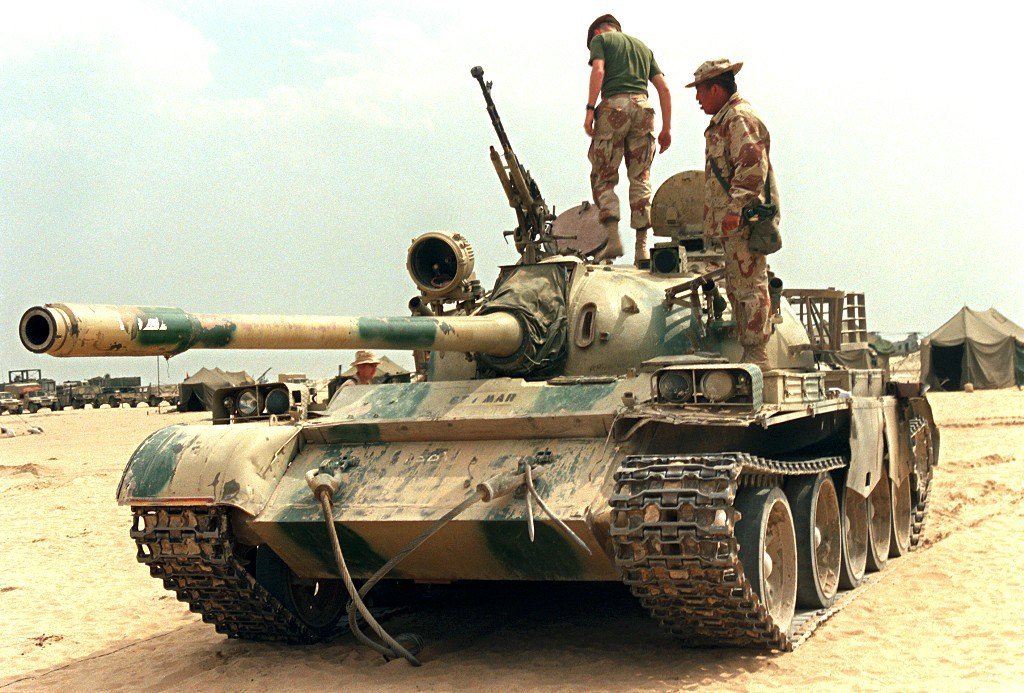
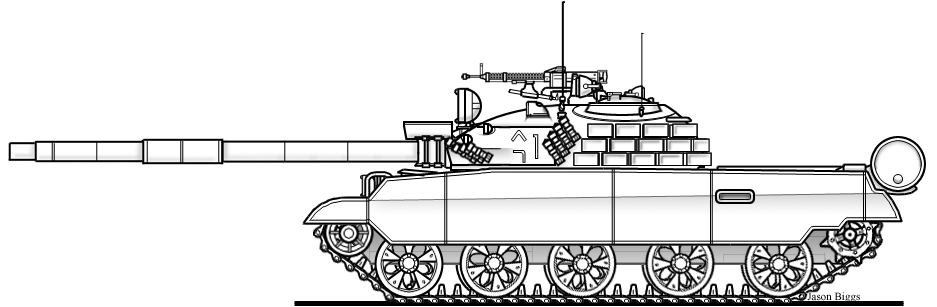
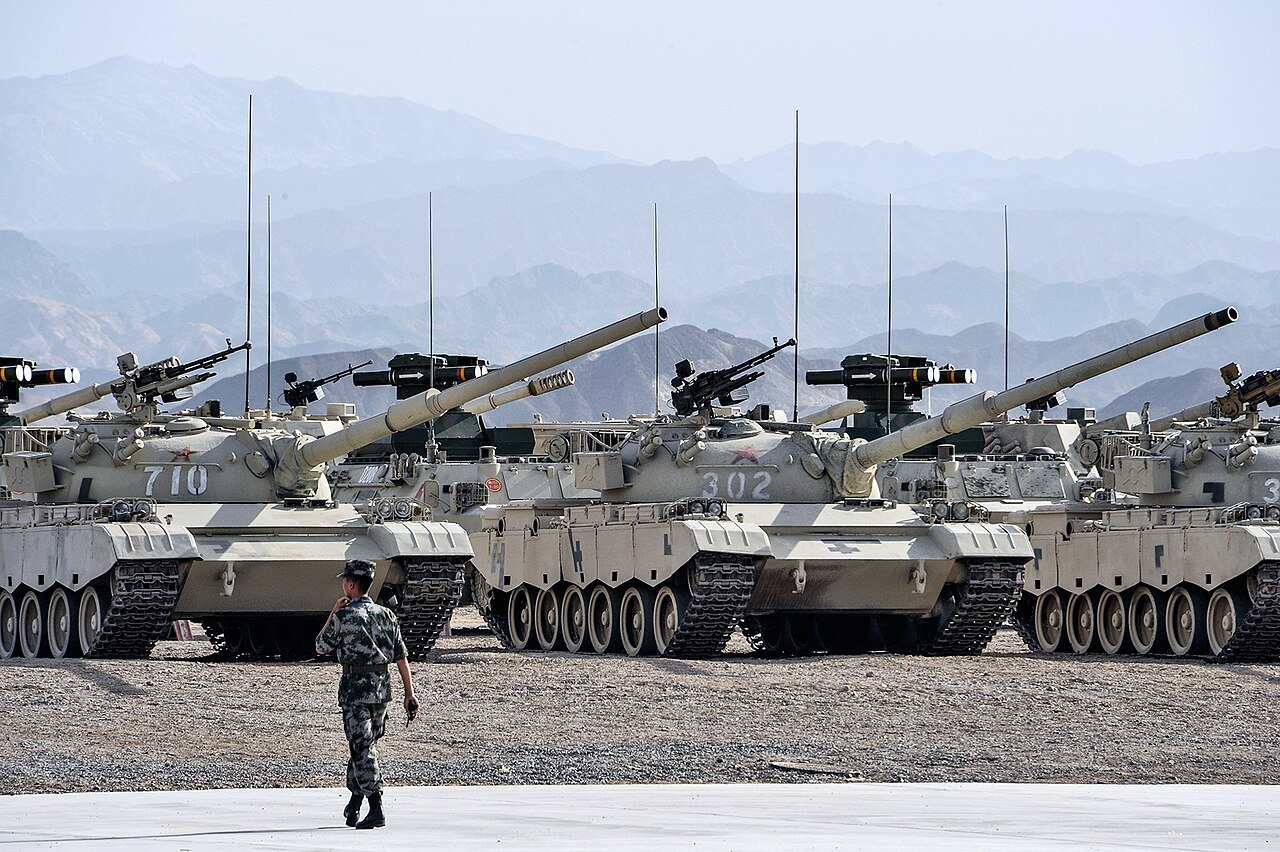
Read the profileThe Type 59 / WZ-120 was a Chinese-built derivative of the Soviet T-54A, accepted into Chinese service in 1959 and closely linked to the construction of Factory 617 at Baotou.
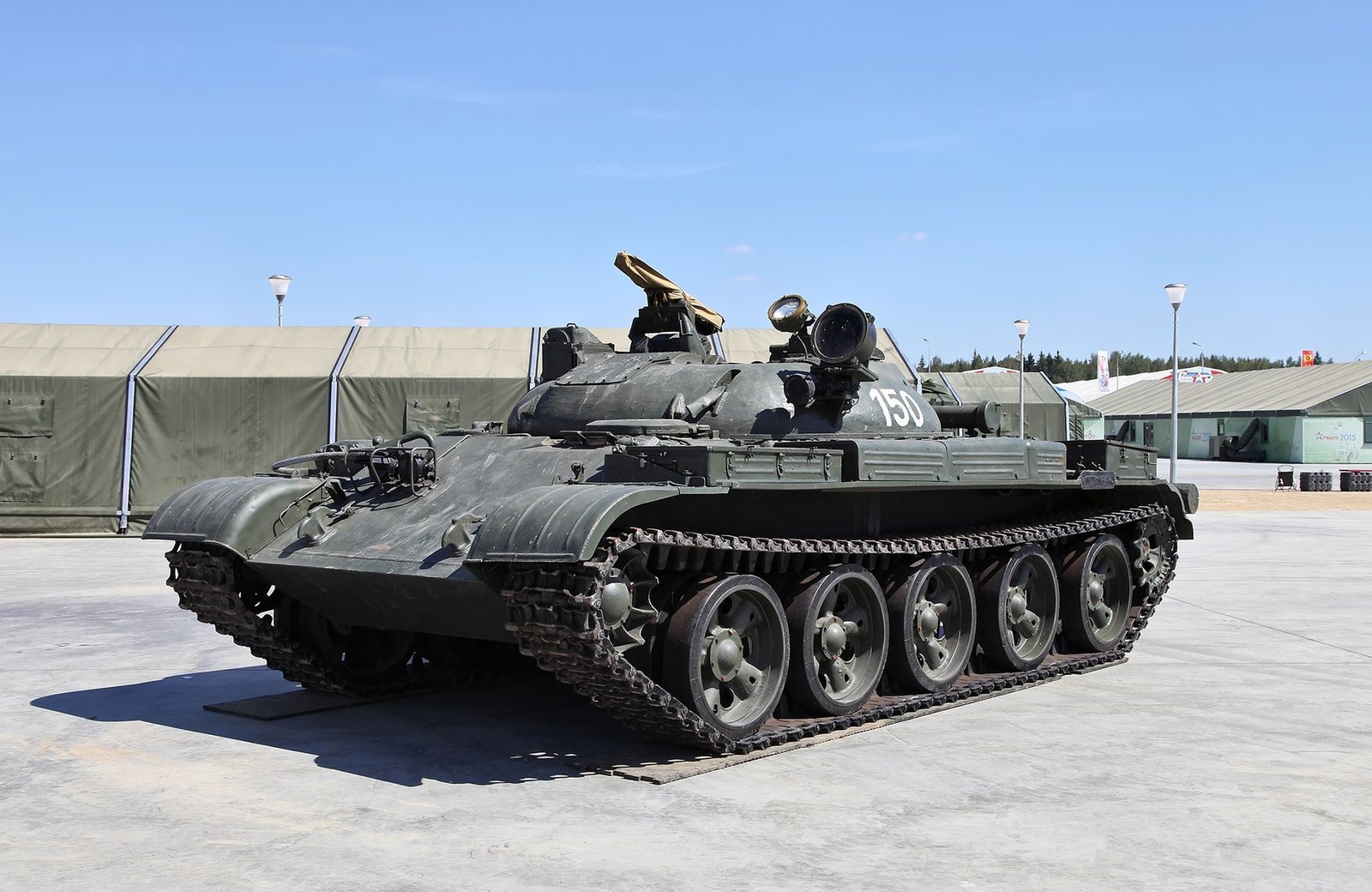
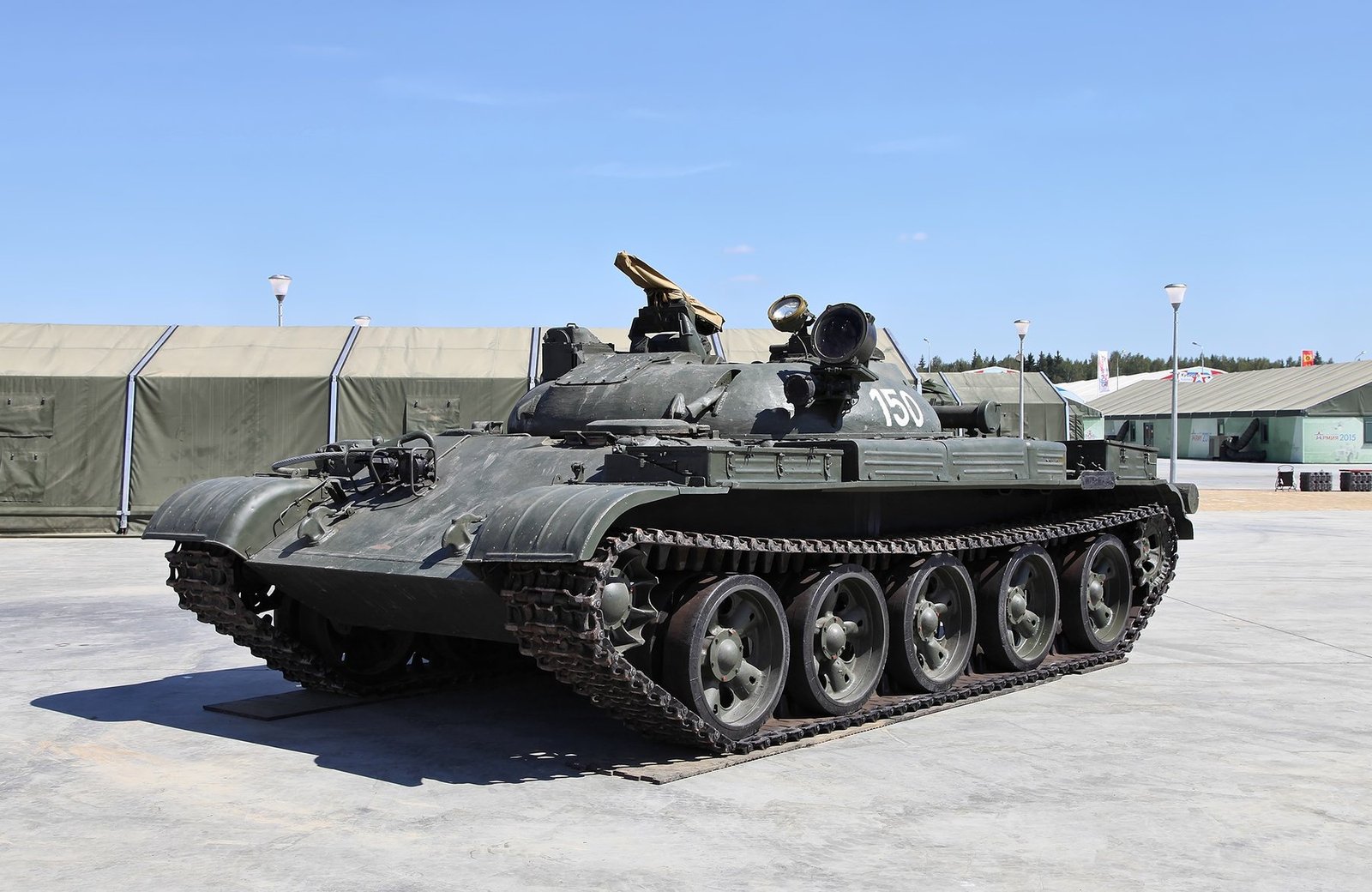
Read the profileThe IT-1, officially associated with Object 150, was a Soviet missile tank/tank-destroyer built on a T-62-derived hull and fitted with a low-profile turret that housed a retractable single-rail launcher, autoloading missile stowage, a radio-command guidance system…
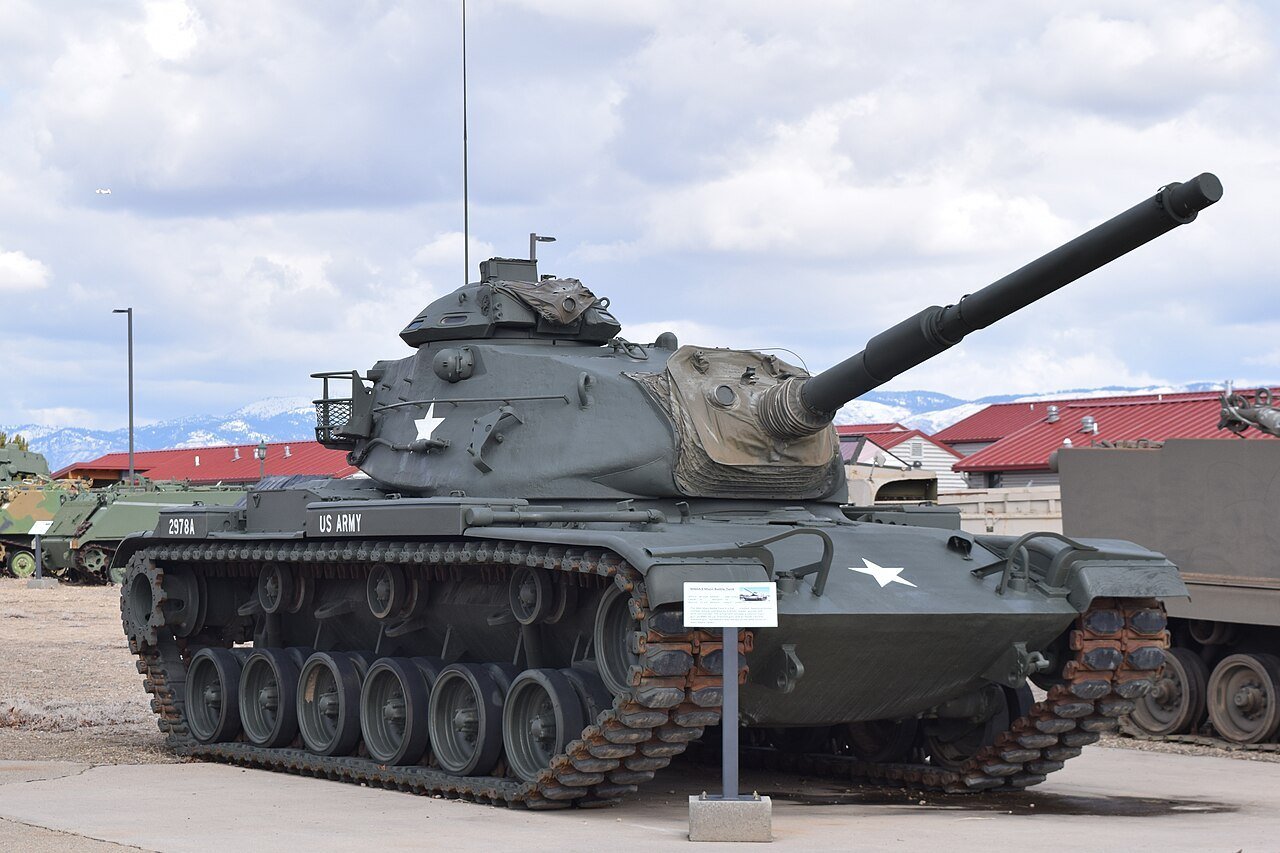
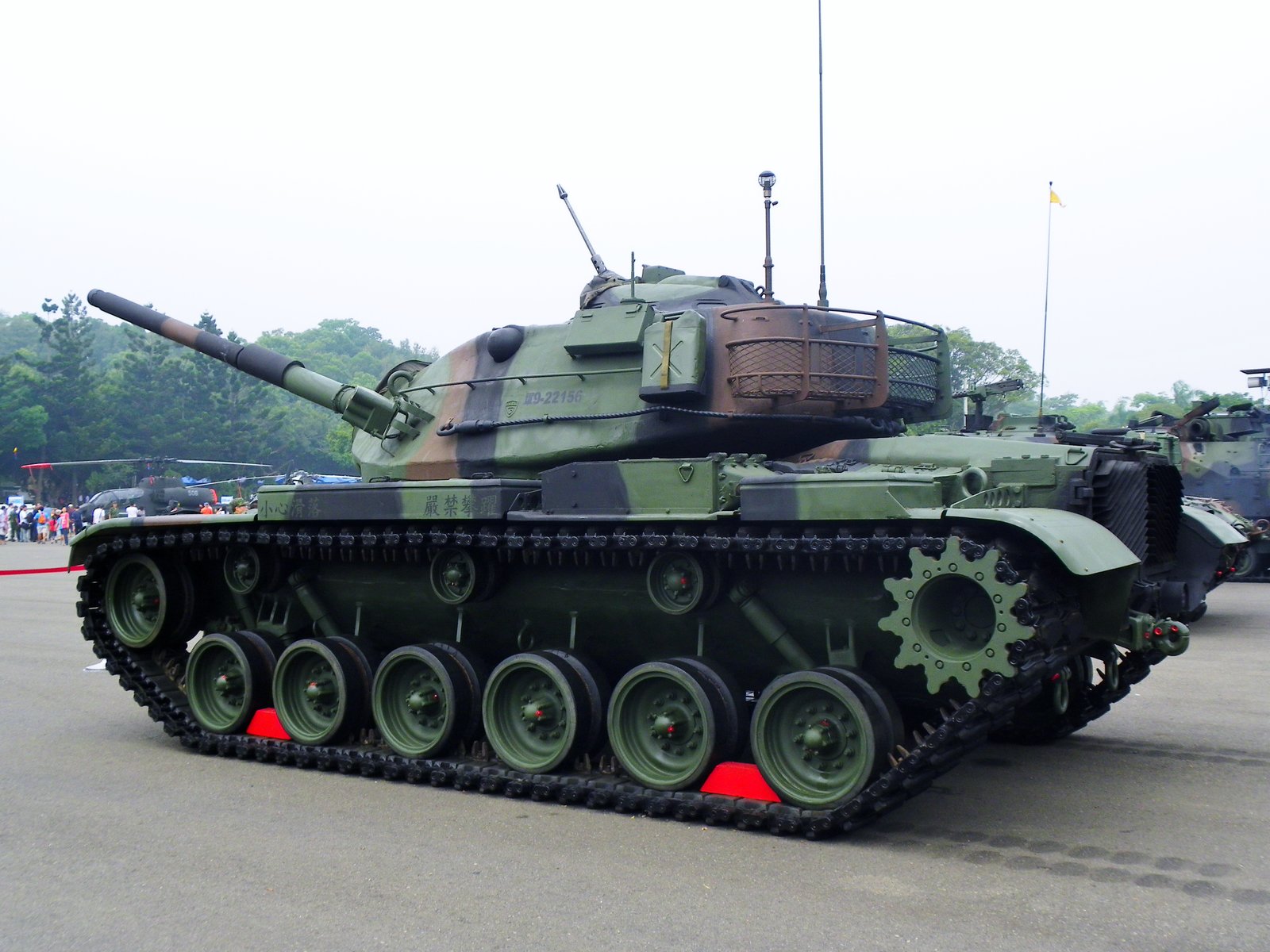
Read the profileThe M60 was a Cold War main battle tank born from the M48 Patton lineage but standardized as a new vehicle with the 105 mm M68 gun, diesel AVDS-1790 powerpack, improved range, and revised armor/hull features.
Read the profileObject 279 was a Soviet prototype heavy tank, not a production tank. The vehicle is described as a unique, less certain Cold War prototype under family/prototype ID USSR-OBJ279, with one completed vehicle and the role “prototype heavy tank.” the cited accounts dates…
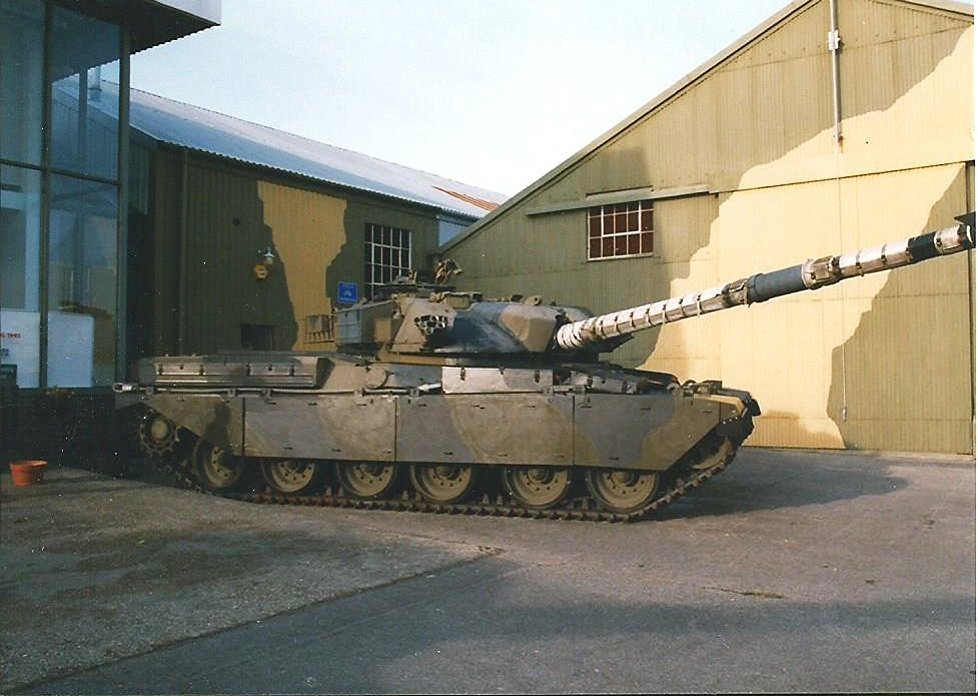
Read the profileChieftain was the British Army's principal main battle tank during much of the Cold War.
Read the profileThe Panzer 61 was the first Swiss domestic main battle tank to enter full production.
Read the profileThe T-62 was a Soviet medium tank / early main battle tank derived from the T-54/T-55 lineage and the Object 165/166 design sequence.
Read the profileThe T-64 was a Soviet main battle tank family developed in Kharkiv as a high-end replacement for the T-54/T-55/T-62 lineage.
Read the profileWhat it was. The Type 62 / WZ-131 was the People's Liberation Army's purpose-built light tank answer to a problem that the Type 59 medium tank could not solve cleanly: how to bring a turreted, tracked gun tank into southern Chinese, Vietnamese, Himalayan, and other…
Read the profileThe Type 63 / WZ-211 was a Chinese amphibious light tank developed after China obtained and assessed Soviet PT-76 amphibious tanks in the 1950s.
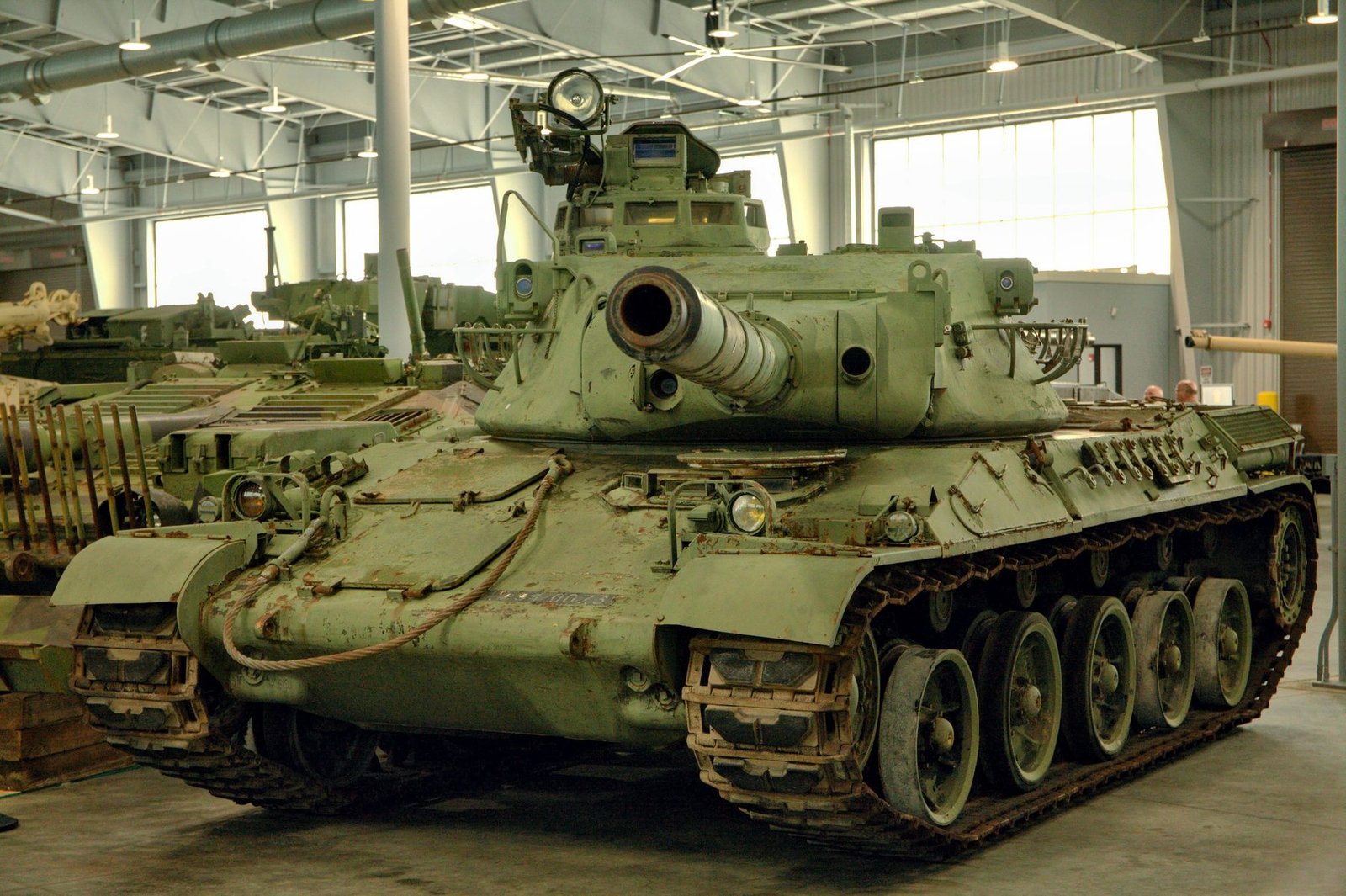
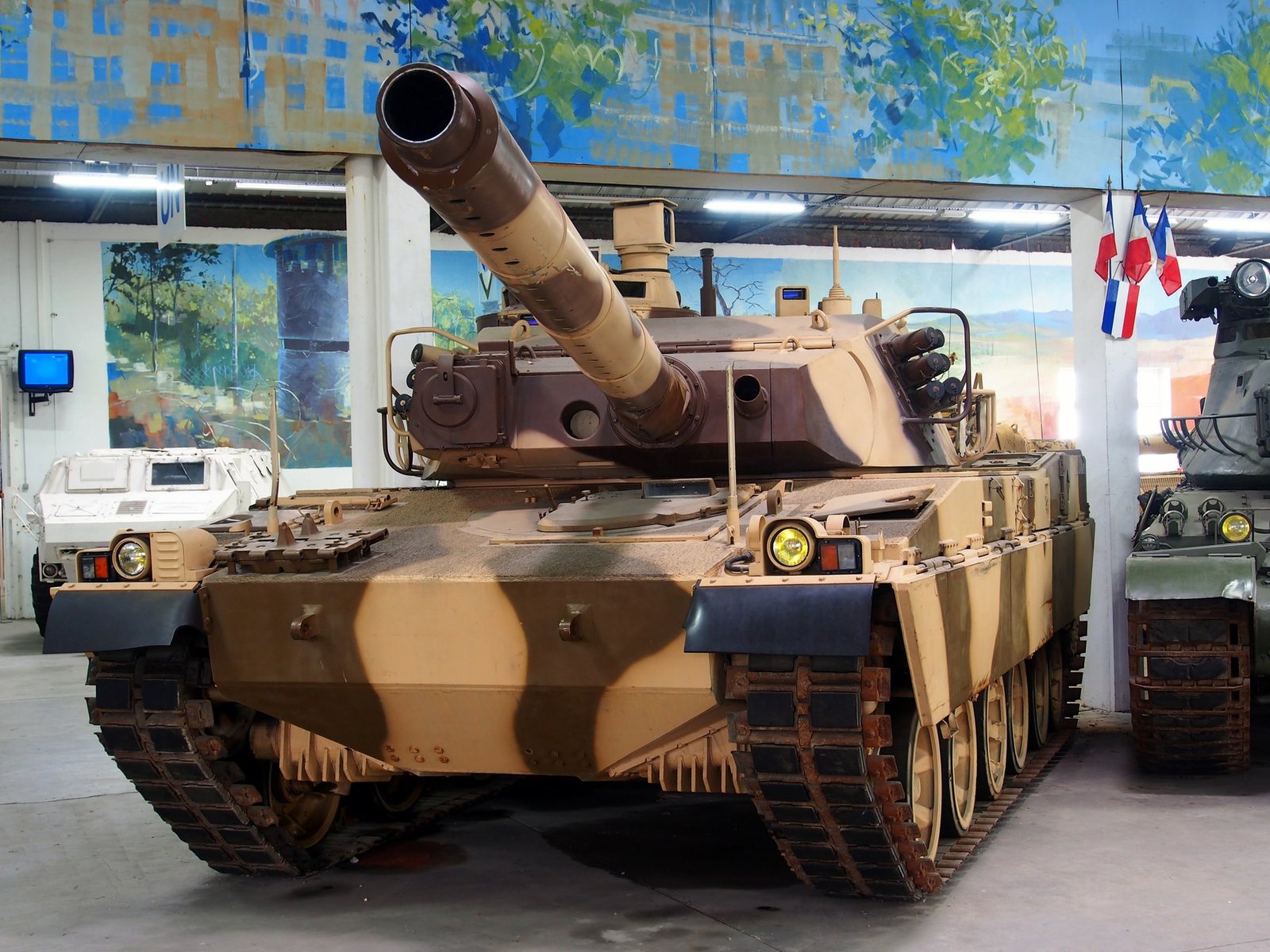
Read the profileThe AMX-30 was the French answer to the NATO-era problem of replacing first-generation postwar tanks with a vehicle able to fight on a nuclear and missile-saturated battlefield.
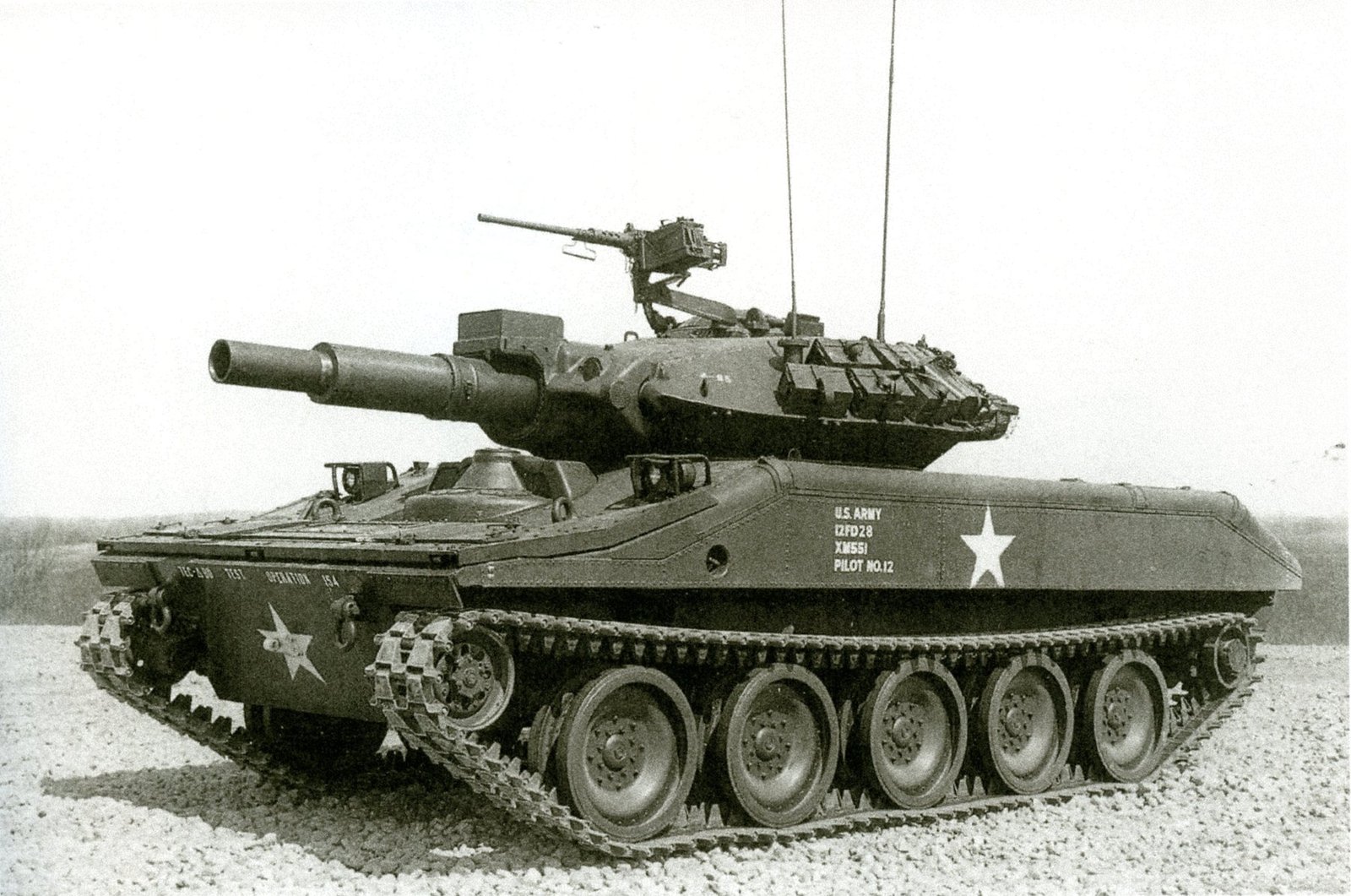
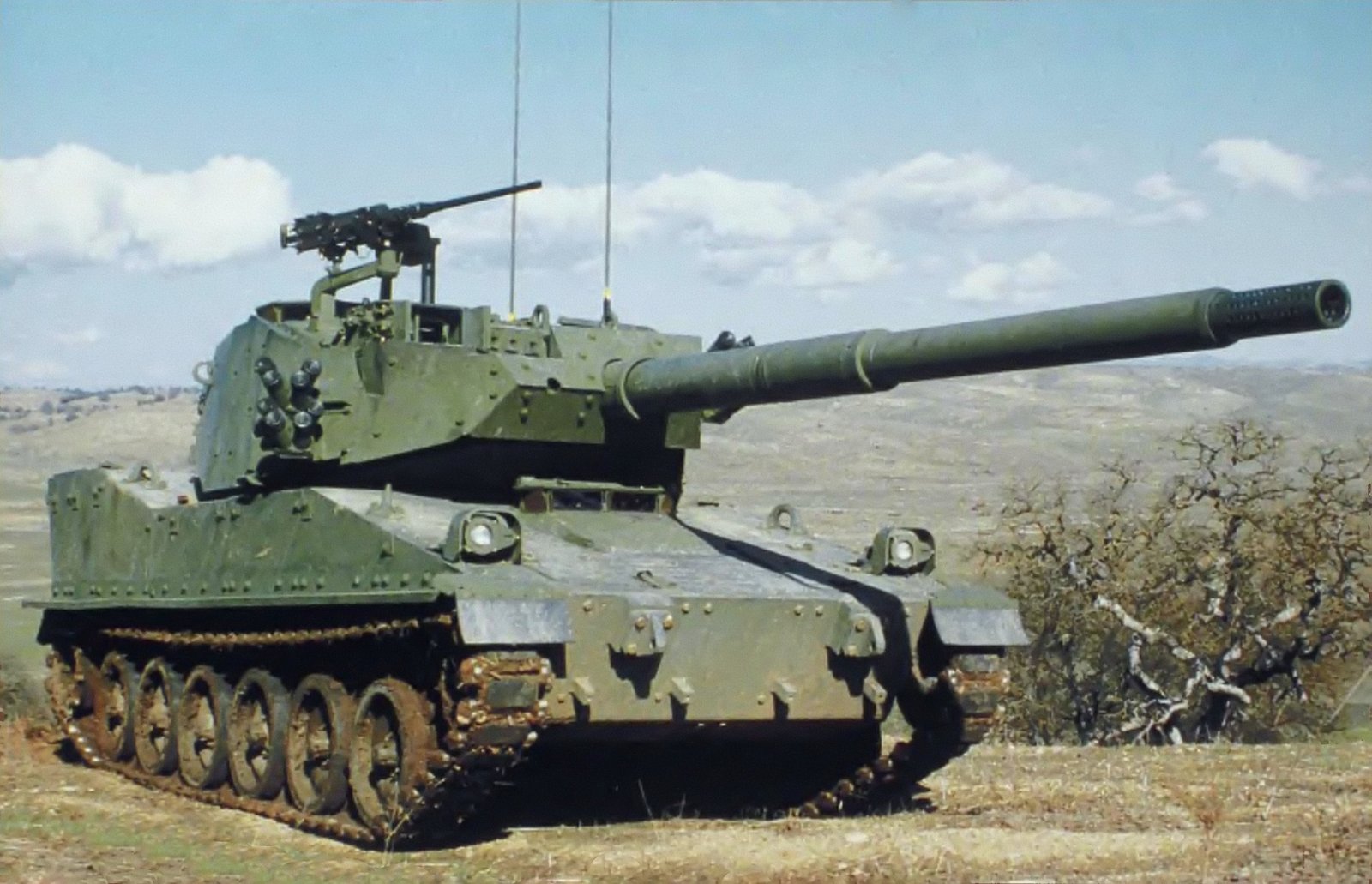
Read the profileThe M551 Sheridan was a compact, four-crew, aluminum-hulled, steel-turreted airborne light tank formally designated as an Armored Reconnaissance/Airborne Assault Vehicle.
Read the profileSho't was the Israeli name and modernization path for the British Centurion main battle tank.
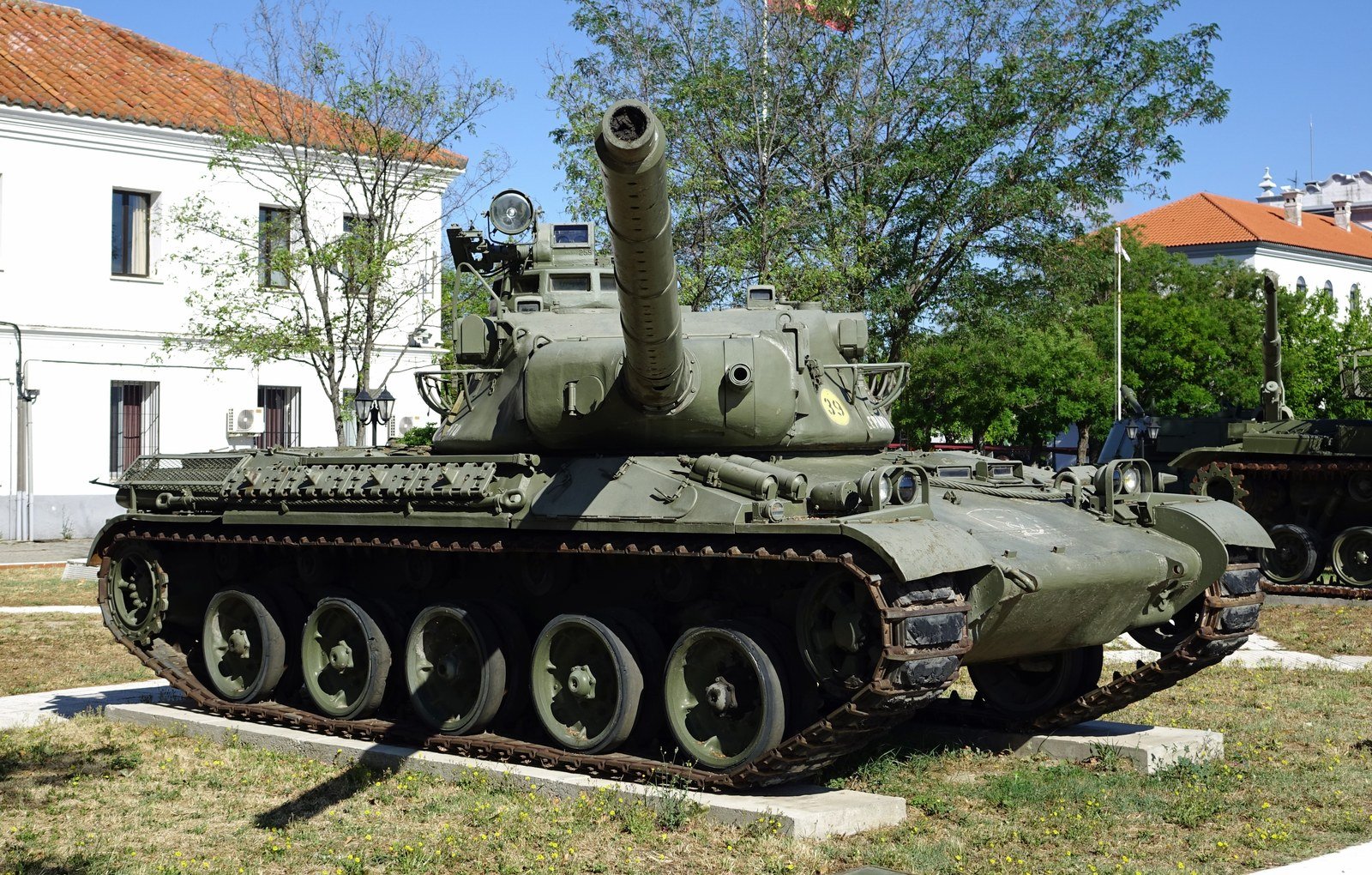
Read the profileThe AMX-30E was the Spanish license-production branch of the French AMX-30 main battle tank family.
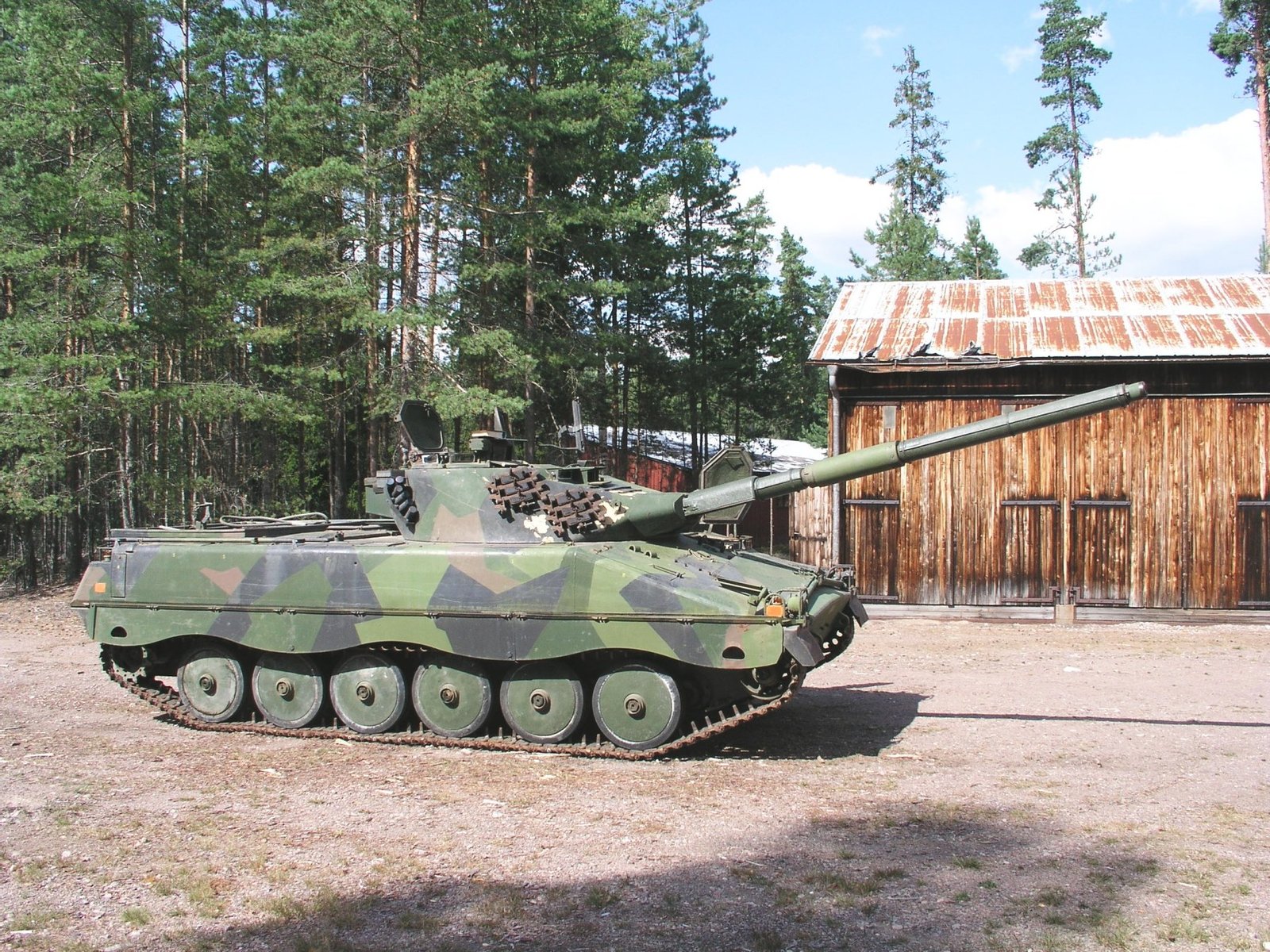
Read the profileThe Ikv 91 was Sweden's late-Cold-War solution to a specific infantry-support problem: obsolete Swedish assault-gun companies still needed a mobile direct-fire weapon that could support infantry, move through difficult northern terrain, cross water obstacles, and…
Read the profileThe Magach family was the Israel Defense Forces’ large Patton-based armor fleet: M48 and M60 tanks reworked through successive Israeli upgrade standards.
Read the profileThe Panzer 68 was a Swiss main battle tank designed and manufactured by the federal construction works at Thun as a successor to the Panzer 61.
Read the profileObject 167 occupies an important but easily misunderstood place in Soviet tank development.
Read the profileThe Vickers MBT was an export-oriented British main battle tank family. Vickers designed it around a practical proposition: combine a proven Western 105 mm gun, a conventional four-crew layout, modest steel armor, and relatively inexpensive manufacture into a…
Read the profileVijayanta was India's first large-scale main battle tank built under license and one of the earliest major armored-vehicle programs to tie Indian Army requirements to domestic heavy-vehicle manufacture.
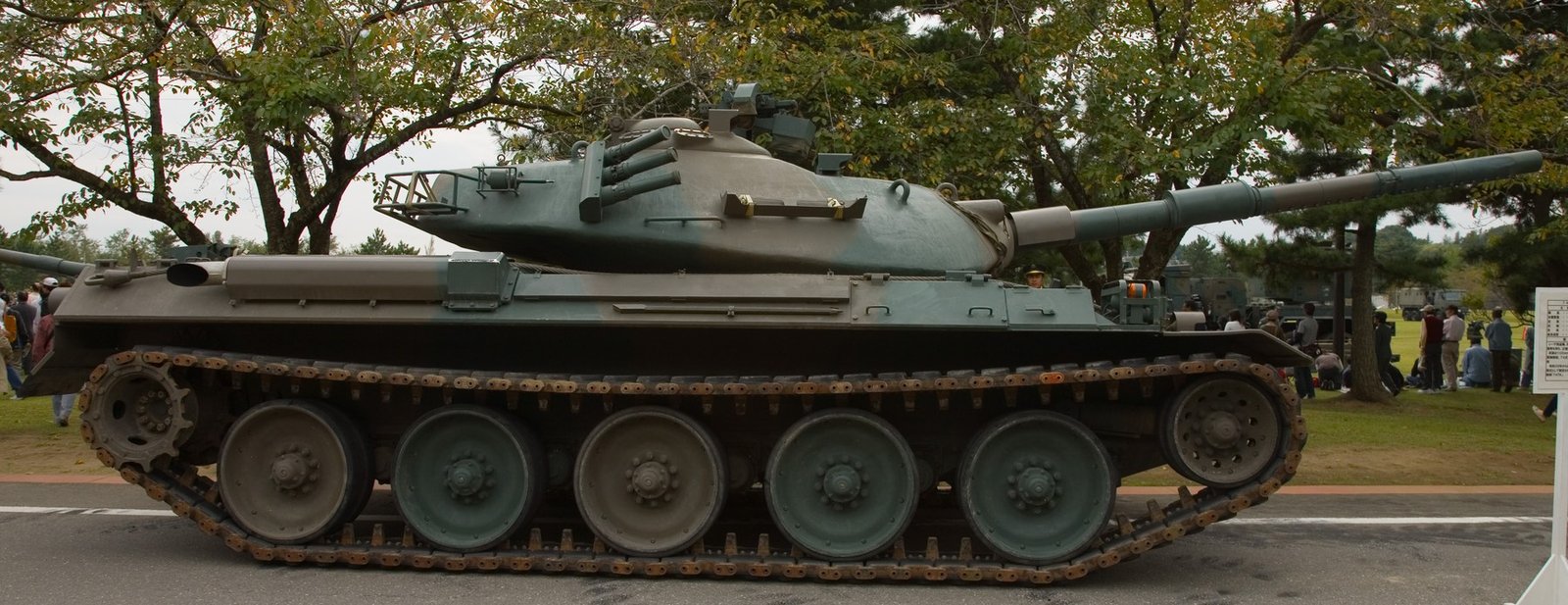
Read the profileThe Type 74 was a four-crew Japanese main battle tank developed under the Japan Defense Agency’s postwar armored-vehicle program and manufactured principally by Mitsubishi Heavy Industries, with the 105 mm gun produced domestically by Japan Steel Works under the…
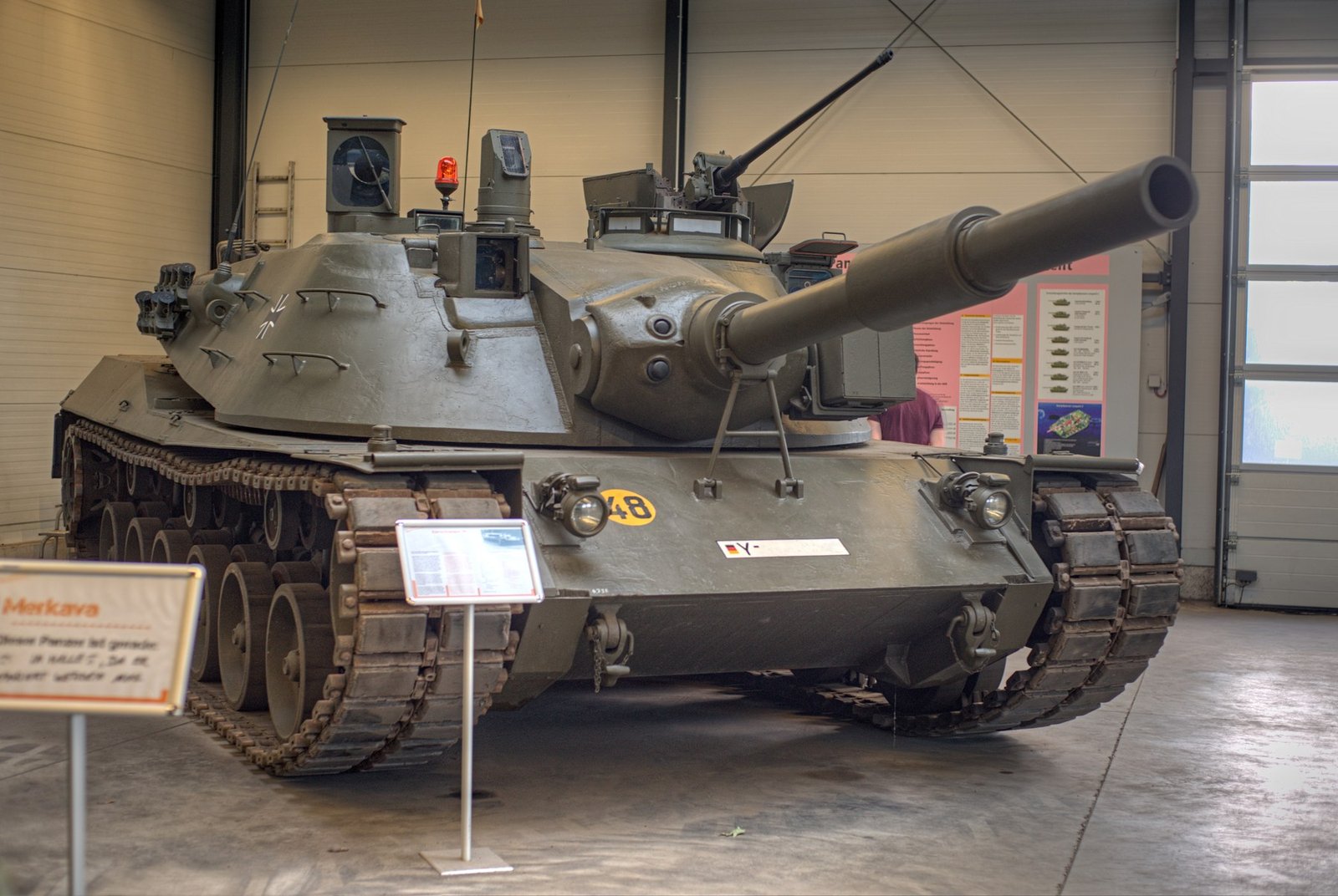
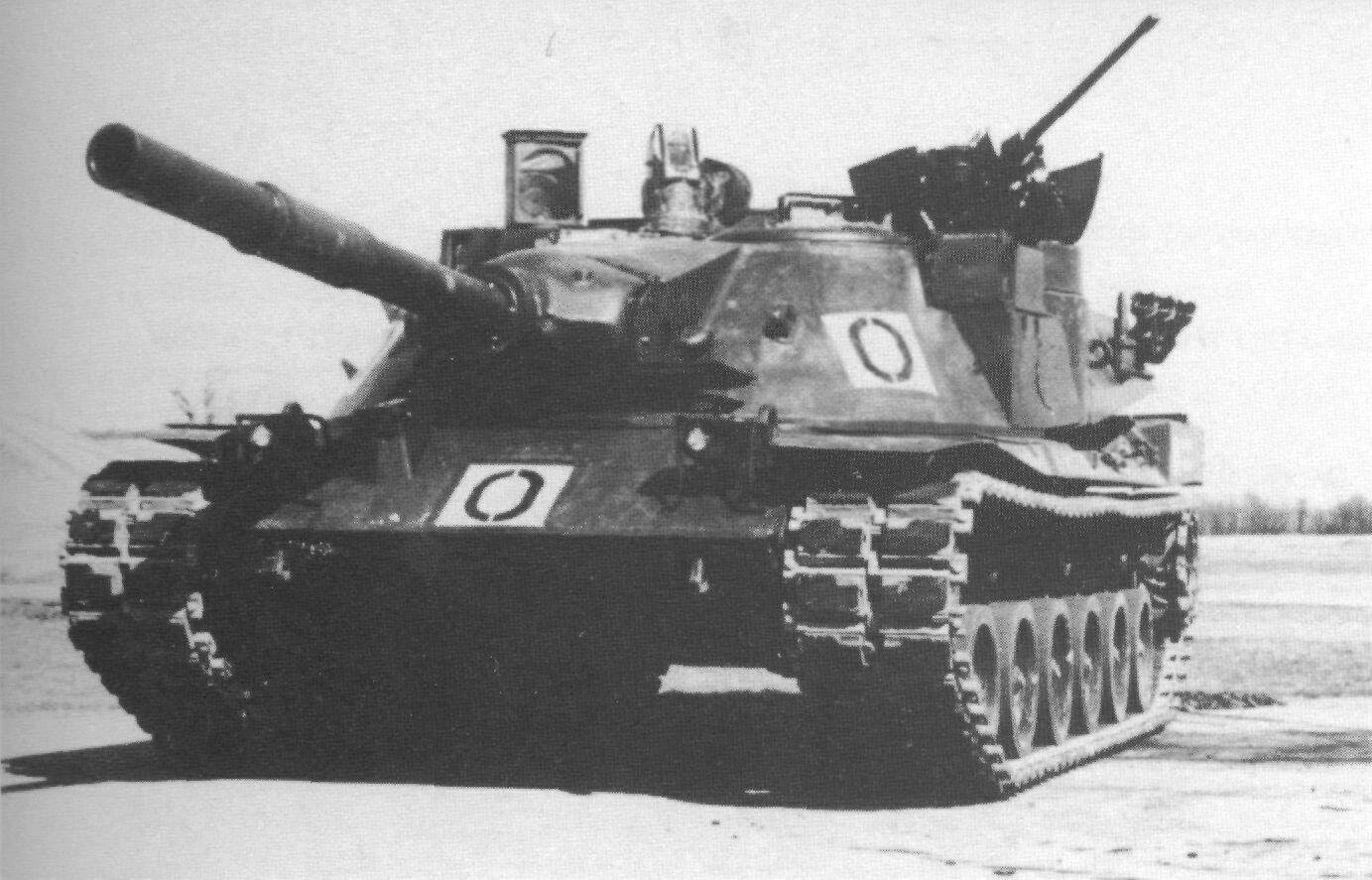
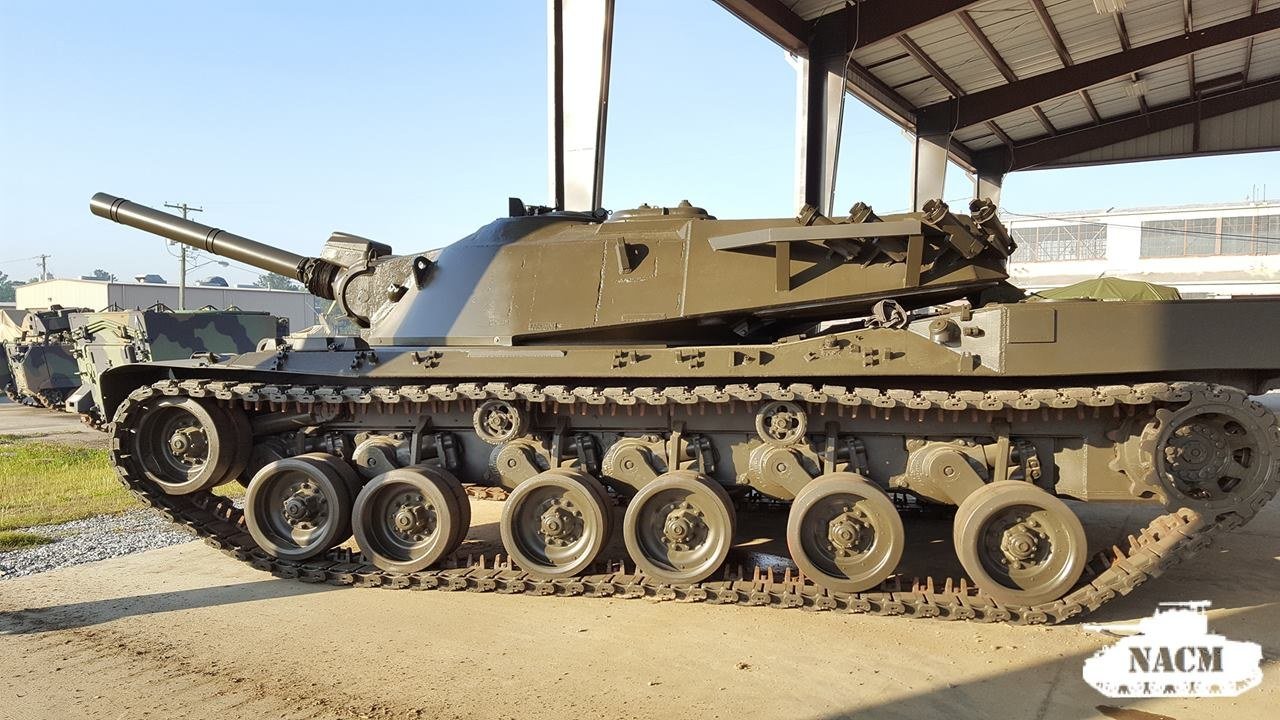
Read the profileThe KPz-70 was not an operational tank family. It was a prototype main battle tank family created inside the U.S.–West German MBT-70 program, with West Germany calling its branch Kampfpanzer 70 and the United States calling the joint vehicle Main Battle Tank 70.
Read the profileThe MBT-70 / KPz-70 was a built, tested, full-scale prototype main battle tank family rather than an operational tank.
Read the profileThe Type 69 / Type 79 family occupied a transitional position in Chinese armored-vehicle development.
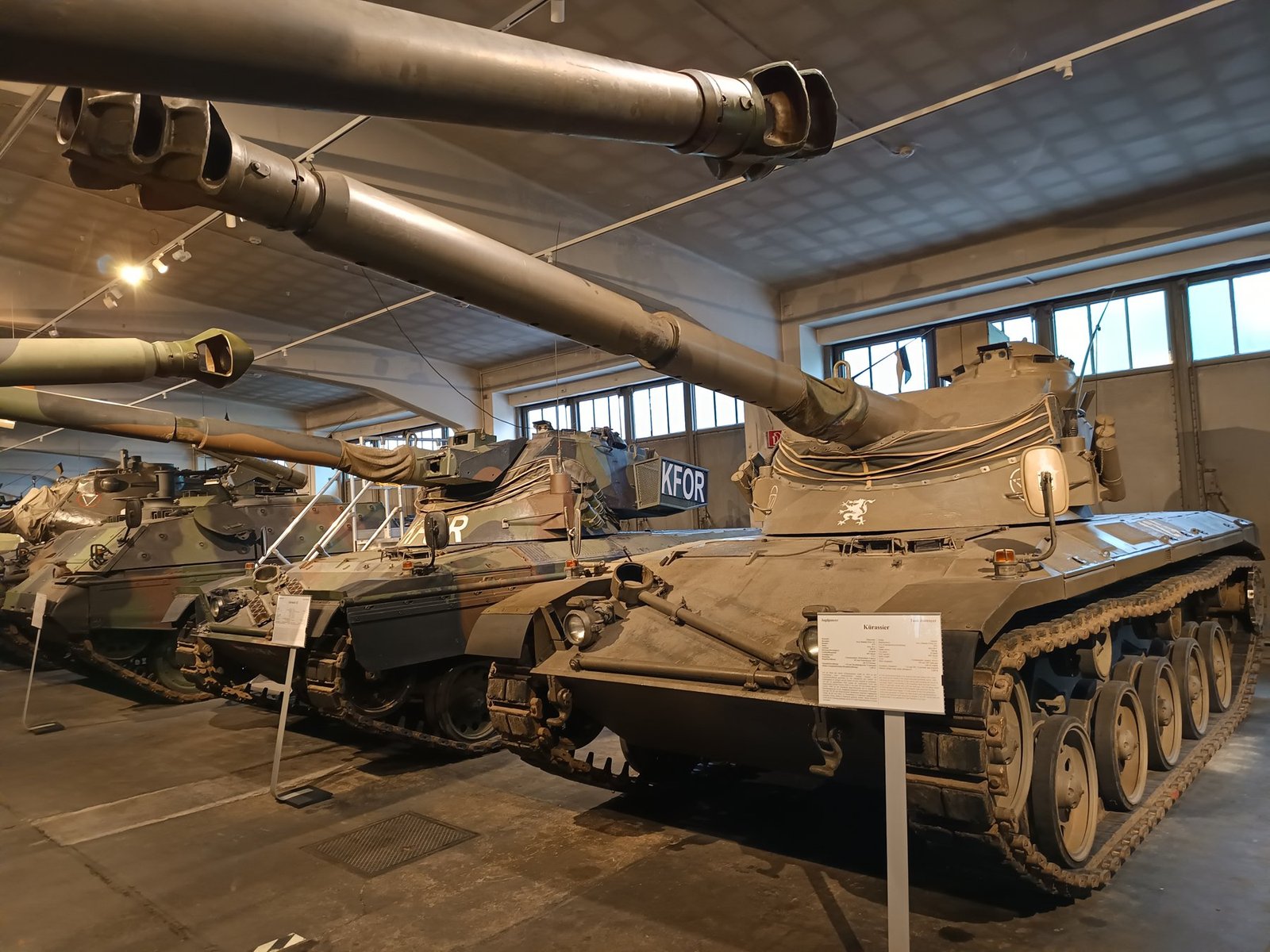
Read the profileThe SK-105 Kürassier was an Austrian armored direct-fire vehicle developed in the 1960s and delivered from the early 1970s.
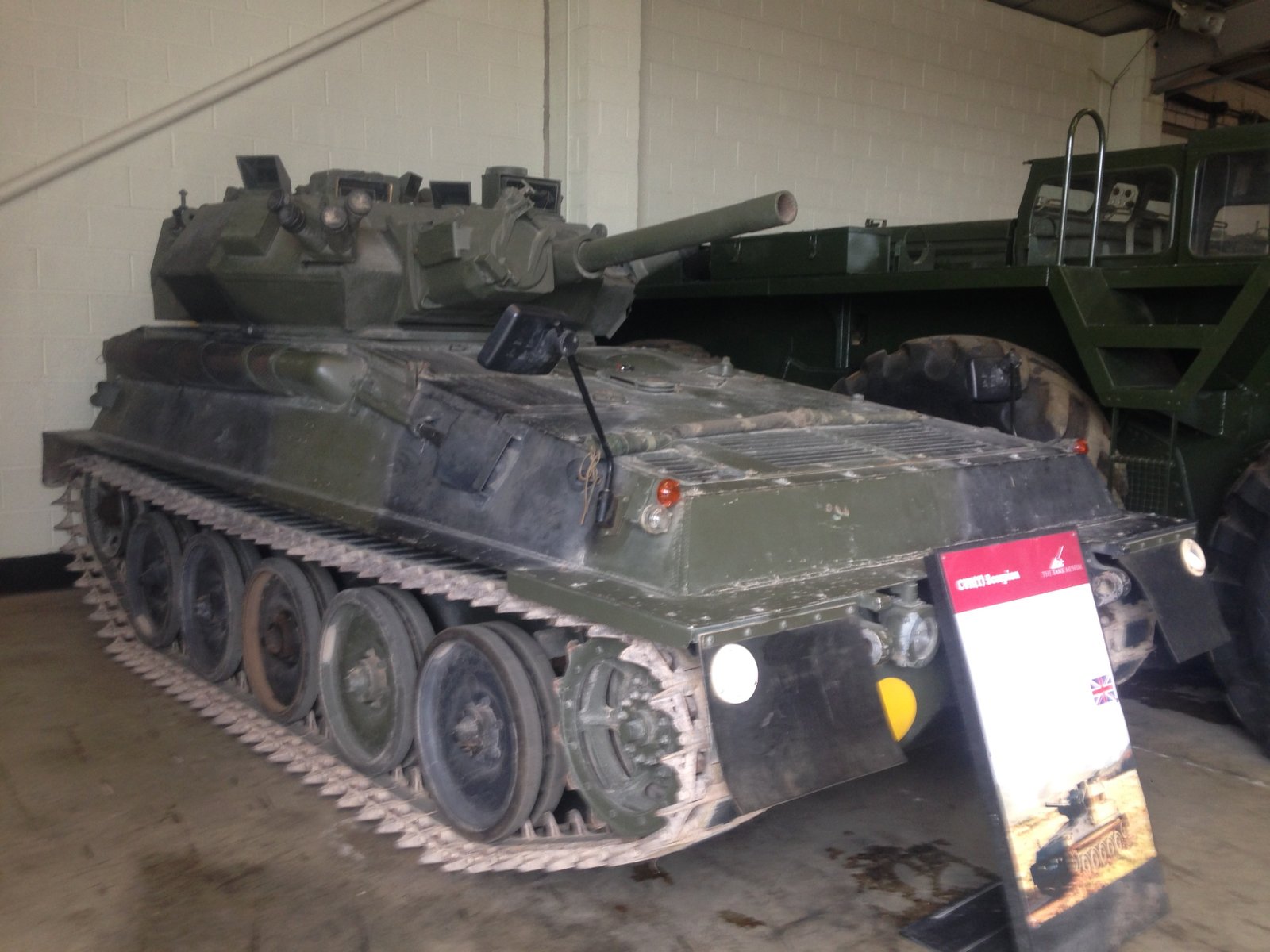
Read the profileThe FV101 Scorpion was not a main battle tank. It was a compact tracked reconnaissance and fire-support vehicle, officially designated in British FV-number usage as “Combat Vehicle, Reconnaissance Tracked, 76MM Gun.
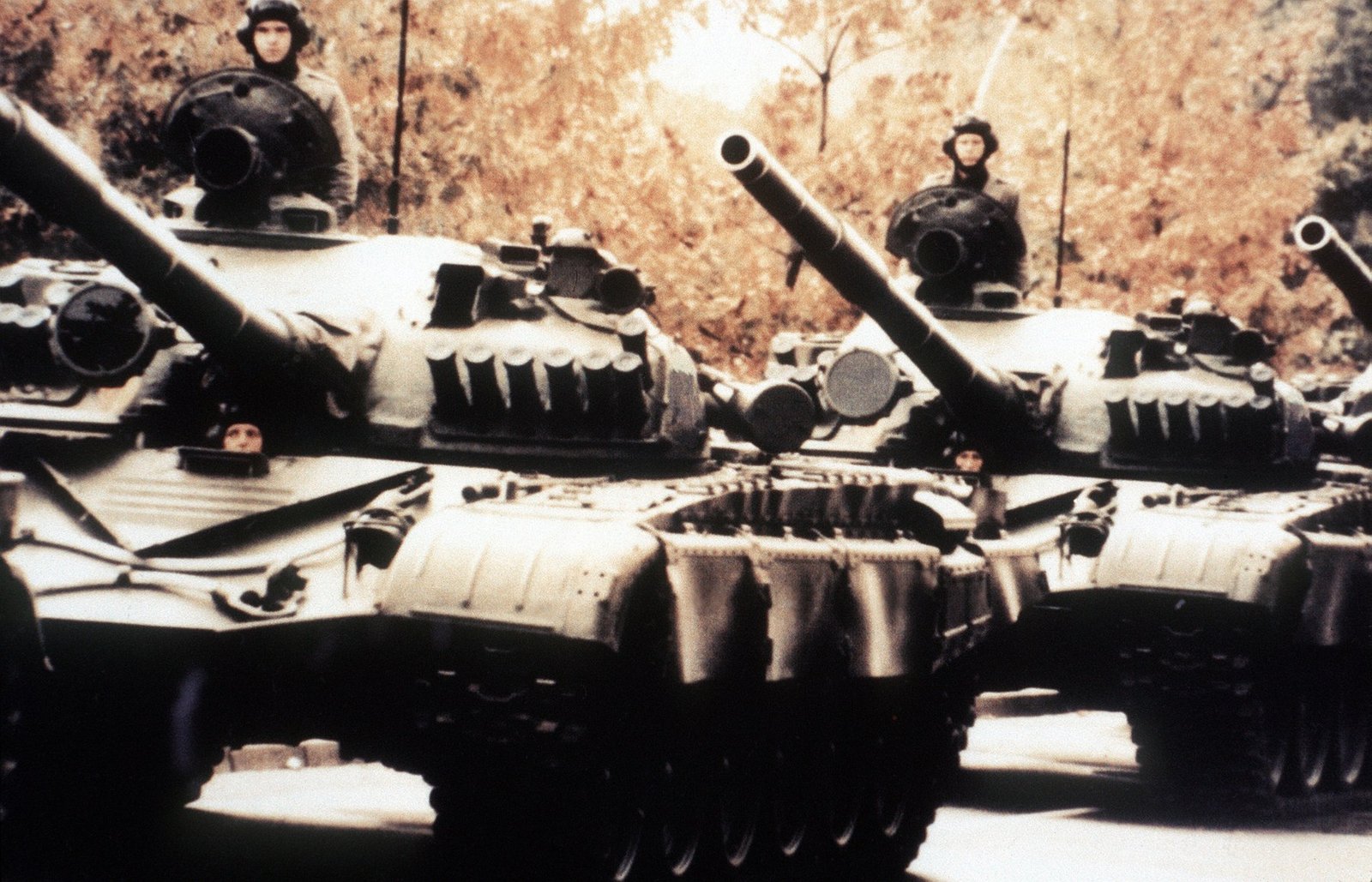
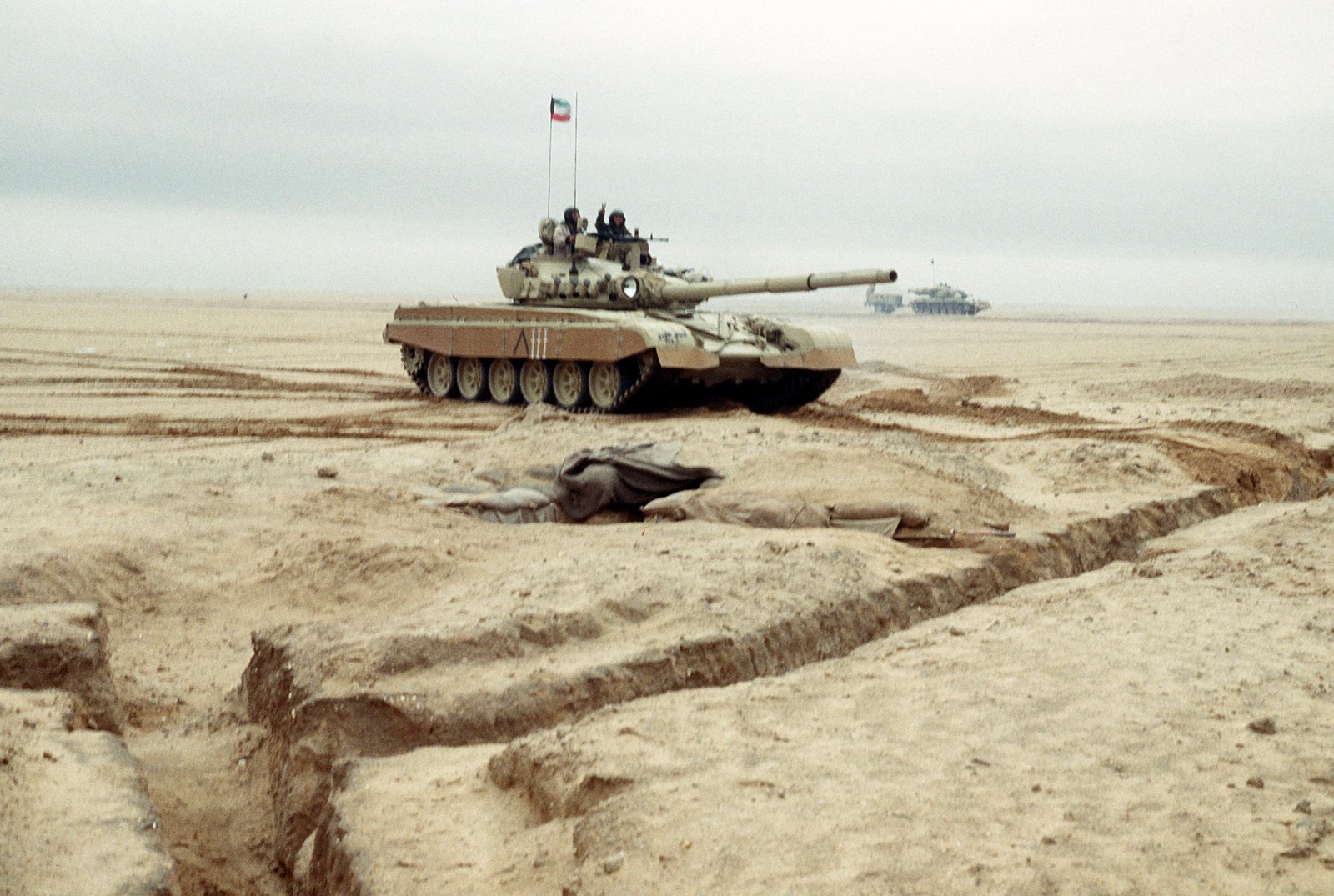
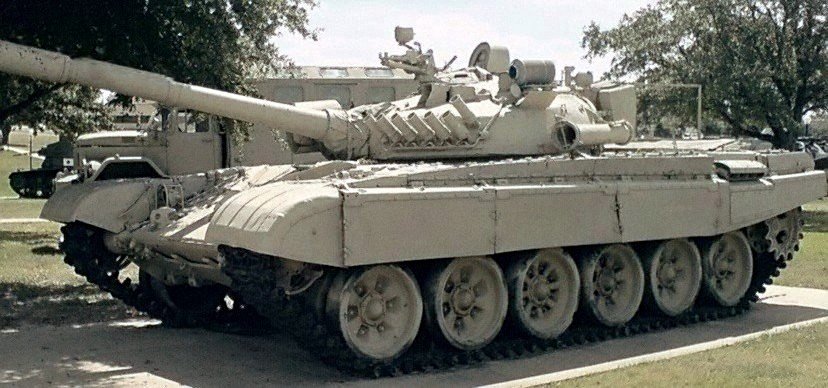
Read the profileThe T-72 was the Soviet Union's high-volume main battle tank counterpart to the more expensive and more technically ambitious T-64 and T-80 lines.
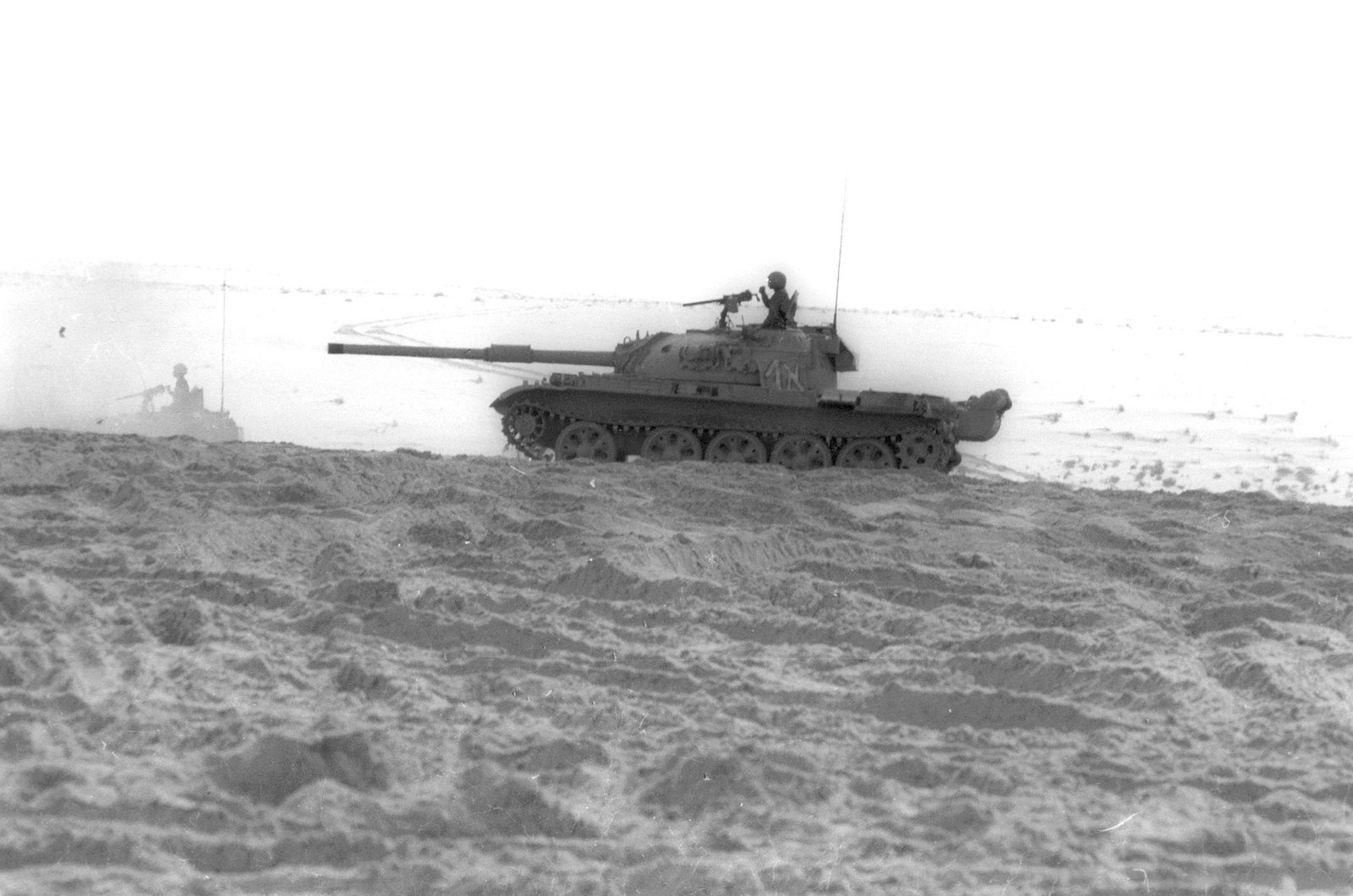
Read the profileThe Tiran family was Israel’s practical answer to an armor problem created by victory: after the Six-Day War, Israel possessed large numbers of captured Egyptian and Syrian T-54/T-55 tanks, many repairable but incompatible with Israeli radios, crew routines…
Read the profileThe T-80 family was a late Cold War Soviet main battle tank family built around a compact autoloaded 125 mm gun system and a distinctive gas-turbine engine.
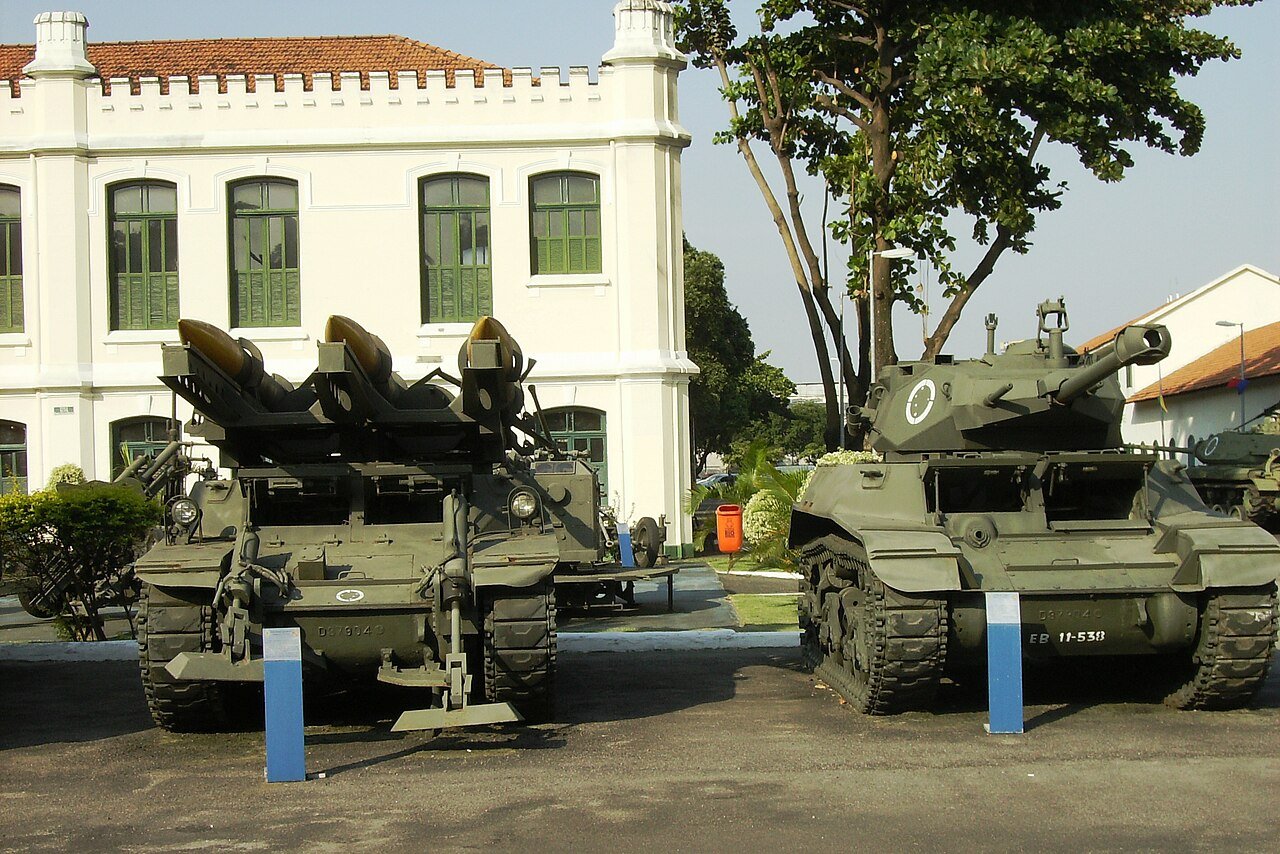
Read the profileThe Bernardini X1/X1A2 family was not a clean-sheet main battle tank. It was a Brazilian Cold War modernization pathway that began with M3/M3A1 Stuart light tanks and progressively moved toward a locally designed tracked combat vehicle.
Read the profilePrimary sources for this section: WB; DIA 2021; Tanks Encyclopedia 2023; Tank-AFV; Reuters 2024.
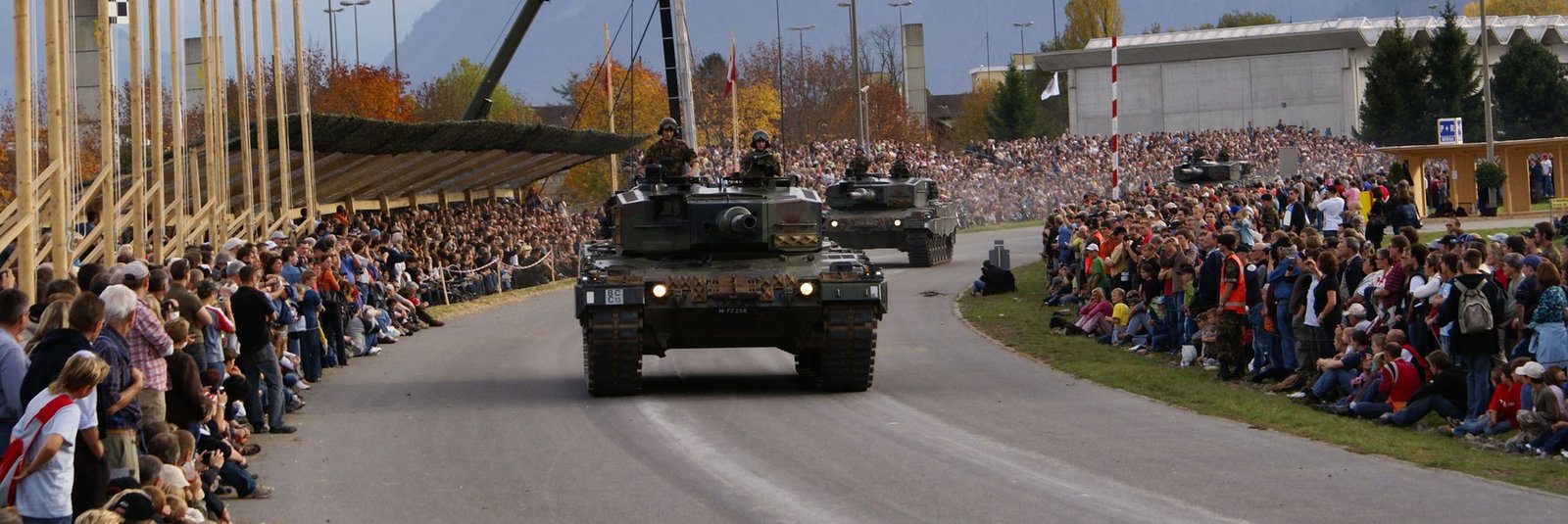
Read the profileThe Leopard 2 was West Germany's answer to the late-Cold-War requirement for a heavily armed, highly mobile, survivable main battle tank able to fight Warsaw Pact armor while remaining maintainable within NATO logistics.
Read the profileThe M1981 Shin'heung / PT-85 was North Korea's answer to a specific mobility problem: how to give armored fire support to forces that might need to cross rivers, marshy terrain, estuaries, and beaches without waiting for heavy bridging or main battle tanks.
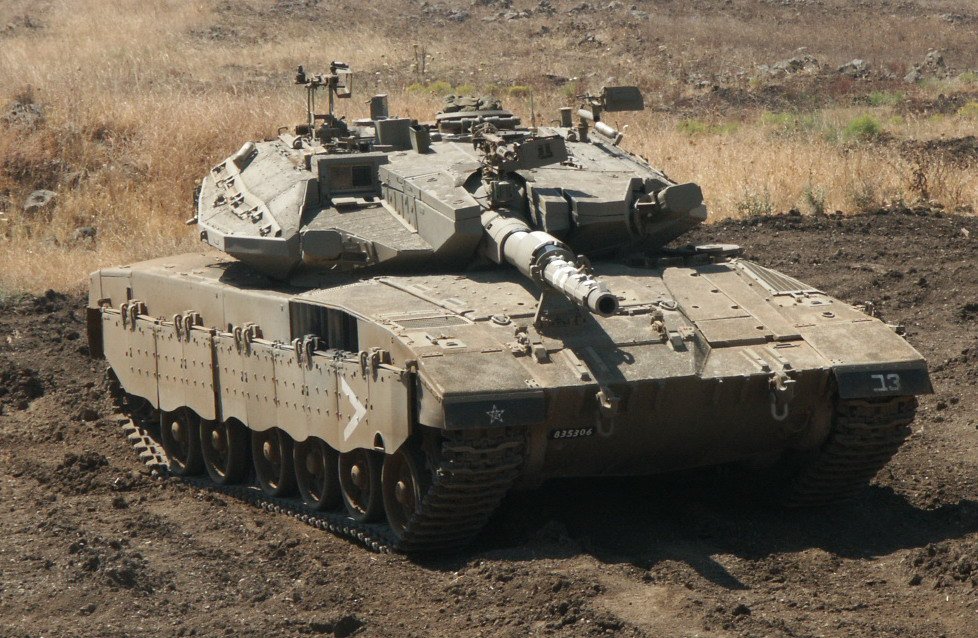
Read the profileThe Merkava was Israel’s answer to a strategic problem: the Israel Defense Forces needed a tank optimized for local terrain, high crew survival, rapid maintenance, and national supply autonomy rather than a generic export-pattern MBT.
Read the profileThe Swedish UDES studies were a family of direct-fire combat vehicle investigations rather than a production tank program in the ordinary sense.
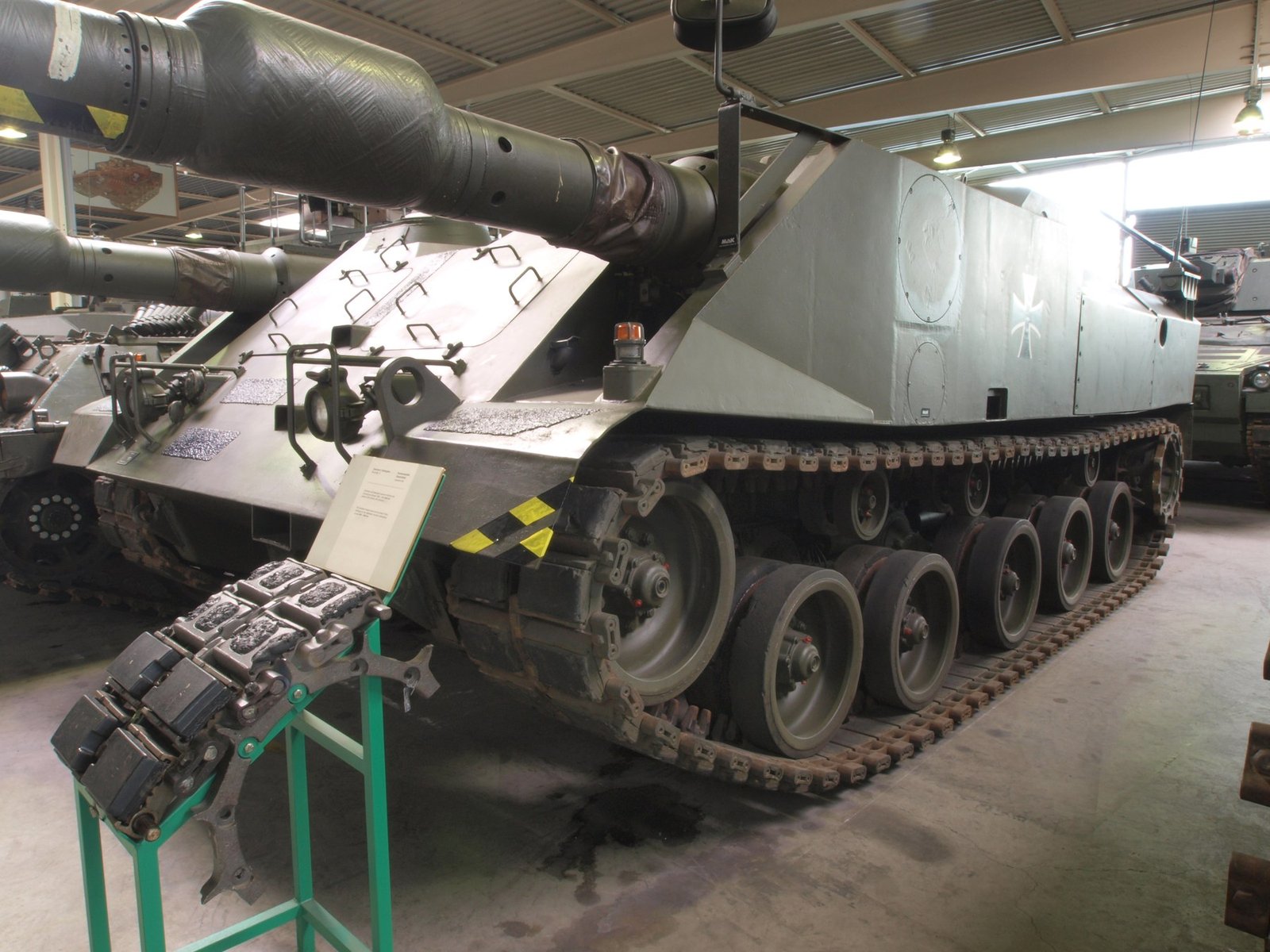
Read the profileThe VT1 / Versuchsträger family consisted of at least two full-scale West German experimental armored vehicles, VT1-1 and VT1-2, built to investigate a twin-gun, turretless casemate solution for a future Leopard 1 successor.
Read the profileThe XM803 was not a production tank and did not see operational service. It was a prototype U.S. main battle tank effort, best understood as an “austere” American continuation of the MBT-70 after the U.S.-West German project collapsed.
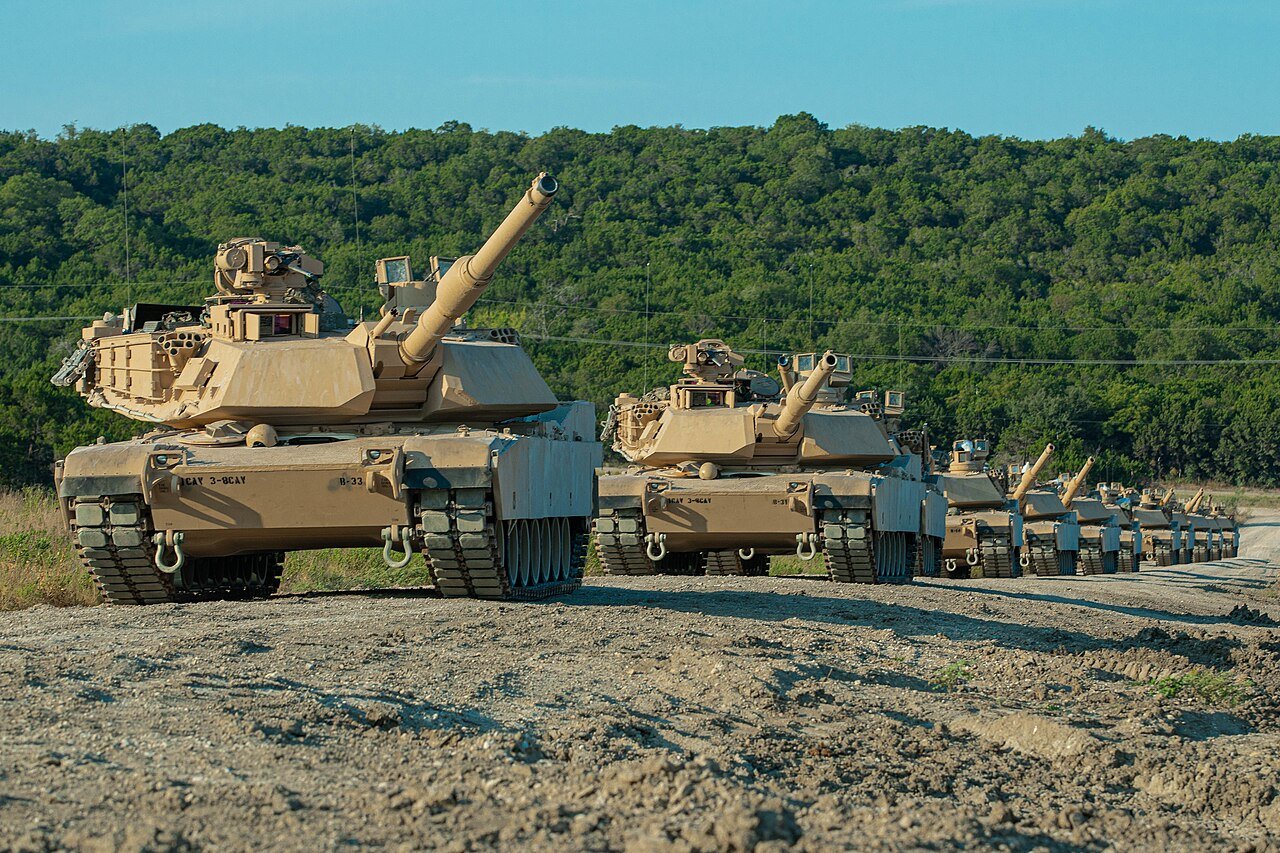
Read the profileThe original M1 Abrams family grew from the U.S. Army's search for a survivable, mobile main battle tank after the cancellation of MBT-70 and XM803.
Read the profileWhat it was. Shir 1 and Shir 2 were linked British export designs in the FV4030/Project 4030 line.
Read the profileThe TAM - Tanque Argentino Mediano - was not a heavy main battle tank in the Leopard 2 sense.
Read the profileThe TR-77-580 / TR-580 was Romania’s attempt to convert a Soviet-inspired armored inheritance into an indigenous tank-production system.
Read the profileThe AMX-32 was France’s attempt to turn the AMX-30 concept into a more attractive late-Cold War export tank.
Read the profileThe Olifant was not a clean-sheet tank. It was a South African deep rebuild of the British Centurion, a vehicle whose original design dated to the end of the Second World War but which became one of the most important Western tank families of the Cold War.
Read the profileThe Type 90 was the Japan Ground Self-Defense Force’s first fully third-generation main battle tank, designed to replace and supplement the Type 74 against the late-Cold-War armored threat environment.
Read the profileHSTV-L stood for High Survivability Test Vehicle - Lightweight. It was not a fielded tank, not a procurement item, and not a family with production variants.
Read the profileWhat it was. The OF-40 was a late-Cold War Italian export MBT built around a conventional four-crew layout, a welded steel hull and turret, a 105 mm OTO Melara rifled gun compatible with the NATO/L7 ammunition family, a German MTU diesel engine, a ZF transmission…
Read the profileChallenger 1 was a late-Cold-War British main battle tank developed from the Chieftain/Shir lineage rather than from a clean-sheet NATO standard design.
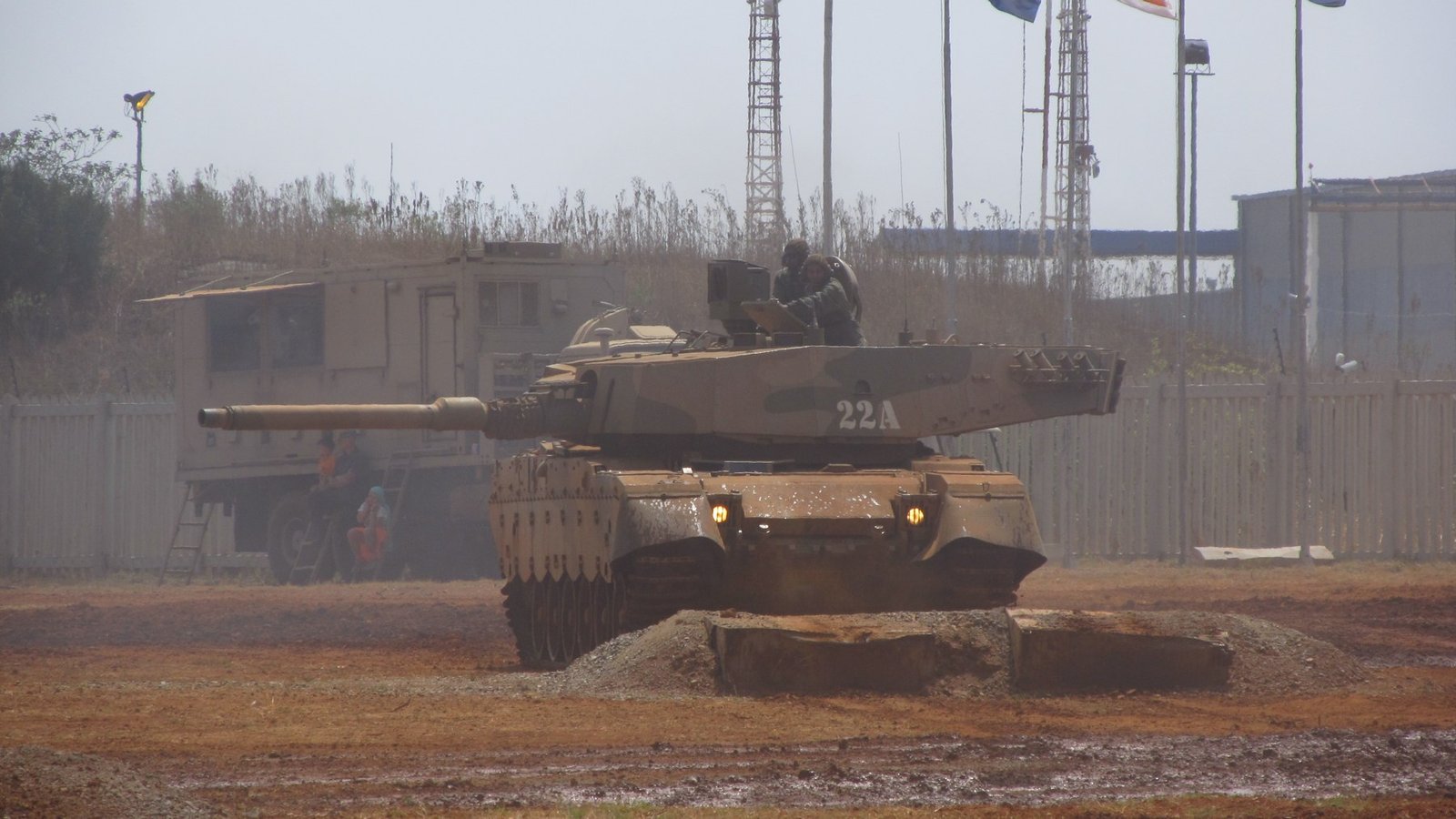
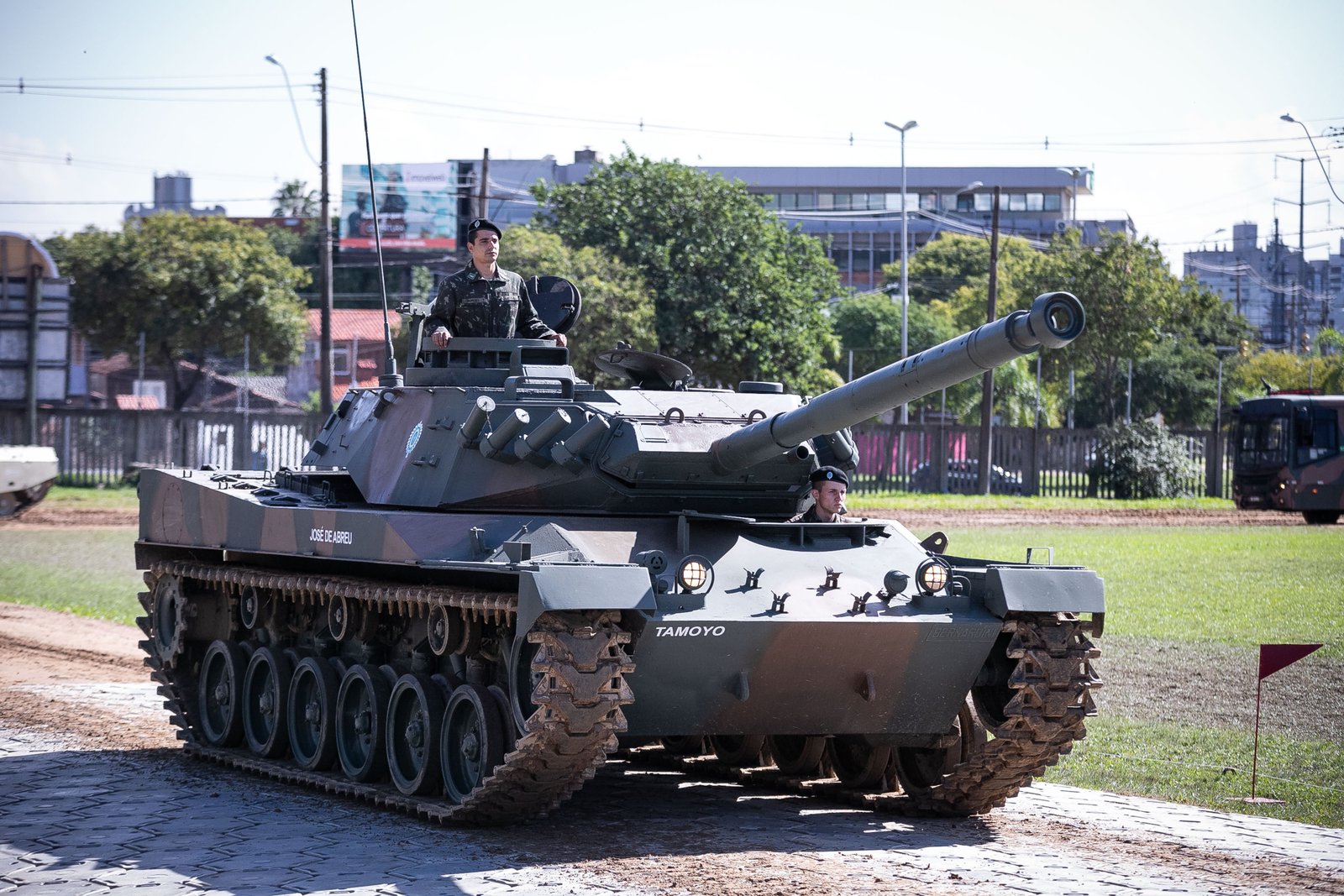
Read the profileThe MB-3 Tamoyo was a prototype-only Brazilian tank family developed by Bernardini with support from Brazilian Army technical institutions, especially CTEx.
Read the profileMBT-80 was the British Army's intended successor to the Chieftain main battle tank after several international and domestic replacement paths failed or became unattractive.
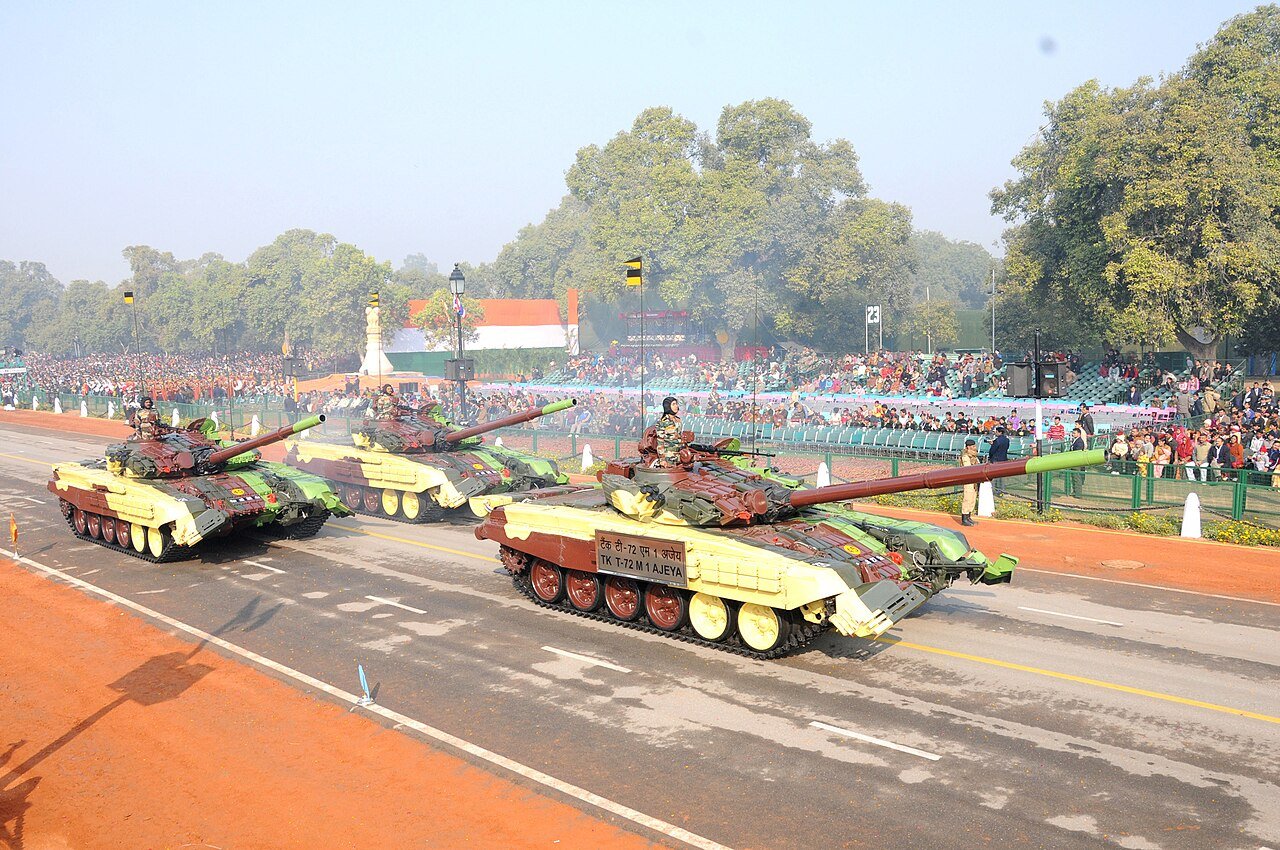
Read the profileThe Ajeya was not a clean-sheet Indian tank. It was an Indian T-72M/T-72M1 family: Soviet in origin, Indian in production, overhaul, integration, and long-term tactical importance.
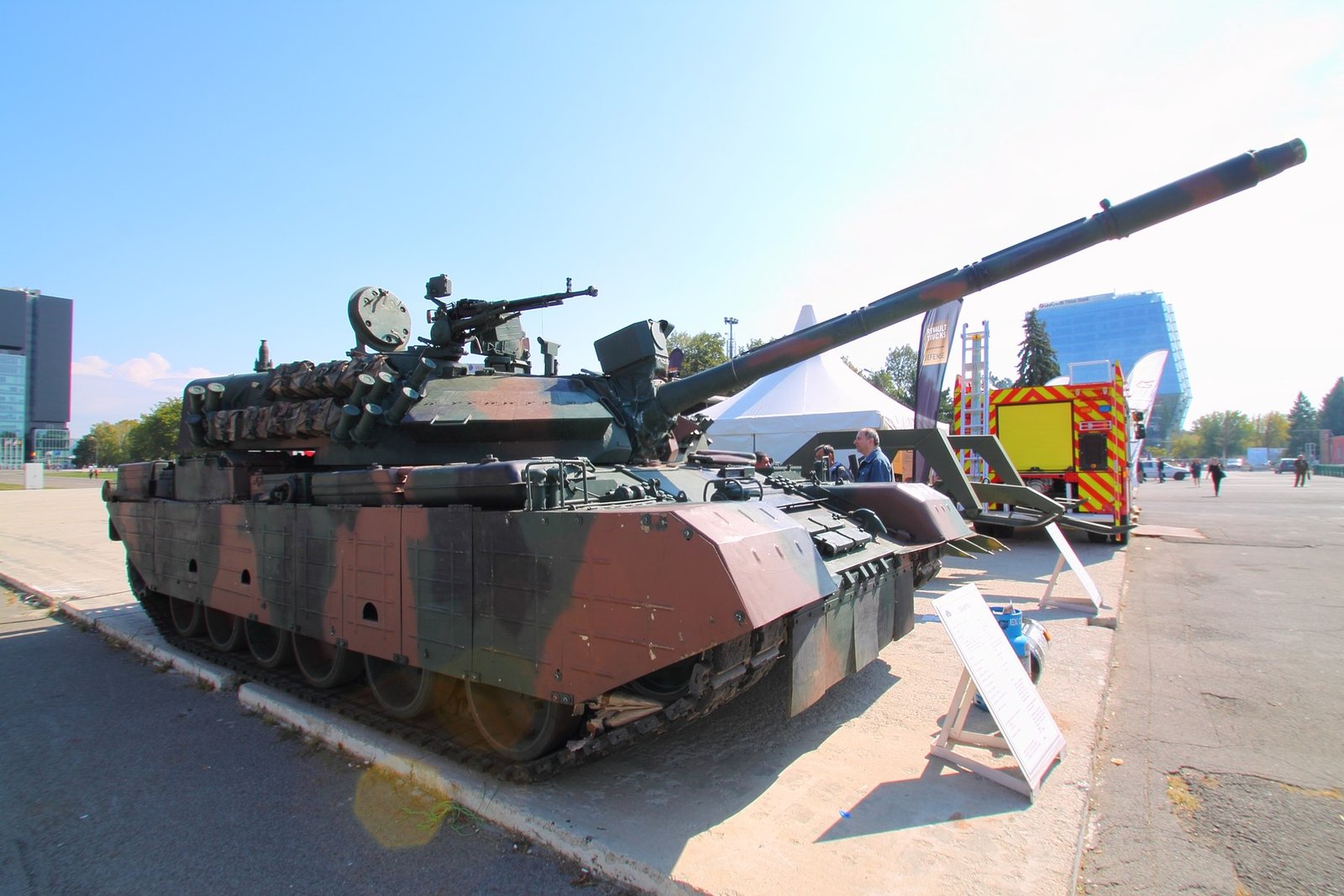
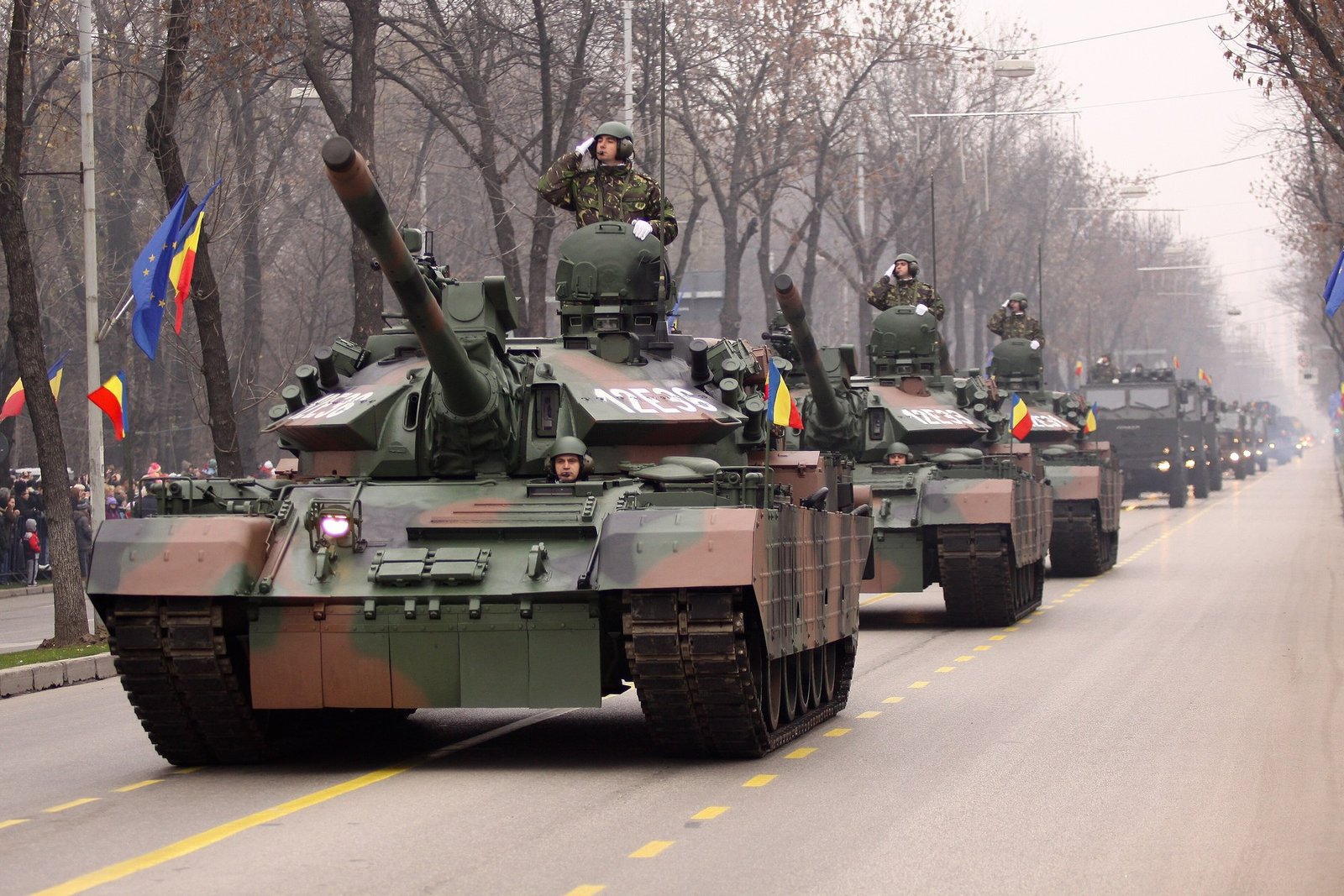
Read the profileThe TR-85 was Romania’s late-Cold-War main battle tank family, developed from the TR-77-580 and ultimately rooted in the T-55 ecosystem rather than being a clean-sheet Western-style tank.
Read the profileThe Type 80 / Type 88 was a Chinese second-generation main battle tank family created to move the People’s Liberation Army beyond incremental Type 59 and Type 69 upgrades.
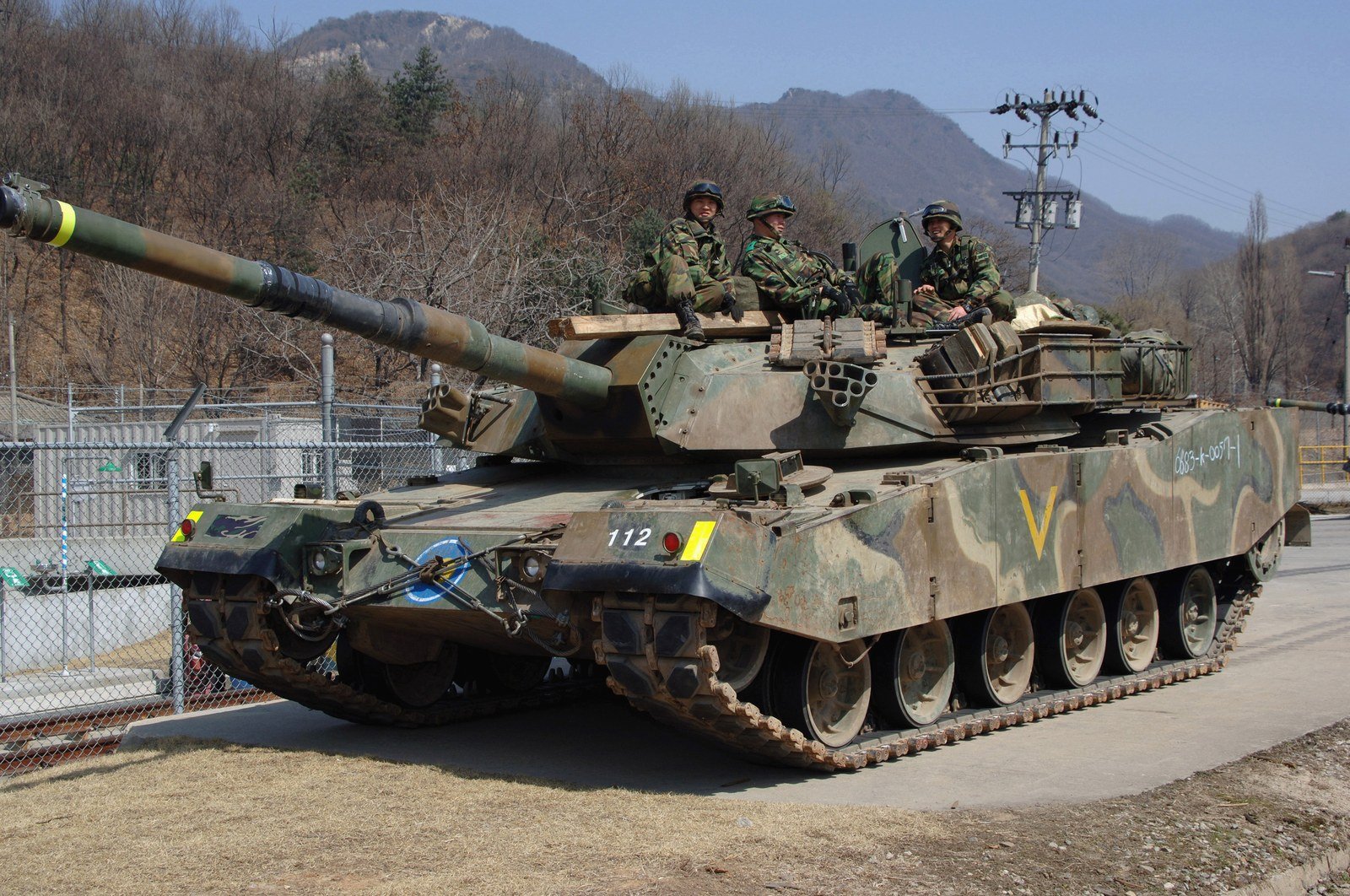
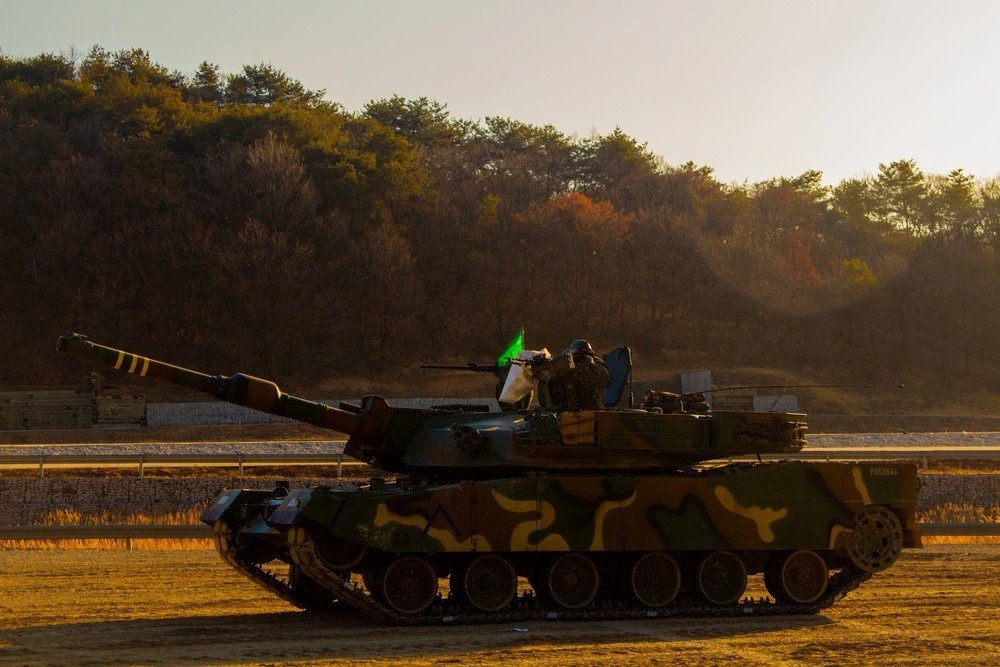
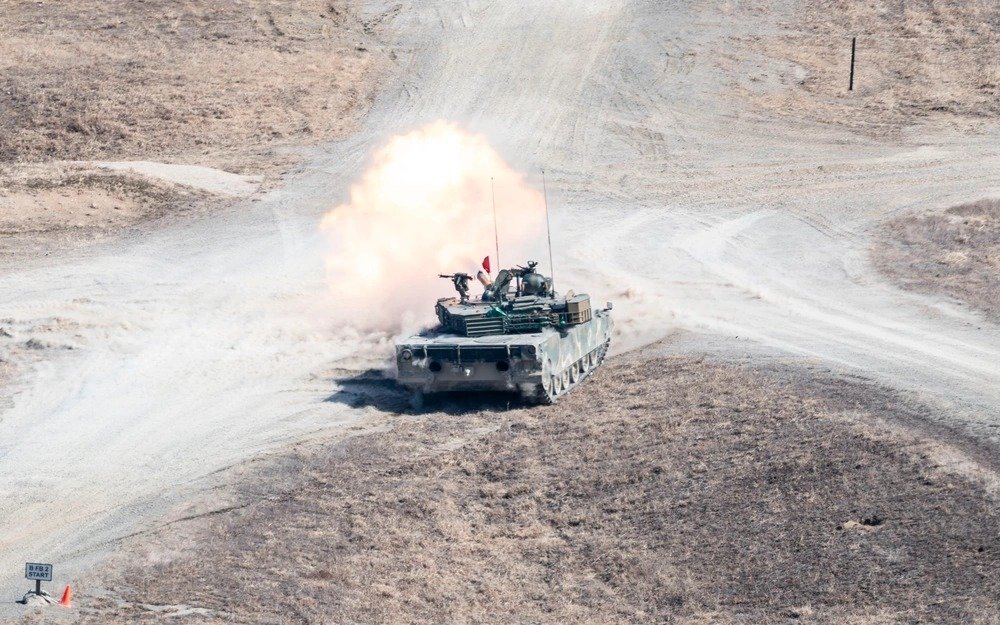
Read the profileThe K1 88-Tank was the Republic of Korea's decisive break from a purely imported or upgraded tank fleet.
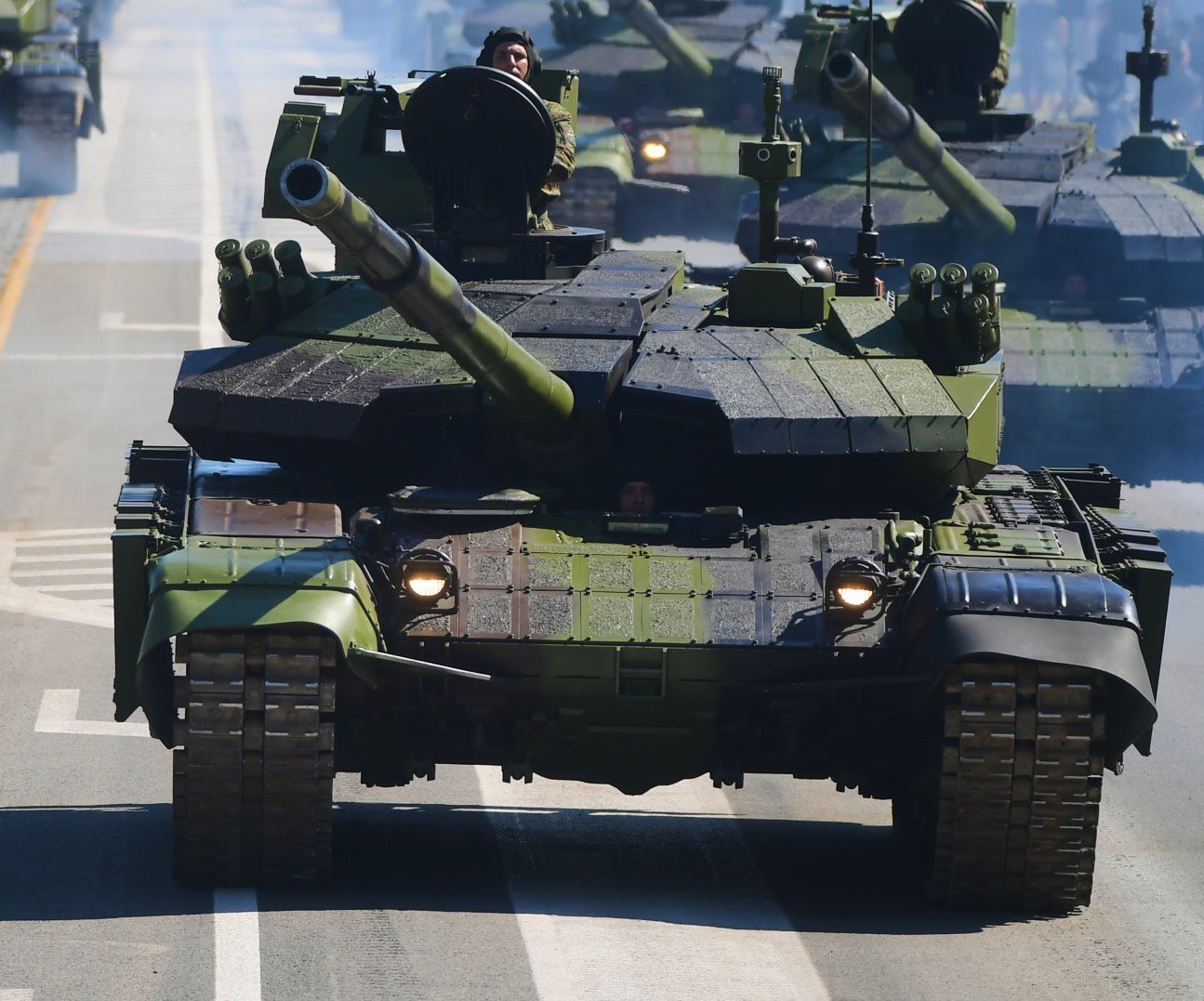
Read the profileThe M-84 was a Yugoslav main battle tank based on the Soviet T-72 but adapted by Yugoslav industry for domestic service and export. Đuro Đaković’s official description emphasizes the T-72 basis, automatic gun loading, low silhouette, fire-control improvements…
Read the profileThe AMX-40 was France's most ambitious pre-Leclerc export MBT proposal. It followed the AMX-32 and drew on the AMX-30 family's automotive and layout traditions, but it moved the export concept into the 120 mm smoothbore era.
Read the profileThe Asad Babil was Iraq’s late-1980s attempt to turn imported or kit-supplied T-72M/T-72M1 tanks into a national main battle tank program.
Read the profileThe Brave Tiger was a Taiwanese main battle tank upgrade program built around U.S. Patton-family components and local systems integration.
Read the profileThe CM-12 was a Taiwanese Patton-family main battle tank upgrade, built around existing M48-series hulls and a turret/fire-control package closely related to the Brave Tiger.
Read the profileThe Neuer Kampfpanzer, usually abbreviated NKPz or NKPZ, was Switzerland’s last major attempt to create a national main battle tank after the Panzer 61 and Panzer 68 families.
Read the profileThe Panzer 87 Leopard 2 was Switzerland's late-Cold-War solution to a modernization problem that domestic tank design could no longer solve economically.
Read the profileThe RDF/LT, short for Rapid Deployment Force / Light Tank, was an AAI Corporation private-venture prototype family first associated with 1980.
Read the profileStrv 2000 was not a fielded Swedish tank but a family of studies around a future Swedish main battle tank.
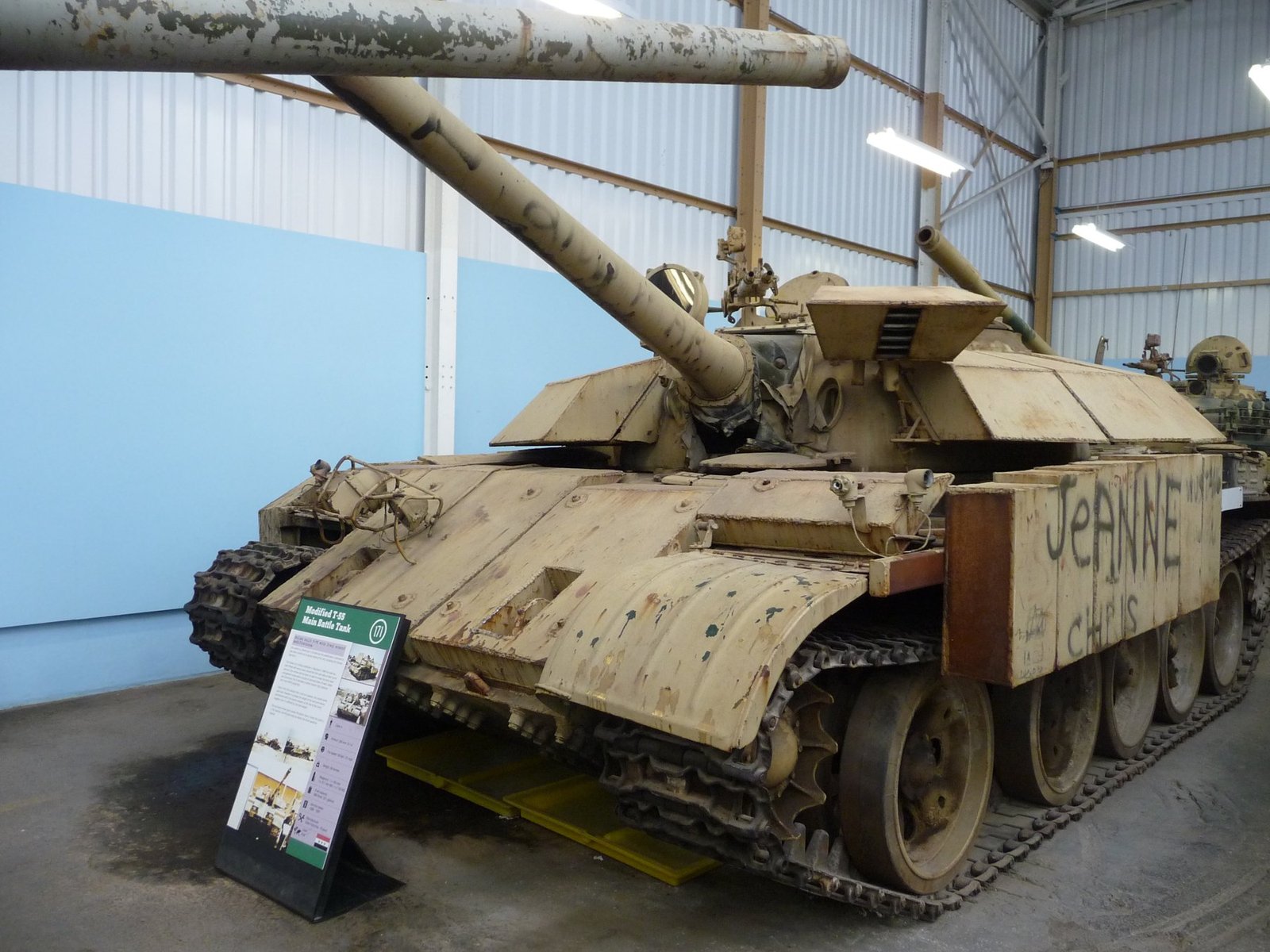
Read the profileThe T-55 Enigma was an Iraqi appliqué-armored conversion of the T-55-family main battle tank, probably undertaken in very small numbers between the late Iran-Iraq War and the 1991 Gulf War.
Read the profileThe TR-125 was a Romanian prototype main battle tank of the late Cold War, most often described as a national reverse-engineering and redesign effort based on the Soviet T-72 family.
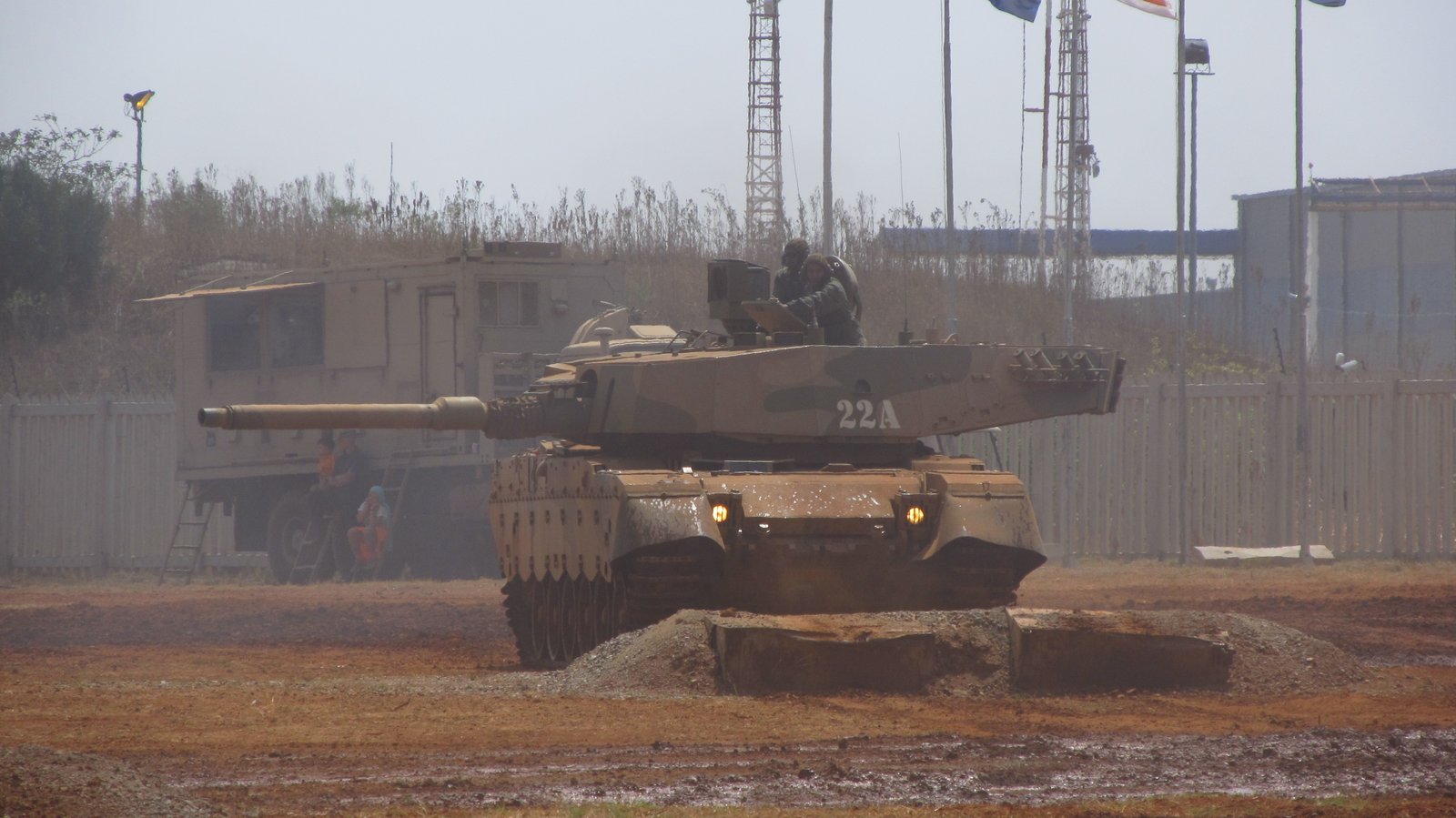
Read the profileThe Tank Technology Demonstrator, usually abbreviated TTD, was South Africa's only completed indigenous new-generation MBT demonstrator of the late apartheid and early democratic-transition era.
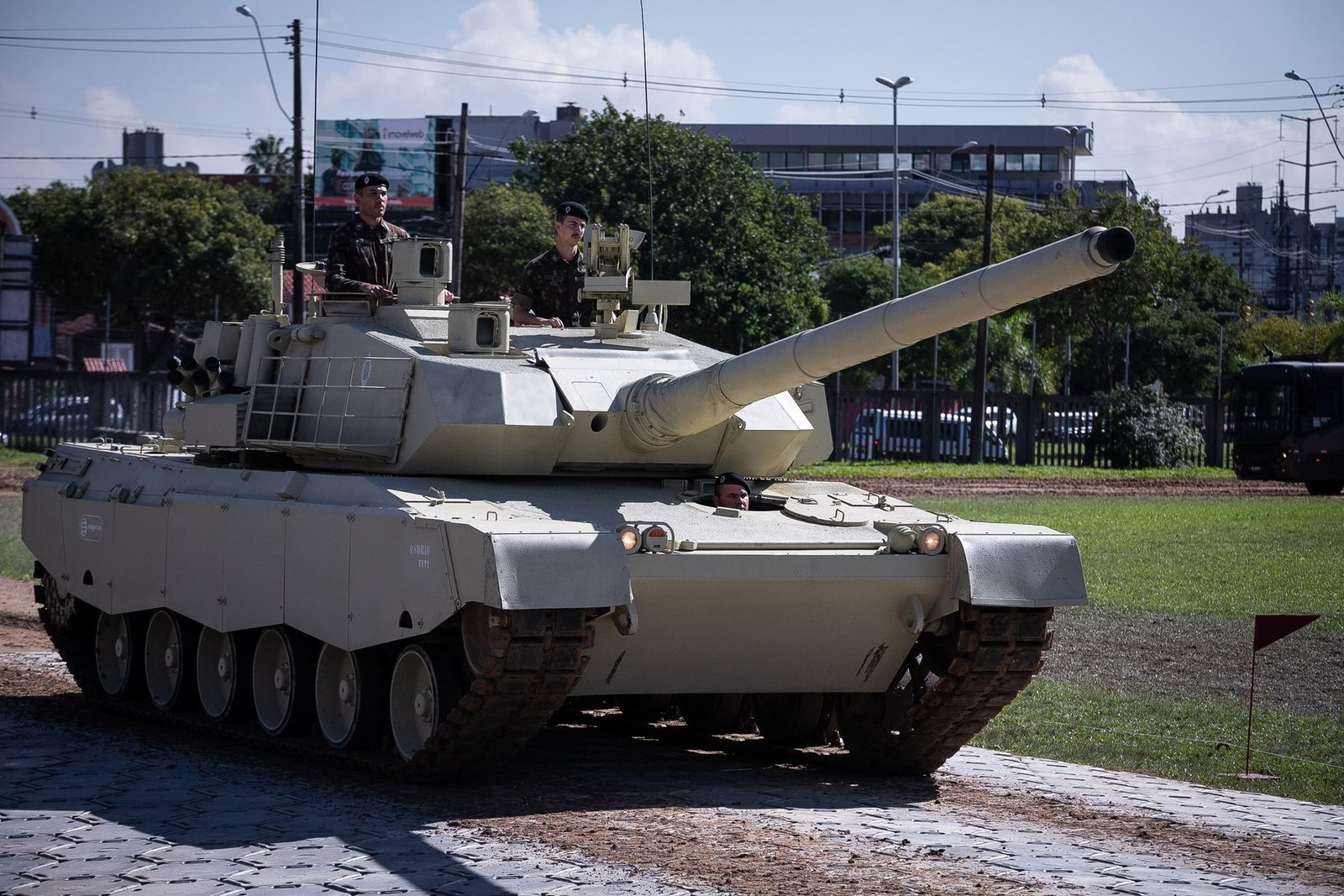
Read the profileThe Osório was a Brazilian prototype main battle tank designed by Engesa, formally associated with the EE-T1 105 mm version and the EE-T2 120 mm export/Saudi-trial version.
Read the profileThe Stingray light tank was a deliberately pragmatic design: a conventional four-man, rear-engine, torsion-bar tracked vehicle weighing roughly twenty-one metric tons, armed with a low-recoil-force version of the 105 mm L7 gun and protected by welded Cadaloy steel…
Read the profileRamses II was a deep modernization of the T-54/T-55 family undertaken for Egypt with major United States industrial participation.
Read the profileThe Type 85 was not simply another incremental Type 59 derivative. It represented China's move from rounded cast turrets and limited modernization packages toward a welded, angular turret with composite armour, computerized fire control, and, in later versions, a…
Read the profileObject 187 was the more ambitious, less production-friendly alternative to the vehicle that became T-90.
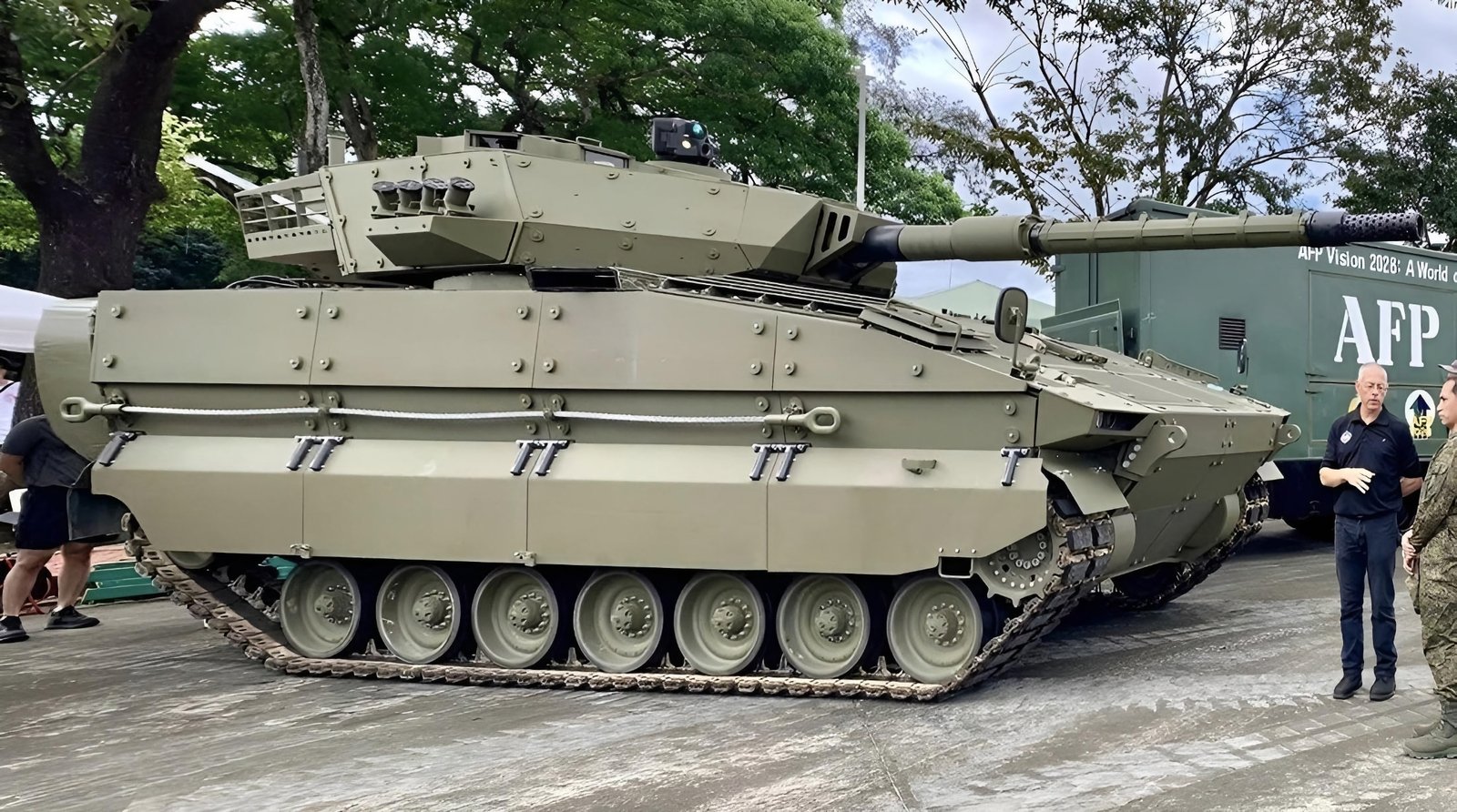
Read the profileThe ASCOD light tank lineage is best understood as an adaptable direct-fire branch of the broader ASCOD tracked-vehicle family.
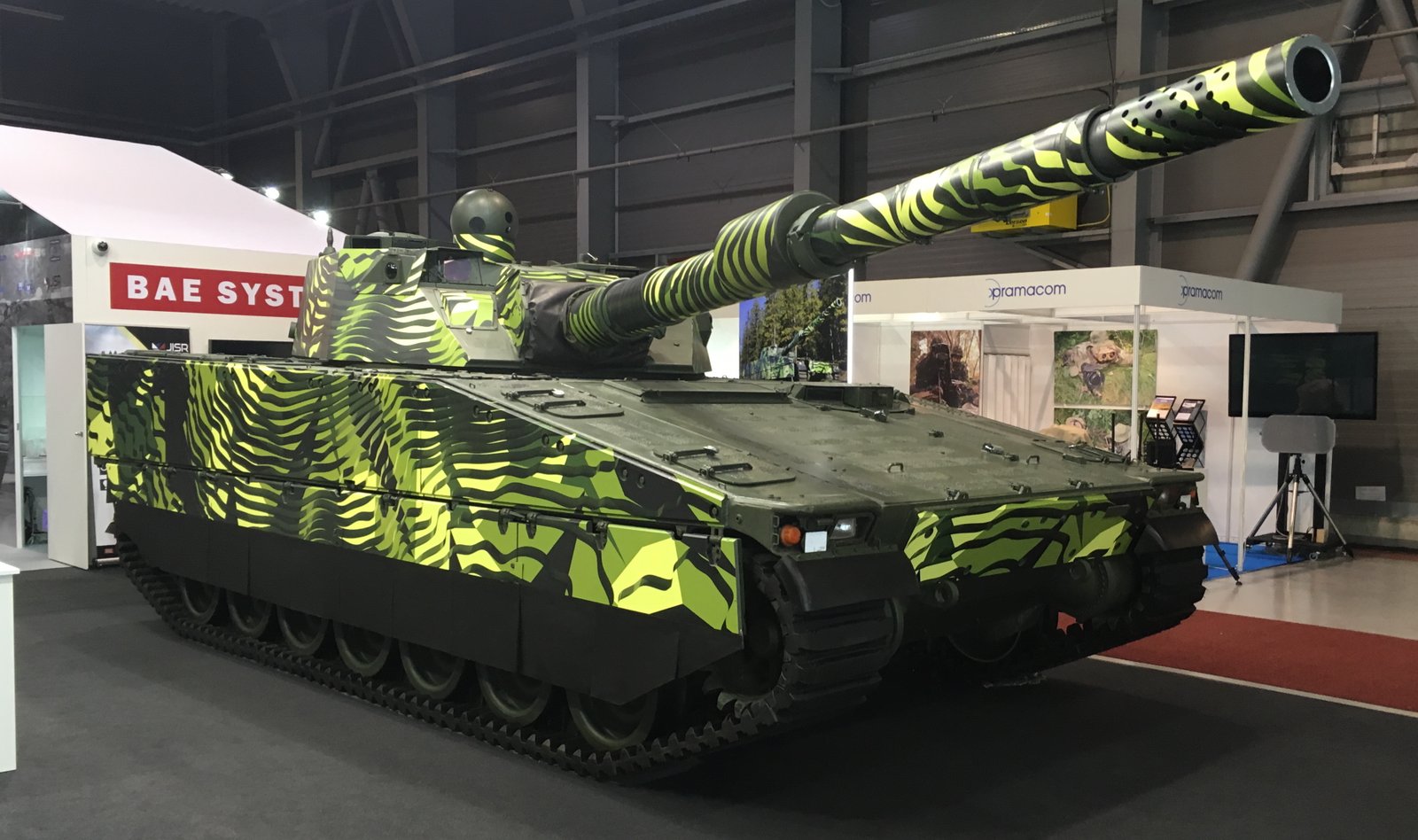
Read the profileThe CV90120 was not a Swedish Army production tank. It was, and in the cited record remains, a CV90-derived 120 mm direct-fire demonstrator and export offering.
Read the profileThe Leopard 1 post-Cold-War upgrade family was not a clean-sheet tank. It was the extended second life of West Germany’s first postwar main battle tank, centered on the Leopard 1A5 and on operator-specific rebuilds that kept the 105 mm L7-armed Leopard viable after…
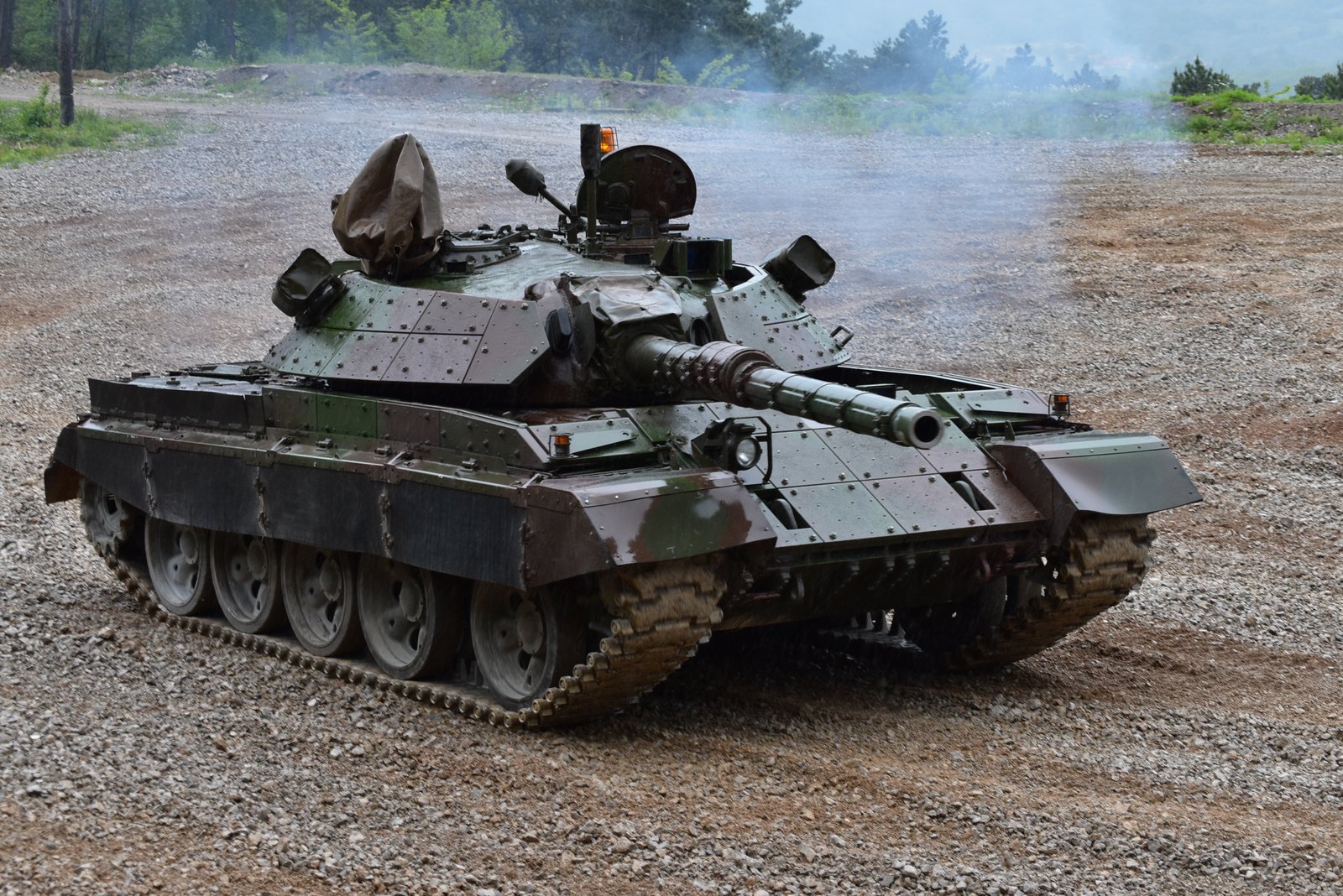
Read the profileThe M-55S was not a new tank but a deep modernization of the Soviet T-55, carried out by Slovenia with Israeli and domestic industrial assistance.
Read the profileThe M-84 post-Yugoslav upgrade family is the afterlife of Yugoslavia's principal late-Cold-War tank.
Read the profileThe M-95 Degman / M-84D is not a single clean production tank designation. It is a closely related Croatian development and modernization cluster rooted in the Yugoslav M-84 main battle tank, itself a T-72 derivative.
Read the profileThe M60 post-Cold-War upgrade family is the long afterlife of the American M60 main battle tank.
Read the profileThe M8 Armored Gun System (AGS) was a lightweight tracked direct-fire vehicle selected by the U.S. Army after the Cold War to replace the remaining M551 Sheridan capability in airborne and light forces.
Read the profileThe Merkava Mk 3/4/Barak modern family represents Israel’s distinctive approach to heavy armored warfare after the Cold War.
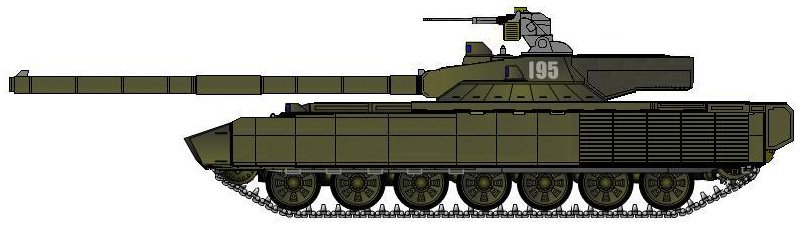
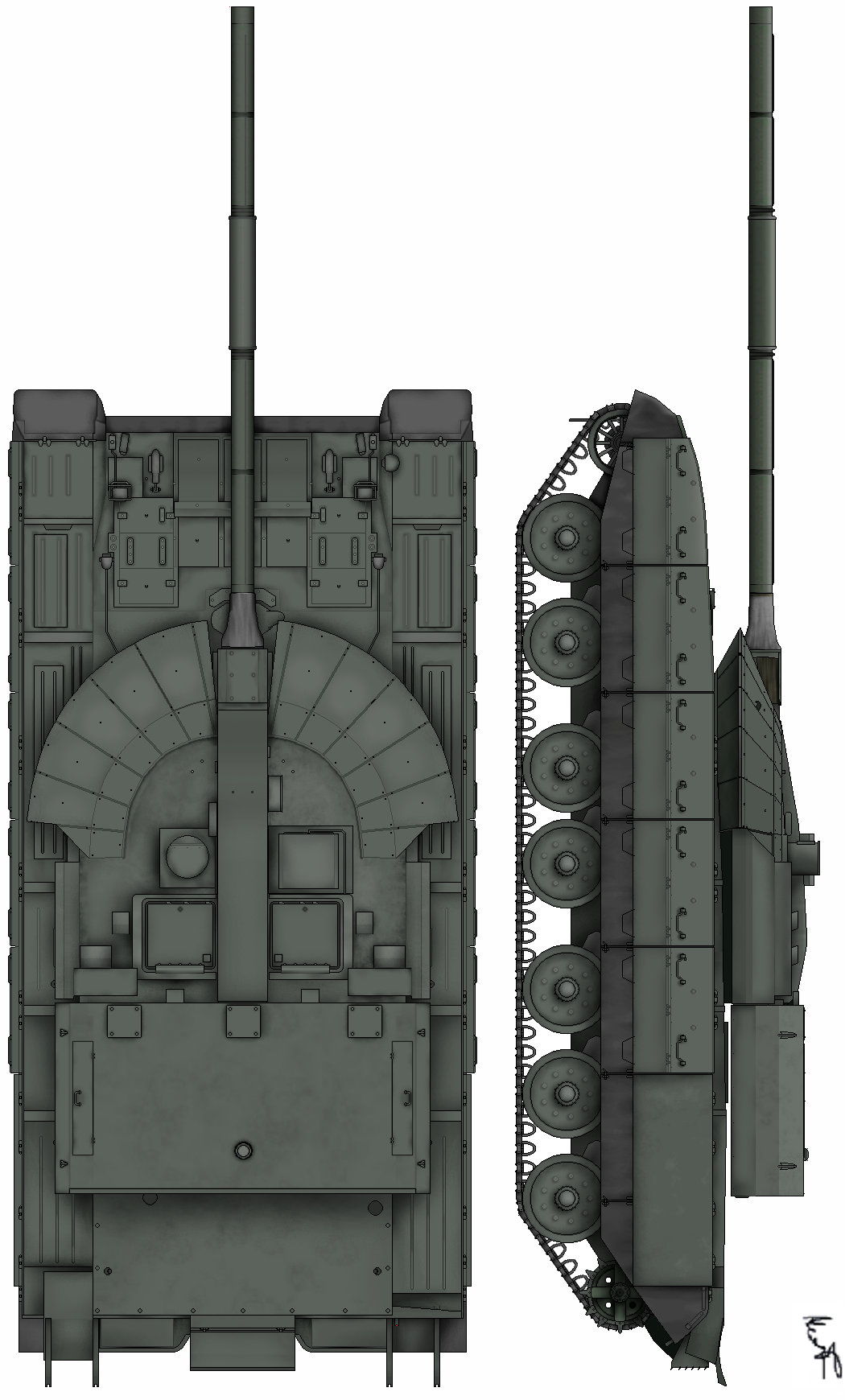
Read the profileObject 195 / T-95 was a Russian prototype main battle tank program, not a production tank.
Read the profileObject 640 Black Eagle was not a production tank. It was a Russian prototype or demonstrator associated with Omsktransmash and the KBTM design bureau, developed from the T-80 industrial and technical base after the collapse of the Soviet Union.
Read the profileThe Olifant was not a clean-sheet South African tank. It was a deep rebuild of British Centurion tanks and recovery vehicles acquired from the United Kingdom and later supported through additional hulls and parts channels.
Read the profileThe Pokpung-ho / Songun / M2020 observed family represents North Korea's visible effort to keep a large but aging armored force relevant after the Cold War.
Read the profileThe T-62 post-Cold-War modernized family is not a clean-sheet modern tank family.
Read the profileThe T-64/T-84 Ukrainian modernized family is not a single tank model. It is a post-Soviet family grouping that joins Ukraine's work on the inherited T-64 fleet with the T-80UD-derived T-84/Oplot line designed and built around Kharkiv.
Read the profileThe T-72 post-Soviet upgrade family is not a clean-sheet tank. It is a long-running, state-supported effort to keep the huge T-72 chassis pool militarily relevant after the Soviet collapse.
Read the profileThe T-72AG and T-72MP were Ukrainian-led export modernization concepts aimed at operators of the T-72 and especially the T-72M/T-72M1 export tanks.
Read the profileThe Moderna was not a clean-sheet tank. It was a late Cold War / post-Cold-War modernization path for the Czechoslovak-built T-72M1, carried forward in Slovakia after the dissolution of Czechoslovakia.
Read the profileThe T-80 post-Soviet upgrade family was not a new tank family designed from a clean sheet in 1990.
Read the profileThe VT1A / Type 90-II export family was a Chinese export-first main battle tank line that bridged older Type 80/85 engineering and the later VT-series export market.
Read the profileWhat it was. Zulfiqar was a family of Iranian main battle tanks developed after the Iran-Iraq War to reduce dependence on foreign armored-vehicle supply chains.
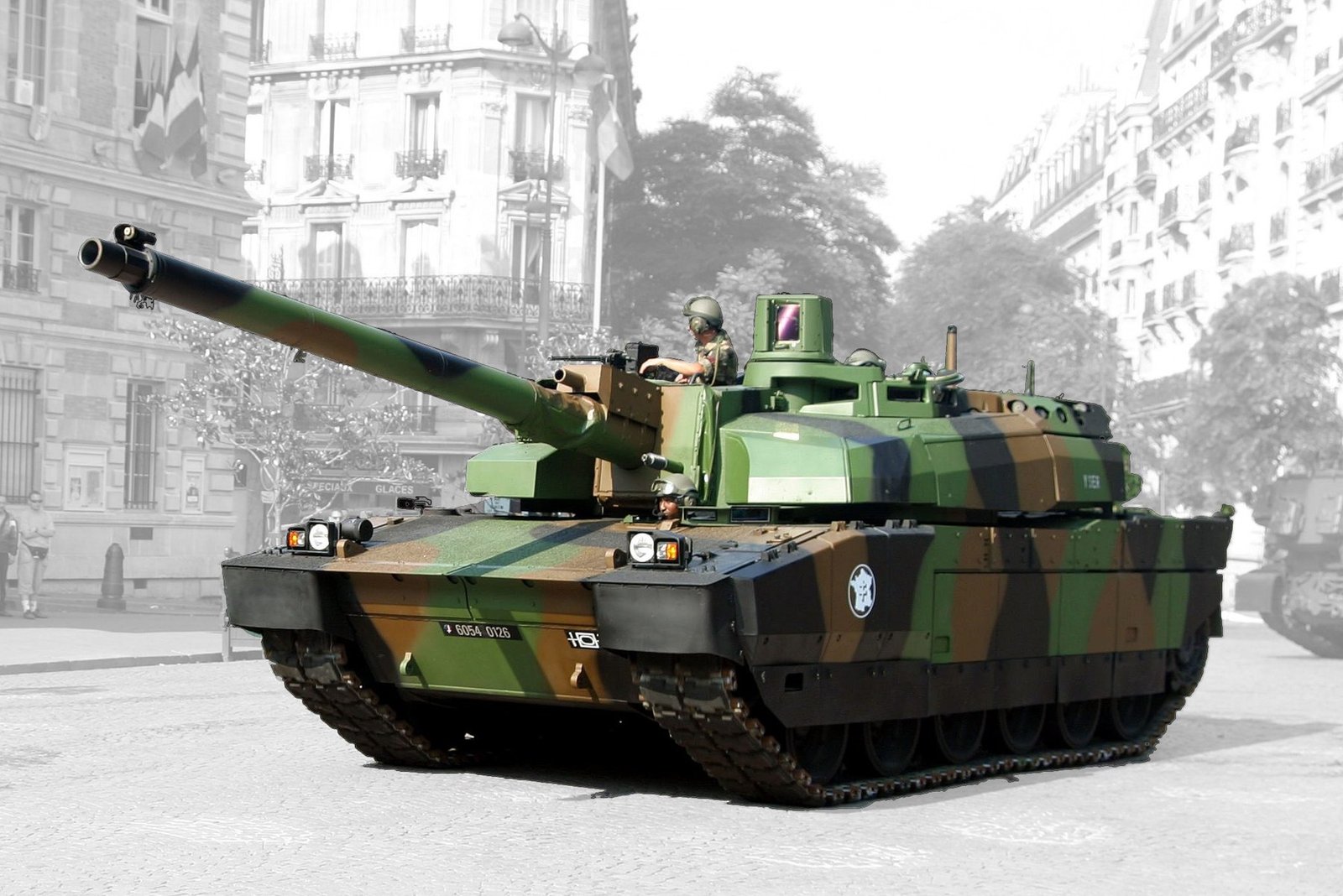
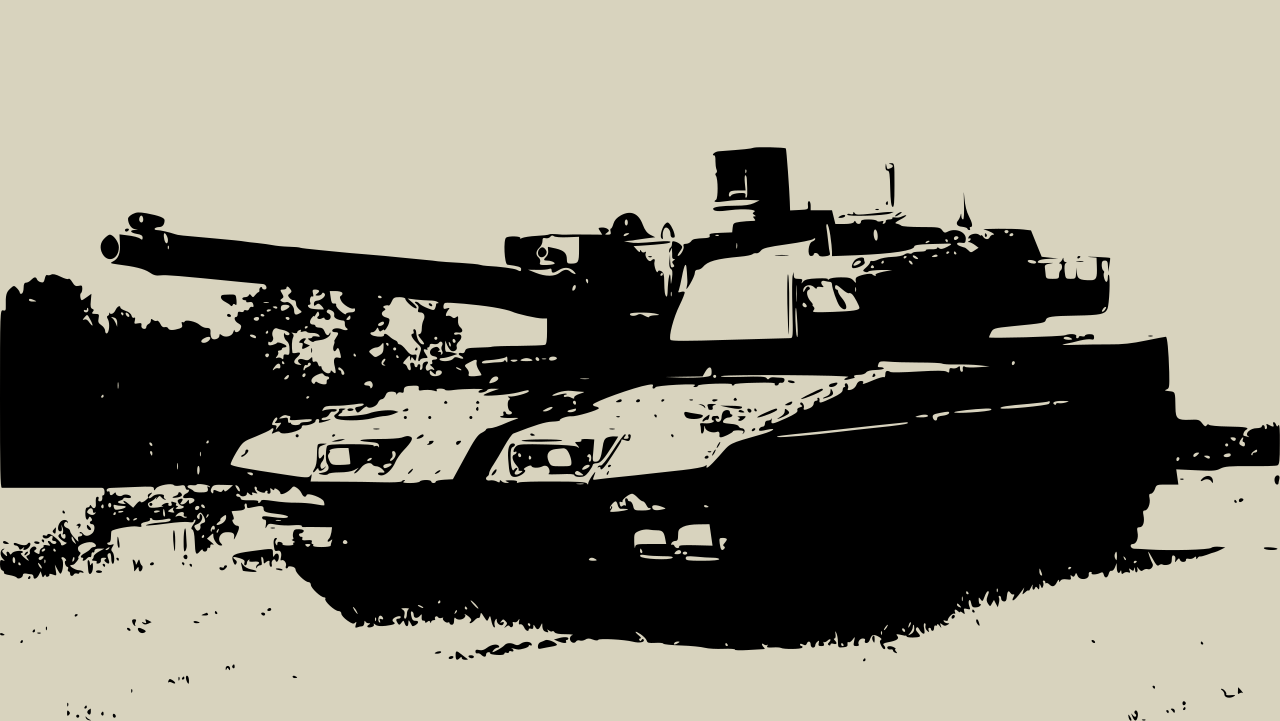
Read the profileThe Leclerc was the armored expression of French strategic autonomy at the end of the Cold War.
Read the profileThe XM1 competition, M1, IPM1, baseline M1A1 production, and the Desert Storm-era family remain in the Cold War parent.
Read the profileWhat it was: The T-90 was Russia's first major post-Soviet main battle tank designation, although its roots were late Soviet.
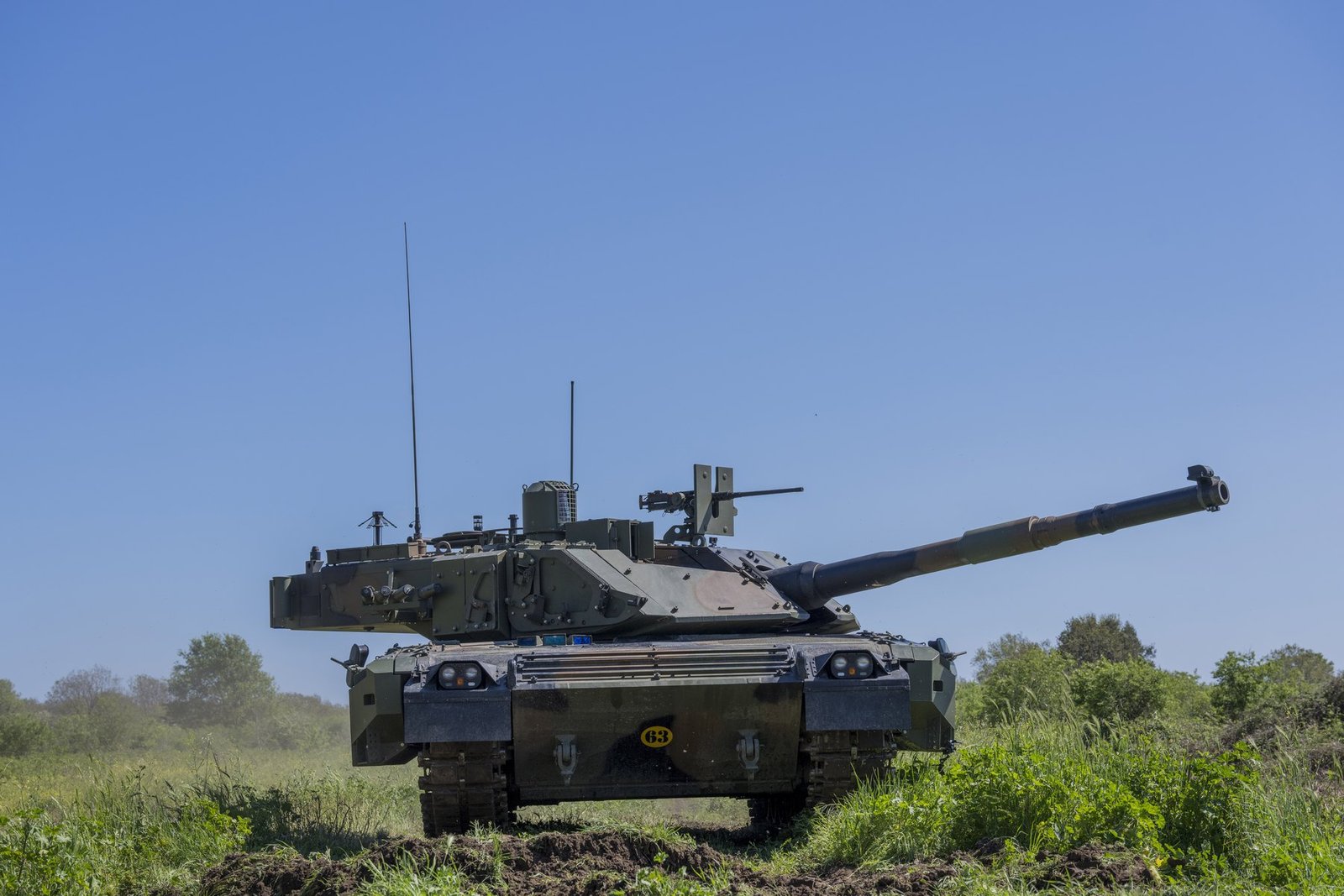
Read the profileThe C1 Ariete was Italy's post-Cold-War domestic main battle tank: a conventional four-person, rear-engine, turreted MBT with a NATO-standard 120 mm smoothbore gun, welded steel/composite armor, a digital fire-control system for its time, and automotive components…
Read the profileWhat the tank was. The Leopard 2 modern family is a third-generation Western main battle tank lineage continually upgraded after the Cold War. Earlier A0-A4 variants are covered only as context or when an A4 hull became the basis for a later modernization.
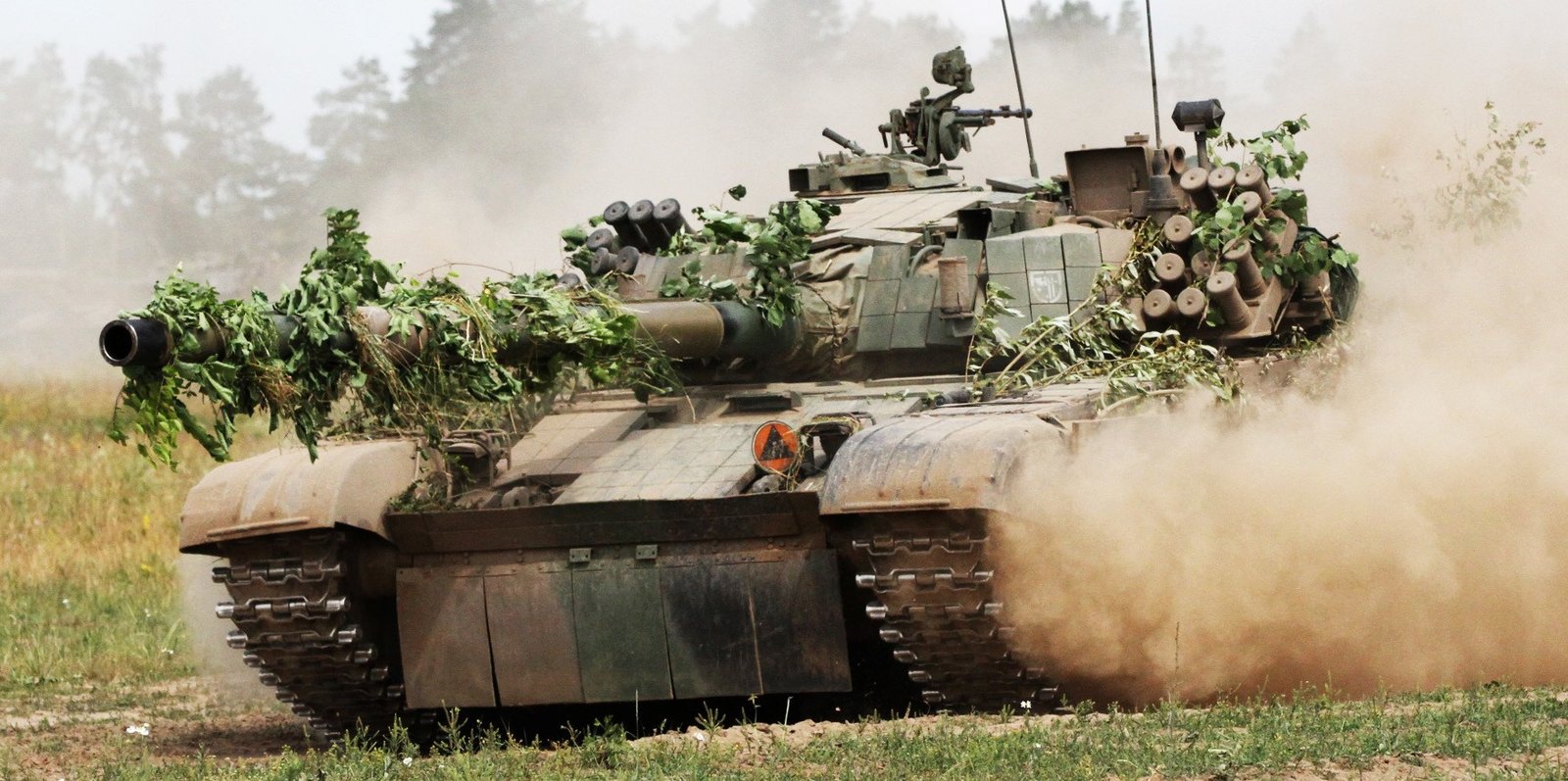
Read the profileThe PT-91 Twardy was not a clean-sheet main battle tank. It was a pragmatic Polish modernization of the T-72M1, intended to keep Poland's large Soviet-pattern armored fleet militarily useful while the country faced post-Cold-War budget stress, political realignment…
Read the profileThe K1 modernized family covers the post-1996 evolution of South Korea's K1 88-Tank lineage.
Read the profileThe TR-85M1 Bizonul was not a clean-sheet post-1990 tank. It was Romania’s most comprehensive attempt to extend the combat utility of the TR-85, a national main battle tank line that had grown from the TR-77-580/TR-580 and the broader T-55 design tradition.
Read the profileThe Type 96 family represents a pragmatic Chinese answer to a familiar modernization problem: how to replace thousands of obsolete first-generation and second-generation tanks without waiting for the most sophisticated domestic MBT to become affordable in large numbers.
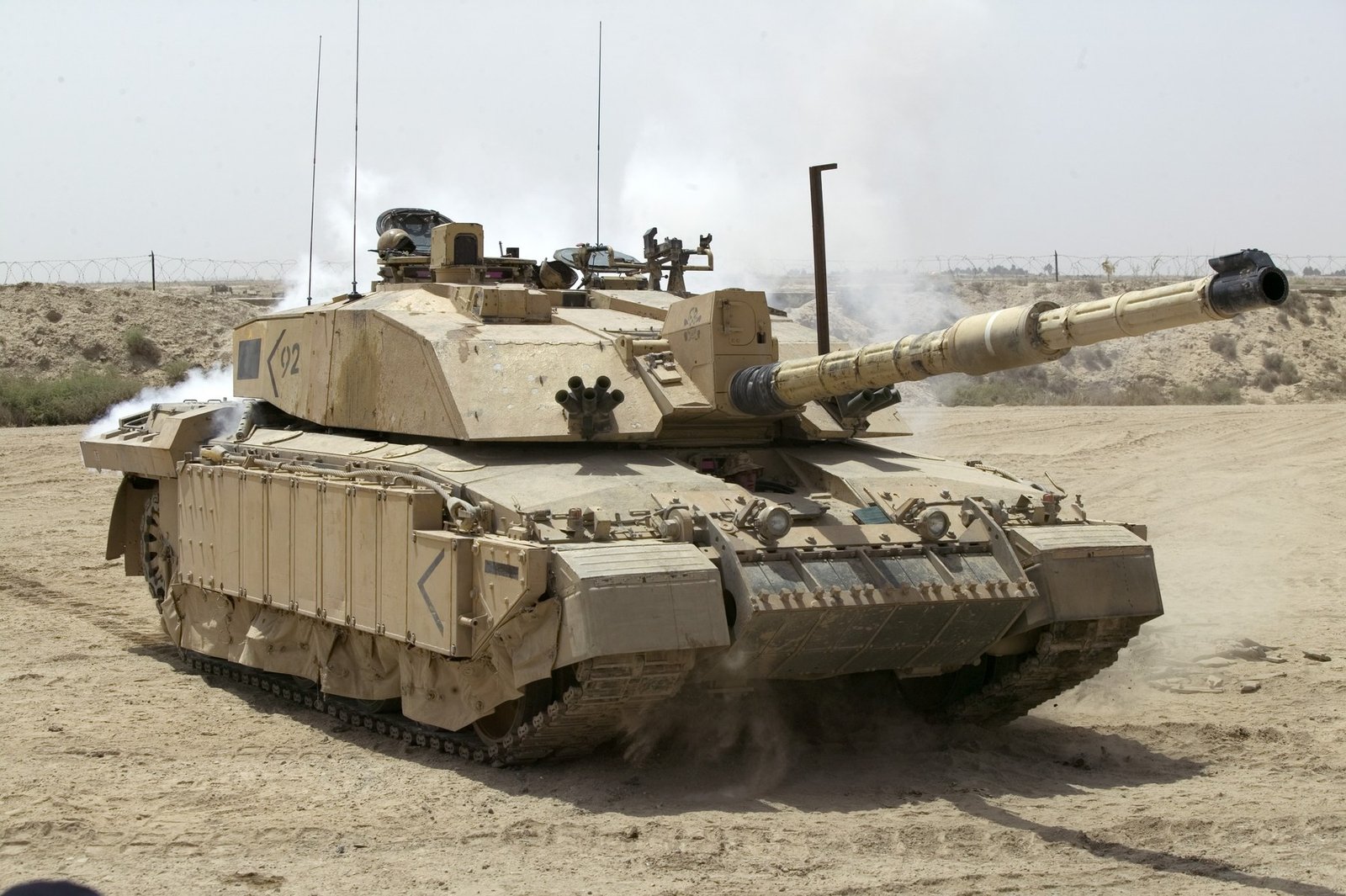
Read the profileChallenger 2 was the United Kingdom’s second-generation Challenger-line main battle tank and the British Army’s principal heavy direct-fire platform after the Challenger 1 era.
Read the profileThe T-55AGM mattered because it represented a particular moment in armored-vehicle history: the early-2000s export modernization market, when large fleets of Cold War tanks remained in storage or second-line service, but many operators could not afford new main…
Read the profileThe T-72 SIM-1 was a Georgian modernization of inherited and imported T-72-series main battle tanks, associated in contemporary sources with Israel’s Elbit Systems and a broader Georgian effort to rebuild military capability after the Rose Revolution.
Read the profileThe Al-Khalid family is Pakistan's indigenous-production MBT line derived from the Sino-Pakistani MBT-2000 / Type 90-II lineage. It entered Pakistan Army service around 2001 and remains active, with HIT listing Al-Khalid-I production and Al-Khalid as a featured product.
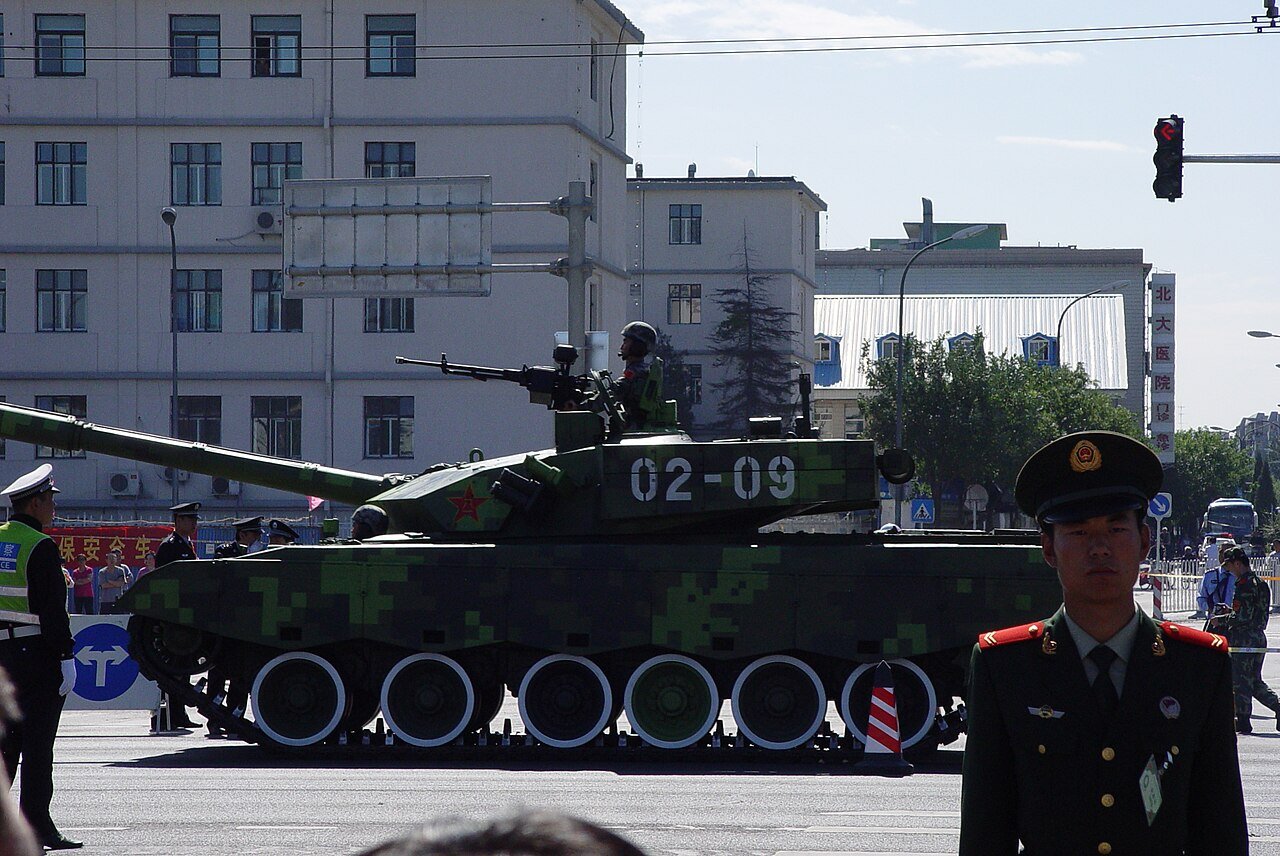
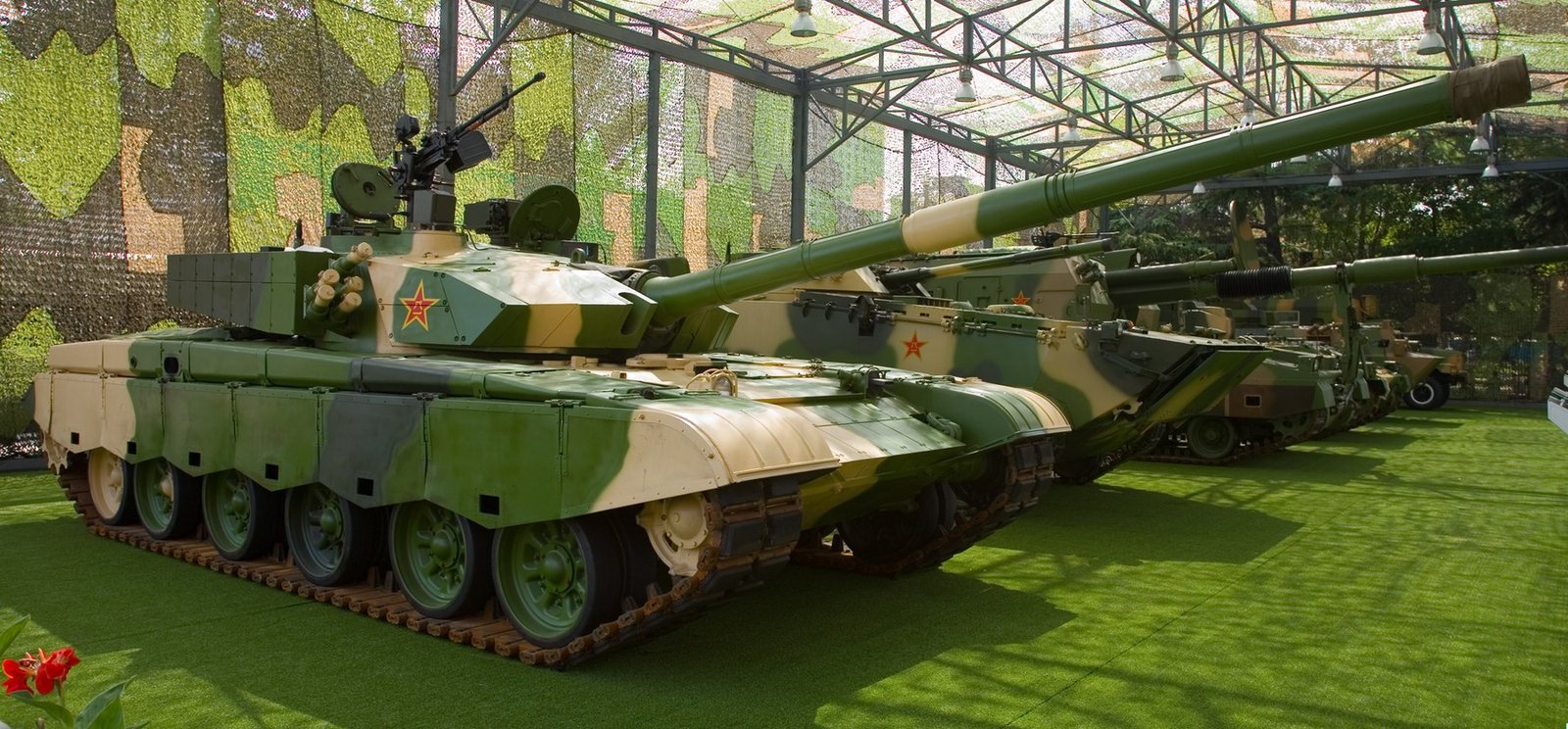
Read the profileThe ZTZ-99 / Type 99 family is the People’s Republic of China’s prestige main battle tank line: a relatively heavy, three-man, autoloaded, 125 mm-gunned family intended for elite PLA Ground Force formations rather than export.
Read the profileThe T-72M4 CZ was not a new tank design. It was a deep Czech modernization of T-72M/T-72M1 vehicles inherited from the Czechoslovak and Warsaw Pact armored tradition.
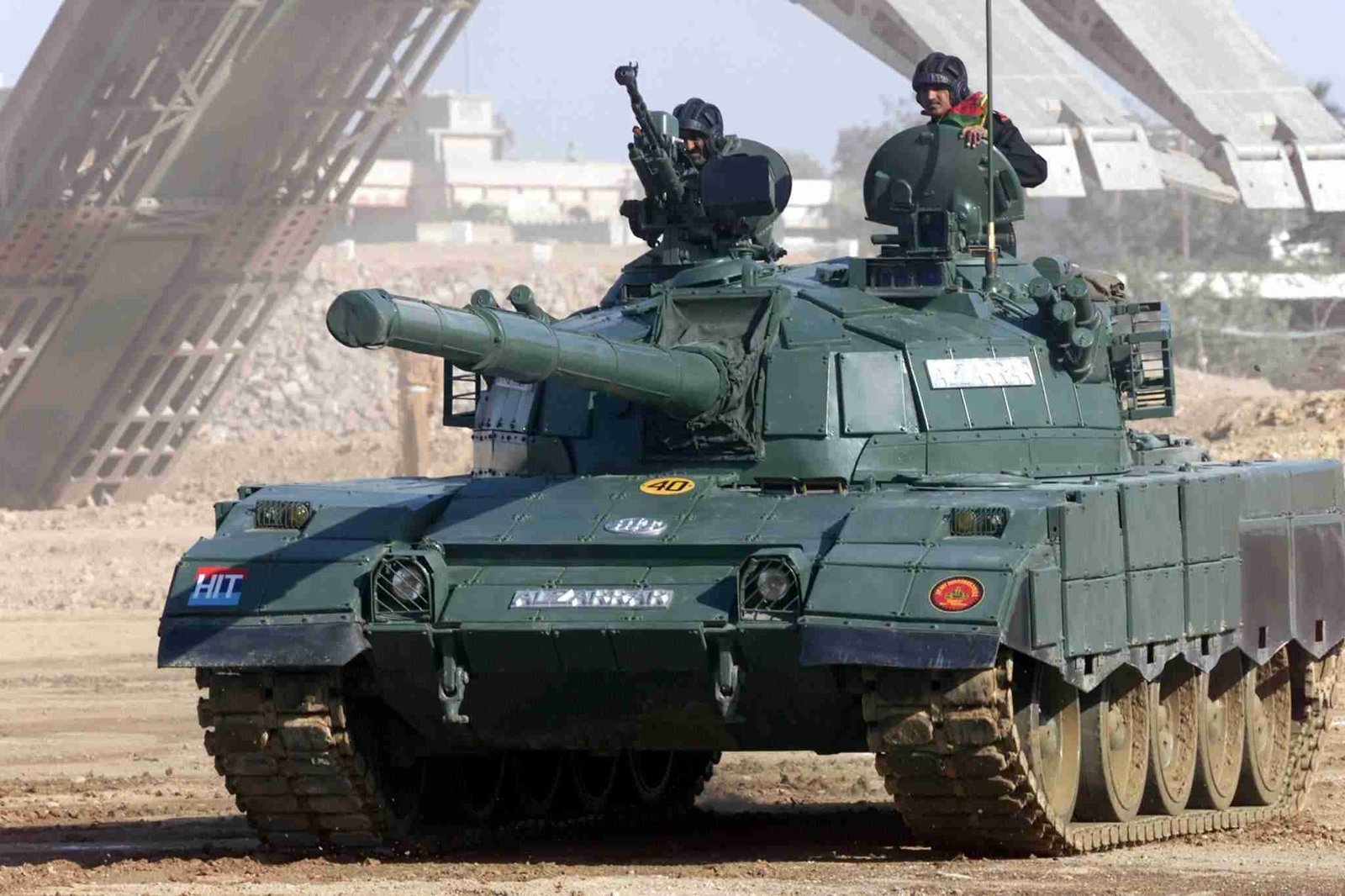
Read the profileAl-Zarrar was not a clean-sheet Pakistani tank. It was a deep modernization of Pakistan’s large Type 59/T-59 fleet, intended to preserve armored mass while raising older Chinese-origin tanks closer to modern battlefield requirements.
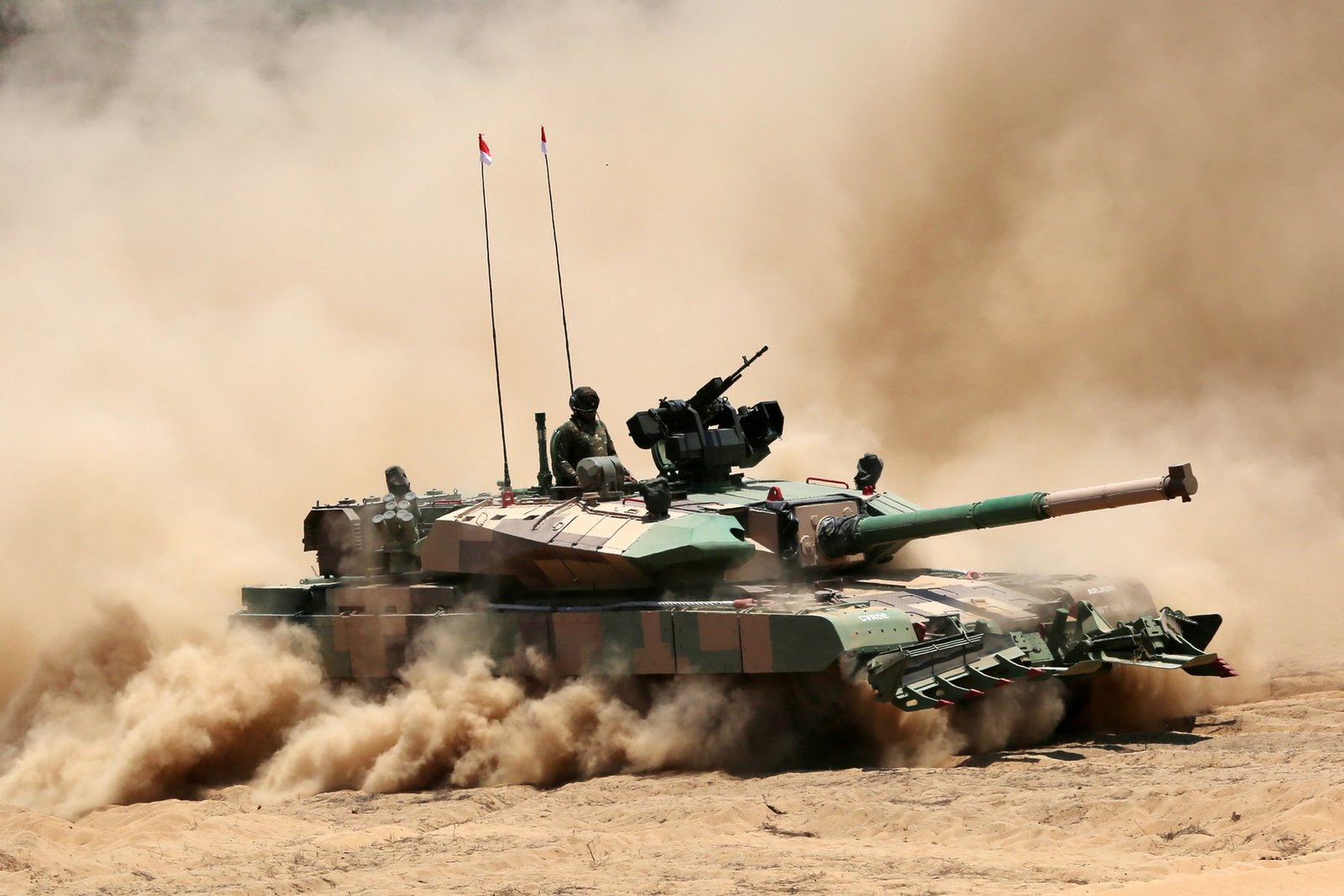
Read the profileThe Arjun Mk 1 / Mk 1A family is India's principal indigenous heavy main battle tank project.
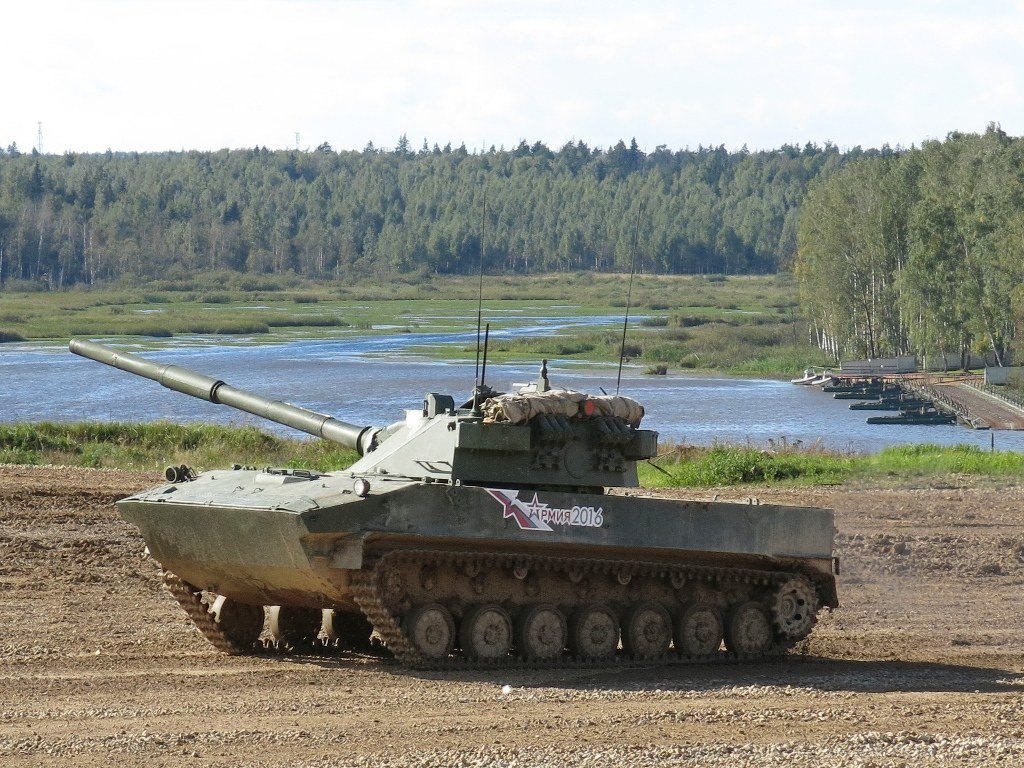
Read the profileThe 2S25 Sprut-SD is a Russian airborne amphibious tracked direct-fire vehicle built around a 125 mm smoothbore gun.
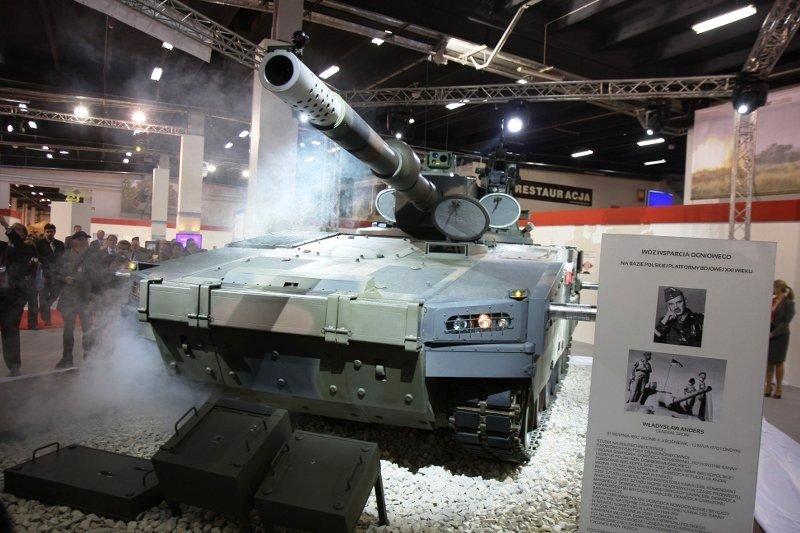
Read the profileThe Anders / PL-01 family was not a fielded tank family. It was a linked set of Polish demonstrators, mock-ups, and direct-fire-support studies that attempted to combine the firepower normally associated with main battle tanks with a lighter, modular tracked chassis.
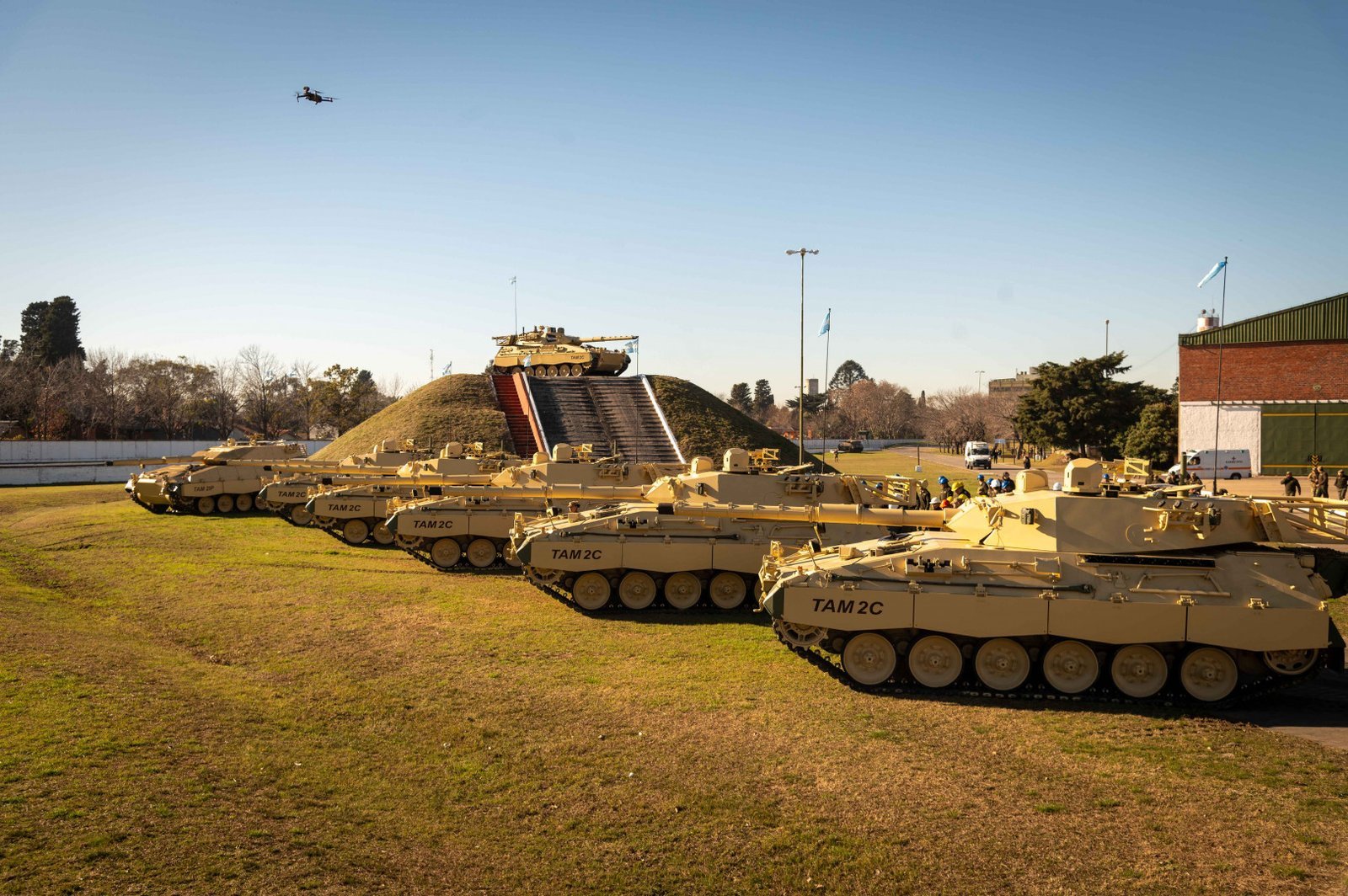
Read the profileThe TAM 2C / 2CA2 is not a new tank family in the structural sense; it is a modernization line for Argentina's TAM, a 30-ton class medium tank/light MBT originally designed with West German assistance in the 1970s.
Read the profileType 10 is the fourth major postwar domestic JGSDF tank line after the Type 61, Type 74, and Type 90.
Read the profileThe K2 Black Panther is South Korea’s flagship post-Cold-War main battle tank: a high-mobility, autoloaded, digitally integrated MBT designed around the Republic of Korea Army’s need to fight in constrained, mountainous, urban, and highly networked conditions.
Read the profileThe T-14 Armata was presented as a Russian “new generation” main battle tank: a vehicle designed around a three-person armored crew capsule, an unmanned turret, automatic loading, an advanced 125 mm gun, sensor and fire-control integration, explosive/dynamic…
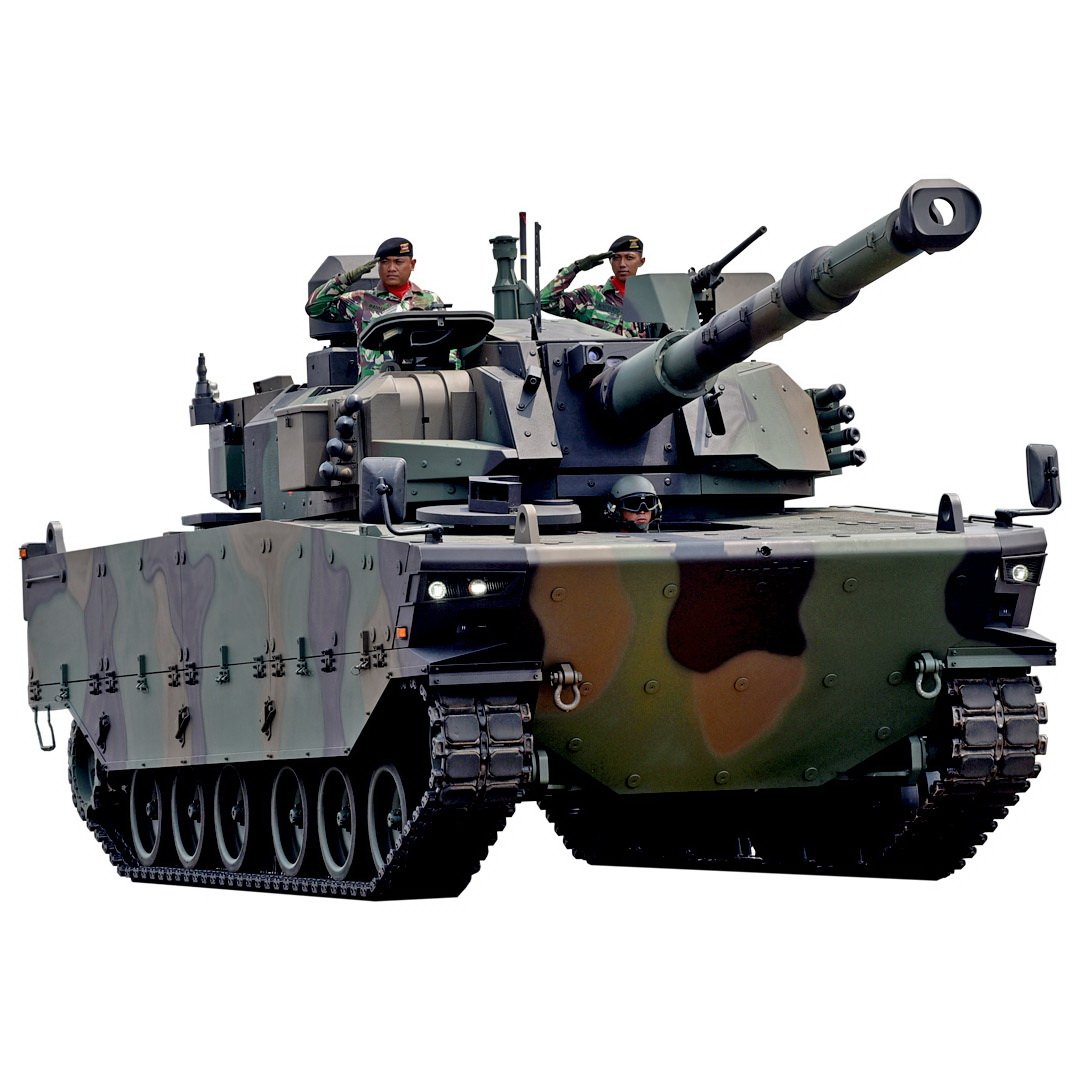
Read the profileKaplan MT / Harimau is a modern medium/light tank family rather than a main battle tank.
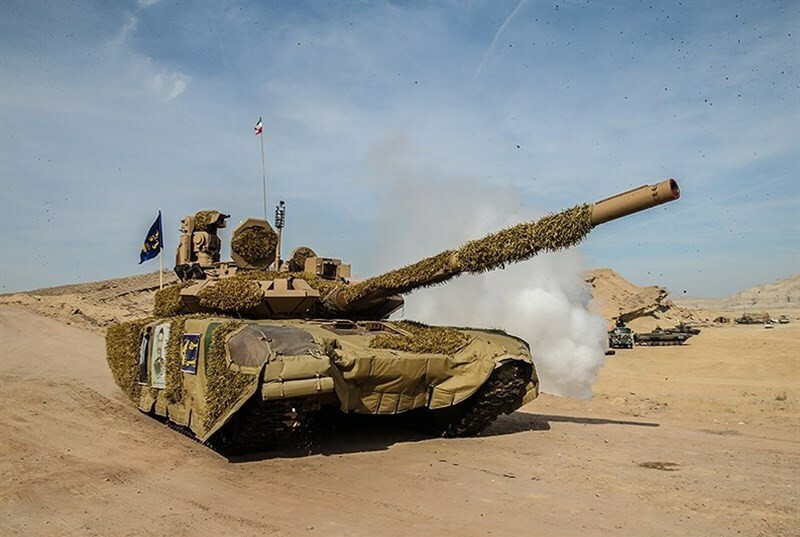
Read the profileKarrar was publicly unveiled in March 2017 as Iran's advanced domestic main battle tank.
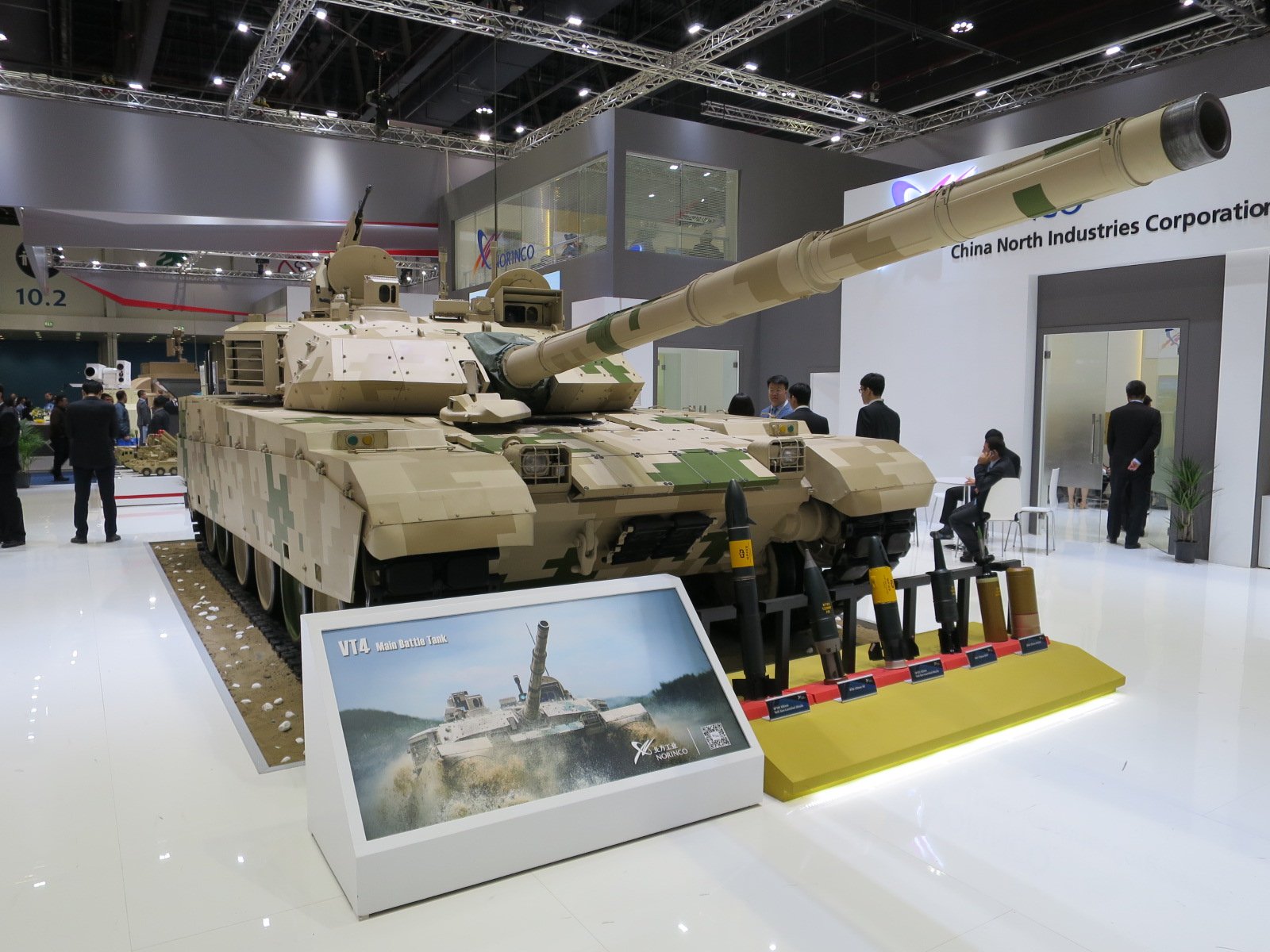
Read the profileThe MBT-3000/VT-4 is NORINCO's modern export main battle tank family. Within this family, MBT-3000 is the development and marketing identity that leads into the VT-4 export-production identity.
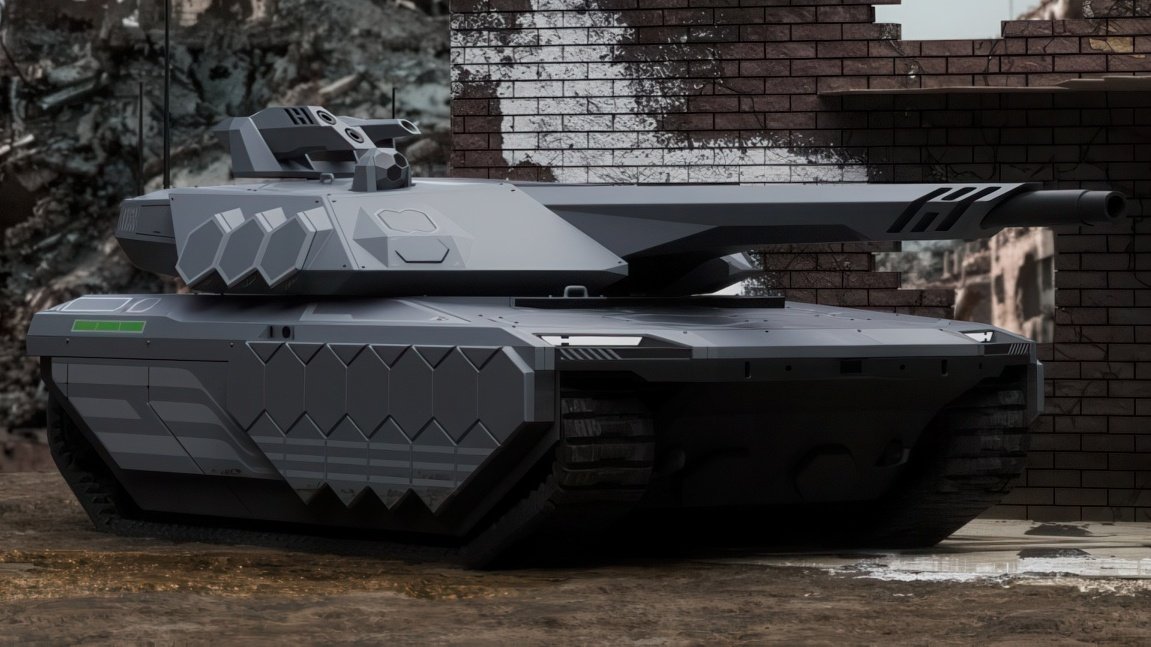
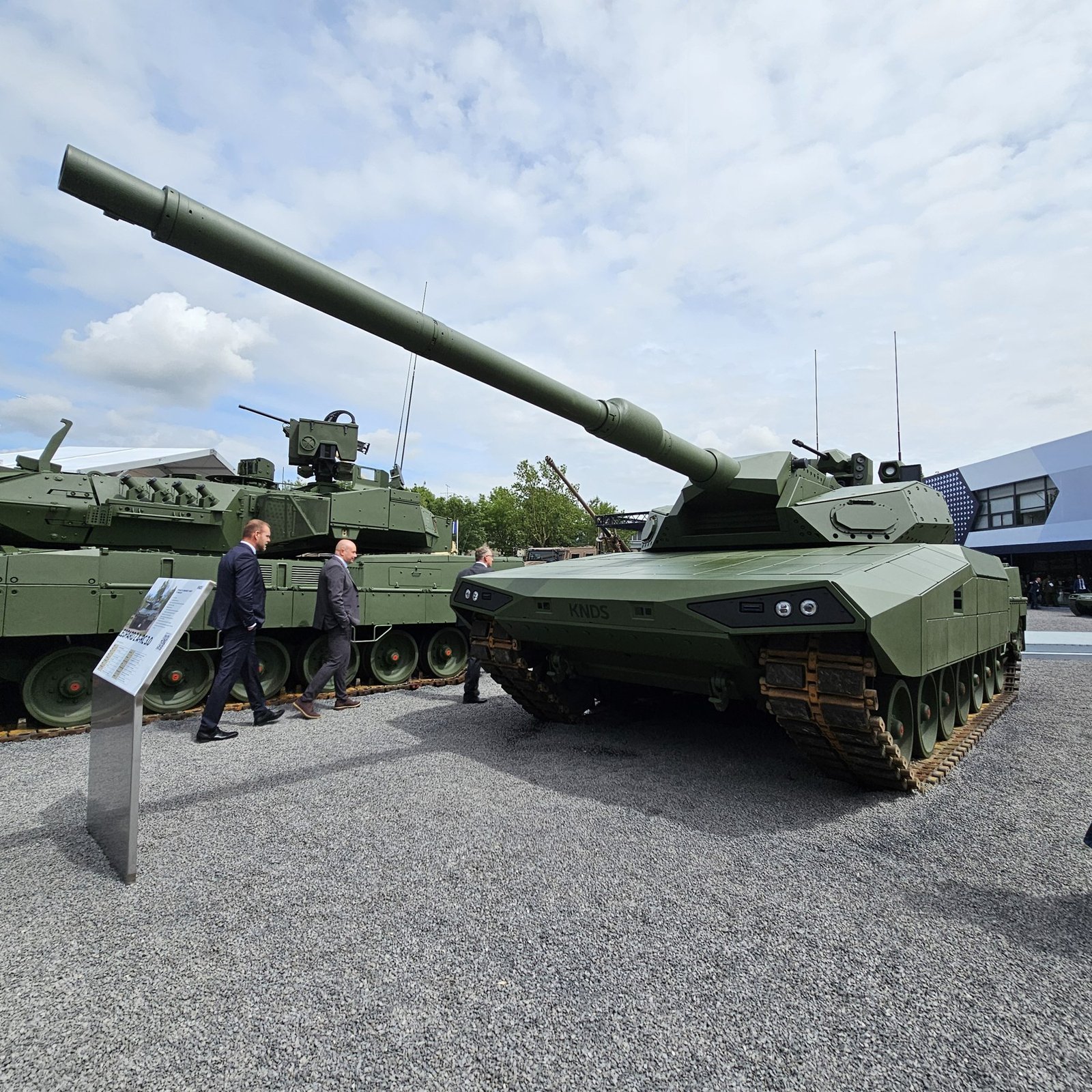
Read the profileThe EMBT / MGCS demonstrator family is a Franco-German technology path developed around KNDS, the group formed from Germany’s Krauss-Maffei Wegmann and France’s Nexter.
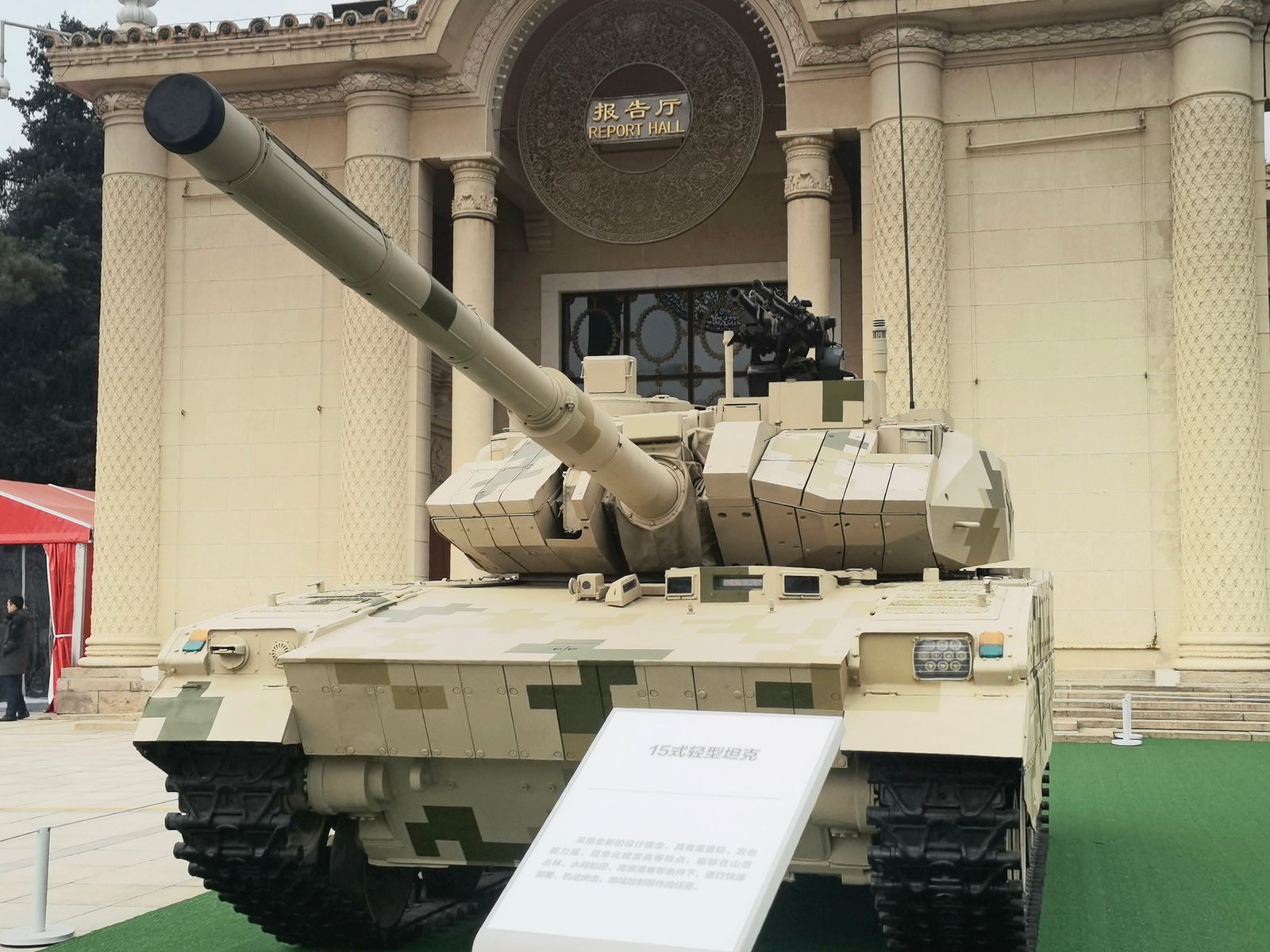
Read the profileThe Type 15 / VT5 family represents China's modern answer to the tactical problem that heavy main battle tanks are not always the best armored answer in mountain, plateau, jungle, waterlogged, or under-bridged regions.
Read the profileThe K3 / Korean next-generation tank concept is a future main battle tank design path associated with Hyundai Rotem, the Agency for Defense Development (ADD), and the Defense Agency for Technology and Quality.
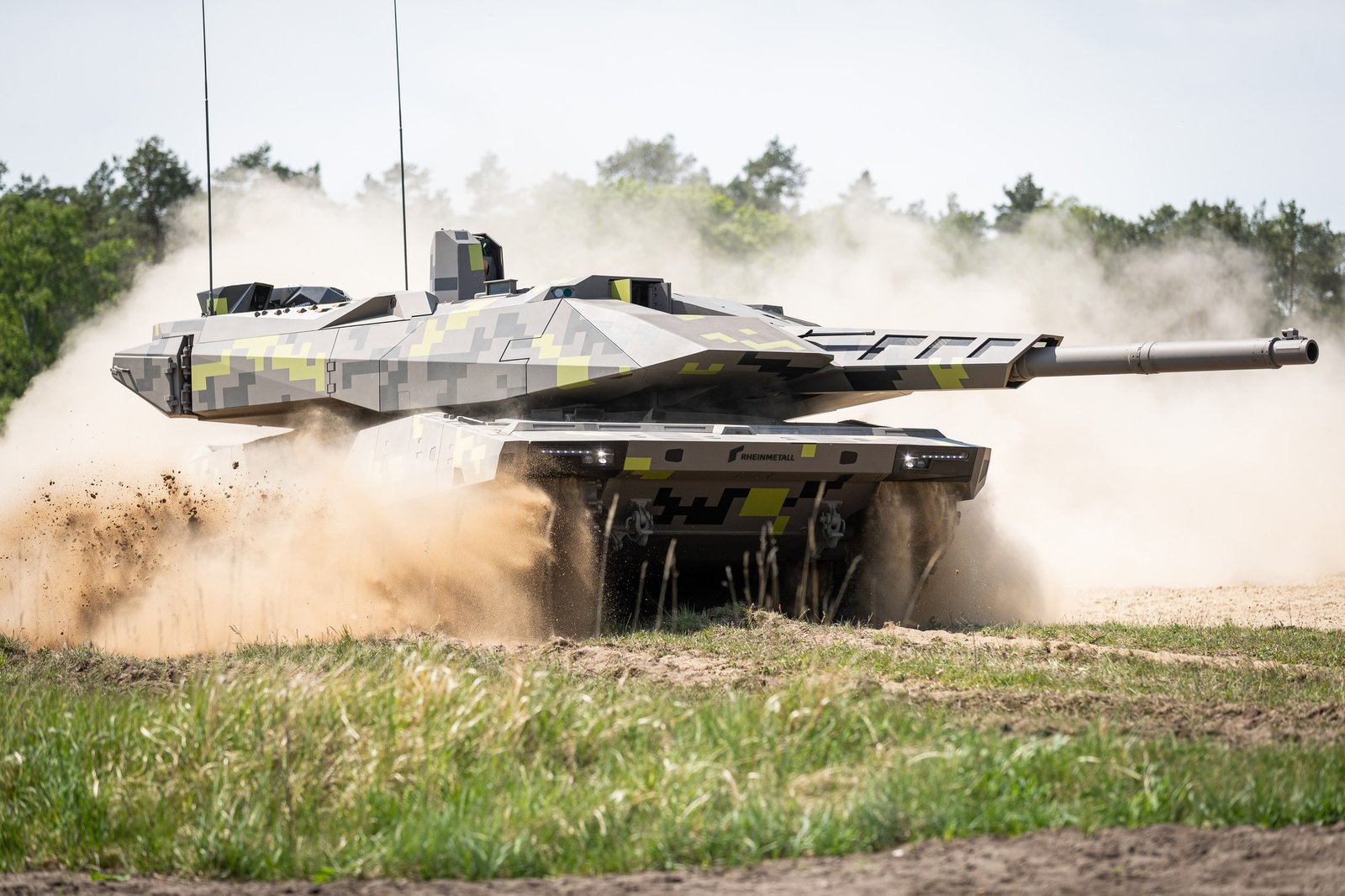
Read the profileThe Panther KF51 was Rheinmetall's answer to a specific post-2022 problem: Western armies wanted more lethality, more sensor fusion, better top-attack and drone-era survivability, and a credible path beyond existing Leopard 2 and Leclerc upgrade cycles before the…
Read the profileThe Sabrah light tank is a modern, export-oriented direct-fire armored vehicle centered on a 105 mm turret and a digital mission-equipment package.
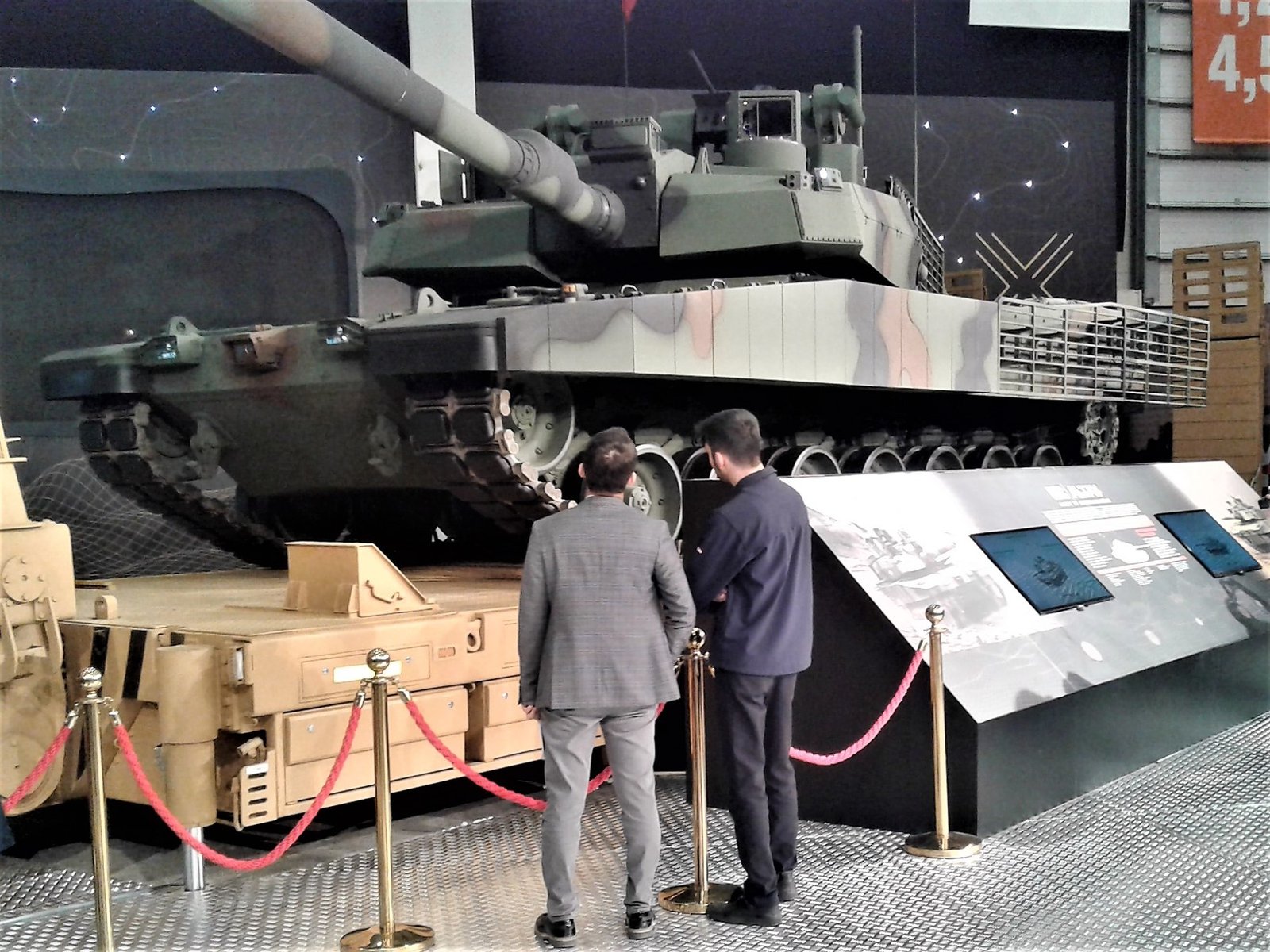
Read the profileAltay / New Altay is a Turkish main battle tank family and industrial program. It combines a conventional NATO-caliber 120 mm L55 smoothbore gun, a four-person crew, modern fire-control and sensor systems, modular passive and reactive armor, and an active protection…
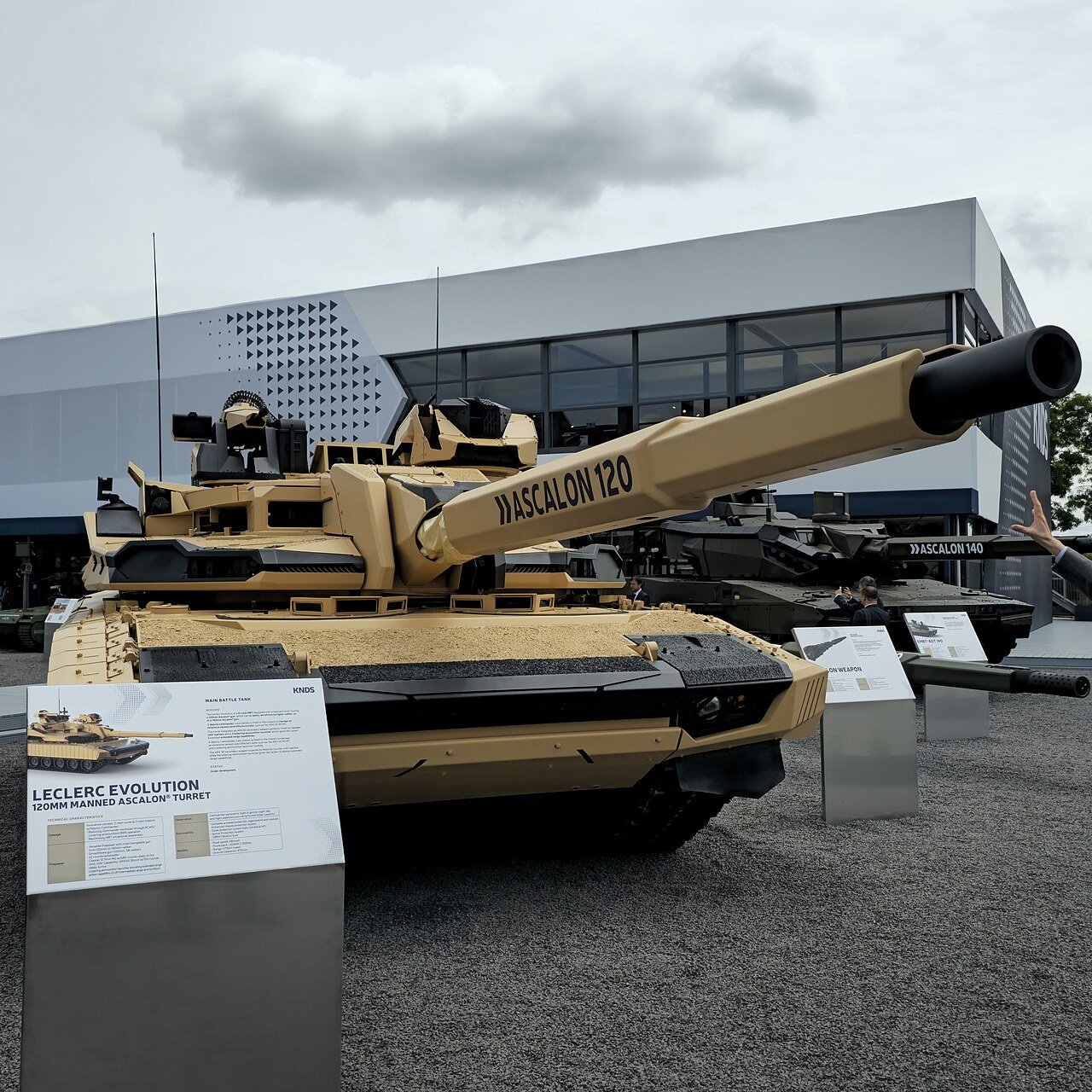
Read the profileLeclerc Evolution shows how KNDS France is trying to preserve the Leclerc industrial and design line while MGCS remains years away.
Read the profileThe Leopard 2 A-RC 3.0 is a 2024 KNDS Deutschland main battle tank demonstrator and deep-modernization proposal for the Leopard 2 family.
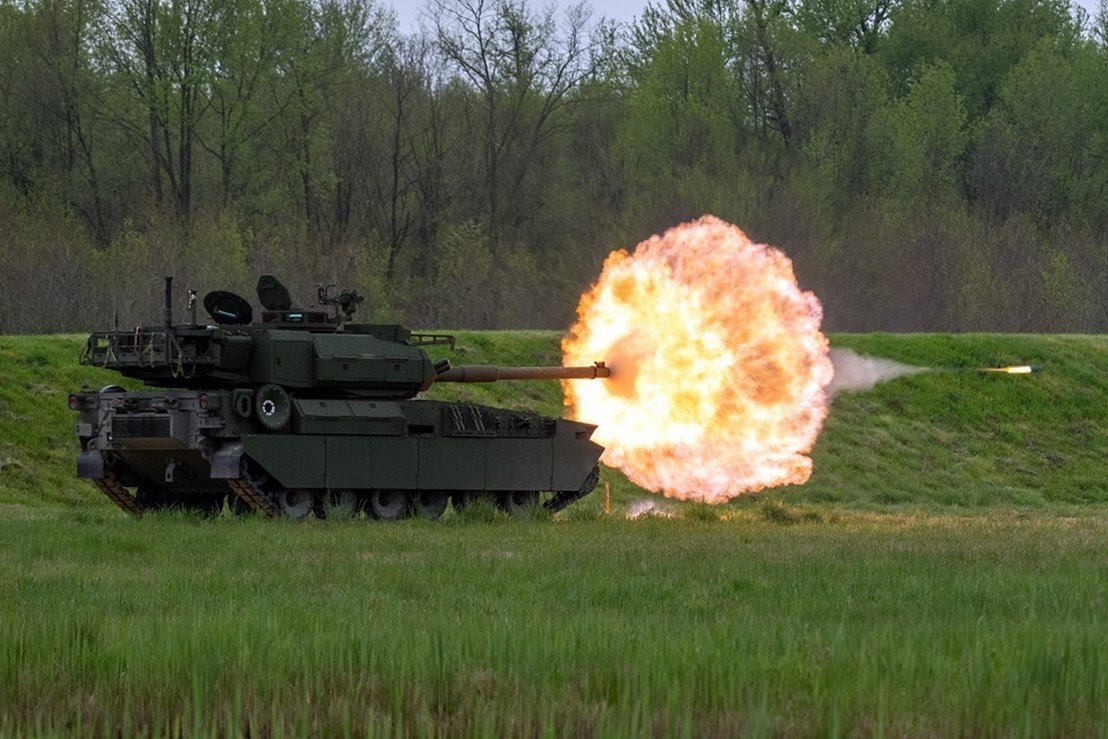
Read the profileThe M10 Booker was a tank-like, turreted, tracked, direct-fire combat vehicle intended to give U.S. Army infantry brigade combat teams a mobile, protected, precision-fire capability against bunkers, fortified positions, heavy machine guns, dismounted troops, and…
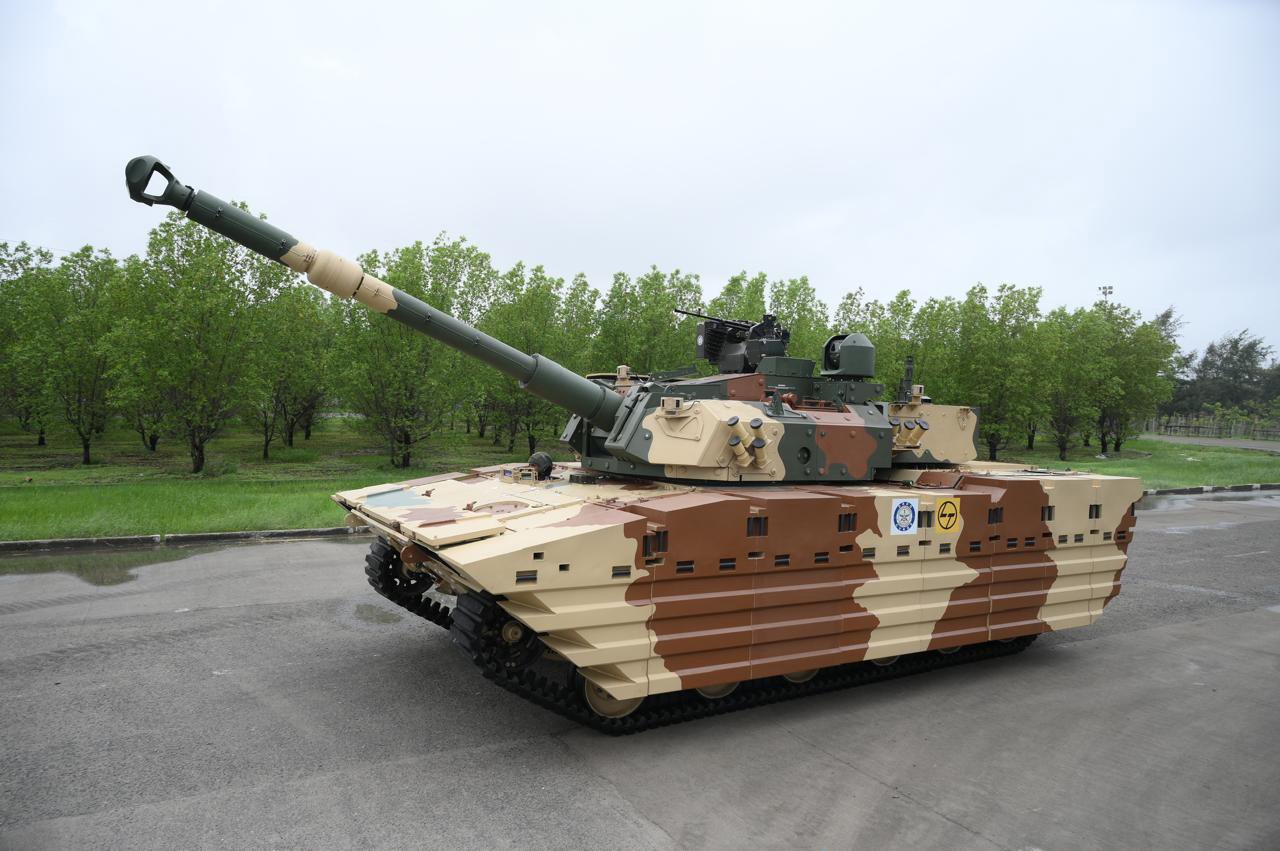
Read the profileZorawar is India's indigenous modern light-tank family now being developed under the Indian Light Tank (ILT) program.
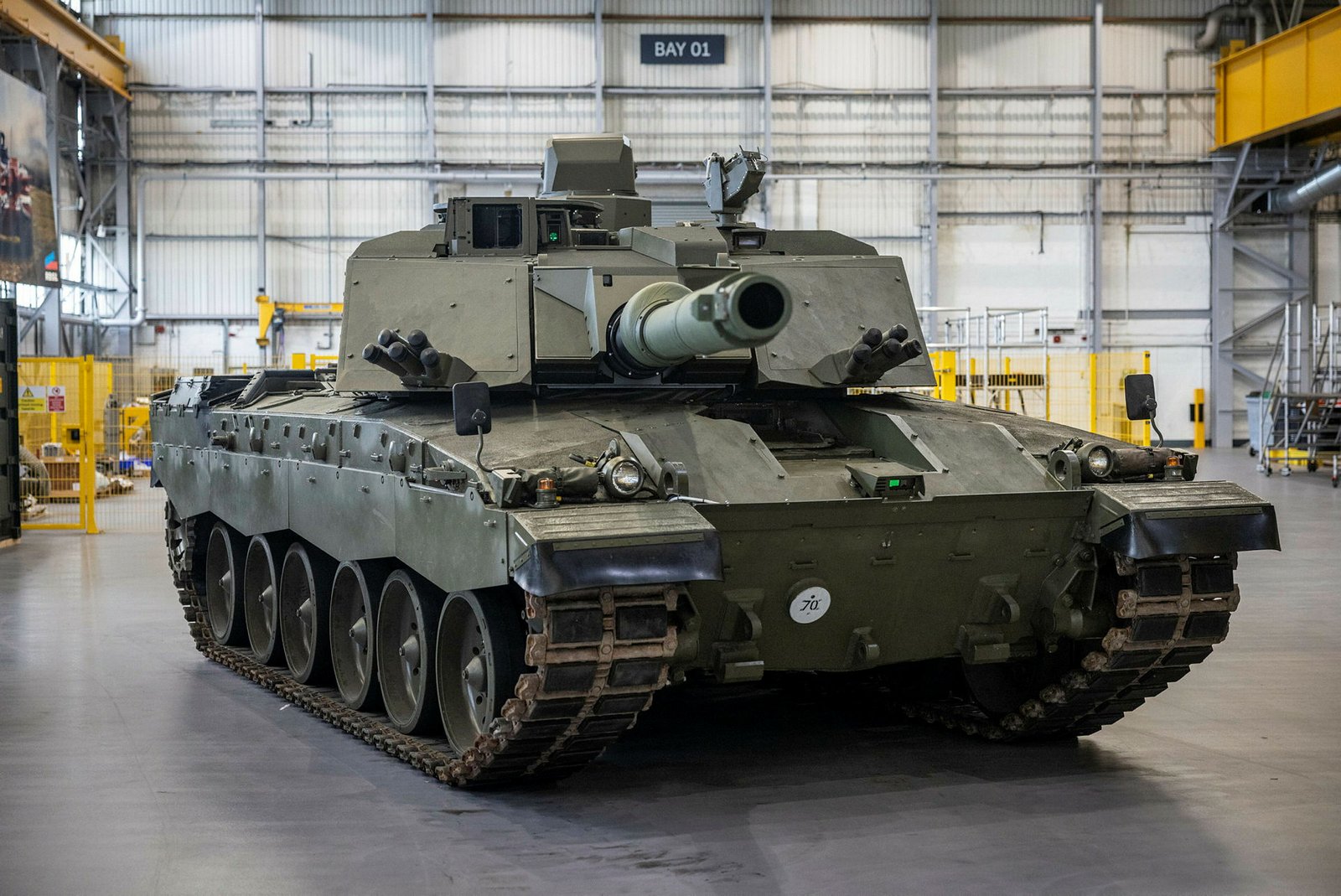
Read the profileChallenger 3 is the United Kingdom's answer to an unusually difficult modernization problem: how to preserve a sovereign heavy-armour capability without buying an entirely new MBT fleet and without leaving the British Army tied to a unique rifled-gun ammunition…
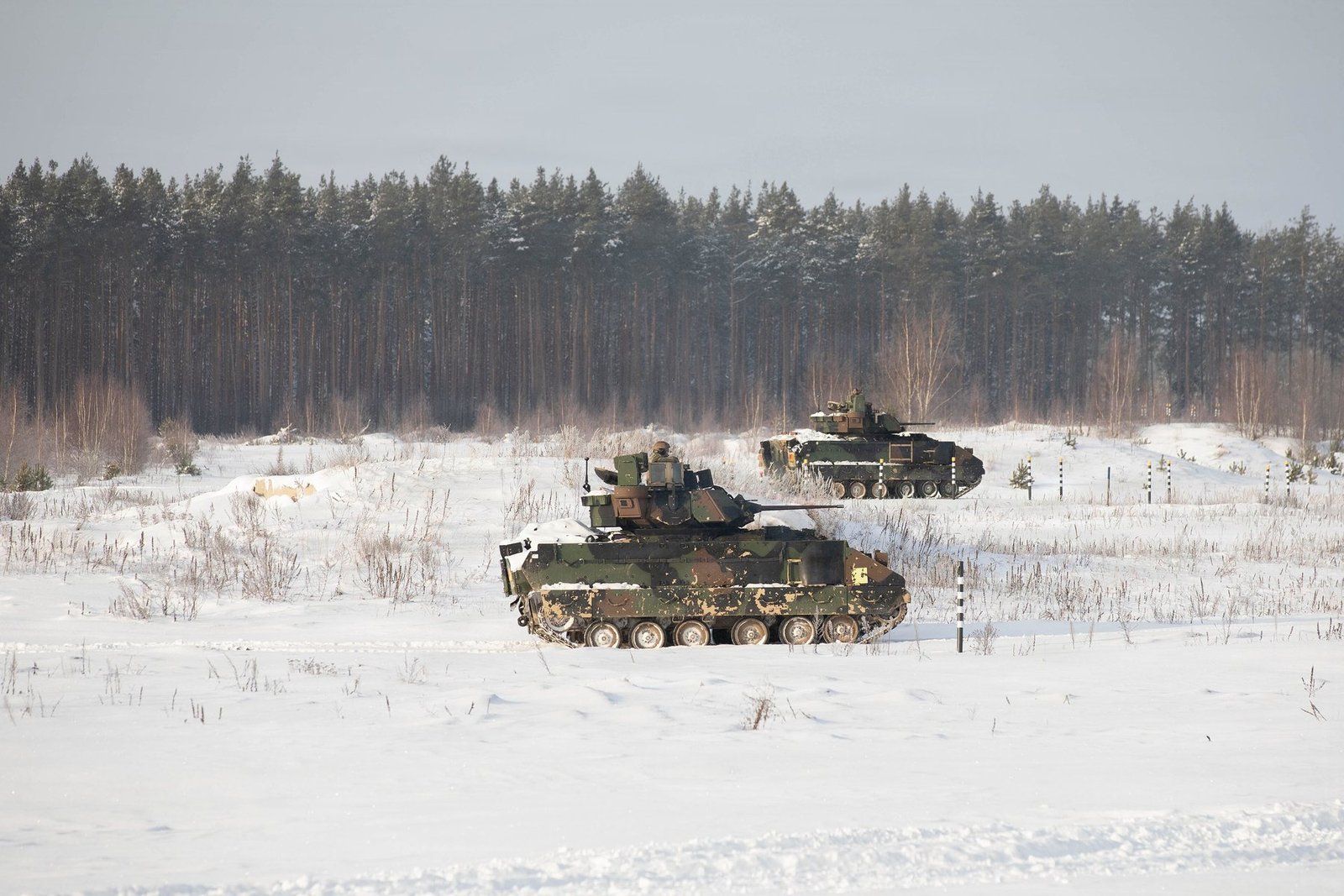
Read the profileThe Bradley family paired mechanized infantry and cavalry variants with a 25 mm cannon, TOW missiles, tracked mobility, and decades of incremental modernization.
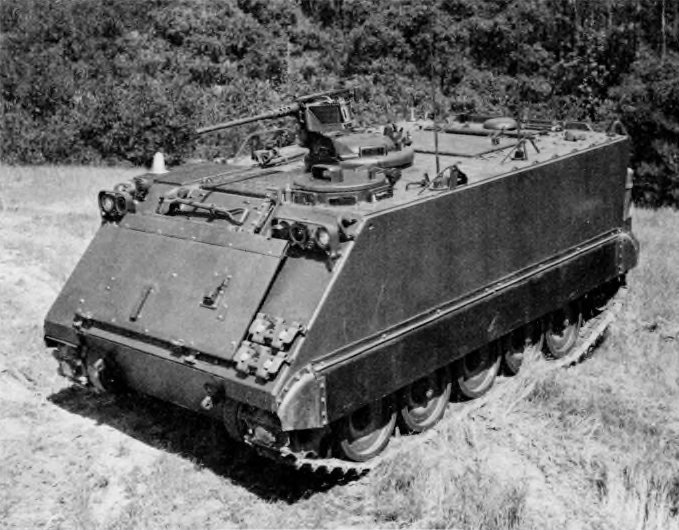
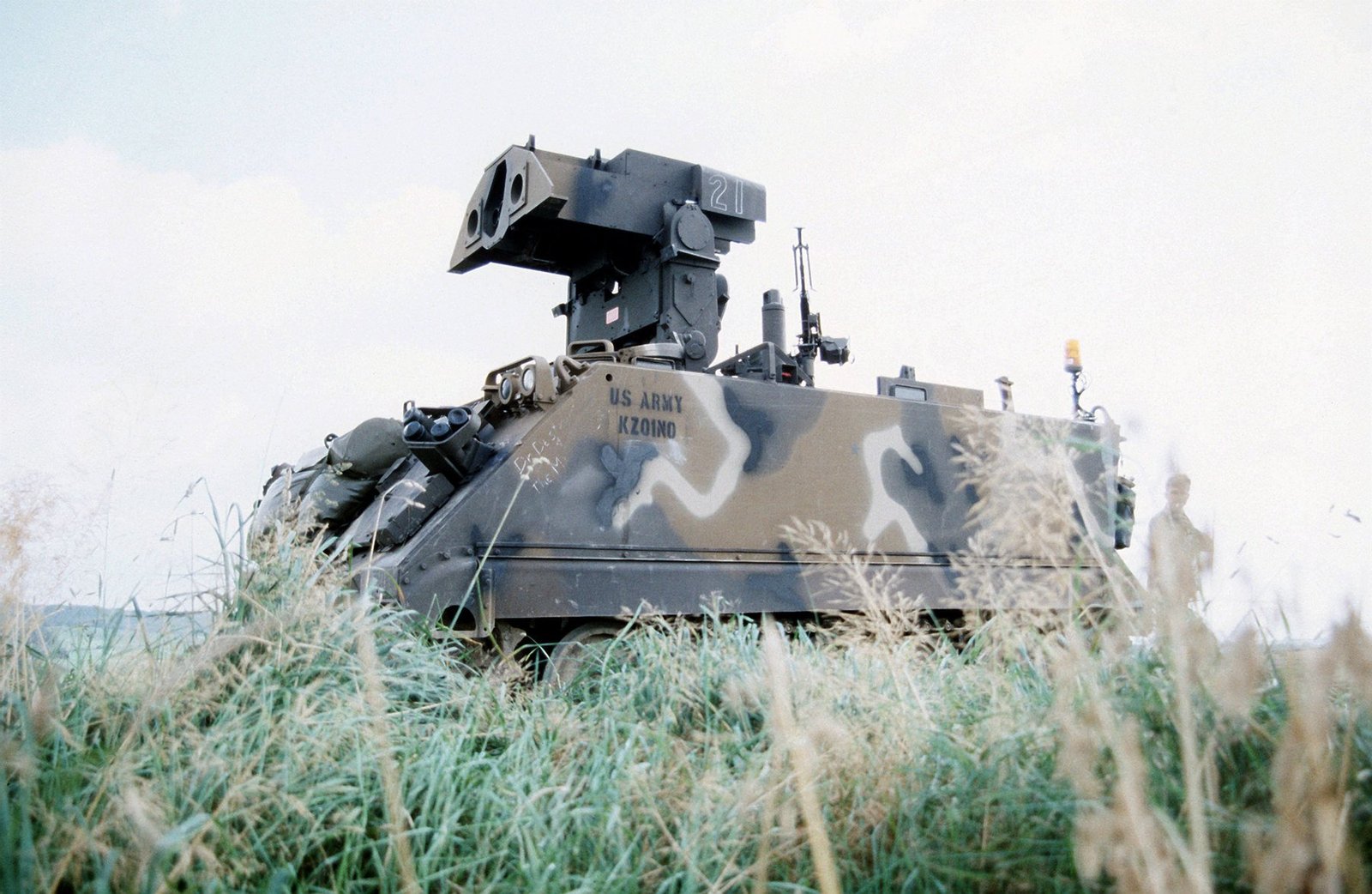
Read the profileThe M113 became one of the defining tracked armored personnel carrier families of the Cold War, spawning a vast range of command, mortar, antitank, medical, and air-defense derivatives.
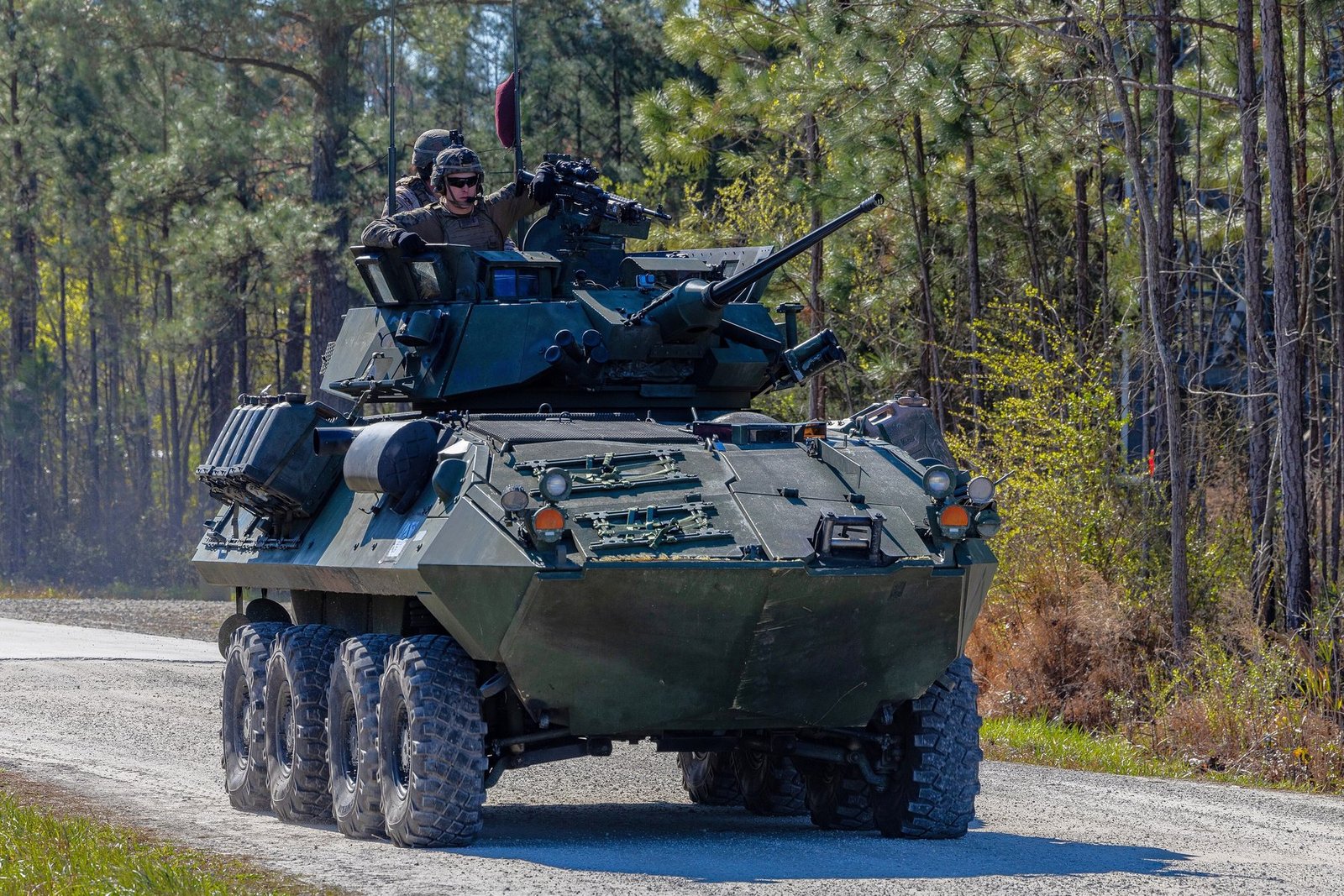
Read the profileThe eight-wheeled LAV-25 family gave the U.S. Marine Corps a fast, amphibious reconnaissance vehicle armed with the M242 25 mm cannon and supported by several mission-role variants.
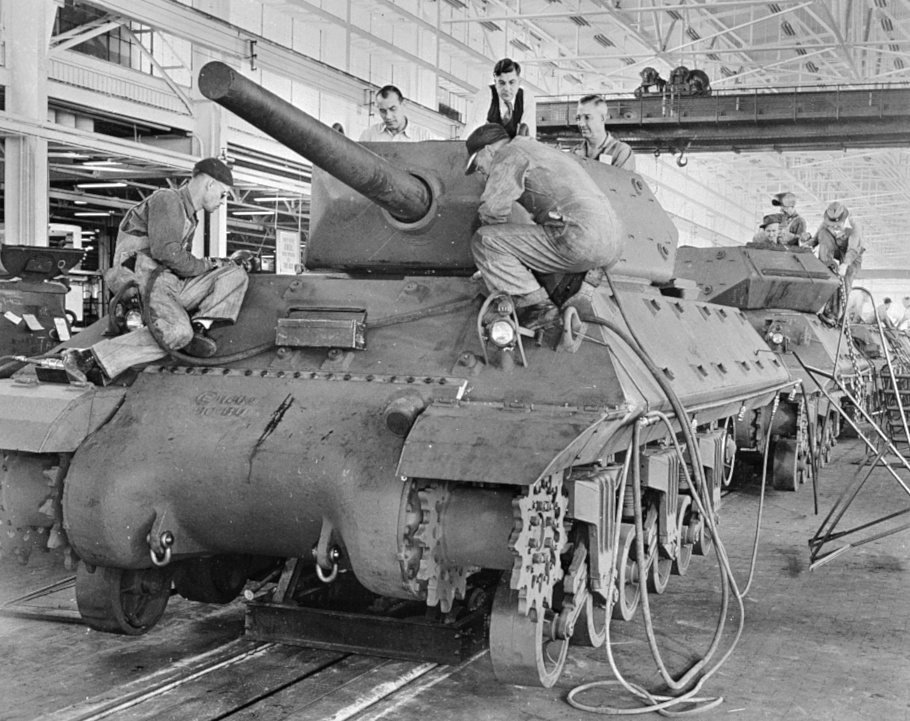
Read the profileThe M10 combined a Sherman-derived chassis, an open-topped turret, and a 3-inch gun for U.S. tank-destroyer units; British conversions armed with the 17-pounder became the Achilles.
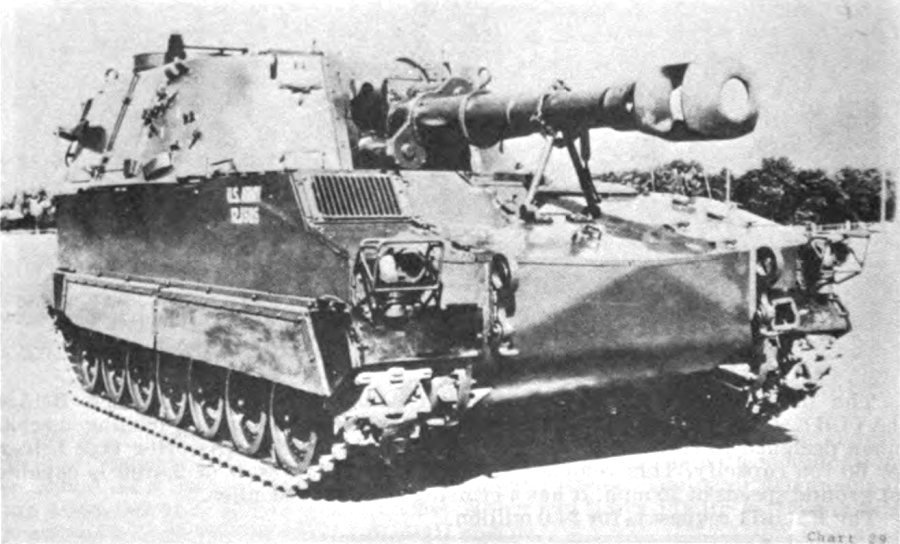
Read the profileThe M108 and M109 emerged from a postwar U.S. requirement for mobile artillery able to accompany armored forces; the 155 mm M109 branch became the enduring family.
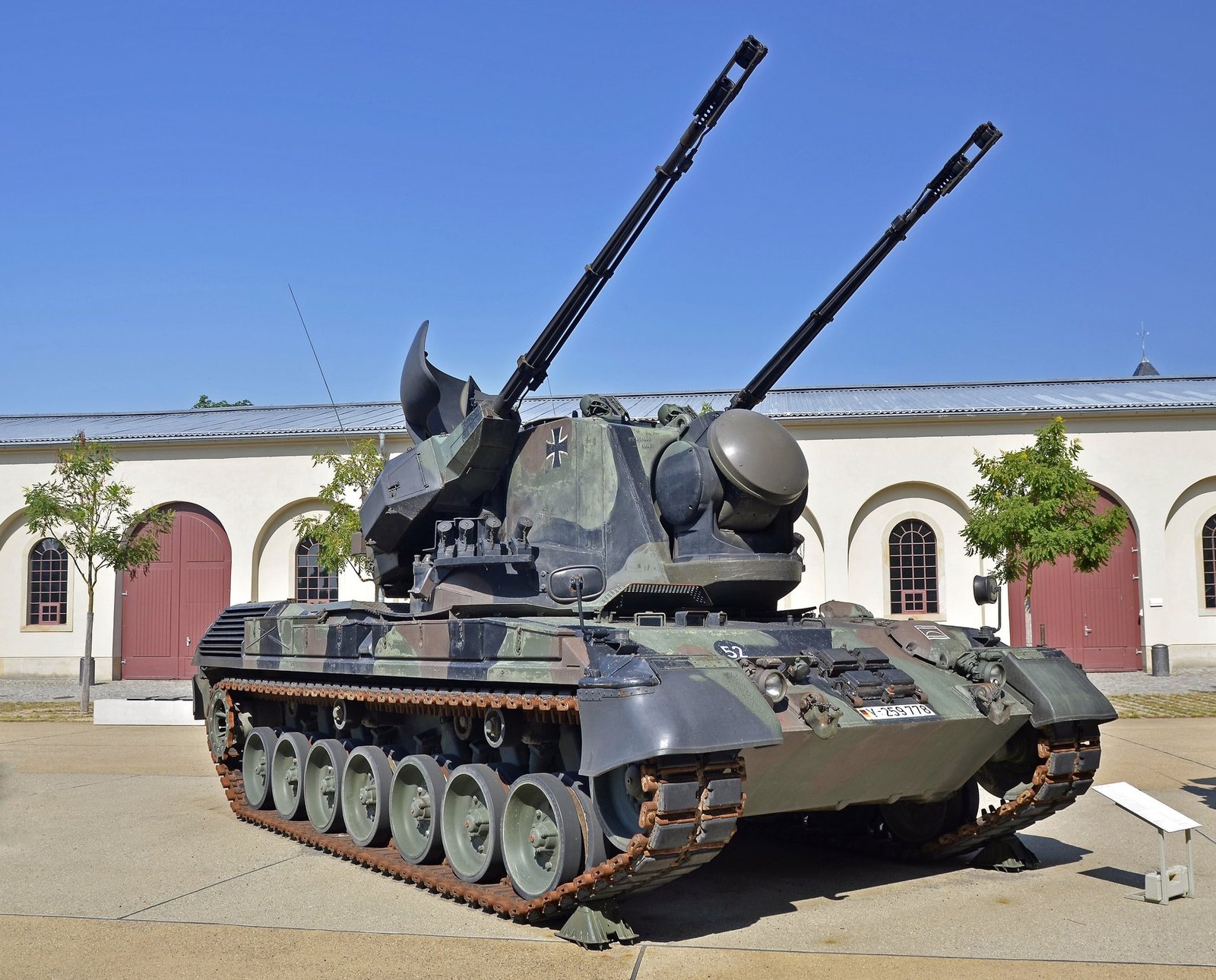
Read the profileBuilt on Leopard 1 automotive components, the Gepard combined twin 35 mm cannon with onboard search and tracking radar to protect maneuver formations against low-level air attack.
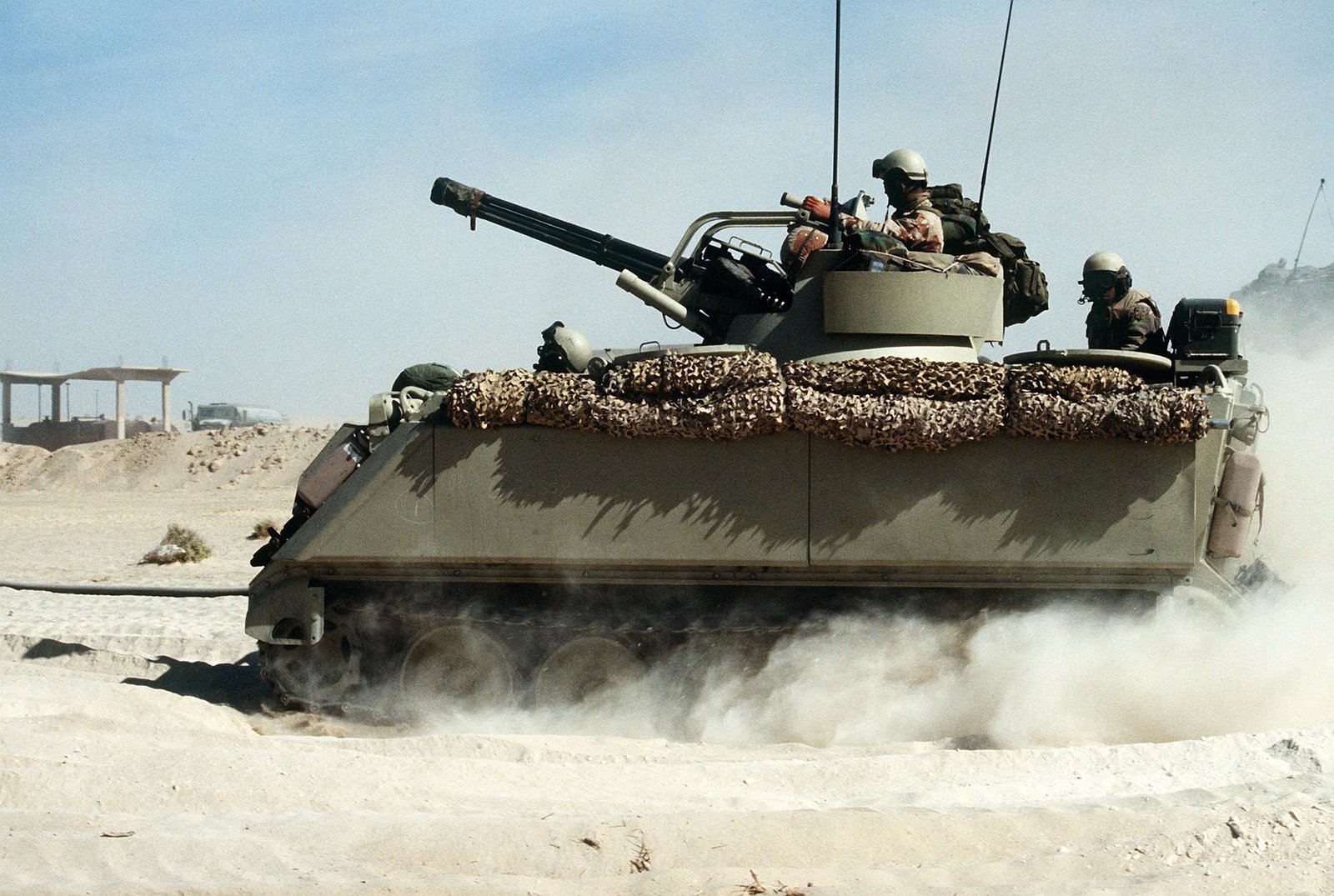
Read the profileThe M163 mounted a 20 mm Vulcan rotary cannon and tracking equipment on an M113-derived carrier, creating a highly mobile short-range gun system for mechanized formations.
Read the profileThe BMP-1 helped establish the modern infantry fighting vehicle by combining squad transport, amphibious mobility, a low-pressure 73 mm gun, and antitank missiles in one tracked vehicle.
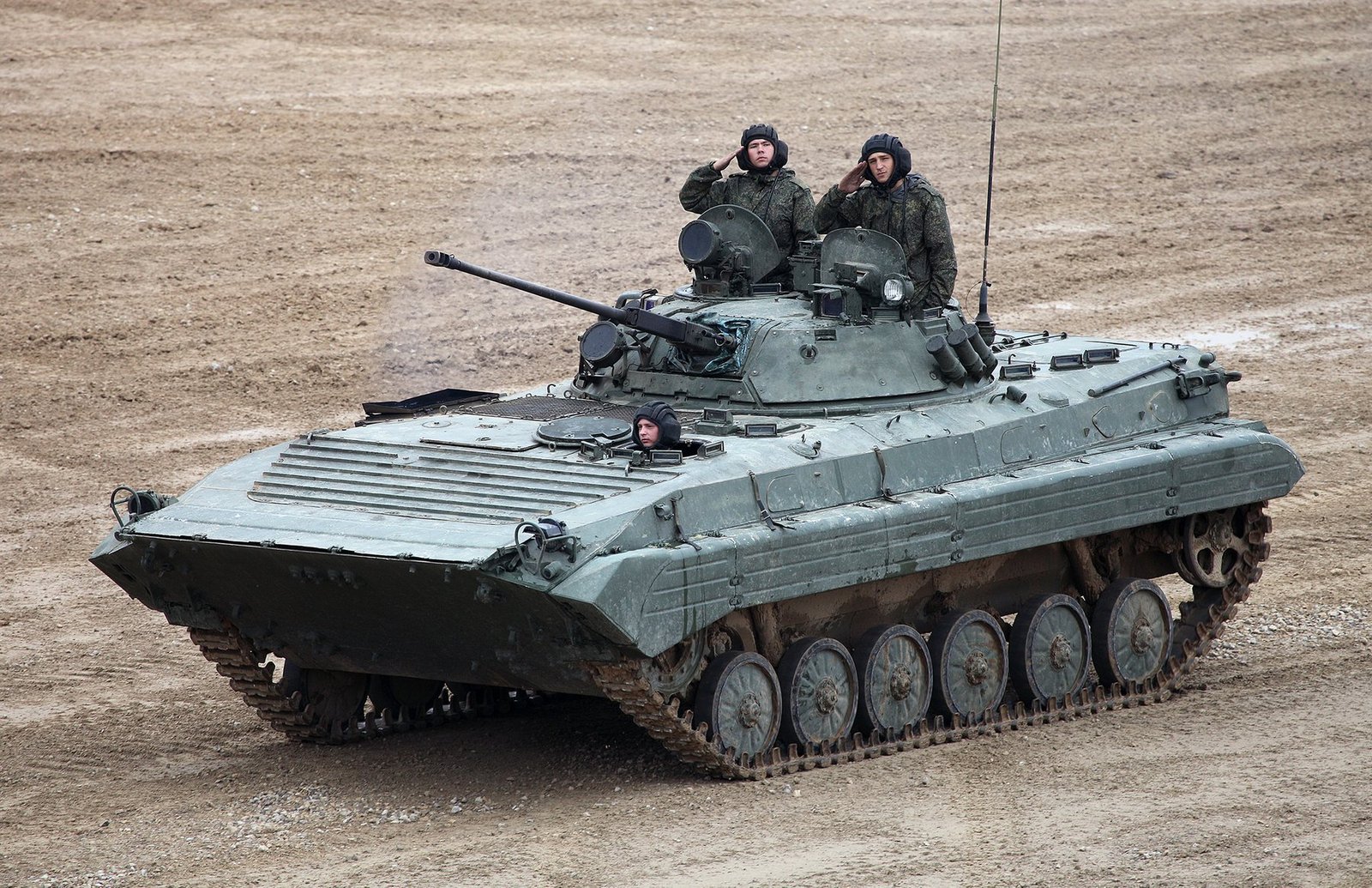
Read the profileThe BMP-2 revised the Soviet IFV concept around a two-man turret and high-elevation 30 mm autocannon, improving engagement of infantry, helicopters, and targets in broken terrain.
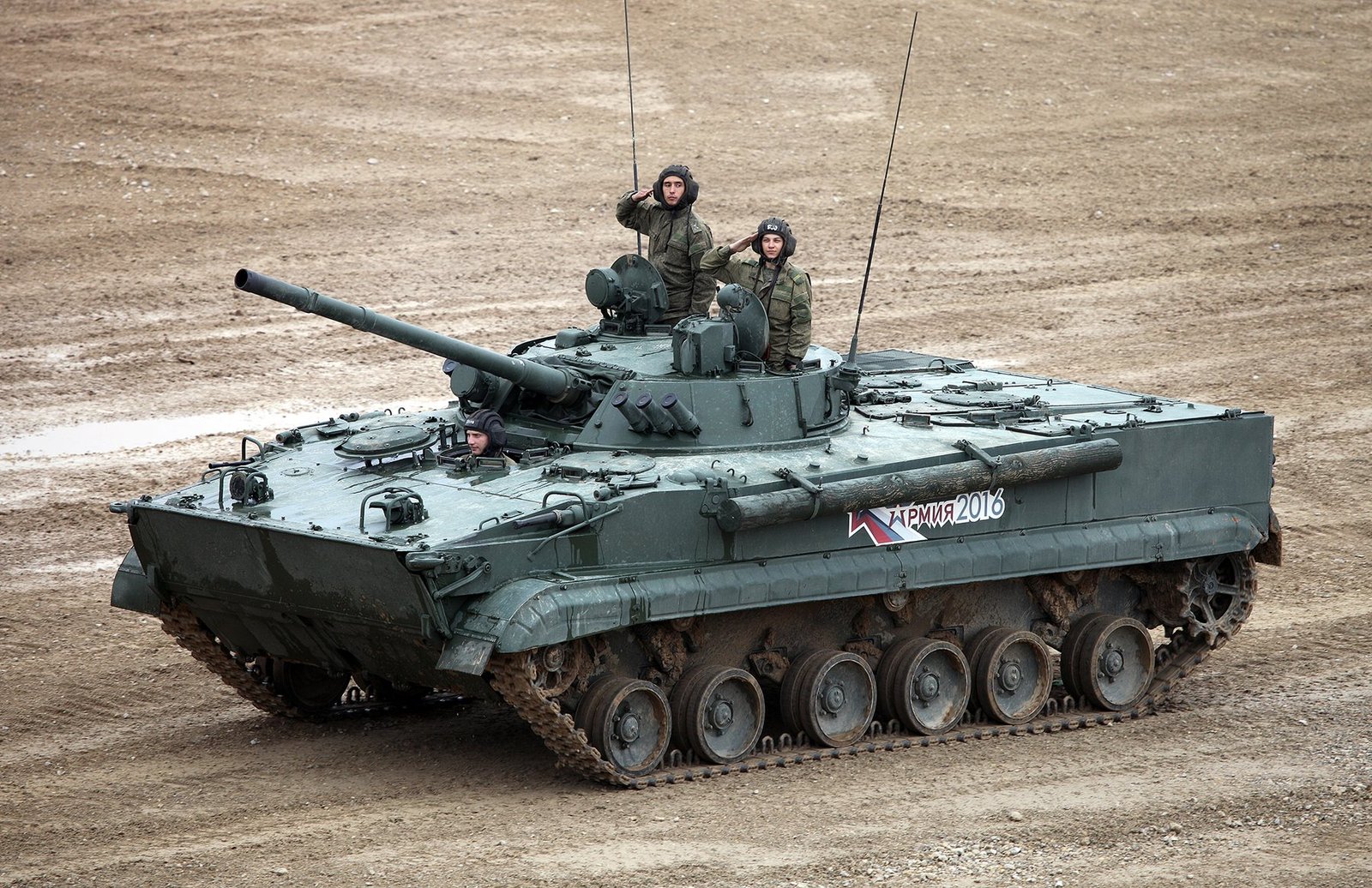
Read the profileThe BMP-3 introduced an unusually heavy 100 mm/30 mm weapon combination, rear-mounted engine layout, and amphibious mobility in a new Soviet IFV generation.
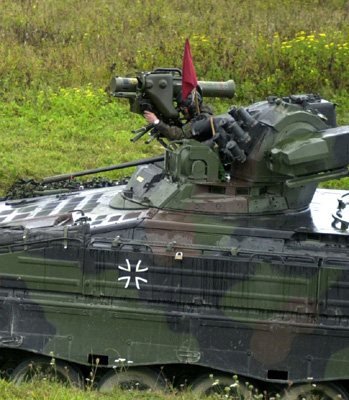
Read the profileWest Germany’s Marder 1 paired a fast tracked chassis and 20 mm cannon with the protected mobility needed for Panzergrenadiers operating alongside Leopard tanks.
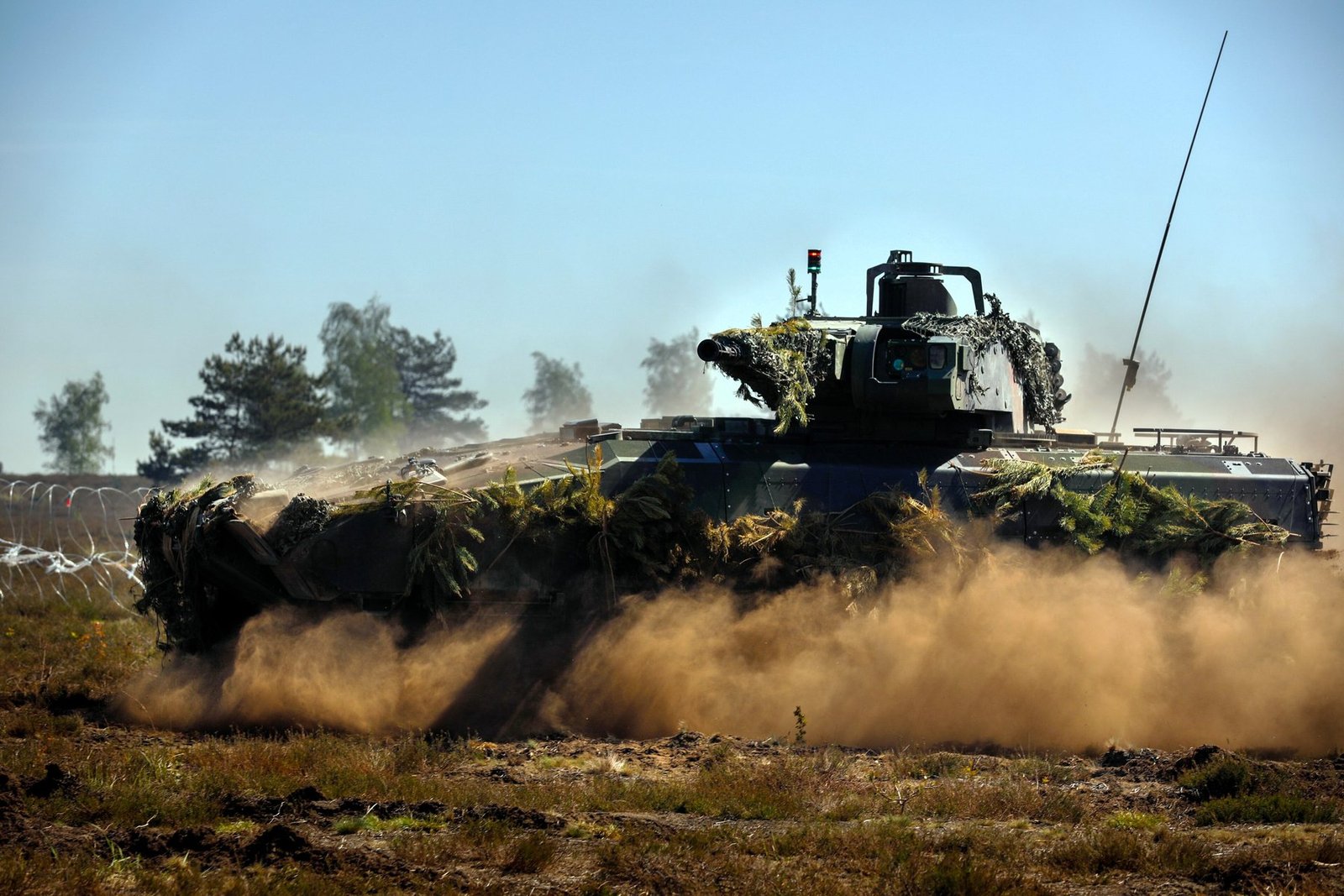
Read the profileGermany’s Puma uses a compact crewed hull, remote 30 mm turret, modular protection, and digital networking to replace the long-serving Marder in Panzergrenadier units.
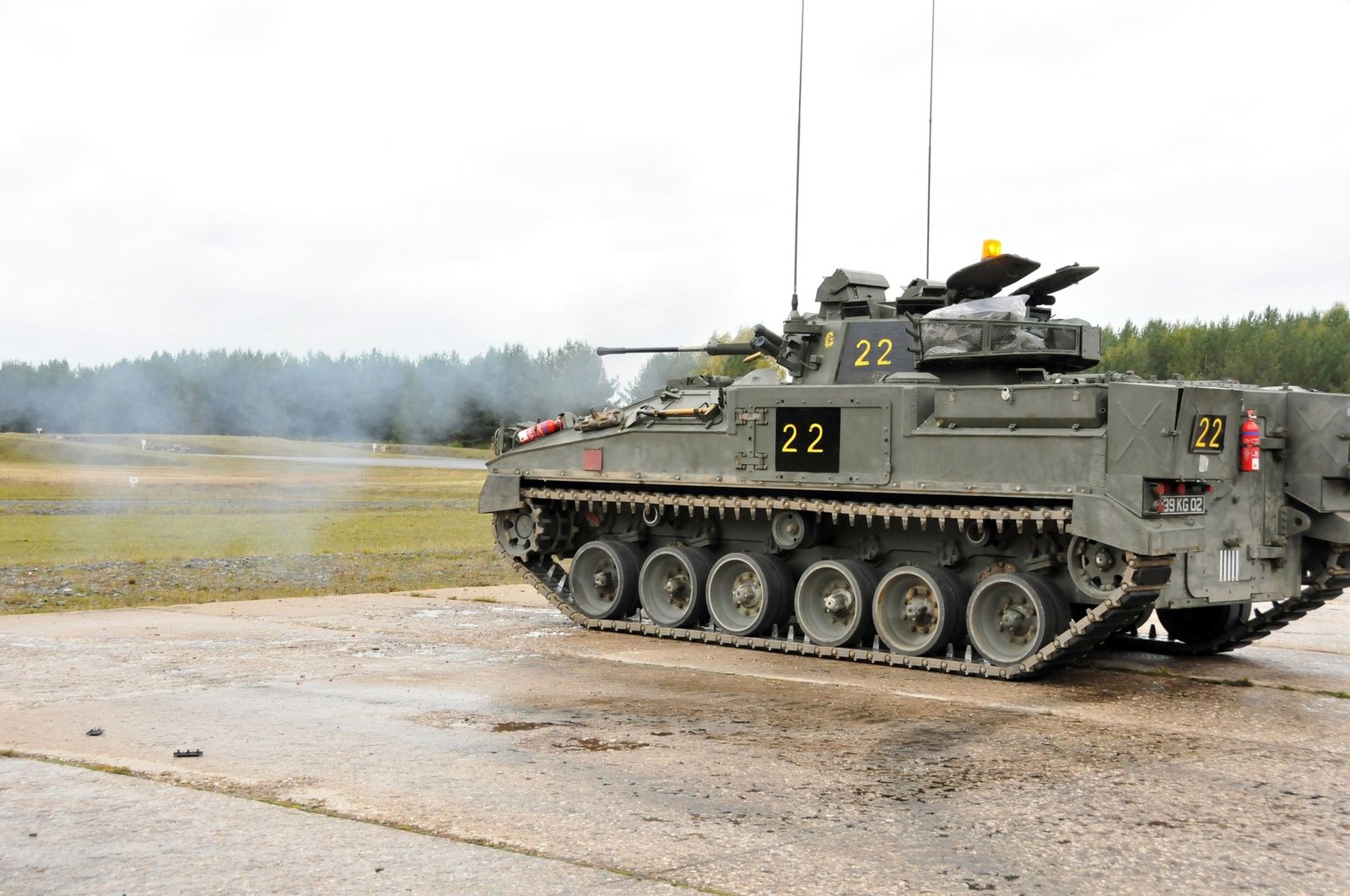
Read the profileThe British Warrior family carried armored infantry with a 30 mm RARDEN cannon and the mobility to operate with Challenger tanks through decades of expeditionary combat.
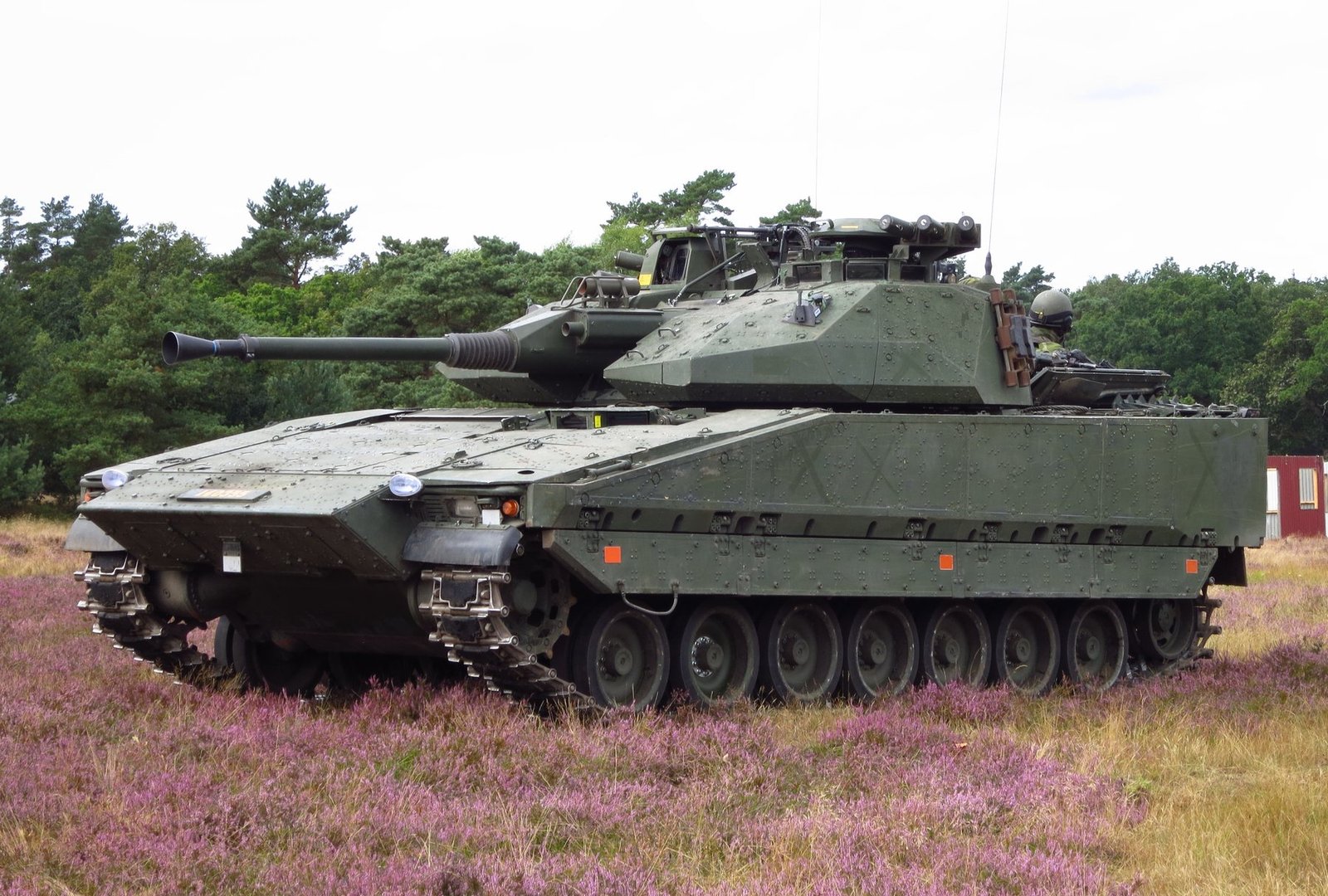
Read the profileSweden’s CV90 evolved from a Cold War national requirement into a multinational tracked IFV family with multiple cannon fits, strong mobility, and an extensive growth path.
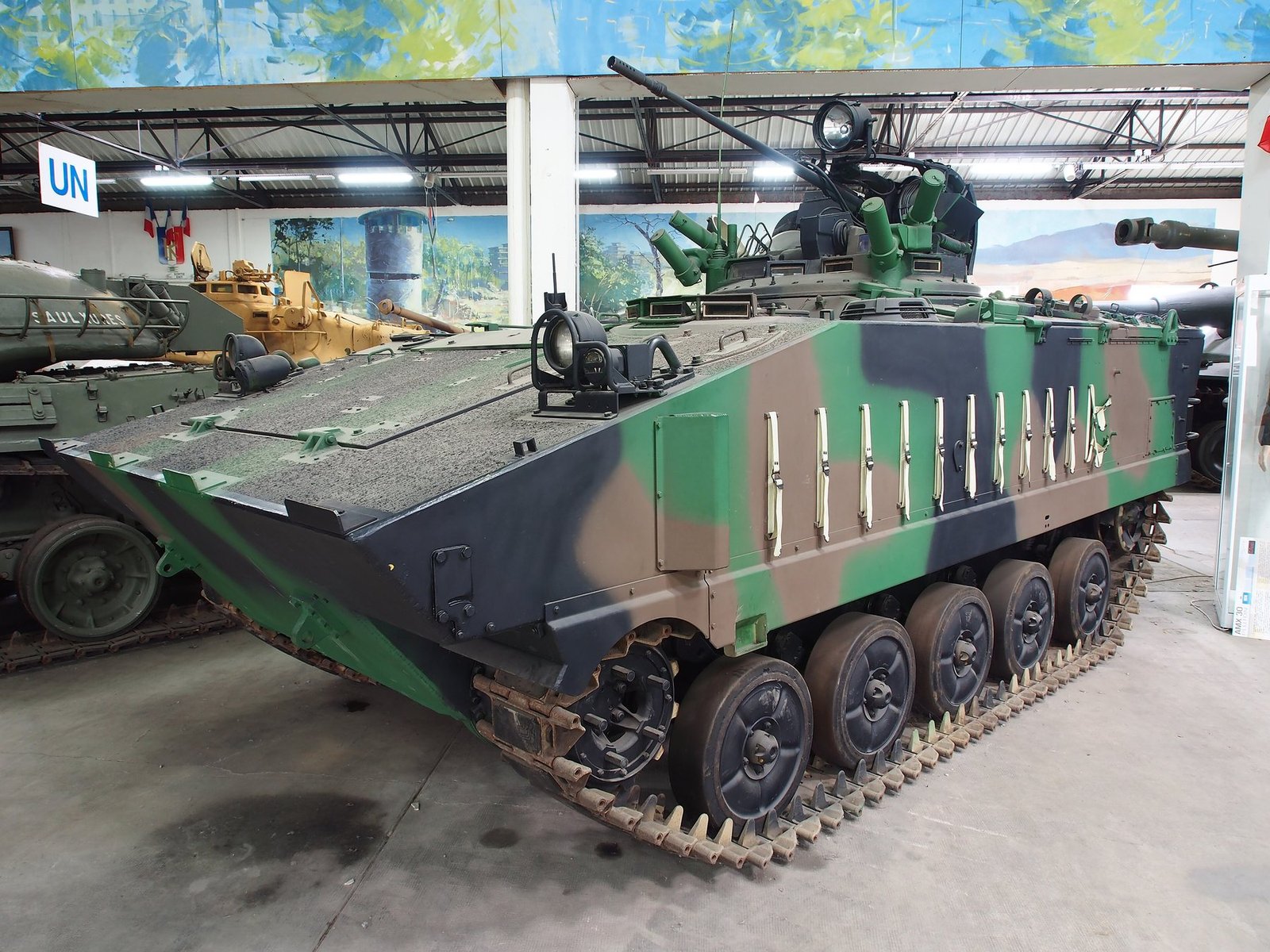
Read the profileThe AMX-10P gave French mechanized infantry a tracked amphibious fighting vehicle with a 20 mm cannon and a broad family of command and support derivatives.
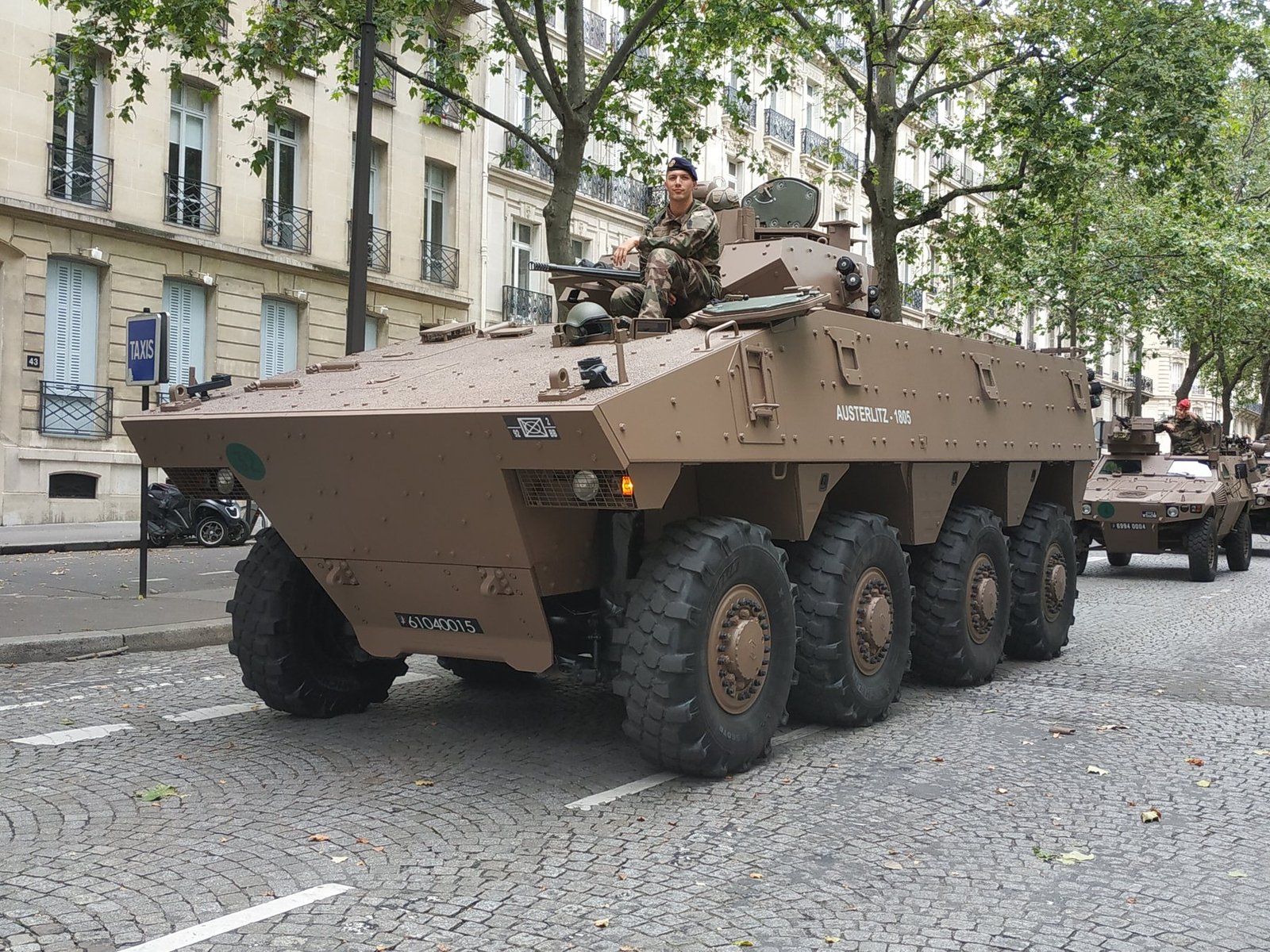
Read the profileFrance’s VBCI is an 8x8 armored infantry combat vehicle designed to transport and protect a combat group while providing 25 mm cannon fire in armored formations.
Read the profileSouth Korea’s K21 combines amphibious mobility, a 40 mm cannon, modern fire control, and a light composite hull as the successor to K200-series infantry carriers.
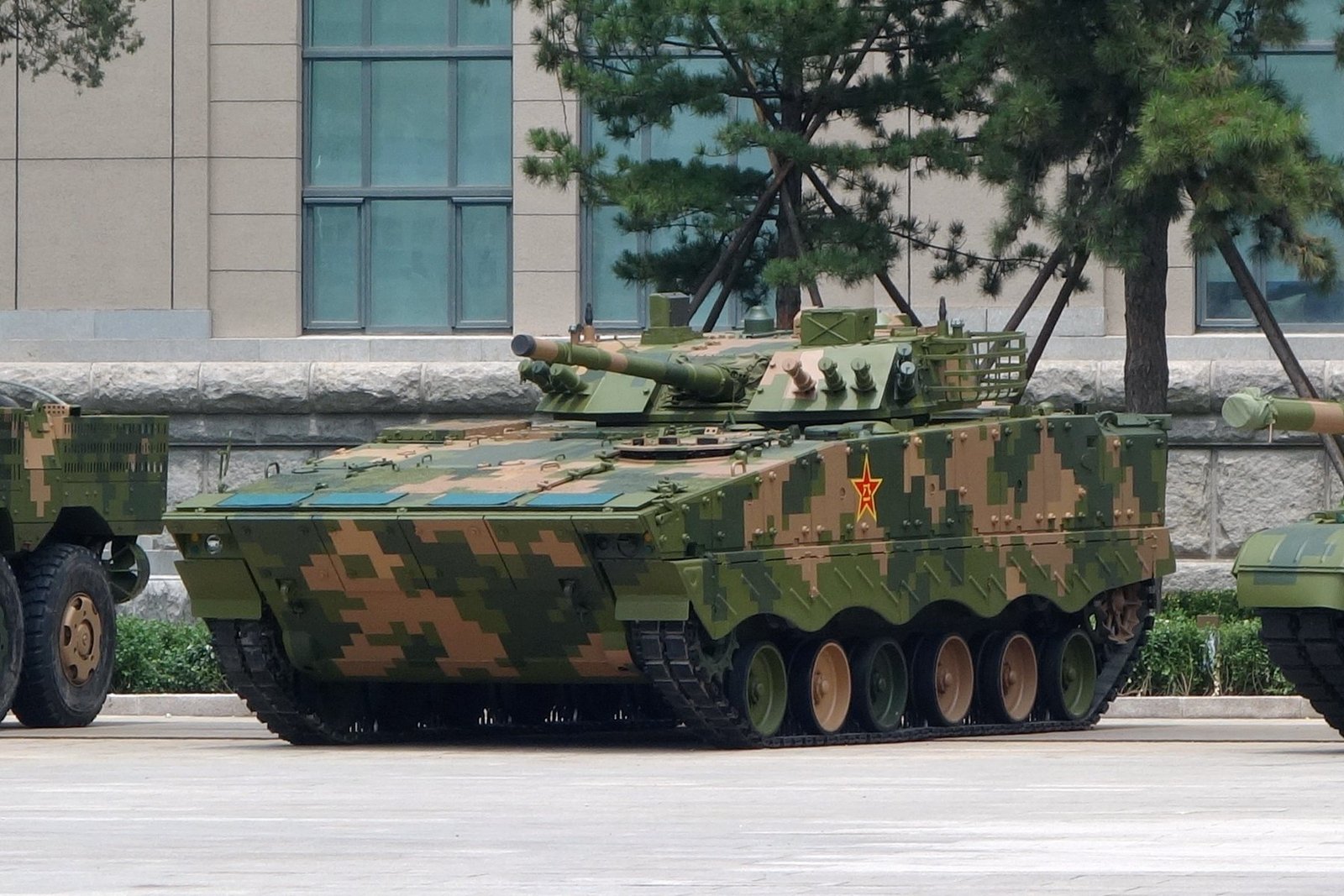
Read the profileChina’s ZBD-04 family combines amphibious tracked mobility with a 100 mm gun, 30 mm cannon, and troop compartment, while the ZBD-04A trades some amphibious performance for improved protection.
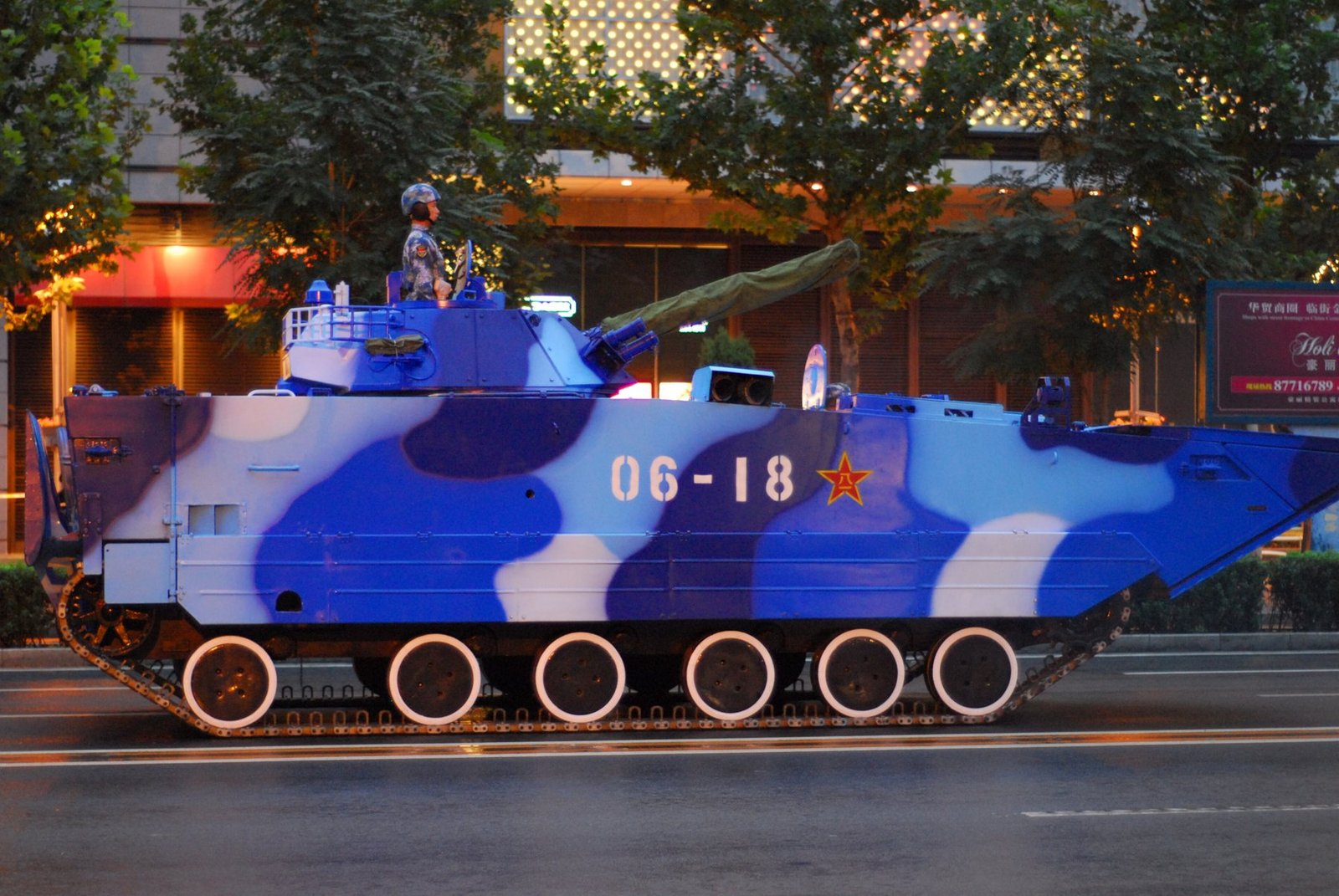
Read the profileThe ZBD-05 is a Chinese high-speed amphibious IFV optimized for ship-to-shore operations, combining waterjet propulsion, a planing hull concept, and turreted cannon armament.
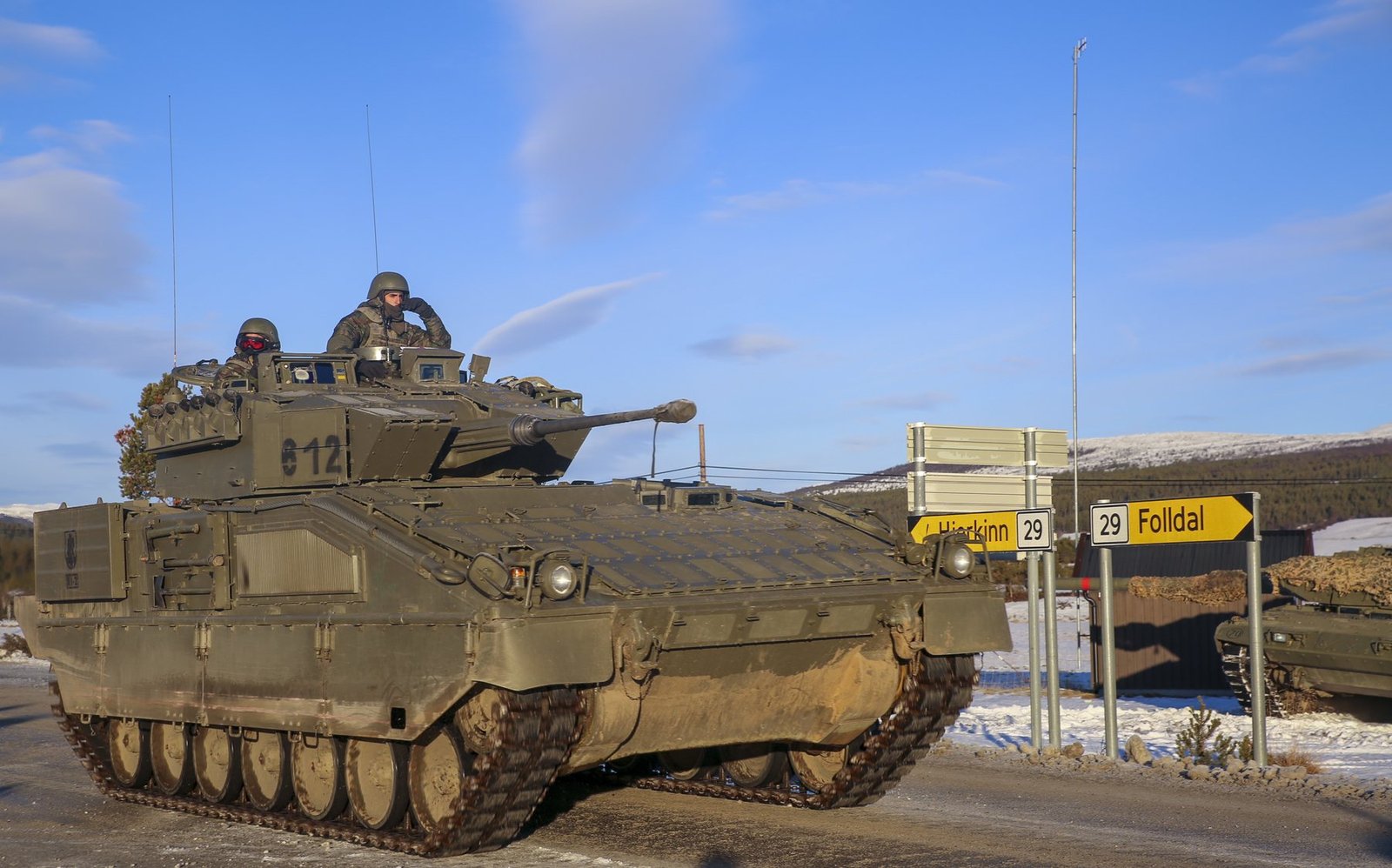
Read the profileThe Austrian-Spanish ASCOD family entered series production in the 1990s as Ulan and Pizarro and later became the basis for a wider modular tracked-vehicle family.
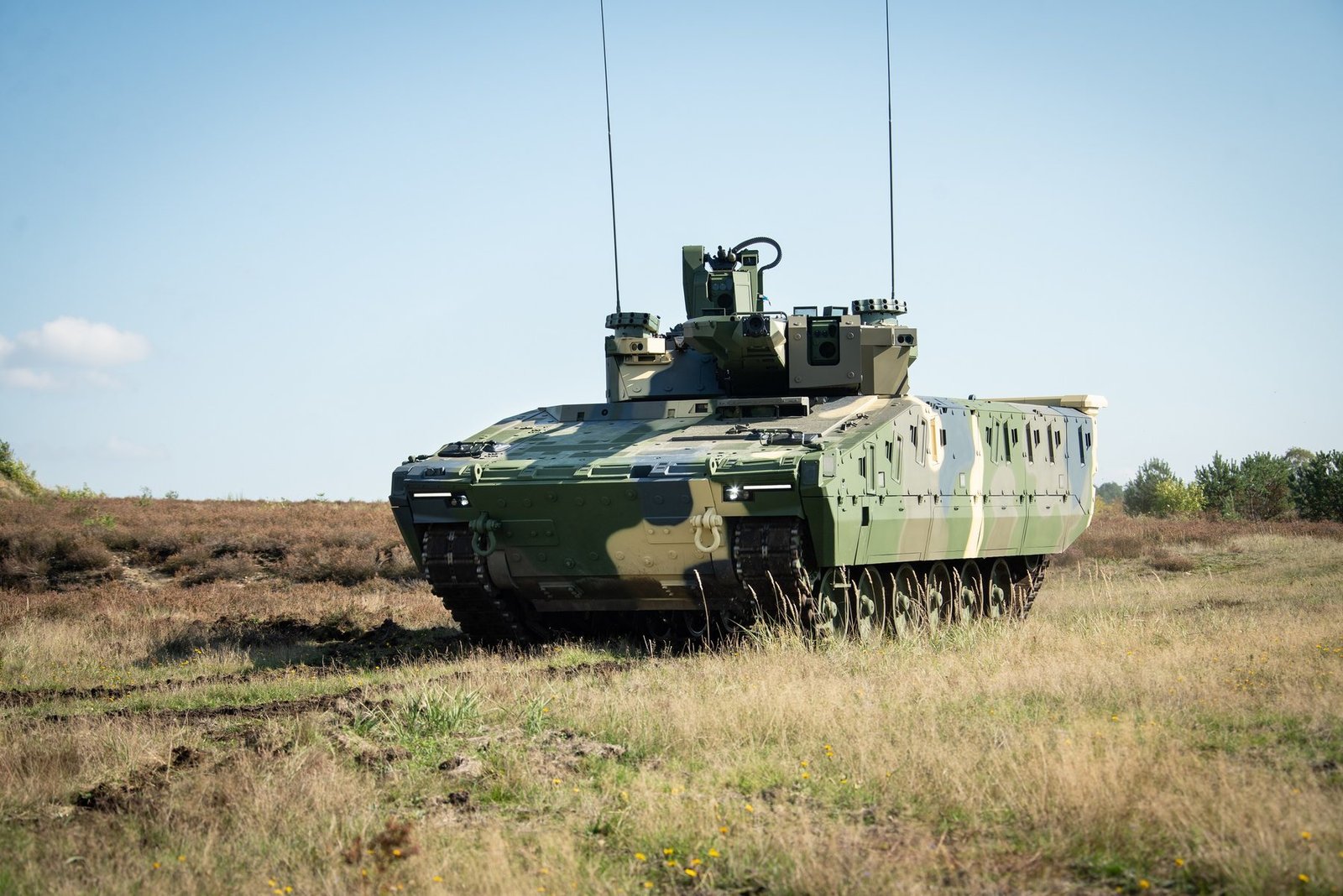
Read the profileRheinmetall’s Lynx is a modular next-generation tracked combat-vehicle family centered on IFV configurations and designed for substantial growth, protection, and mission reconfiguration.
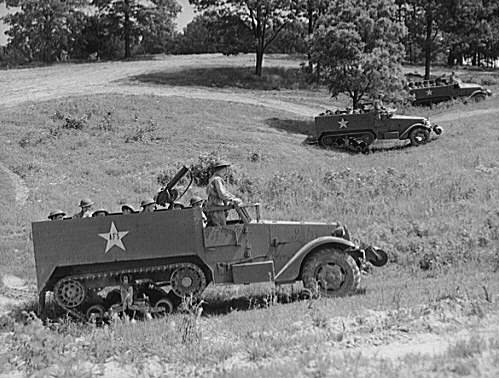
Read the profileThe M3/M5 half-track family carried U.S. and Allied infantry with armored protection and cross-country mobility, becoming one of the most recognizable mechanized troop carriers of World War II.
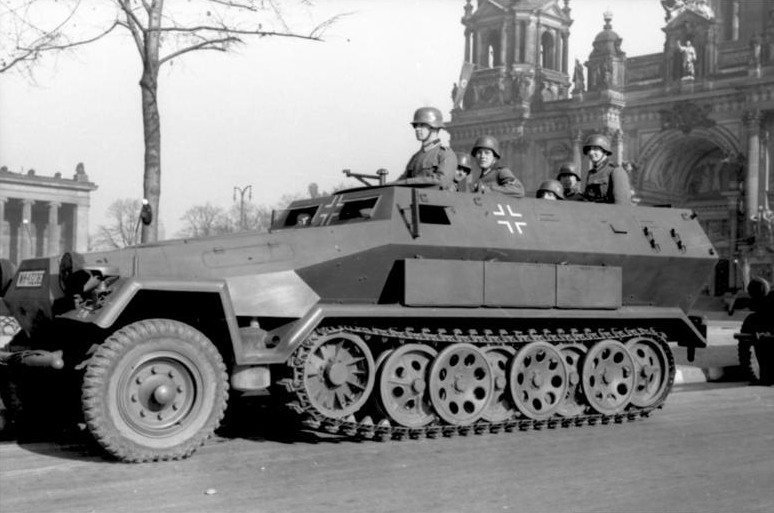
Read the profileThe Sd.Kfz. 251 was Germany’s principal medium armored half-track, carrying Panzergrenadiers with armored formations and spawning numerous specialized wartime variants.
Read the profileThe M75 was an early postwar U.S. fully tracked armored personnel carrier, heavily protected for its class but expensive and soon replaced by lighter, amphibious designs.
Read the profileThe M59 replaced the costly M75 with a lower, amphibious, less expensive U.S. tracked APC and served as an important bridge to the much more successful M113.
Read the profileThe Soviet BTR-50 used a tracked amphibious chassis related to the PT-76 to carry infantry and support equipment across land and water during the early Cold War.
Read the profileThe MT-LB began as an armored multipurpose tractor and transporter but became one of the most adaptable tracked light armored chassis of the Soviet and post-Soviet world.
Read the profileThe BTR-40 was the Soviet Union’s first mass-produced postwar wheeled APC, a compact 4x4 vehicle that also served extensively in reconnaissance and specialized roles.
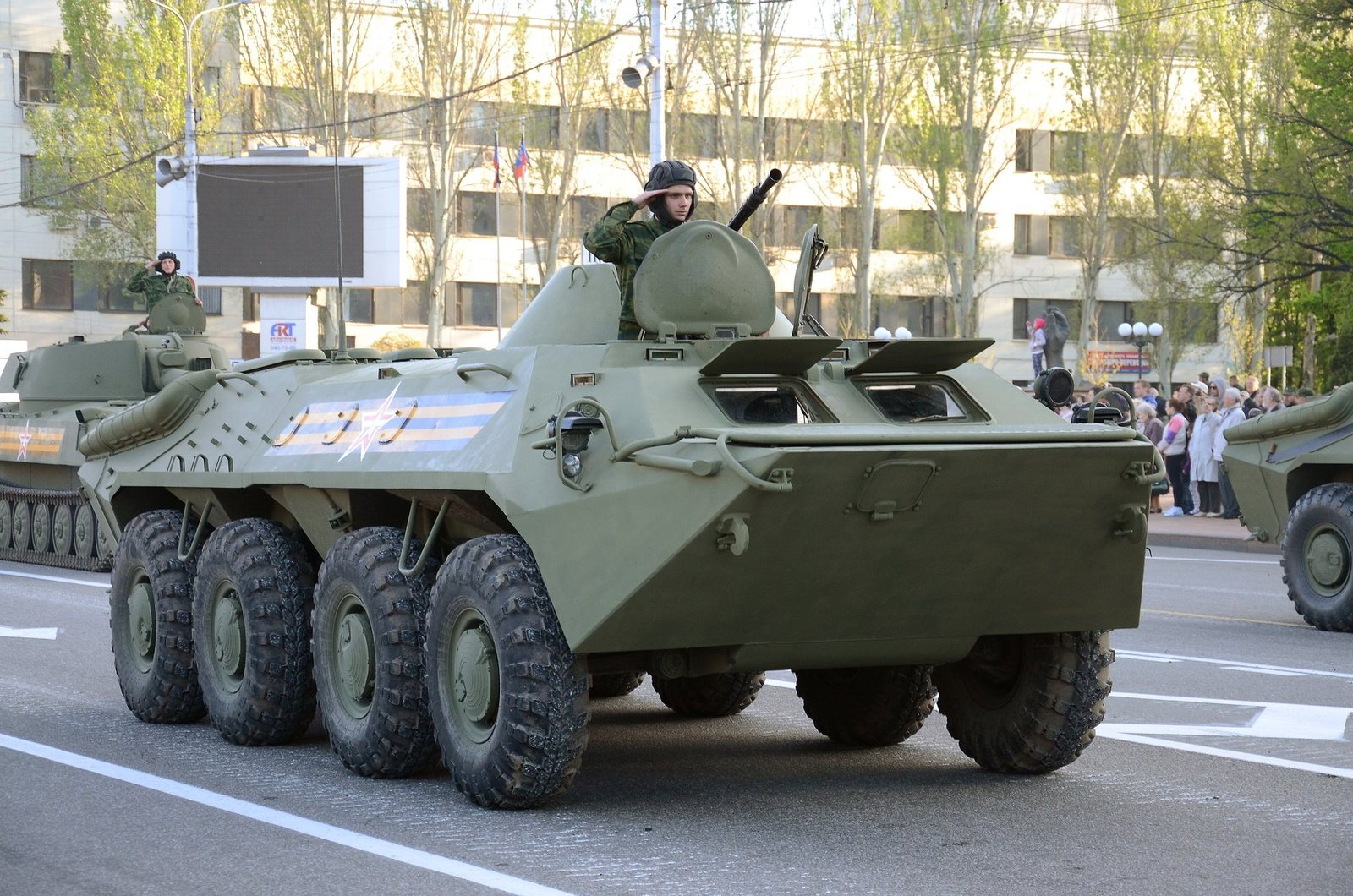
Read the profileThe BTR-60 established the Soviet eight-wheeled amphibious APC pattern, evolving from an open troop carrier into the roofed and turreted BTR-60PB.
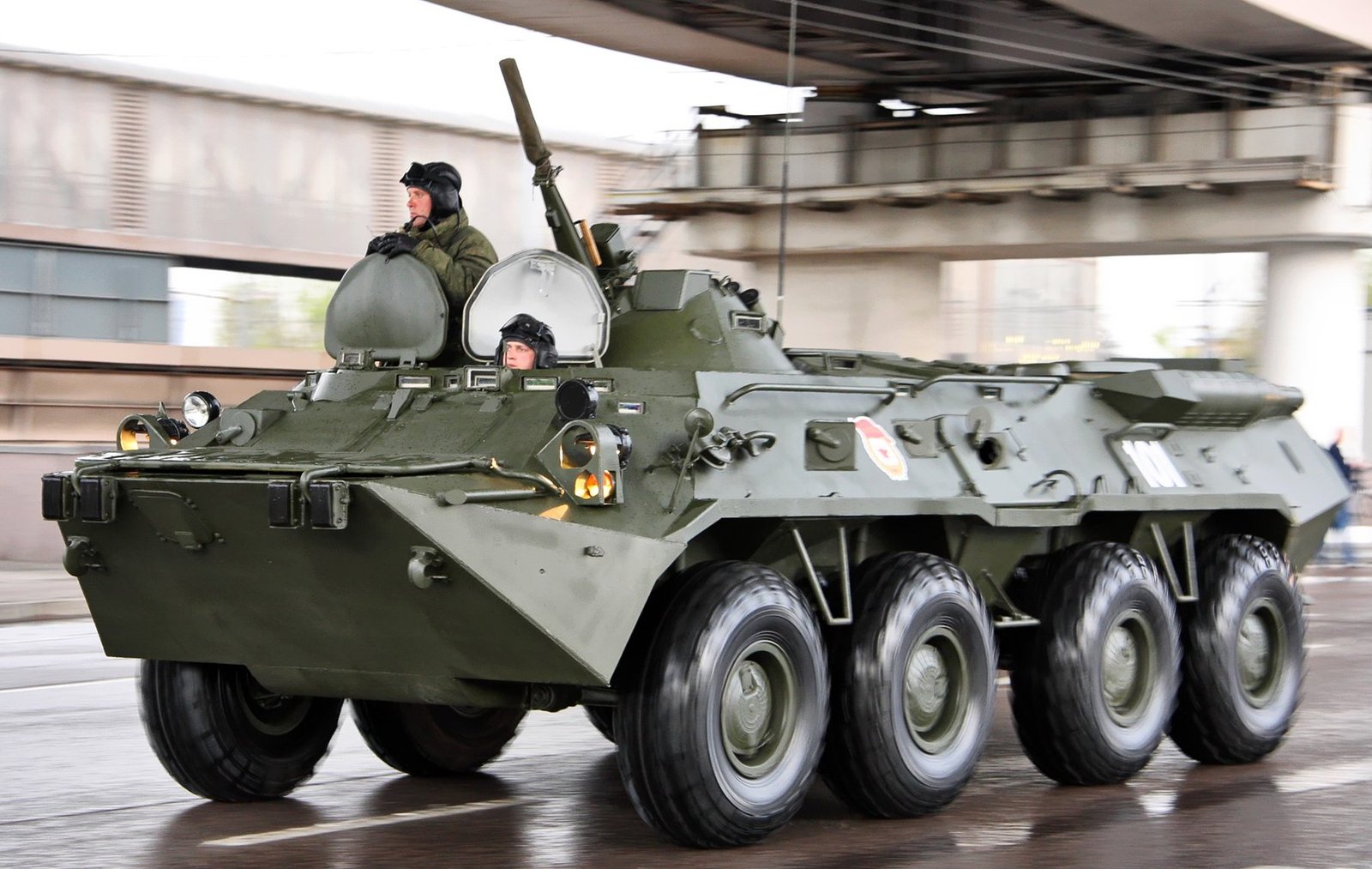
Read the profileThe BTR-70 was an evolutionary Soviet 8x8 APC between the BTR-60 and BTR-80, retaining twin gasoline engines while adding improved hull details and side troop doors.
Read the profileThe BTR-80 replaced the BTR-70’s twin gasoline engines with a single diesel and improved troop access, while later BTR-82 variants added stronger automotive, protection, and weapon-system upgrades.
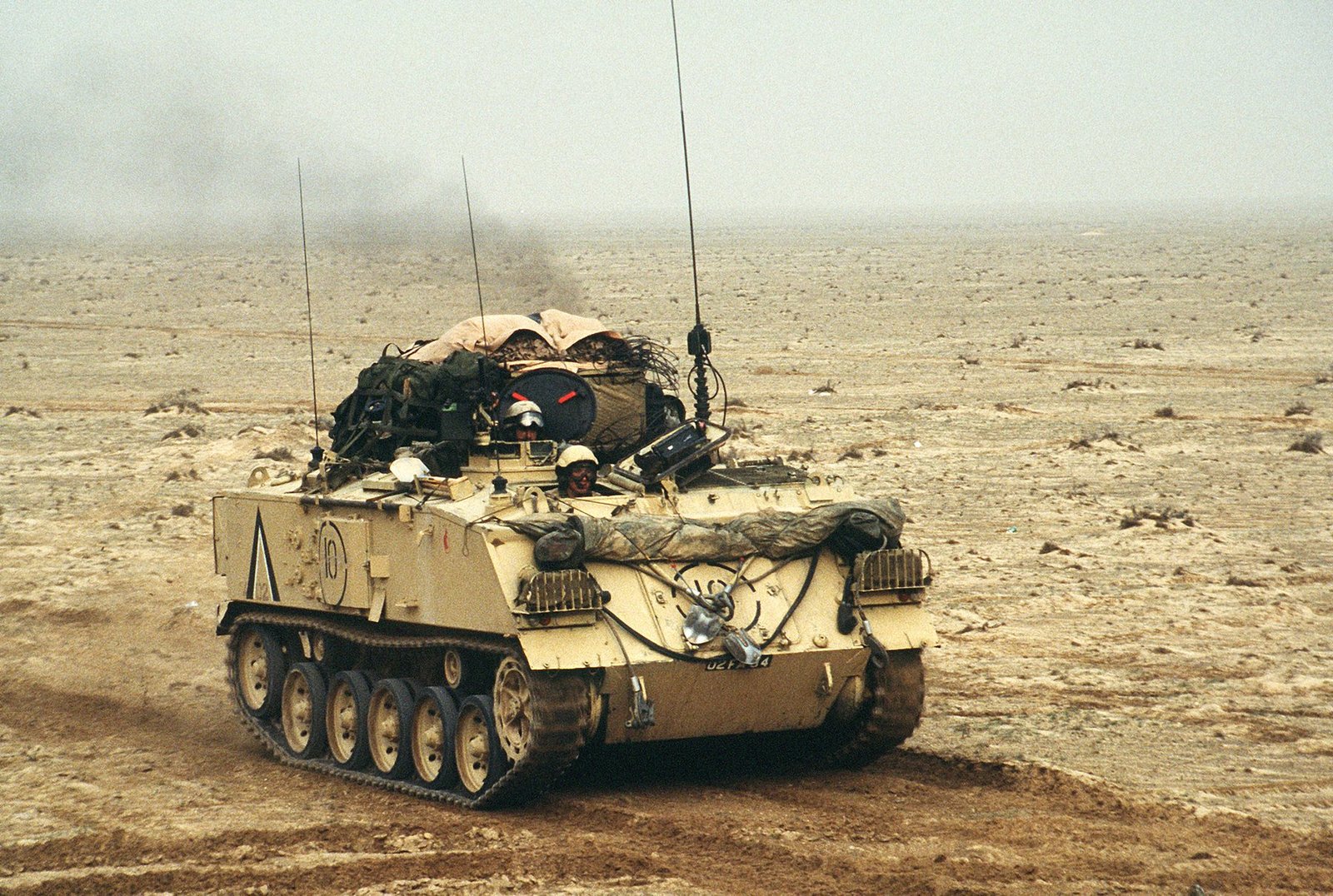
Read the profileThe FV432 became the most common British FV430-family armored personnel carrier and remained useful for decades through upgrades culminating in the Bulldog standard.
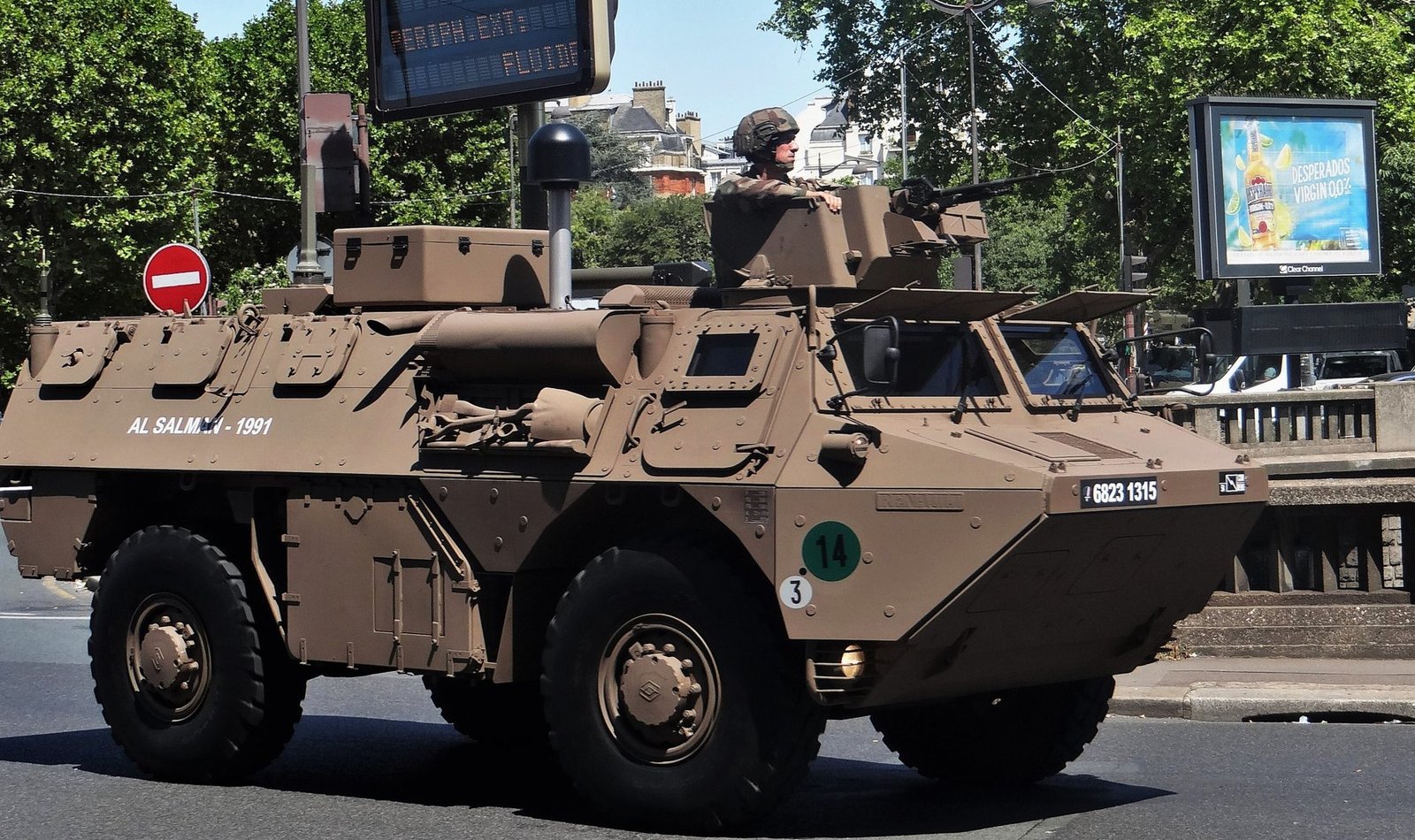
Read the profileFrance’s VAB became a prolific wheeled armored carrier and support-vehicle family, serving from the late Cold War through decades of expeditionary operations.
Read the profileThe Panhard M3 was a compact French 4x4 amphibious APC developed for export using significant automotive commonality with the AML armored car family.
Read the profileThe Swiss Piranha evolved from a 1970s modular wheeled armored concept into one of the most influential Western vehicle families and the ancestor of multiple national LAV lines.
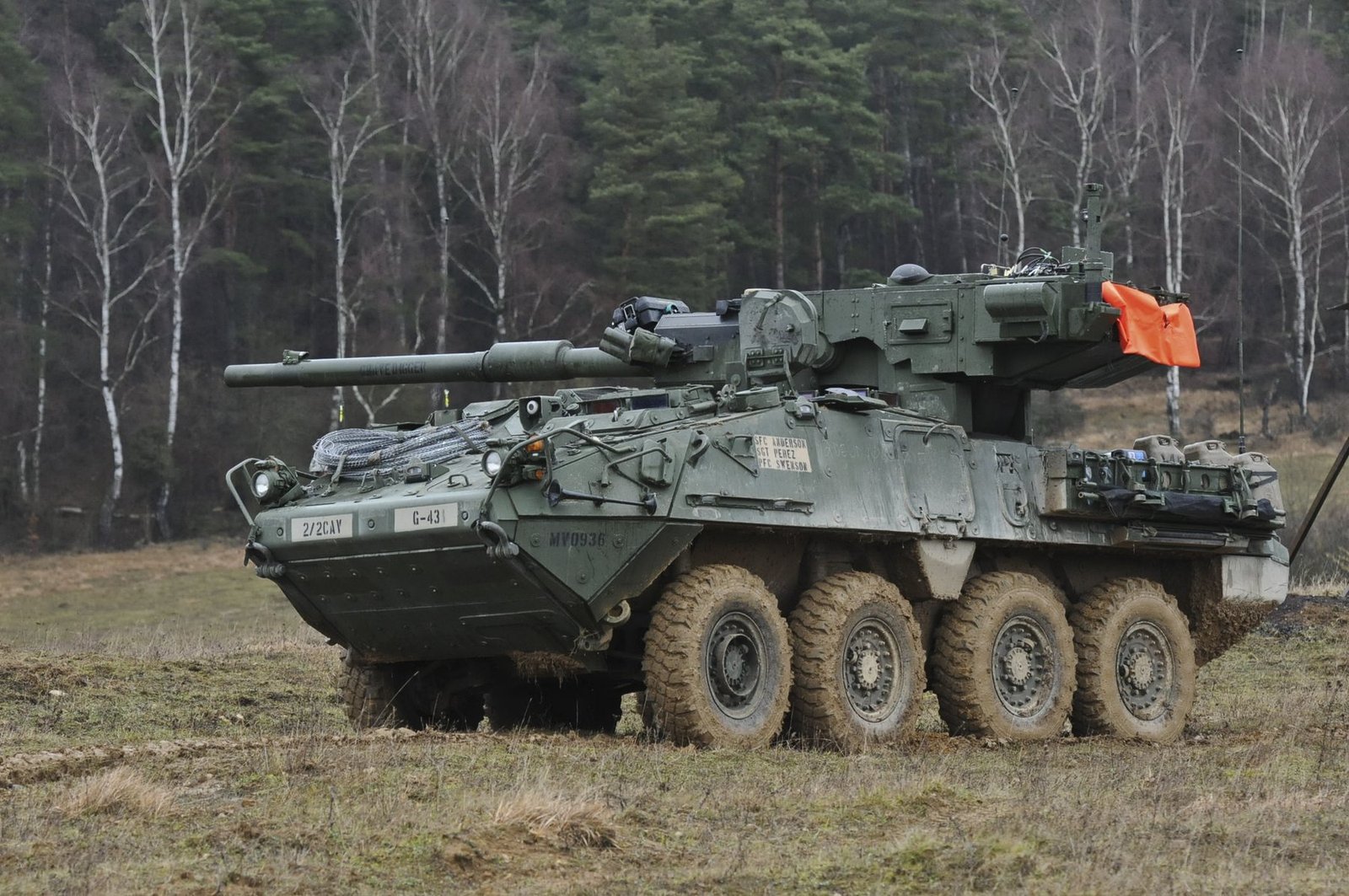
Read the profileCanada’s LAV III and the U.S. Stryker branch developed from the Piranha III lineage into major national 8x8 families centered on protected infantry mobility and common-chassis mission variants.
Read the profileBoxer uses a common 8x8 drive module and interchangeable mission modules to support troop transport, command, medical, engineering, reconnaissance, and increasingly heavily armed combat roles.
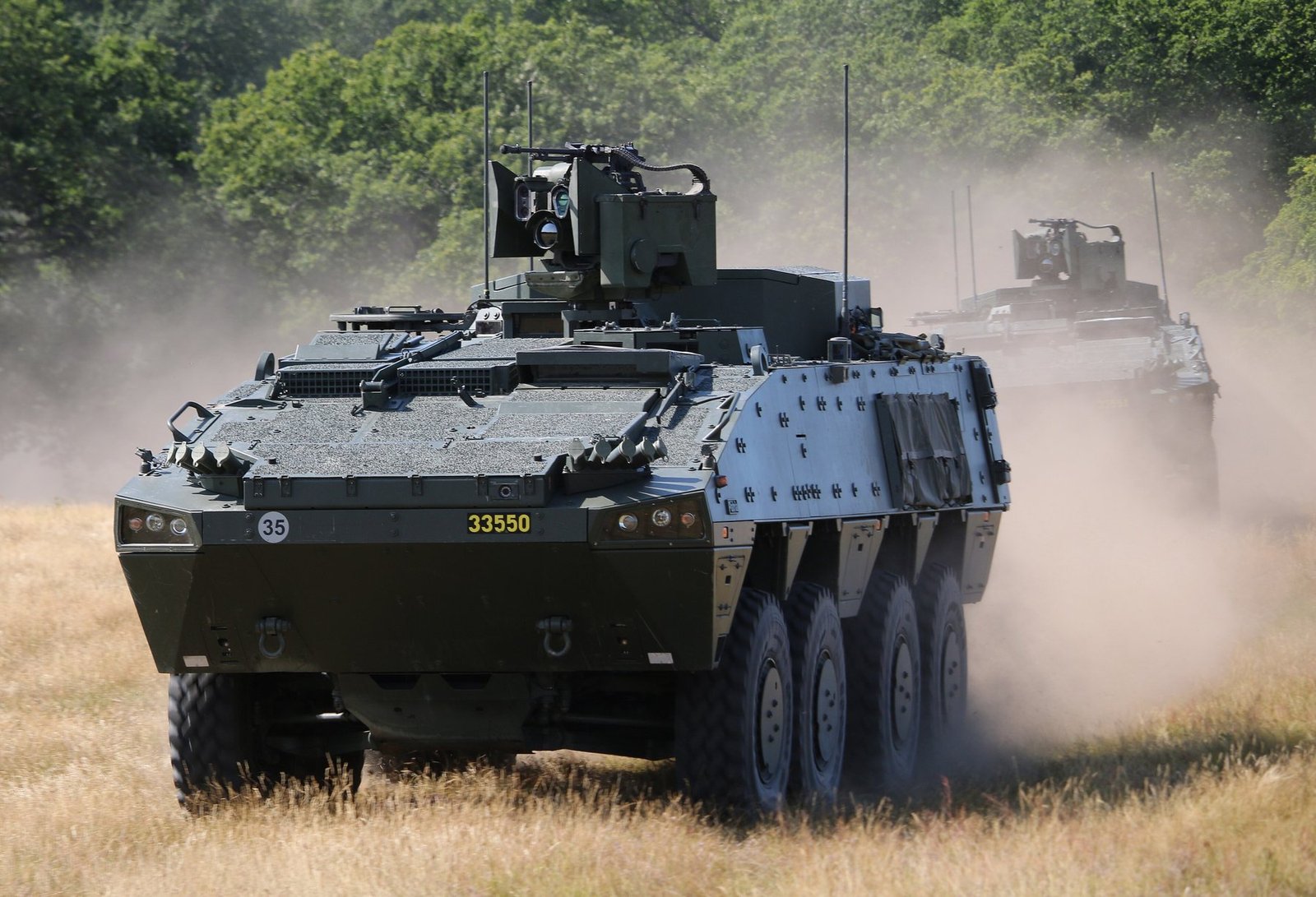
Read the profileFinland’s Patria AMV is a modular 8x8 armored vehicle family optimized for protection, payload, mobility, and national customization across APC, IFV, mortar, command, and support roles.
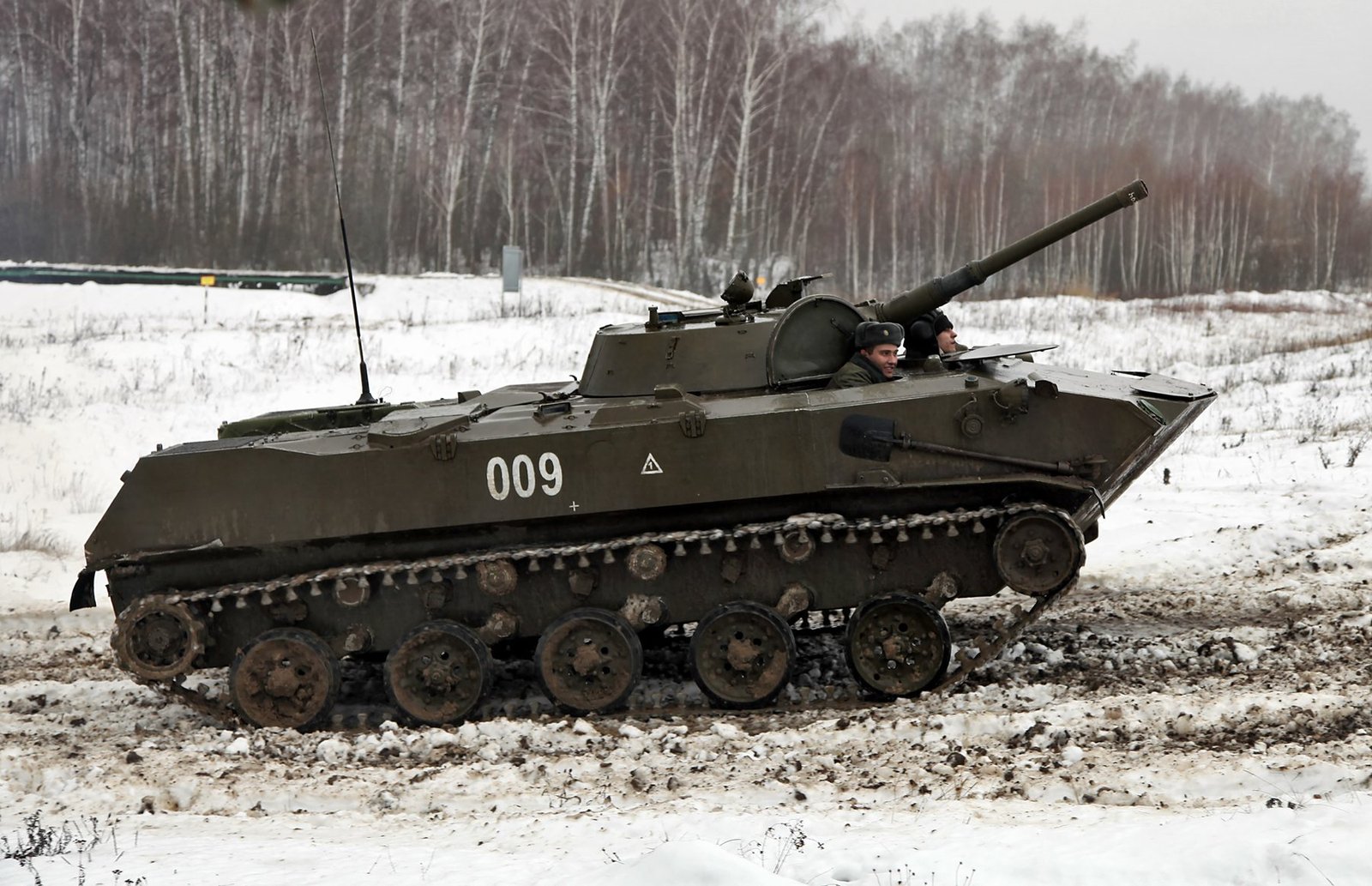
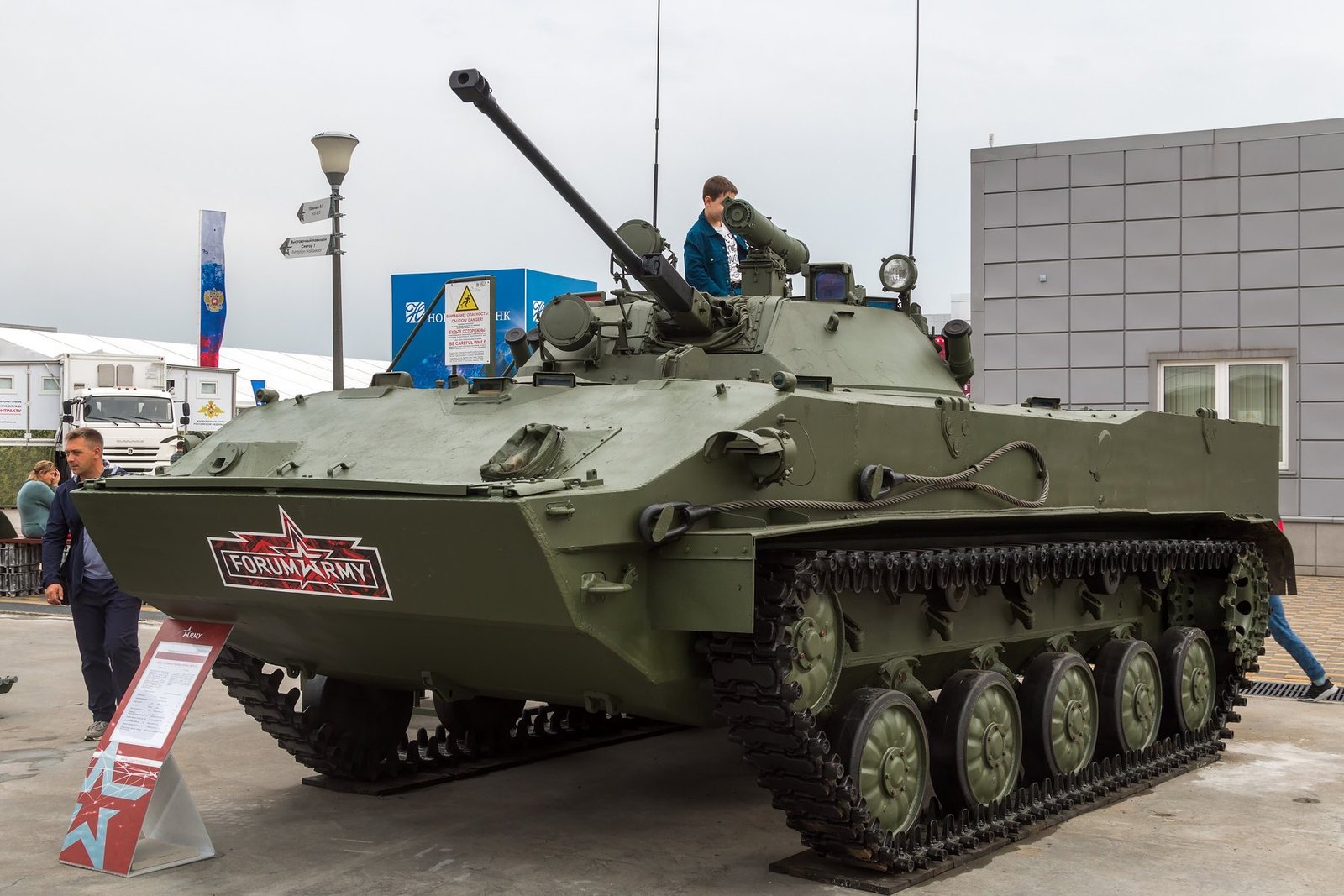
Read the profileThe BMD-1 and BMD-2 gave Soviet airborne forces a parachute-deliverable tracked fighting vehicle with amphibious mobility and organic direct-fire capability.
Read the profileThe BMD-3 and BMD-4 generations enlarged and modernized Russia’s airborne fighting vehicle concept, culminating in the heavily armed BMD-4M.
Read the profileItaly’s Dardo is a tracked infantry fighting vehicle built to carry heavy infantry with the firepower, mobility, and protection needed to operate alongside tank formations.
Read the profileFreccia is Italy’s digital 8x8 infantry fighting vehicle, derived from the Centauro automotive family and optimized for medium-force mobility and protected infantry transport.
Read the profileSingapore’s Bionix family was an indigenous tracked fighting-vehicle program built to replace older M113-based vehicles and give mechanized infantry a modern, compact IFV.
Read the profileThe Hunter is Singapore’s fully digitalized next-generation tracked fighting vehicle, combining a 30 mm cannon, networked sensors, protected troop carriage, and modern vehicle-management systems.
Read the profileThe ZBL-08 is the infantry fighting variant of China’s modular Type 08 8x8 armored-vehicle family, pairing wheeled mobility with a 30 mm turret and amphibious capability.
Read the profileJapan’s Type 89 is a tracked infantry fighting vehicle that combines a 35 mm cannon, guided missiles, and protected troop carriage for operations with armored formations.
Read the profileRomania’s MLI-84 developed the BMP-1 concept into a locally produced infantry fighting vehicle and later modernized it with new automotive and weapons systems.
Read the profileBulgaria’s BMP-23 was a national infantry fighting vehicle built around a chassis derived from the 2S1 self-propelled howitzer and armed with a 23 mm automatic cannon.
Read the profileOtokar’s TULPAR is a modular tracked armored platform designed to support infantry fighting, direct-fire, recovery, mortar, air-defense, and other mission configurations.
Read the profileFNSS’s KAPLAN-20 and KAPLAN-30 are related next-generation tracked armored fighting vehicles designed around modular protection, modern electronics, and configurable weapon systems.
Read the profileKurganets-25 is Russia’s modular medium tracked combat-vehicle program intended to provide a more protected and spacious successor path for older BMP-family vehicles.
Read the profileThe Sd.Kfz. 250 was a light German armored half-track family used for reconnaissance, command, observation, communications, and small-unit troop transport.
Read the profileThe AMX-VCI was a tracked French troop carrier derived from the AMX-13 light-tank automotive family and used before the AMX-10P generation.
Read the profileThe OT-64 SKOT was a jointly developed Czechoslovak-Polish 8x8 amphibious armored personnel carrier that offered rear troop access and diesel power during the Warsaw Pact era.
Read the profileThe Type 63 was China’s first domestically designed tracked armored personnel carrier without direct Soviet design assistance and became the basis for a broad family of vehicles.
Read the profileChina’s Type 85 and Type 89 tracked APCs enlarged and modernized the Type 63 concept with a longer five-road-wheel chassis, improved automotive performance, and a broader family of variants.
Read the profileSouth Korea’s K200 family is a domestically developed tracked armored personnel carrier designed for the peninsula’s terrain and mechanized-force requirements.
Read the profileSouth Korea’s K806 6x6 and K808 8x8 vehicles provide modern wheeled protected mobility for infantry and other units, emphasizing road speed, survivability, and rapid movement across enlarged operational areas.
Read the profileFinland’s Pasi XA-series is a durable 6x6 armored personnel carrier family developed to replace BTR-60s and widely associated with Finnish and international peacekeeping service.
Read the profileThe Pandur family developed from a compact Austrian wheeled APC into the larger Pandur II 6x6/8x8 modular combat-vehicle platform used in multiple troop-carrier and weapons configurations.
Read the profileThe LVTP-5 was a very large postwar amphibious armored personnel carrier family designed to carry Marines from ship to shore and support operations inland.
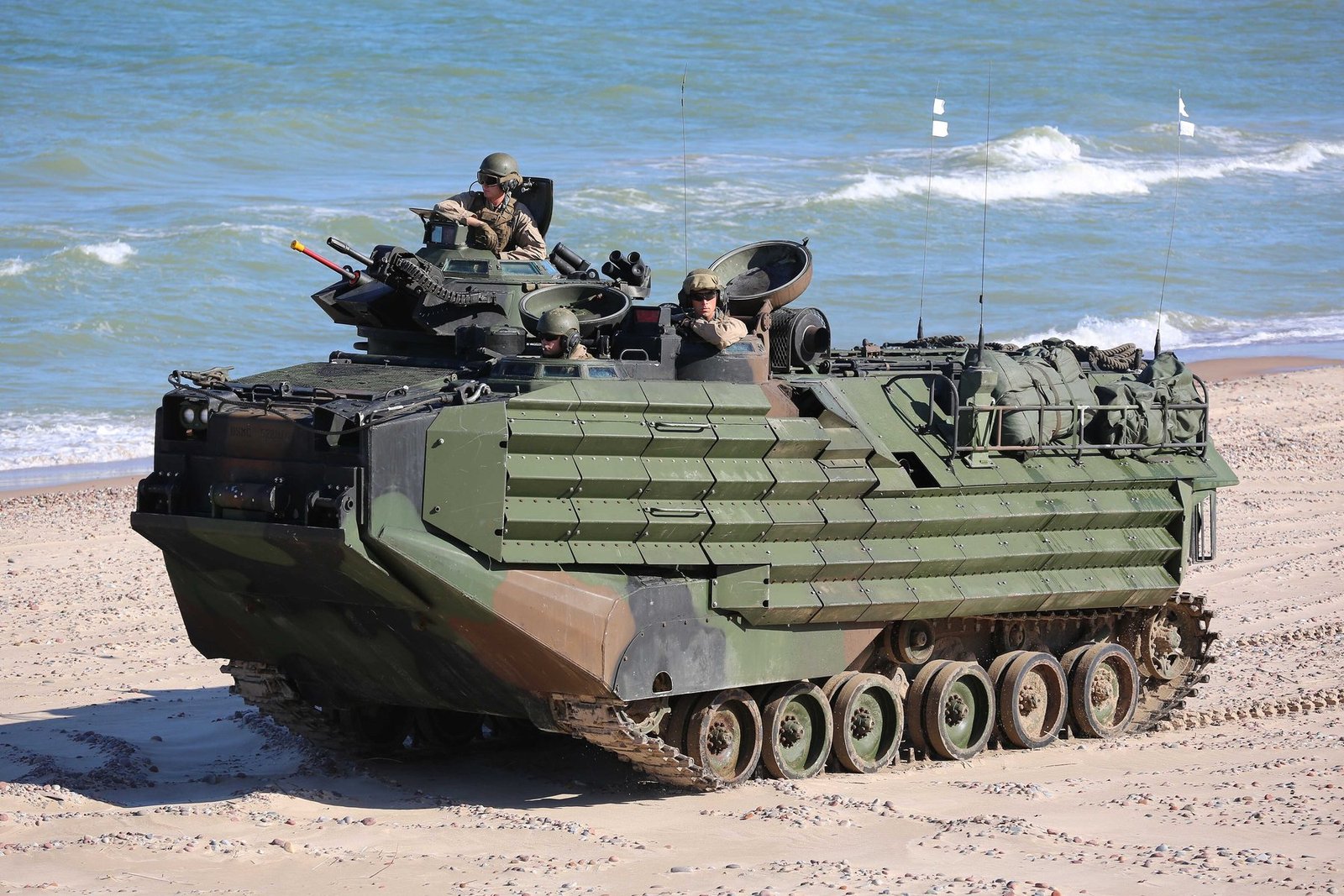
Read the profileThe LVTP-7/AAV7 family became the U.S. Marine Corps’ long-serving tracked amphibious personnel carrier, moving Marines from ship to shore and then supporting mechanized movement inland.
Read the profileThe BTR-D is a stretched, turretless airborne armored personnel carrier derived from the BMD-1 and used as the transport base for a wide family of Soviet/Russian airborne support vehicles.
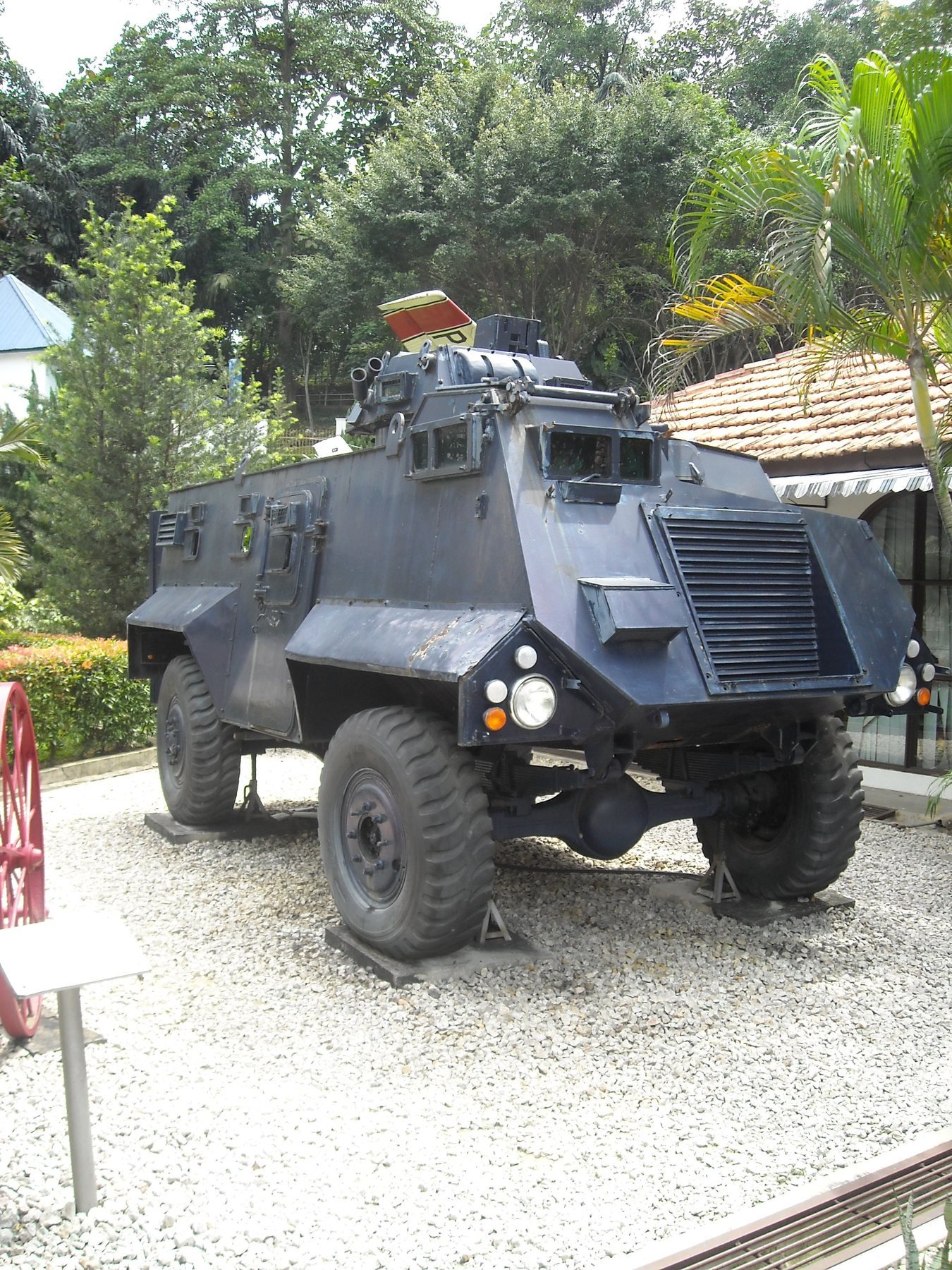
Read the profileThe Saxon was a British wheeled armored personnel carrier based on commercial truck components and intended primarily to move reinforcement infantry rapidly and with protection on roads.
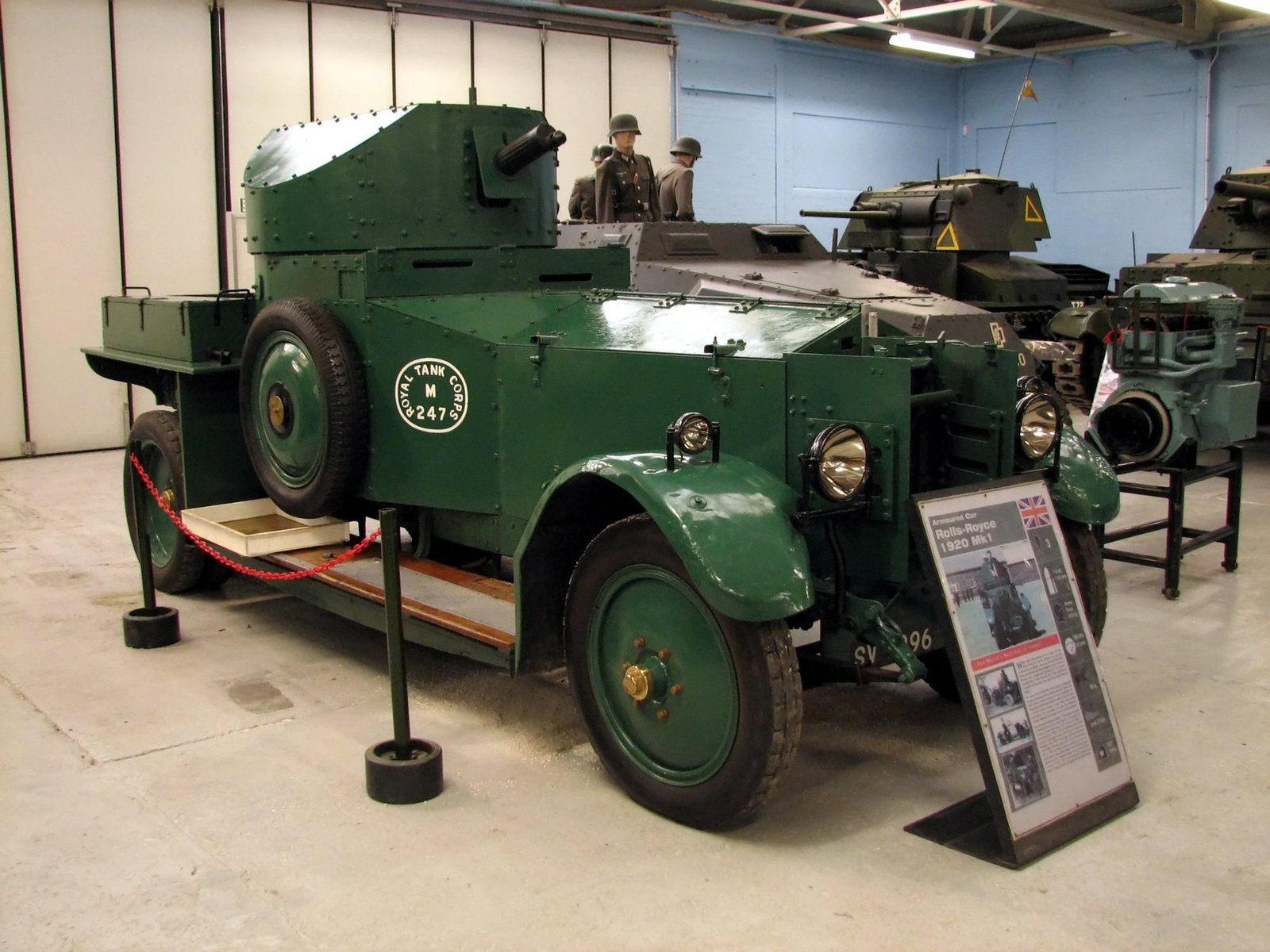
Read the profileA luxury-car chassis became one of Britain’s most durable early armored-car families, serving from the First World War into the interwar imperial campaigns and Second World War security duties.
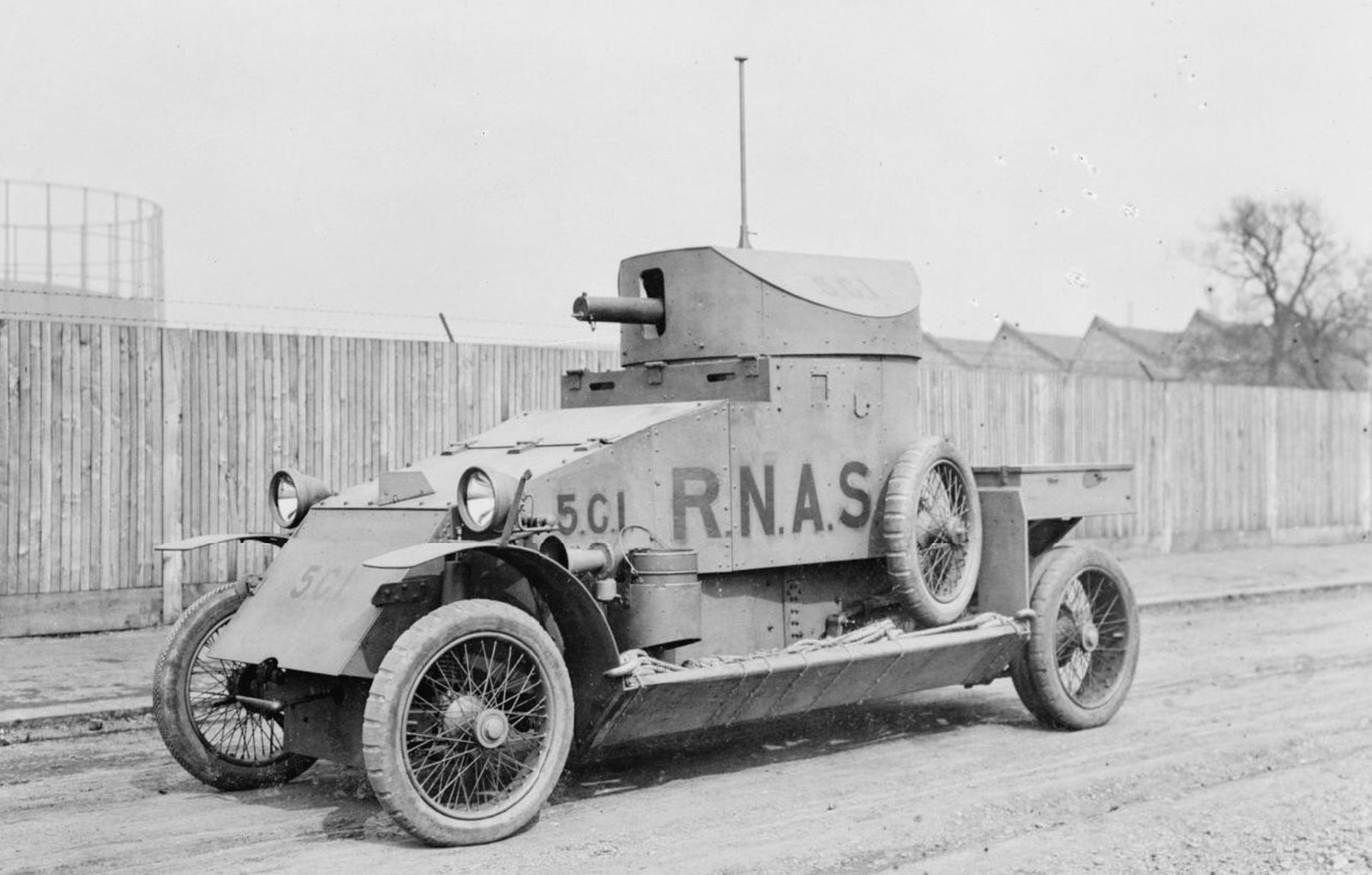
Read the profileThe First World War Lanchester was a turreted British armored car built from the Sporting Forty chassis and used by Royal Naval Air Service units before later service with allied forces.
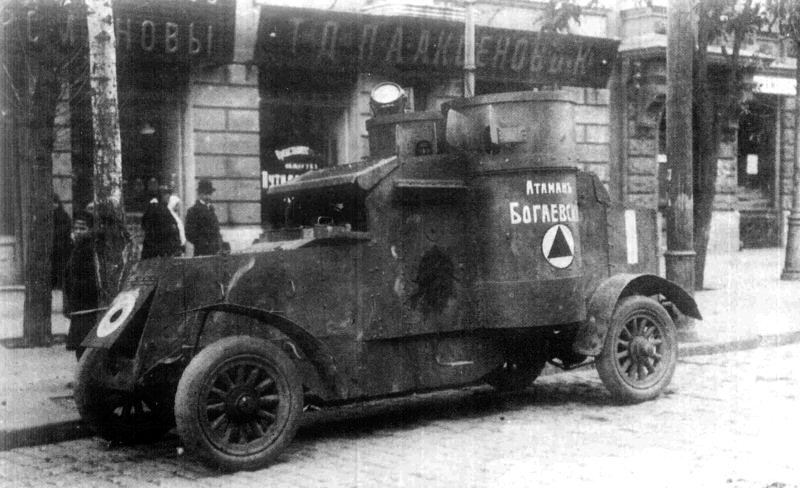
Read the profileDesigned in Britain for Russian requirements, the twin-turret Austin family became one of Imperial Russia’s characteristic First World War armored cars and later received important Russian-built modifications.
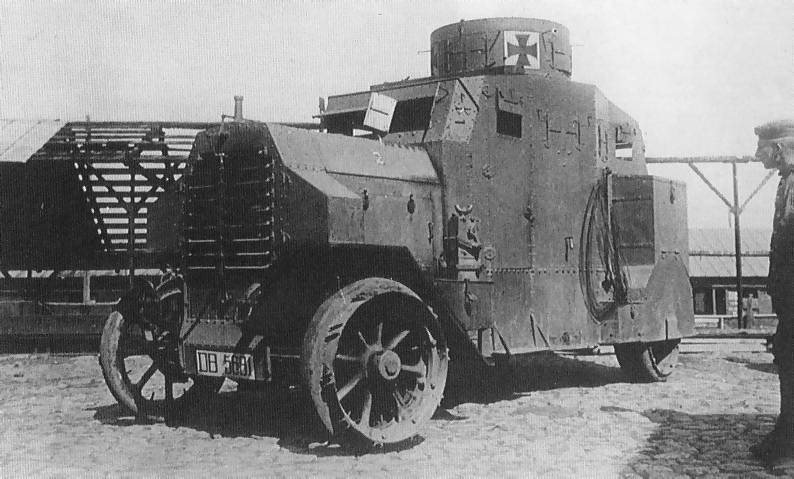
Read the profileGermany’s Ehrhardt armored cars were heavy First World War reconnaissance vehicles whose later production versions also became important internal-security vehicles after the fighting ended.
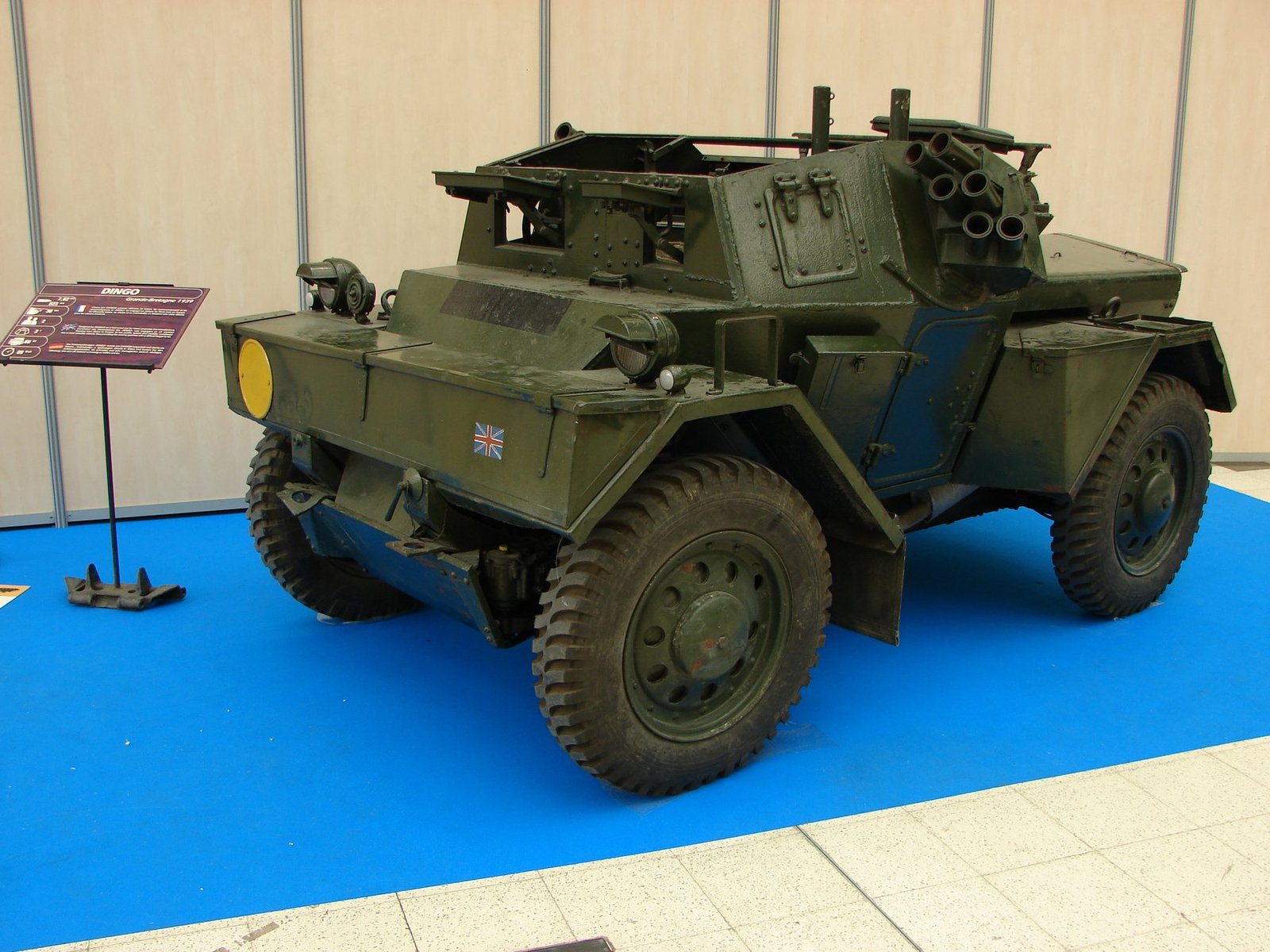
Read the profileThe compact Dingo combined a low silhouette, four-wheel drive, independent suspension, and a reversible transmission to become one of Britain’s most successful Second World War scout cars.
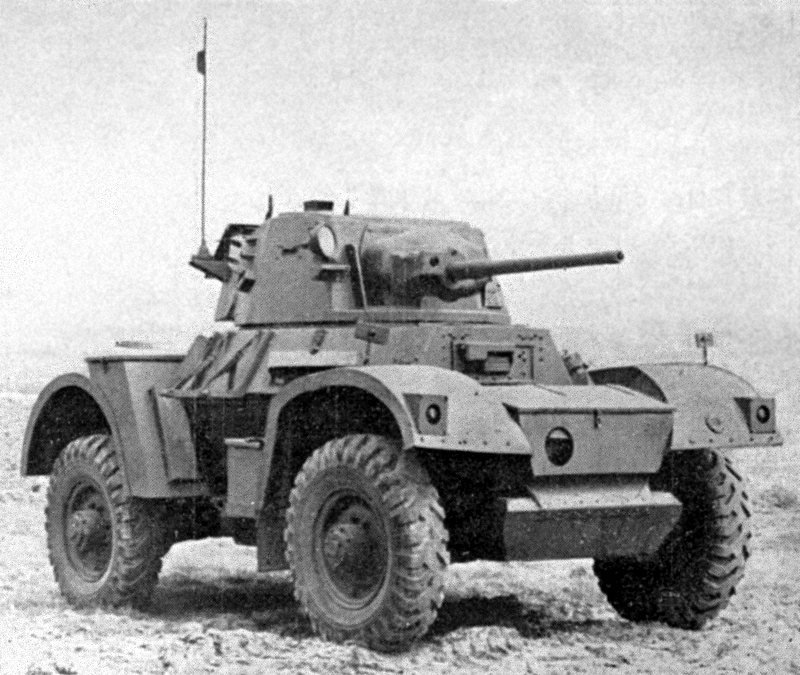
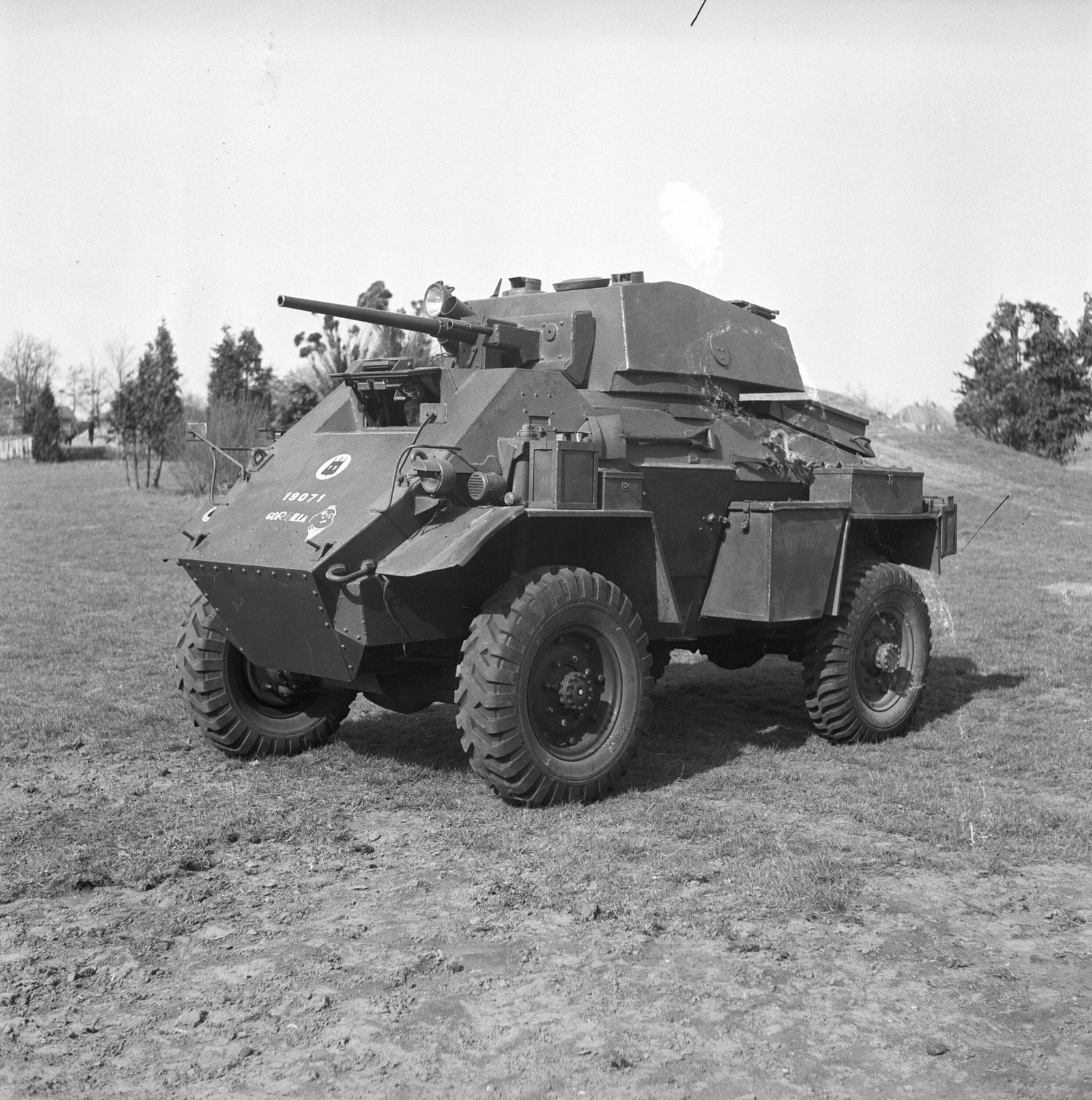
Read the profileThe Daimler Armoured Car enlarged the company’s successful scout-car engineering into a turreted 4×4 reconnaissance vehicle armed with the British 2-pounder gun.
Read the profileThe Humber family became one of Britain’s principal wartime armored cars, moving reconnaissance units from early light designs toward a reliable, mass-produced 4×4 platform.
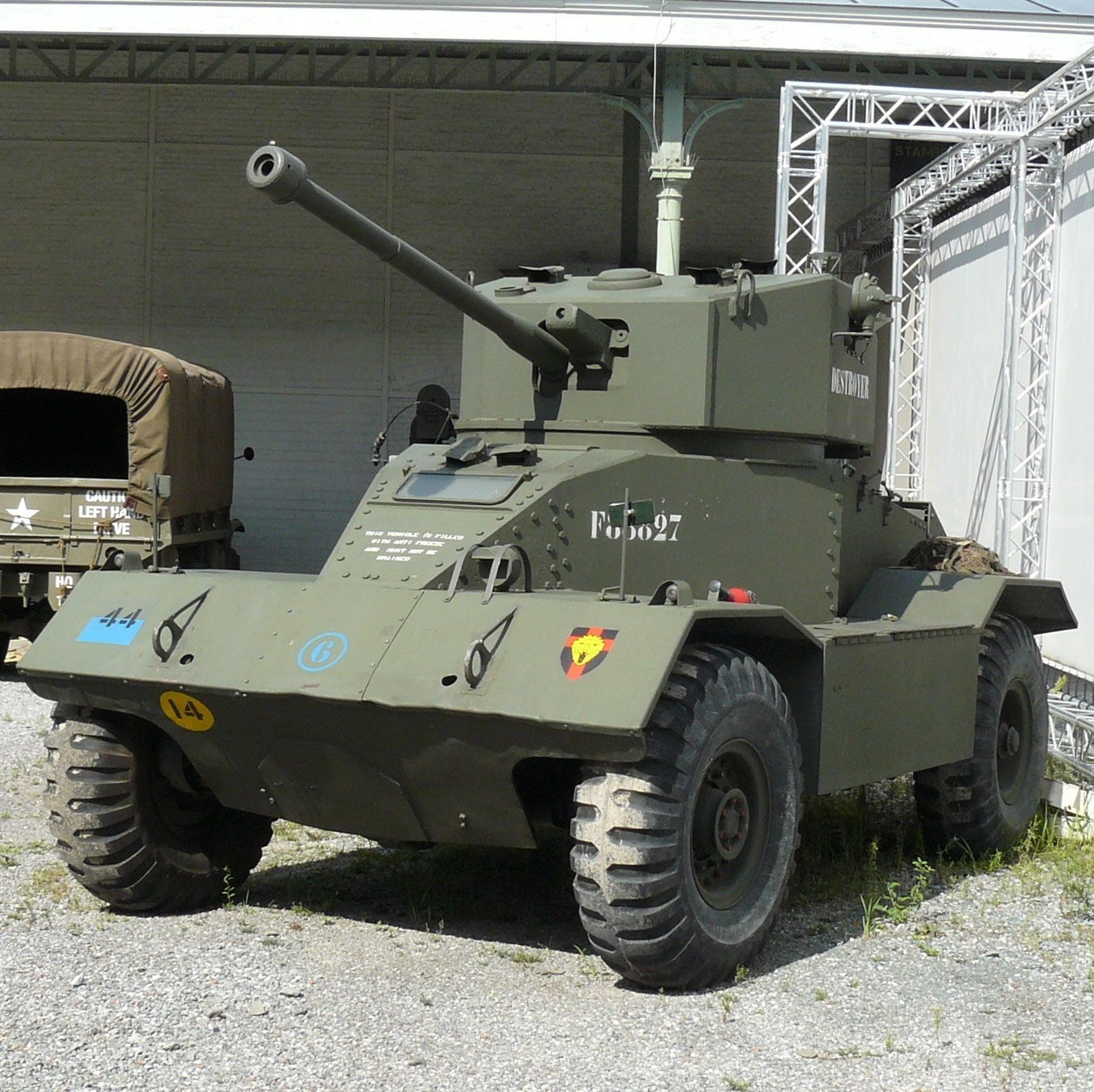
Read the profileThe AEC Armoured Car was unusually heavy for a reconnaissance vehicle, combining a truck-derived chassis with tank-level guns that grew from 2-pounder to 6-pounder and 75 mm armament.
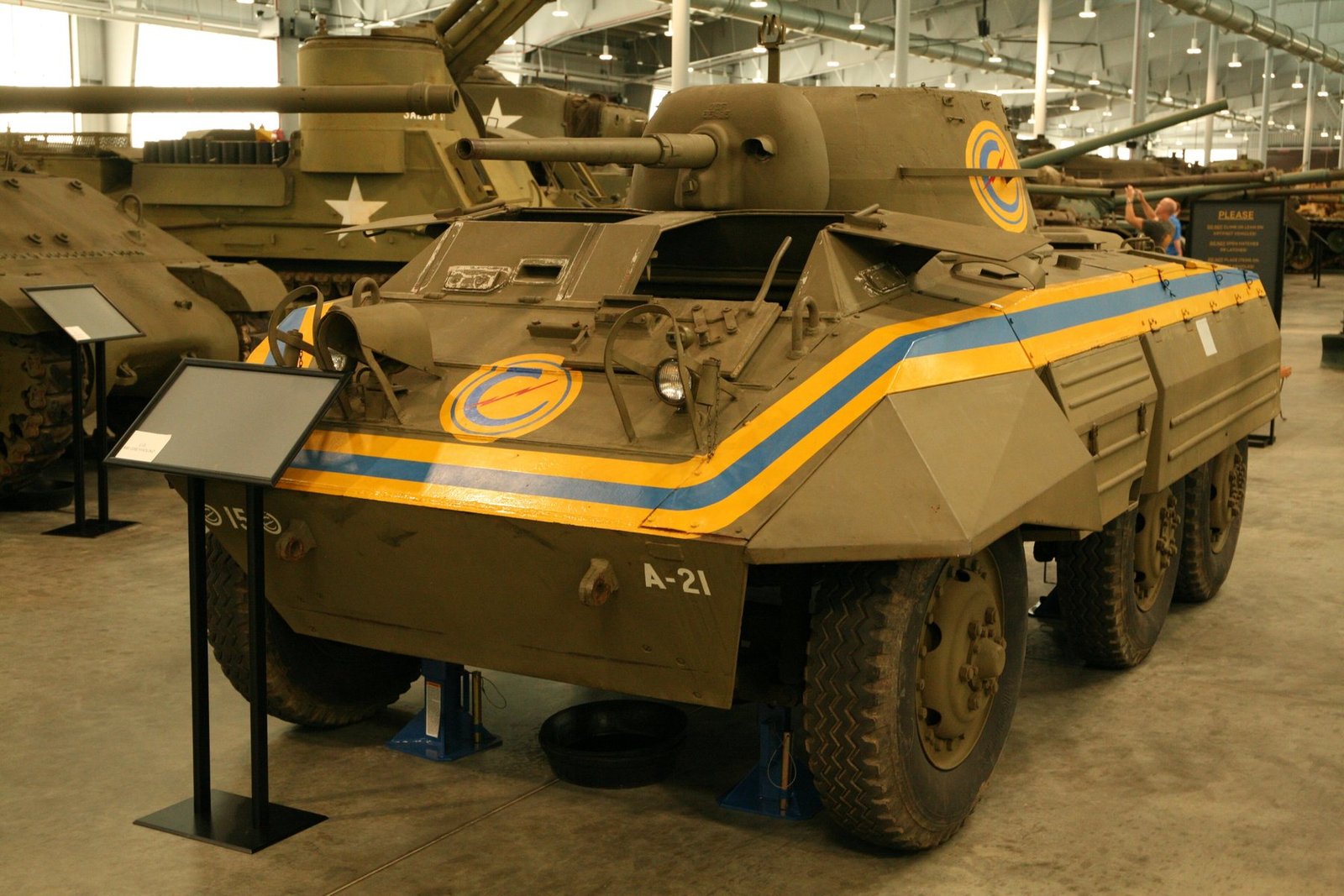
Read the profileThe M8 and turretless M20 gave U.S. cavalry reconnaissance units a fast six-wheeled armored family for scouting, command, liaison, and security during the Second World War.
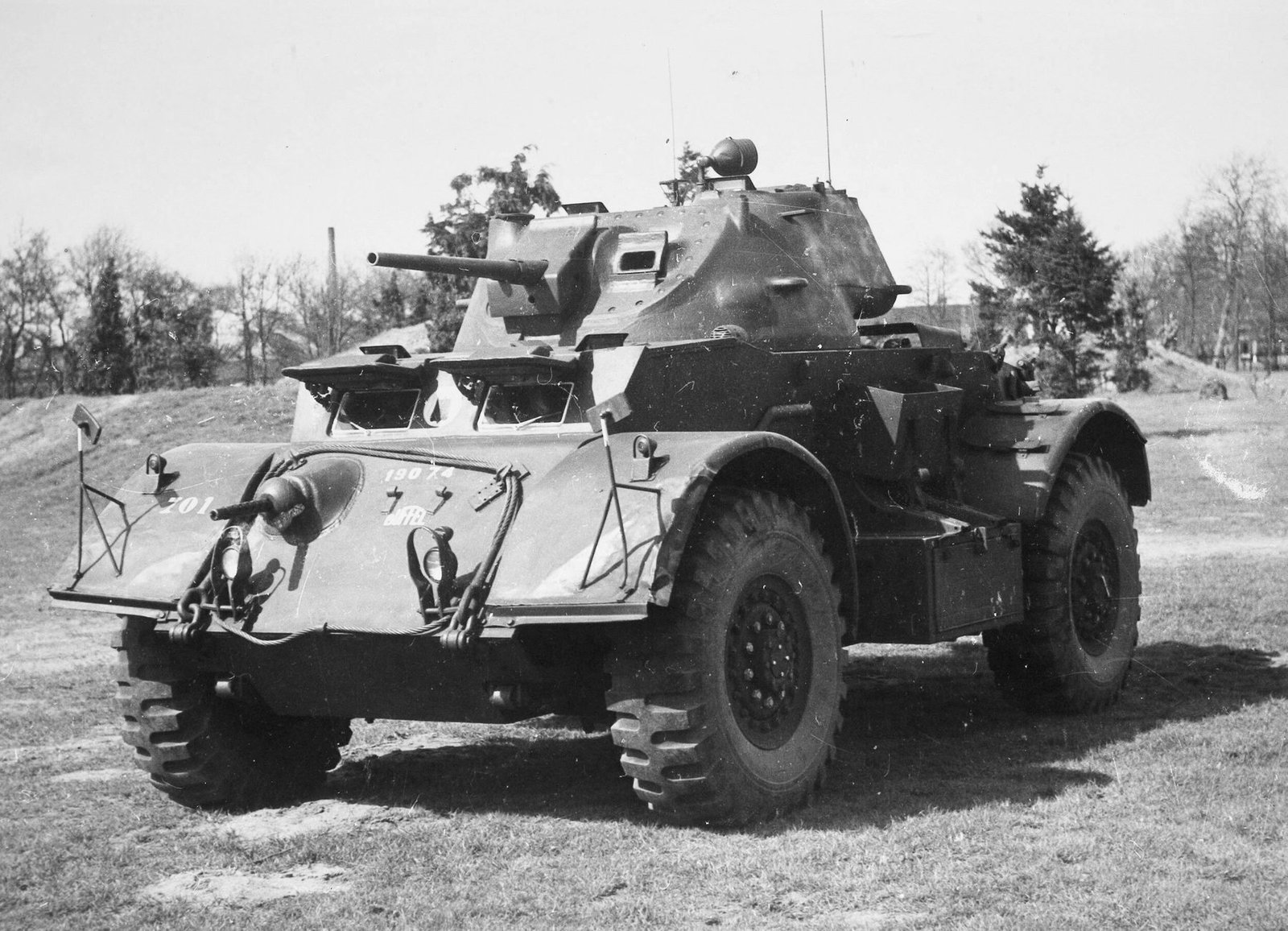
Read the profileDesigned in the United States but used mainly by British and Commonwealth forces, the large twin-engine Staghound combined a 37 mm gun with exceptional automotive redundancy and long-range road performance.
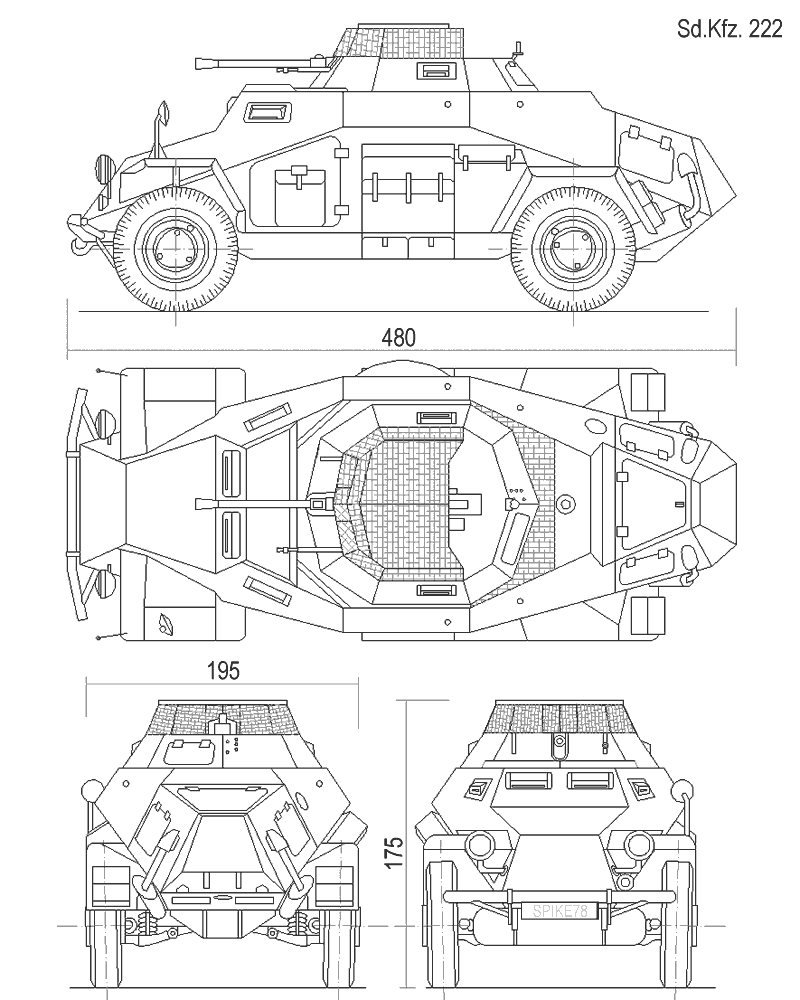
Read the profileGermany’s light four-wheeled reconnaissance-car family combined compact armored hulls with machine-gun, autocannon, and radio-command variants for early-war reconnaissance units.
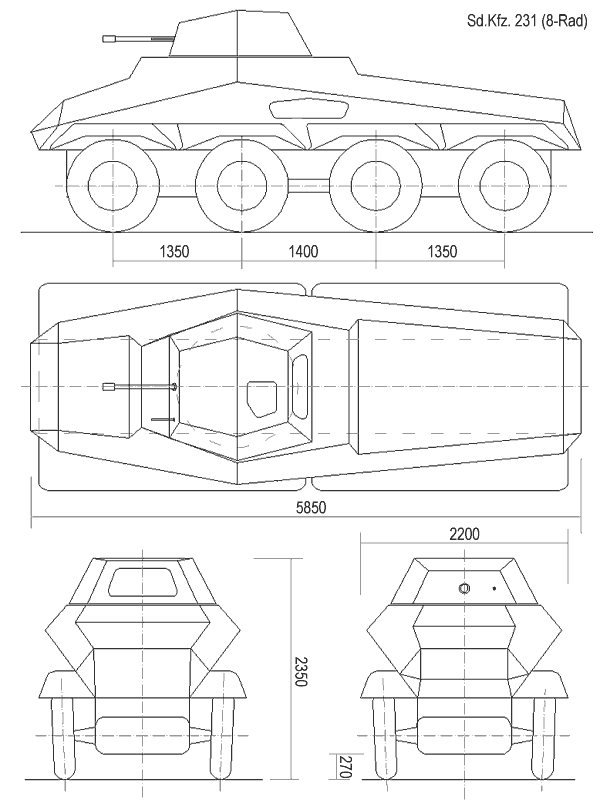
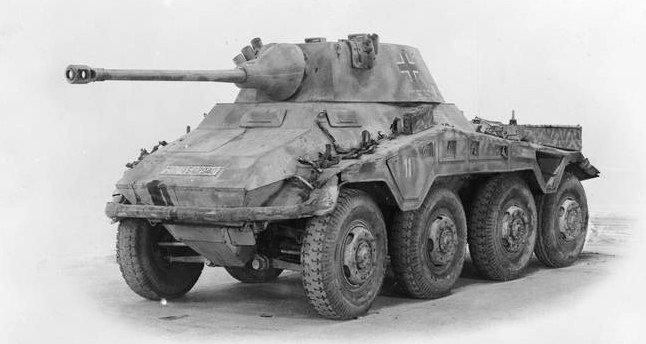
Read the profileGermany’s early eight-wheeled heavy armored cars combined high road speed, all-wheel steering, dual driving positions, and radio or fire-support variants for long-range reconnaissance.
Read the profileThe Sd.Kfz. 234 was Germany’s final wartime eight-wheeled reconnaissance family, combining a new armored chassis and diesel engine with 20 mm, 50 mm, short-75 mm, and PaK 40 armament variants.
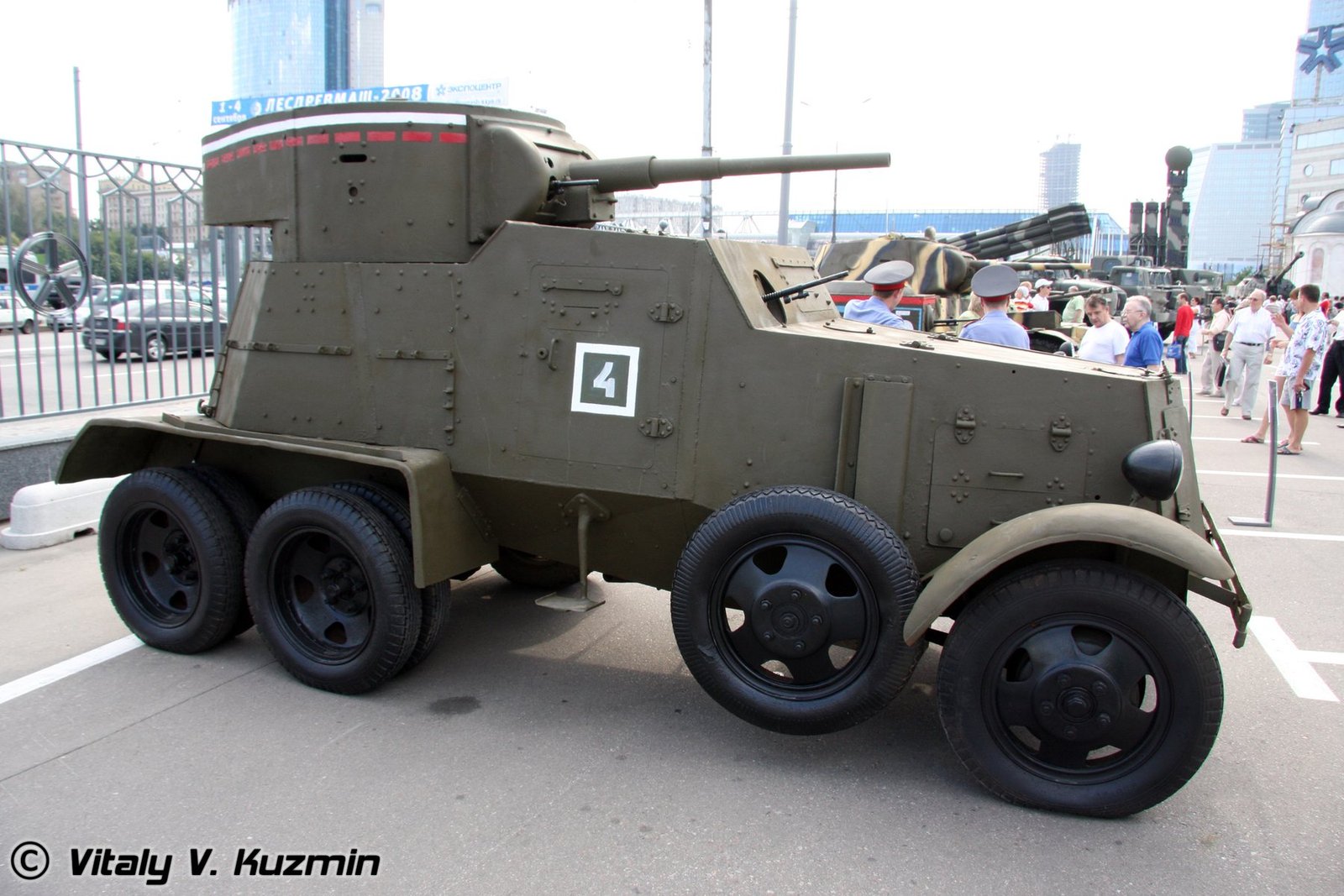
Read the profileThe Soviet BA-3 and BA-6 placed a tank-style 45 mm turret on a 6×4 truck-derived armored chassis, producing unusually heavy firepower for an interwar armored car.
Read the profileThe BA-10 refined the Soviet 6×4 heavy armored-car formula with better-shaped armor while retaining the 45 mm gun and the ability to fit auxiliary tracks over the rear wheels.
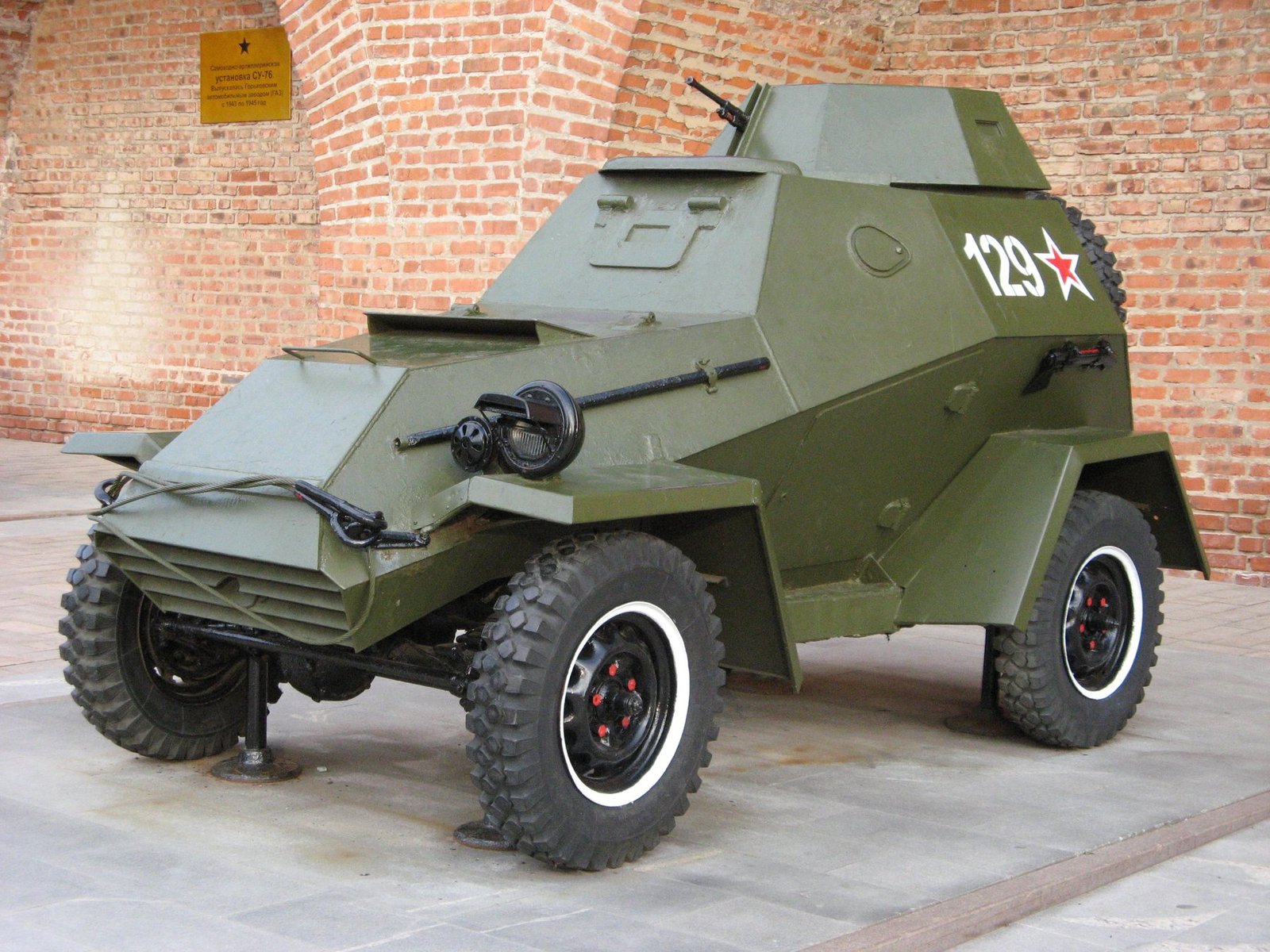
Read the profileThe compact 4×4 BA-64 replaced the Soviet Union’s heavy prewar armored cars with a much lighter scout vehicle based on GAZ automotive components and optimized for wartime mass production.
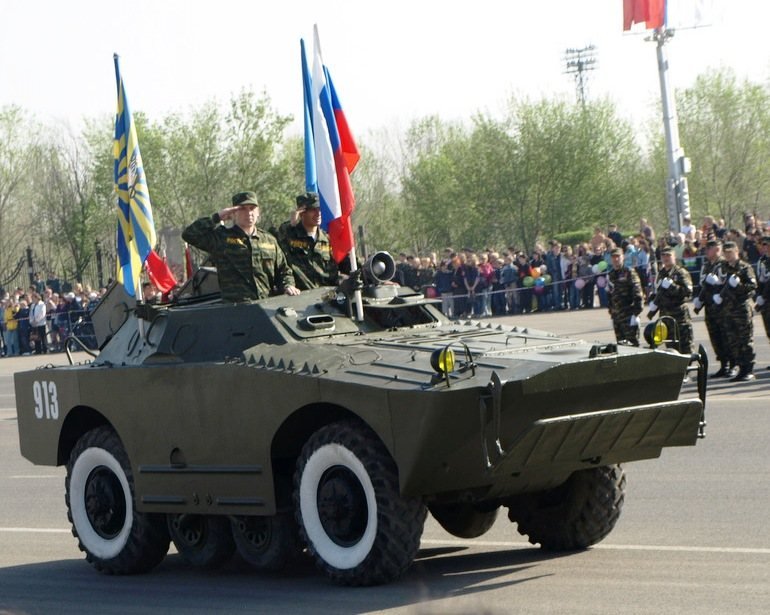
Read the profileThe amphibious BRDM-1 gave Soviet reconnaissance units a purpose-built 4×4 scout vehicle with auxiliary belly wheels for crossing trenches and rough ground.
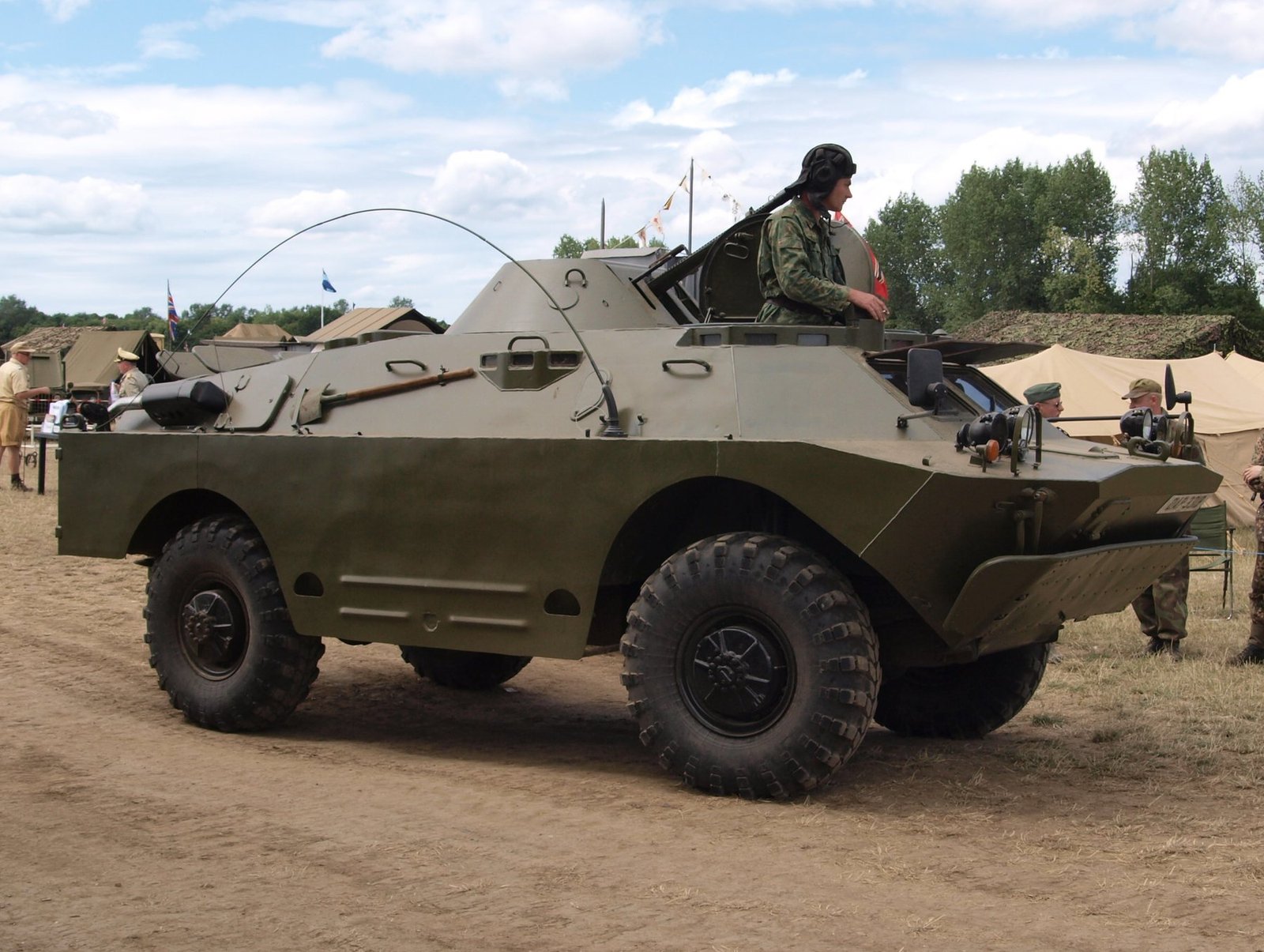
Read the profileThe BRDM-2 improved the Soviet amphibious scout-car concept with a rear engine, enclosed turret, 14.5 mm machine gun, better crew layout, and worldwide export service.
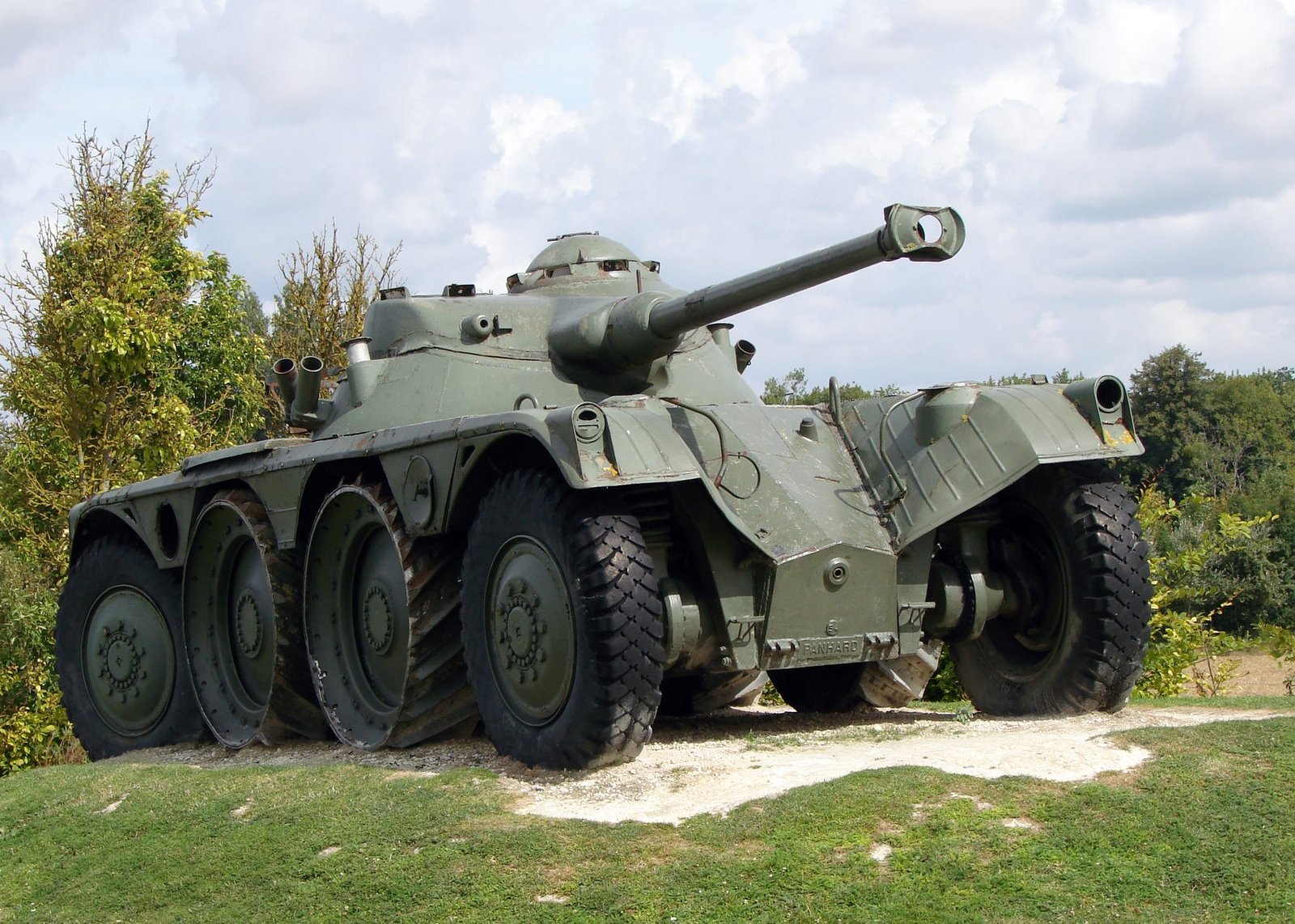
Read the profileThe Panhard EBR used an unusual eight-wheel layout, oscillating turret, central steel wheels, and front-and-rear driving positions to give postwar French cavalry high road speed and rapid reversal.
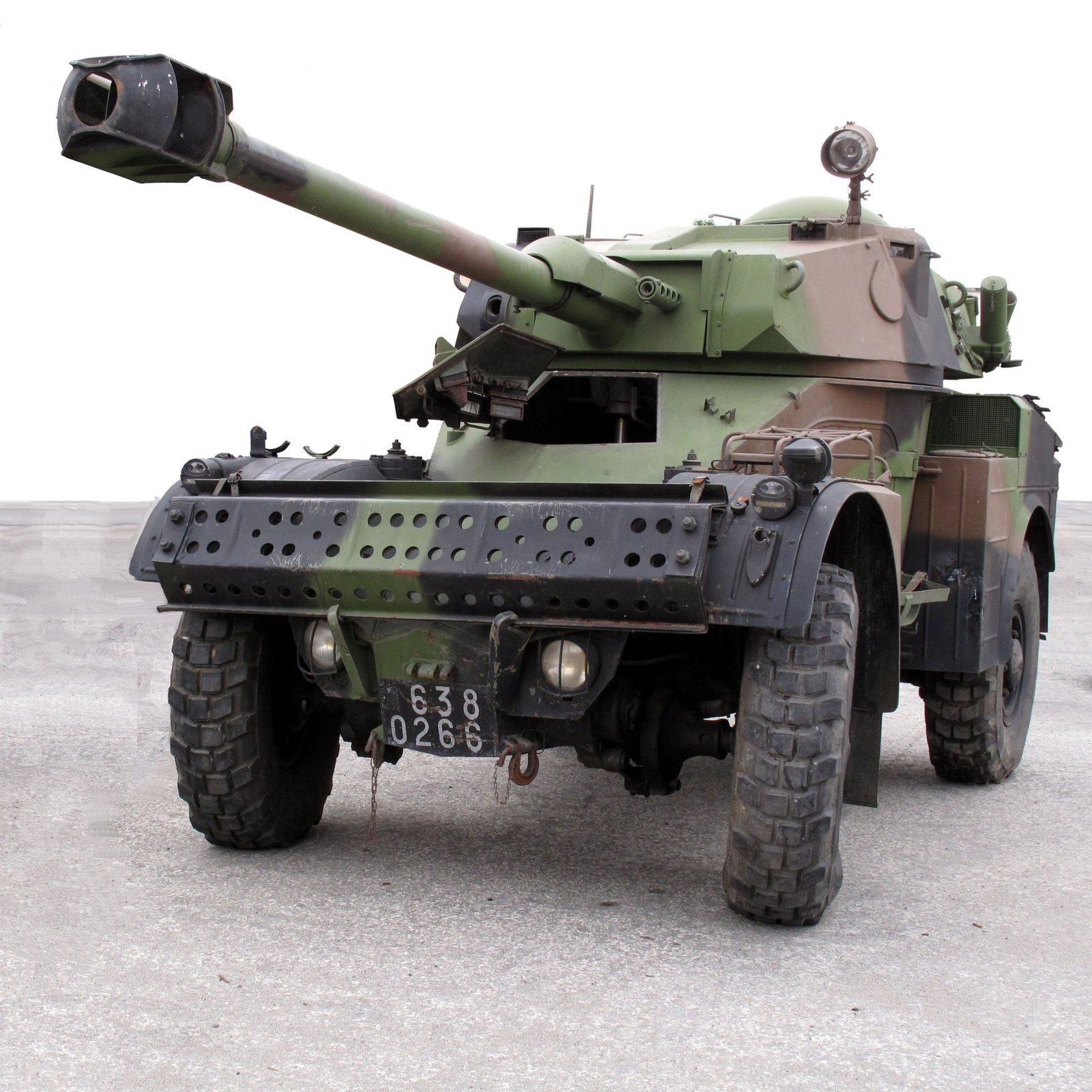
Read the profileThe light Panhard AML paired a compact 4×4 chassis with multiple turret choices, most famously the 90 mm AML-90, and became one of the most widely exported French armored cars.
Read the profileThe six-wheeled ERC-90 Sagaie gave French expeditionary forces a lighter, air-transportable 90 mm reconnaissance vehicle for operations where the larger AMX-10RC was less practical.
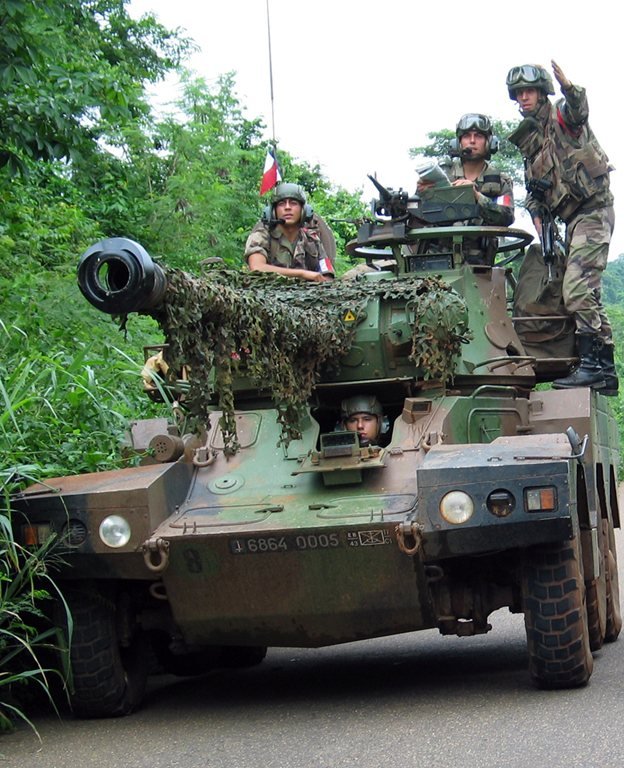
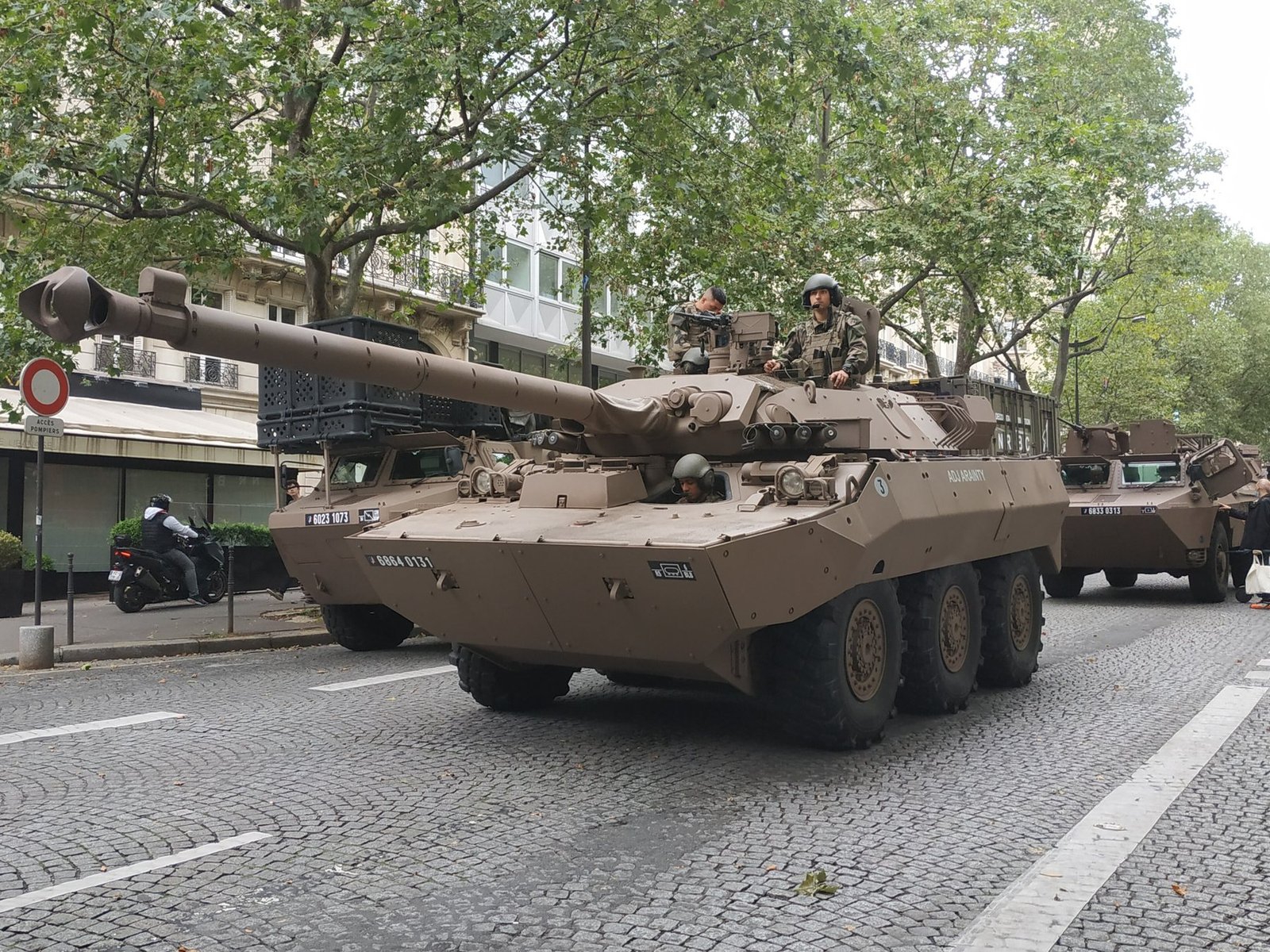
Read the profileThe six-wheeled AMX-10RC combined a 105 mm gun, high road mobility, reconnaissance sensors, and later protection upgrades to serve as France’s principal heavy wheeled reconnaissance vehicle for decades.
Read the profileFrance’s small VBL gives armored-cavalry scouts a low-profile protected vehicle for observation, liaison, antitank, and tactical-intelligence tasks alongside heavier reconnaissance systems.
Read the profileThe small Daimler Ferret became a signature British postwar scout car, combining compact dimensions, reliable 4×4 mobility, and a flexible family of reconnaissance and liaison variants.
Read the profileThe six-wheeled Saladin gave British and export reconnaissance units a turreted 76 mm gun vehicle with high road speed and better direct-fire capability than the light Ferret.
Read the profileThe Fox combined a light aluminum armored hull with a 30 mm RARDEN cannon, giving Britain a fast wheeled reconnaissance vehicle related in concept and turret technology to the CVR(T) family.
Read the profileBritain’s CVR(T) family used a common lightweight tracked chassis for reconnaissance, troop carrying, command, recovery, and antitank roles, with the existing Scorpion profile serving as the family anchor.
Read the profileThe eight-wheeled Luchs was designed for West German armored reconnaissance with extreme quietness, amphibious capability, all-wheel steering, and a second driver position for rapid withdrawal.
Read the profileThe low-profile Fennek centers reconnaissance on sensors, communications, acoustic discretion, and long endurance rather than a large turret or heavy gun.
Read the profileThe eight-wheeled Rooikat was created for long-range South African reconnaissance, combining exceptional road and cross-country mobility with a stabilized 76 mm gun and later modernization.
Read the profileJapan’s Type 87 RCV is a six-wheeled armored reconnaissance vehicle armed with a 25 mm autocannon and designed for rapid road movement, surveillance, and flank-security missions.
Read the profileThe low-silhouette tracked M114 was intended to give U.S. armored cavalry scouts and commanders a smaller reconnaissance vehicle than the M113, but mobility and reliability problems shortened its career.
Read the profileThe tiny tracked Wiesel family gives German airborne and light forces an air-transportable armored weapons carrier that can support reconnaissance, antitank, cannon, mortar, air-defense, and medical roles.
Read the profileThe M1127 adapts the eight-wheeled Stryker platform for reconnaissance and surveillance teams, emphasizing sensors, communications, and protected mobility within Stryker formations.
Read the profileThe purpose-built M18 Hellcat pushed U.S. tank-destroyer doctrine toward extreme mobility, pairing a 76 mm gun with very light armor and unusually high speed.
Read the profileThe M36 combined the M10-family chassis concept with a new open turret and 90 mm gun, giving U.S. tank-destroyer units a harder-hitting answer to late-war German armor.
Read the profileThe StuG III began as turretless infantry-support artillery and evolved into one of Germany’s most important armored antitank weapons as longer 75 mm guns transformed its battlefield role.
Read the profileThe StuG IV transplanted the proven late-war StuG fighting compartment and long 75 mm gun onto the Panzer IV chassis when bombing and production disruption threatened StuG III output.
Read the profileThe Jagdpanzer IV family turned the Panzer IV chassis into a purpose-built low casemate tank destroyer, progressing from the 75 mm L/48 gun to the much longer Panther-class L/70 weapon.
Read the profileThe compact Jagdpanzer 38(t) combined a 75 mm antitank gun, sloped armor, and the Czech 38(t) industrial base in a small vehicle intended for infantry-division antitank companies.
Read the profileThe Jagdpanther combined the Panther chassis with the long 88 mm PaK 43 in a sloped casemate, creating one of Germany’s most powerful and balanced late-war tank destroyers.
Read the profileThe Jagdtiger mounted a 128 mm gun in a massive fixed superstructure on a Tiger II-derived chassis, producing the heaviest armored fighting vehicle to see combat in the Second World War.
Read the profileBuilt from unused Porsche Tiger chassis, the Ferdinand paired thick armor and the long 88 mm PaK 43 with a complex petrol-electric drivetrain; surviving vehicles were rebuilt and renamed Elefant.
Read the profileThe Nashorn mounted the long 88 mm PaK 43 on a lightly armored, open fighting compartment using a mixed Panzer III/IV chassis, trading crew protection for long-range antitank power.
Read the profileThe Marder I family put German 75 mm antitank guns on captured French chassis, creating mobile but lightly protected tank destroyers during the emergency response to heavier Allied and Soviet armor.
Read the profileMarder II conversions used the Panzer II chassis to carry either captured Soviet 76.2 mm guns or the German 75 mm PaK 40, providing mobile antitank firepower at the cost of a tall open fighting compartment.
Read the profileThe Marder III family used the reliable Czech 38(t) chassis to carry captured Soviet 76.2 mm guns and later the German 75 mm PaK 40 in several open-topped layouts.
Read the profileThe Sturmpanzer IV was a heavily armored close-support assault gun built around a 150 mm infantry gun on the Panzer IV chassis for smashing fortifications and strongpoints at short range.
Read the profileThe Sturmtiger used a Tiger I chassis to carry a 380 mm rocket-propelled mortar for extreme close-support fire against fortified urban positions.
Read the profileThe light SU-76 family mounted a 76.2 mm divisional gun on a compact tracked chassis, giving Red Army infantry formations mobile direct fire, artillery support, and limited antitank capability.
Read the profileThe SU-85 adapted the T-34 chassis into a low casemate tank destroyer carrying an 85 mm gun, giving Soviet units stronger mobile antitank fire before the T-34-85 became widely available.
Read the profileThe SU-100 replaced the SU-85’s 85 mm weapon with the powerful 100 mm D-10S while retaining the T-34-based casemate layout, creating the Red Army’s mature medium tank destroyer of the war’s final phase.
Read the profileThe SU-122 placed a 122 mm howitzer on the T-34 chassis to give Soviet armored and infantry formations a mobile assault gun for high-explosive support against fieldworks and strongpoints.
Read the profileThe SU-152 mounted a 152 mm gun-howitzer on the KV-1S chassis, creating a heavy assault gun capable of crushing fortifications and, with the right ammunition and circumstances, damaging heavy German armor.
Read the profileThe ISU family placed 122 mm or 152 mm heavy guns in a fixed superstructure on the IS heavy-tank chassis, combining assault support, long-range direct fire, and heavy antitank potential.
Read the profileThe British Archer fitted the powerful 17-pounder antitank gun to the Valentine chassis in a rear-facing open mount, producing a compact ambush weapon with an unusual firing orientation.
Read the profileThe Alecto was a very low British self-propelled gun project based on the Harry Hopkins light-tank chassis; wartime development produced prototypes, but the vehicle arrived too late for operational service.
Read the profileItaly’s Semovente 75/18 family placed a short 75 mm howitzer in a low casemate on successive M-series tank chassis, providing armored divisions with mobile artillery and surprisingly useful direct-fire antitank capability.
Read the profileThe Semovente 90/53 mounted Italy’s powerful 90 mm dual-purpose gun on a modified M14/41 chassis, creating a hard-hitting but lightly protected tank destroyer with very limited onboard ammunition.
Read the profileThe Semovente 105/25 combined a low, enlarged M43 chassis with a 105 mm gun-howitzer, producing Italy’s heaviest series-built wartime assault gun before most examples passed into German service after the 1943 armistice.
Read the profileThe Japanese Ho-Ni family adapted the Type 97 Chi-Ha chassis to carry heavier guns in fixed superstructures, creating scarce self-propelled artillery and tank-destroyer variants for an army with limited armored industrial capacity.
Read the profileThe Ho-Ri name covers late-war Japanese heavy tank-destroyer projects built around the Type 5 Chi-Ri chassis concept and a 105 mm gun; documentary evidence supports development work, but no completed combat prototype is securely established.
Read the profileWest Germany’s Kanonenjagdpanzer revived the low casemate tank-destroyer layout with a 90 mm gun on a fast tracked chassis, but rapidly improving tank armor made the gun concept short-lived.
Read the profileWest Germany’s missile tank-destroyer family evolved from SS.11-armed Raketenjagdpanzer vehicles into HOT- and TOW-equipped Jaguar conversions, extending the life of the same low tracked chassis after guided missiles displaced the 90 mm gun.
Read the profileThe Marine Corps M50 Ontos carried six 106 mm recoilless rifles on a small tracked chassis, creating a light antitank vehicle that found its most memorable combat role as direct-fire infantry support in Vietnam.
Read the profileThe Soviet IT-1 used a T-62-derived chassis and a low turret housing a pop-up launcher for 3M7 Drakon antitank missiles, fielding the missile-tank idea briefly before its tactical limitations ended the experiment.
Read the profileThe 9P149 Shturm-S put the radio-command-guided Shturm antitank missile on the low MT-LB chassis, creating a concealed tracked ambush system with an automatic loading mechanism and retractable launcher.
Read the profileThe Khrizantema-S uses a BMP-3-derived chassis, twin retractable missile rails, automatic loading, and both radar and laser guidance to give Russian antitank units a modern all-weather missile carrier.
Read the profileThe M901 ITV converted the M113 carrier into a protected TOW missile platform with a distinctive elevating “hammerhead” launcher, giving U.S. mechanized formations a dedicated long-range antitank vehicle.
Read the profileItaly’s Centauro family pairs an eight-wheeled high-mobility chassis with tank-class direct-fire guns, evolving from the 105 mm B1 into the more heavily protected 120 mm Centauro II.
Read the profileThe M1128 Mobile Gun System mounted a low-profile 105 mm autoloading gun system on the eight-wheeled Stryker chassis to provide infantry with direct fire against bunkers, walls, and armored threats.
Read the profileJapan’s Type 16 MCV combines a 105 mm gun with an eight-wheeled chassis optimized for rapid road movement and strategic redeployment, giving JGSDF rapid-deployment units tank-like direct fire without tank weight.
Read the profileThe ZTL-11 is the 105 mm direct-fire member of China’s Type 08 eight-wheeled armored-vehicle family, giving medium and marine formations a mobile assault gun on the same basic chassis lineage as their infantry vehicles.
Read the profileThe Bishop was Britain’s first wartime attempt to put the standard 25-pounder field gun on a tracked armored chassis so artillery could keep pace with mobile formations in North Africa.
Read the profileThe Sexton paired Canadian armored-vehicle production with the British 25-pounder, giving Commonwealth armored formations a mobile artillery system that used their standard field gun and ammunition.
Read the profileThe M7 Priest became the characteristic self-propelled artillery piece of U.S. armored divisions in the Second World War, combining the standard 105 mm howitzer with tank-derived mobility.
Read the profileThe M12 mounted a powerful 155 mm gun on a tracked chassis, giving U.S. heavy artillery a mobile weapon that could accompany the advance and rapidly reposition during the campaign in Western Europe.
Read the profileThe M40 and M43 were the U.S. Army’s late-war heavy self-propelled artillery family, using a common Sherman-derived chassis for either a 155 mm gun or an 8-inch howitzer.
Read the profileThe M44 was an early Cold War U.S. 155 mm self-propelled howitzer intended to replace wartime systems with a more compact artillery vehicle suited to mechanized formations.
Read the profileThe M52 put a 105 mm howitzer in a fully enclosed rotating turret on a light-tank-derived chassis, giving Cold War mechanized forces protected mobile artillery in the lighter field-artillery class.
Read the profileThe M53 and M55 were a common-chassis heavy artillery pair: the M53 carried a 155 mm gun and the M55 an 8-inch howitzer in a large armored rear turret.
Read the profileThe M107 and M110 shared a lightweight tracked carriage but mounted different heavy weapons, giving Cold War artillery units either exceptional gun range or the destructive power of an 8-inch howitzer.
Read the profileThe Wespe gave German panzer divisions a compact 105 mm self-propelled howitzer on a modified Panzer II chassis, trading armor for mobility and rapid production.
Read the profileThe Hummel provided German armored divisions with a mobile 150 mm howitzer, complementing the lighter Wespe with heavier indirect fire.
Read the profileThe Grille family placed the heavy 15 cm infantry gun on the reliable Panzer 38(t) chassis, giving German infantry-support units a tracked weapon that could relocate far faster than the towed gun.
Read the profileThe FV433 Abbot was Britain’s purpose-designed Cold War 105 mm self-propelled gun, replacing the surviving Sexton era with a compact turreted artillery vehicle for mechanized formations.
Read the profileThe AS-90 replaced Britain’s older Abbot and imported M109-era systems with a modern 155 mm tracked howitzer designed for Royal Artillery support of armored and mechanized formations.
Read the profileThe Panzerhaubitze 2000 is Germany’s modern 155 mm tracked howitzer, built around high rates of fire, long-range NATO ammunition, digital fire control, and rapid shoot-and-scoot tactics.
Read the profileThe 2S1 Gvozdika brought a light 122 mm self-propelled howitzer into Soviet mechanized formations on an amphibious tracked chassis closely related to the MT-LB family.
Read the profileThe 2S3 Akatsiya was the Soviet Union’s principal 152 mm divisional self-propelled howitzer of the Cold War, pairing a turreted gun with tracked mobility for mechanized operations.
Read the profileThe 2S4 Tyulpan is an exceptionally heavy self-propelled mortar designed to deliver large 240 mm bombs against fortified positions and other targets requiring effects beyond conventional divisional artillery.
Read the profileThe 2S5 Giatsint-S was built around a long-range 152 mm gun rather than a turreted howitzer, giving Soviet higher-level artillery a mobile weapon optimized for reach and counterbattery fire.
Read the profileThe 2S7 Pion is the Soviet Union’s massive 203 mm self-propelled gun, later modernized as the 2S7M Malka for long-range heavy fire at operational depth.
Read the profileThe 2S9 Nona-S gave Soviet airborne forces an air-droppable tracked artillery vehicle whose 120 mm gun-mortar could fire both mortar bombs and specialized artillery projectiles.
Read the profileThe 2S19 Msta-S replaced the 2S3 as the Soviet and later Russian standard 152 mm tracked howitzer, combining a long-range gun with greater automation and modernized fire control.
Read the profileThe 2S31 Vena combines a highly automated 120 mm gun-mortar with the BMP-3 chassis, extending the Nona concept into a more capable mechanized artillery system.
Read the profileThe 2S35 Koalitsiya-SV is Russia’s next-generation 152 mm self-propelled howitzer, intended to succeed or supplement the Msta-S with greater automation, range, and rate of fire.
Read the profileThe systems known in the West as M-1978 and M-1989 Koksan are North Korean 170 mm self-propelled guns designed for unusually long-range artillery missions.
Read the profileSouth Africa’s G6 combined a long-range 155 mm gun with a heavily armored six-wheeled chassis, creating one of the Cold War’s most distinctive self-propelled artillery systems.
Read the profileThe DANA and Zuzana family made Czechoslovakia and later Slovakia early leaders in heavy wheeled self-propelled artillery, combining a Tatra 8×8 chassis with an armored turret.
Read the profileThe French AuF1 placed a 155 mm automated artillery turret on the AMX-30 chassis, giving mechanized formations a protected tracked howitzer with substantial onboard ammunition and high tactical mobility.
Read the profilePalmaria was an Italian export-oriented 155 mm self-propelled howitzer that combined a large turreted gun system with a tracked chassis and automated loading assistance.
Read the profileSouth Korea’s K9 Thunder has grown from a national 155 mm tracked howitzer into one of the world’s most widely adopted modern artillery families.
Read the profileThe Type 75 was Japan’s first postwar domestically developed 155 mm self-propelled howitzer, providing the Ground Self-Defense Force with tracked mobile artillery for Cold War defense.
Read the profileThe Type 99 replaced Japan’s Type 75 with a longer-ranged 155 mm tracked howitzer featuring a larger gun, greater automation, and modern fire-control integration.
Read the profileThe PLZ-83 gave China a domestically produced turreted 152 mm self-propelled howitzer broadly comparable in role to contemporary Soviet divisional artillery systems.
Read the profileThe PLZ-45 moved Chinese self-propelled artillery into the NATO-standard 155 mm export market, combining a longer-range gun with modern laying and navigation systems.
Read the profileThe PLZ-05 is China’s modern heavy tracked 155 mm howitzer family, combining long-range fire with automation and digital fire-control features for PLA artillery brigades.
Read the profilePoland’s AHS Krab combines international artillery technologies into a national 155 mm self-propelled howitzer, most notably a K9-derived chassis with a turret lineage rooted in the British AS-90 program.
Read the profileTürkiye’s T-155 Fırtına adapts the K9 artillery architecture to Turkish requirements, combining a 155 mm/52-calibre weapon with domestic fire-control, communications, and production integration.
Read the profileIran’s Raad-2 is a domestically developed 155 mm self-propelled howitzer that combines locally produced armored-vehicle components with a turret layout strongly influenced by the M109 family.
Read the profileThe M270 Multiple Launch Rocket System gave NATO armies a tracked armored launcher able to deliver massed rockets and, later, precision-guided rockets and tactical missiles from the same modular launcher.
Read the profileThe TOS-1 family mounts a short-range heavy rocket launcher on a tank-derived armored chassis for concentrated incendiary and thermobaric fire against fortified positions and area targets.
Read the profileThe Flakpanzer I was an early German attempt to give armored formations a tracked anti-aircraft weapon by mounting a 20 mm Flak gun on the obsolete Panzer I chassis.
Read the profileThe Möbelwagen put a powerful 37 mm anti-aircraft gun on the Panzer IV chassis, giving German panzer formations a mobile but still exposed answer to Allied air attack.
Read the profileWirbelwind replaced the Möbelwagen’s folding enclosure with a rapidly traversing open turret carrying four 20 mm cannon for immediate close-range air defense.
Read the profileOstwind paired the Panzer IV chassis with a rotating open turret and a single 37 mm Flak 43, trading Wirbelwind’s volume of fire for greater range and hitting power.
Read the profileKugelblitz was Germany’s late-war attempt to place twin 30 mm cannon in a compact enclosed turret on the Panzer IV chassis, but the design arrived too late for meaningful production.
Read the profileThe M15 CGMC combined a 37 mm cannon with .50-caliber machine guns on an armored half-track to provide mobile U.S. Army air defense during the Second World War.
Read the profileThe M16 MGMC mounted the electrically powered quad-.50 M45 turret on an armored half-track, becoming one of the best-known U.S. mobile anti-aircraft weapons of World War II and Korea.
Read the profileThe M19 MGMC placed twin 40 mm Bofors guns on a chassis derived from the M24 Chaffee, creating a fully tracked U.S. anti-aircraft gun vehicle that arrived too late for World War II combat.
Read the profileThe M42 Duster mounted twin 40 mm Bofors cannon on an M41-derived chassis and became a long-lived U.S. mobile air-defense gun that was used heavily for ground fire in Vietnam.
Read the profileThe M247 Sergeant York was the U.S. Army’s ambitious radar-directed twin-40 mm DIVAD gun system on an M48 chassis; technical and program problems led to cancellation before operational fielding.
Read the profileThe M6 Linebacker converted the Bradley into a protected short-range air-defense vehicle by replacing the TOW launcher with a four-missile Stinger pod while retaining the 25 mm cannon.
Read the profileStryker M-SHORAD restored an armored, maneuvering short-range air-defense vehicle to U.S. Army formations by combining radar, Stinger missiles, a 30 mm cannon, and other effectors on a Stryker A1.
Read the profileThe ZSU-37 was the Soviet Union’s first series-produced fully tracked self-propelled anti-aircraft gun, combining a 37 mm cannon with an SU-76-derived chassis at the end of World War II.
Read the profileThe ZSU-57-2 mounted twin 57 mm cannon on a modified T-54 chassis, giving Soviet armored formations heavy mobile anti-aircraft fire but without an integral radar.
Read the profileThe ZSU-23-4 Shilka combined four rapid-firing 23 mm cannon with an integral fire-control radar on a tracked chassis, becoming one of the defining Soviet short-range air-defense systems of the Cold War.
Read the profileTunguska combined twin 30 mm cannon, surface-to-air missiles, and onboard radar on one tracked chassis to replace separate Soviet gun and missile systems at very short range.
Read the profileThe 9K35 Strela-10 placed infrared-guided short-range missiles on an amphibious MT-LB-derived armored carrier to give Soviet tank and motor-rifle formations a mobile low-altitude missile defense.
Read the profileThe Tor family is a highly autonomous tracked short-range surface-to-air missile system designed to protect maneuver forces and key units against aircraft, helicopters, cruise missiles, and precision-guided weapons.
Read the profileThe Buk family uses a network of tracked radar, command, launcher, and launcher-radar vehicles to provide medium-range mobile air defense capable of moving with Soviet and Russian ground forces.
Read the profileThe West German FlaRakPz 1 Roland mounted the Franco-German Roland short-range missile system on a Marder-derived tracked chassis to protect mechanized formations.
Read the profileThe AMX-13 DCA gave French armored formations a radar-assisted twin-30 mm self-propelled anti-aircraft gun on the compact AMX-13 chassis.
Read the profileThe AMX-30 DCA transferred the French twin-30 mm radar-directed anti-aircraft turret concept to the larger AMX-30 chassis, principally for export to Saudi Arabia.
Read the profileJapan’s Type 87 self-propelled anti-aircraft gun combines twin 35 mm cannon and onboard radar on a tracked chassis derived from the Type 74 tank family.
Read the profileThe PGZ-95 combines four 25 mm cannon with short-range missiles and electro-optical/radar support to provide Chinese ground forces a mobile close air-defense system.
Read the profileThe PGZ-09 is a modern Chinese twin-35 mm radar-directed self-propelled anti-aircraft gun designed for low- to medium-altitude threats, including aircraft, helicopters, drones, and cruise missiles.
Read the profileSouth Korea’s K30 Biho uses twin 30 mm cannon, radar, electro-optical sensors, and later short-range missiles on a heavily modified K200-family chassis for mobile close air defense.
Read the profileThe K-SAM Chunma is a South Korean tracked short-range missile system that integrates search/tracking sensors, fire control, and eight ready missiles on a single armored vehicle.
Read the profileItaly’s SIDAM 25 placed four 25 mm cannon and optical/laser fire control on an M113-derived chassis to provide very-short-range air defense for mechanized and armored units.
Read the profileOTOMATIC was an Italian prototype that placed a radar-directed rapid-fire 76 mm gun on an armored tracked chassis, seeking unusually long gun engagement range for a self-propelled anti-aircraft system.
Read the profile