The Sturmgeschütz III began as an artillery-branch assault gun intended to accompany infantry and destroy strongpoints, but wartime pressure turned the low casemate vehicle into a major German tank-killing system.
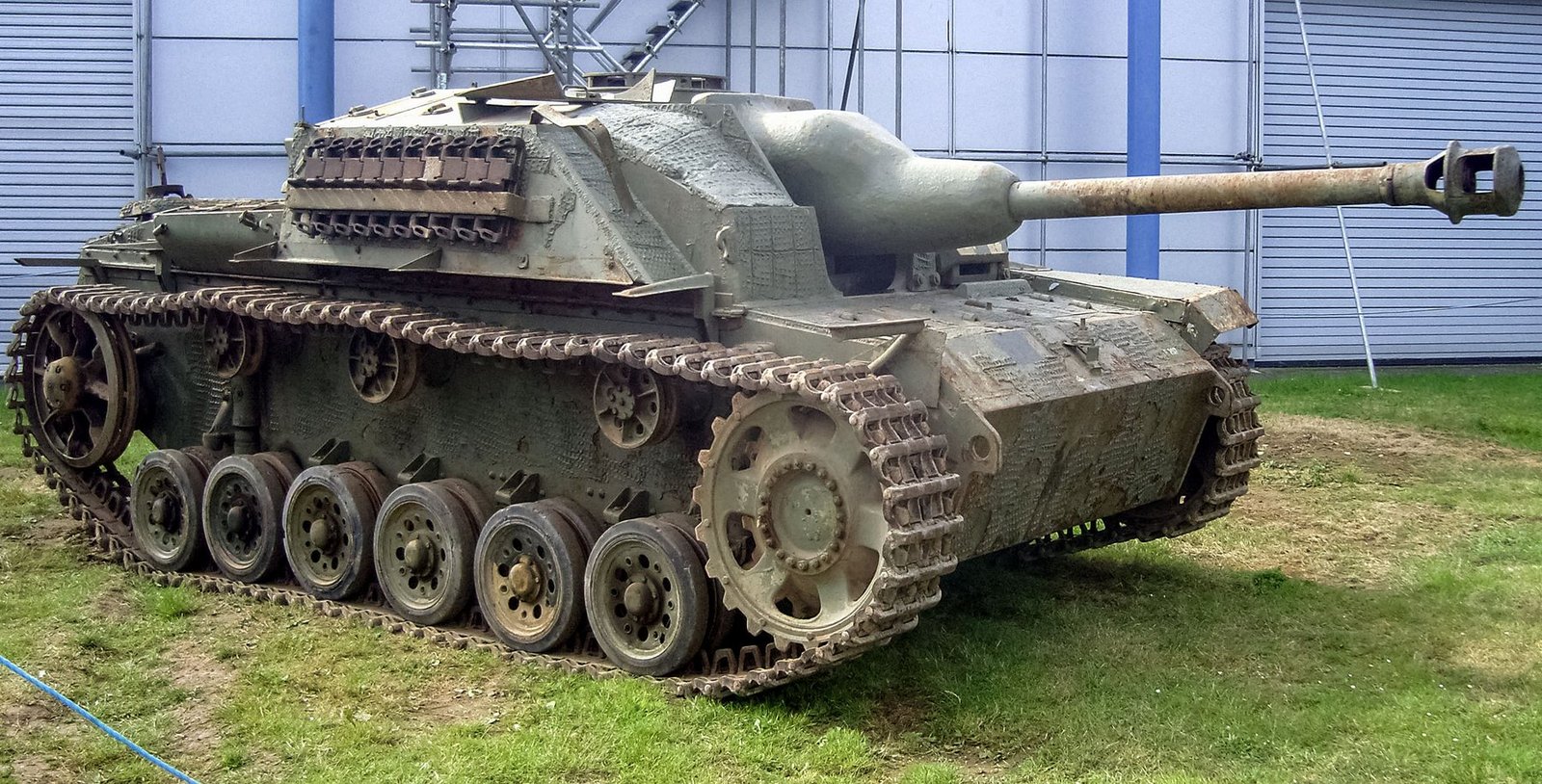
Tank Destroyer / Assault Gun / Direct-Fire · Assault gun / tank destroyerSturmgeschütz III · StuG III · Sd.Kfz. 142 · StuG III Ausf. GPrimary image verified
StuG III Family. Primary reference image for this archive profile. Source date: 2024-09-22 20:06.File:SNC15697 (5853637442).jpg : Roland Turner from Birmingham, Great Britain derivative work: Georgfotoart; CC BY-SA 2.0Image source
Roleinfantry-support assault gun evolving into tank destroyer
Main weapon / system75 mm guns from short StuK 37 to long StuK 40
Platform / layoutPanzer III-based low casemate
MediaPrimary image integrated
Development and design
Early StuG III versions carried a short 75 mm gun optimized for high-explosive fire. From 1942, long-barreled 75 mm weapons greatly improved antitank performance while the turretless layout kept the vehicle comparatively low and economical to build. 1, 2
Operational use
StuG III units served on every major European front. They continued infantry-support work, but the long-gun versions became especially important in defensive antitank fighting as Germany’s tank strength declined. 1, 2
Role and significance
The family is a useful warning against classifying armored vehicles by appearance alone. The same basic chassis moved from assault artillery toward tank-destroyer work without becoming a conventional tank, and it influenced later German casemate destroyers. 1, 2
Sources and further reading
Representative source set used for this profile. Primary image source and reuse terms are listed with the image.
_b.jpg)