
United Kingdom / World War I
Self-Propelled Artillery · Tracked artillery carrier
The Gun Carrier Mark I was designed to transport heavy field artillery on a tracked vehicle, extending mechanization beyond the gun-armed fighting tank.
Read the profile →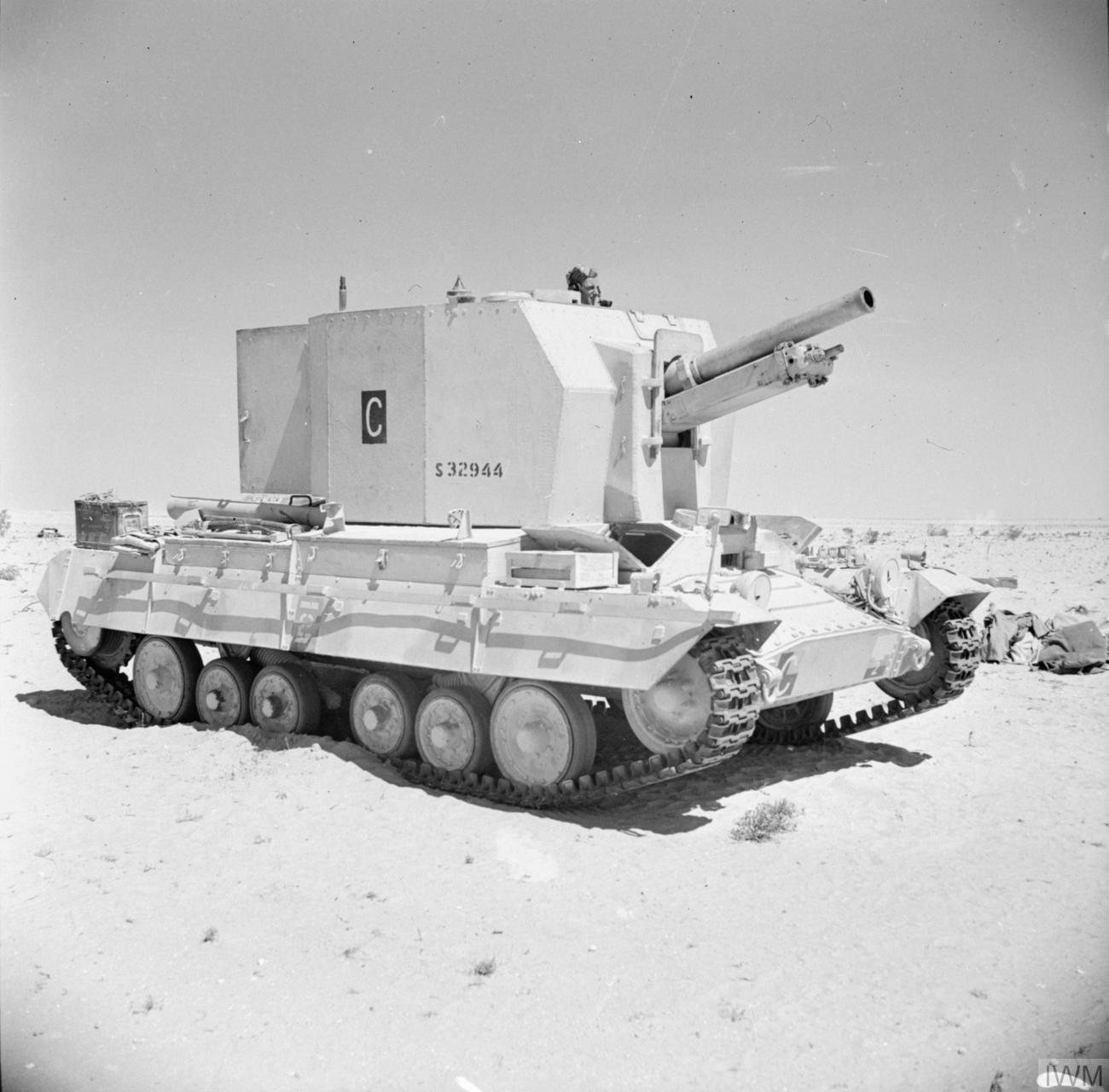
United Kingdom / World War II
Self-Propelled Artillery · Self-propelled howitzer
The Bishop was Britain’s first wartime attempt to put the standard 25-pounder field gun on a tracked armored chassis so artillery could keep pace with mobile formations in North Africa.
Read the profile →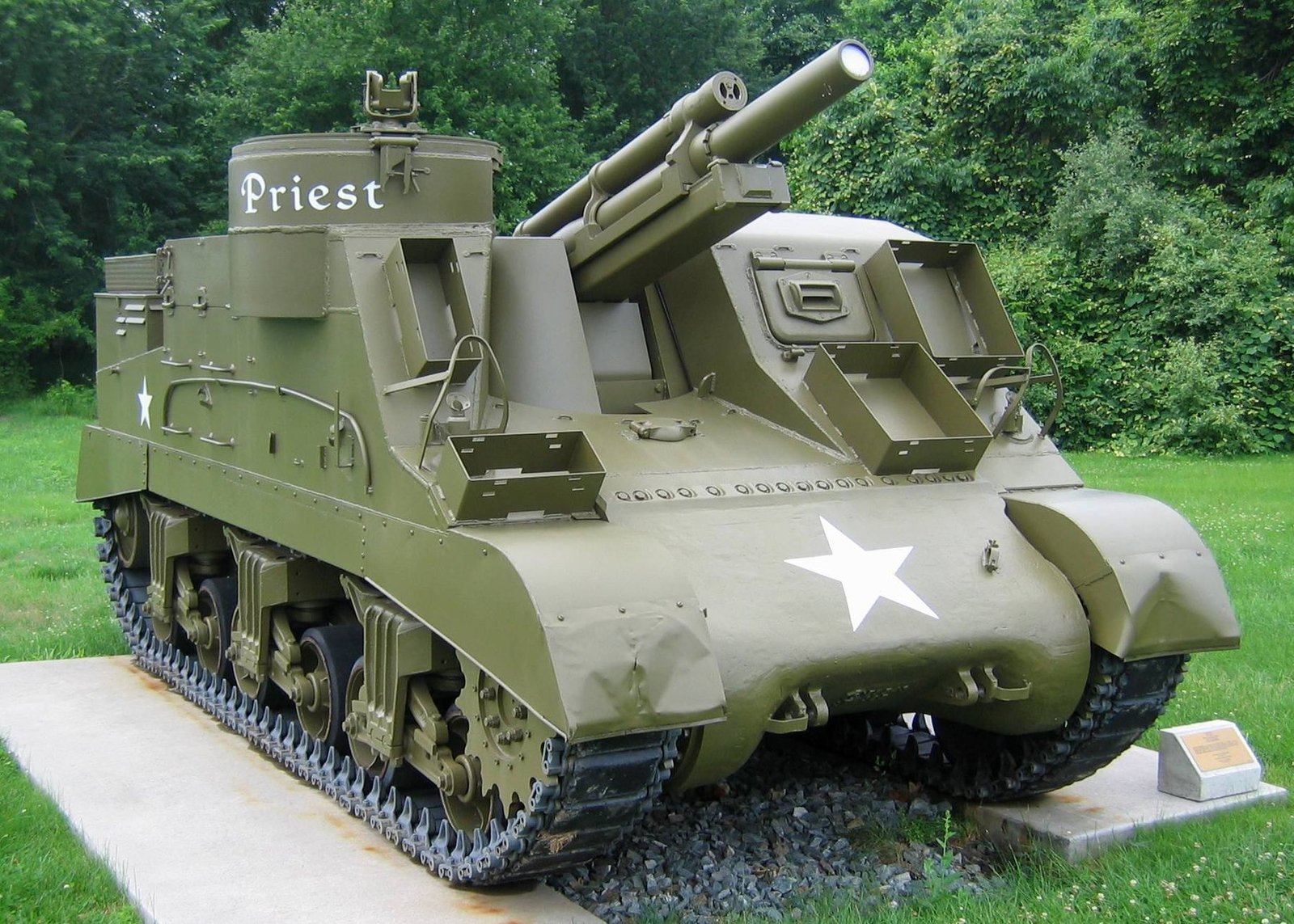
United States / World War II
Self-Propelled Artillery · Self-propelled howitzer / gun
The M7 Priest became the characteristic self-propelled artillery piece of U.S. armored divisions in the Second World War, combining the standard 105 mm howitzer with tank-derived mobility.
Read the profile →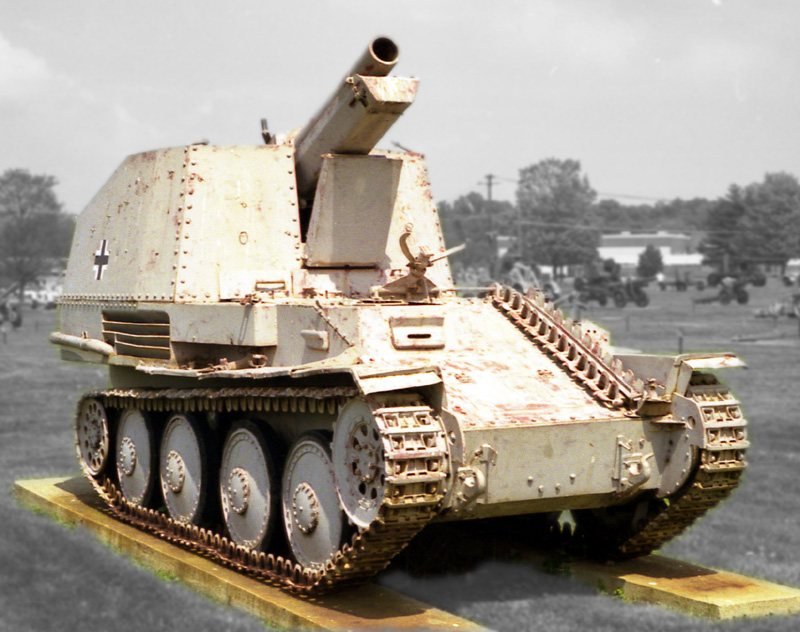
Germany / World War II
Self-Propelled Artillery · Self-propelled howitzer
The Grille family placed the heavy 15 cm infantry gun on the reliable Panzer 38(t) chassis, giving German infantry-support units a tracked weapon that could relocate far faster than the towed gun.
Read the profile →Germany / World War II
Self-Propelled Artillery · Self-propelled howitzer
The Hummel provided German armored divisions with a mobile 150 mm howitzer, complementing the lighter Wespe with heavier indirect fire.
Read the profile →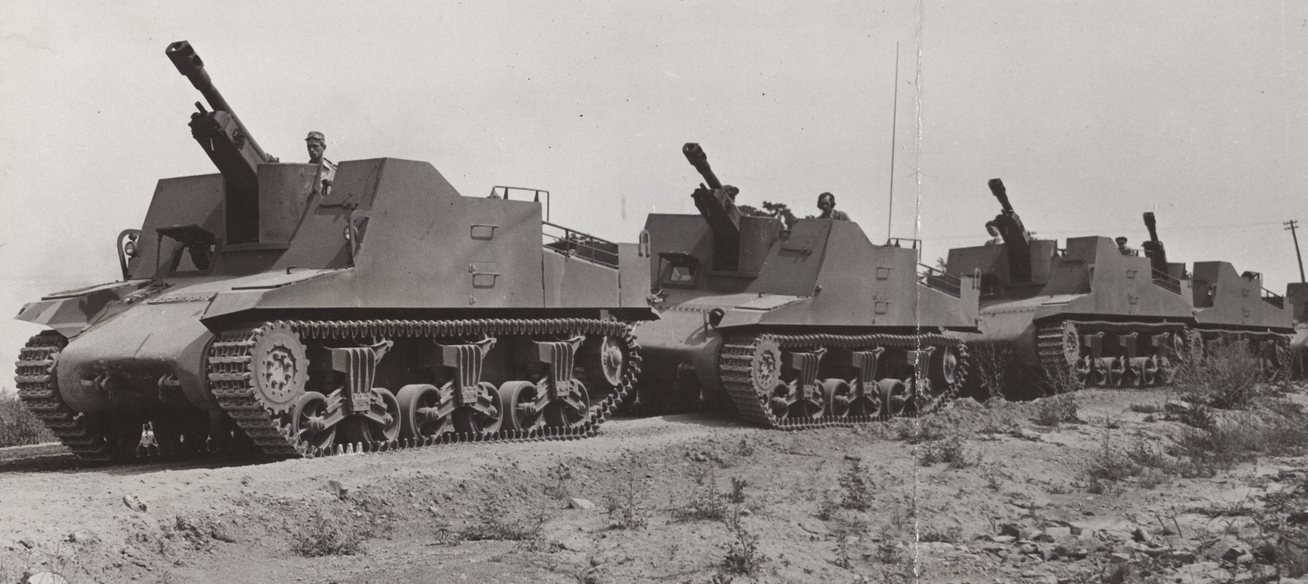
Canada / United Kingdom / World War II
Self-Propelled Artillery · Self-propelled howitzer
The Sexton paired Canadian armored-vehicle production with the British 25-pounder, giving Commonwealth armored formations a mobile artillery system that used their standard field gun and ammunition.
Read the profile →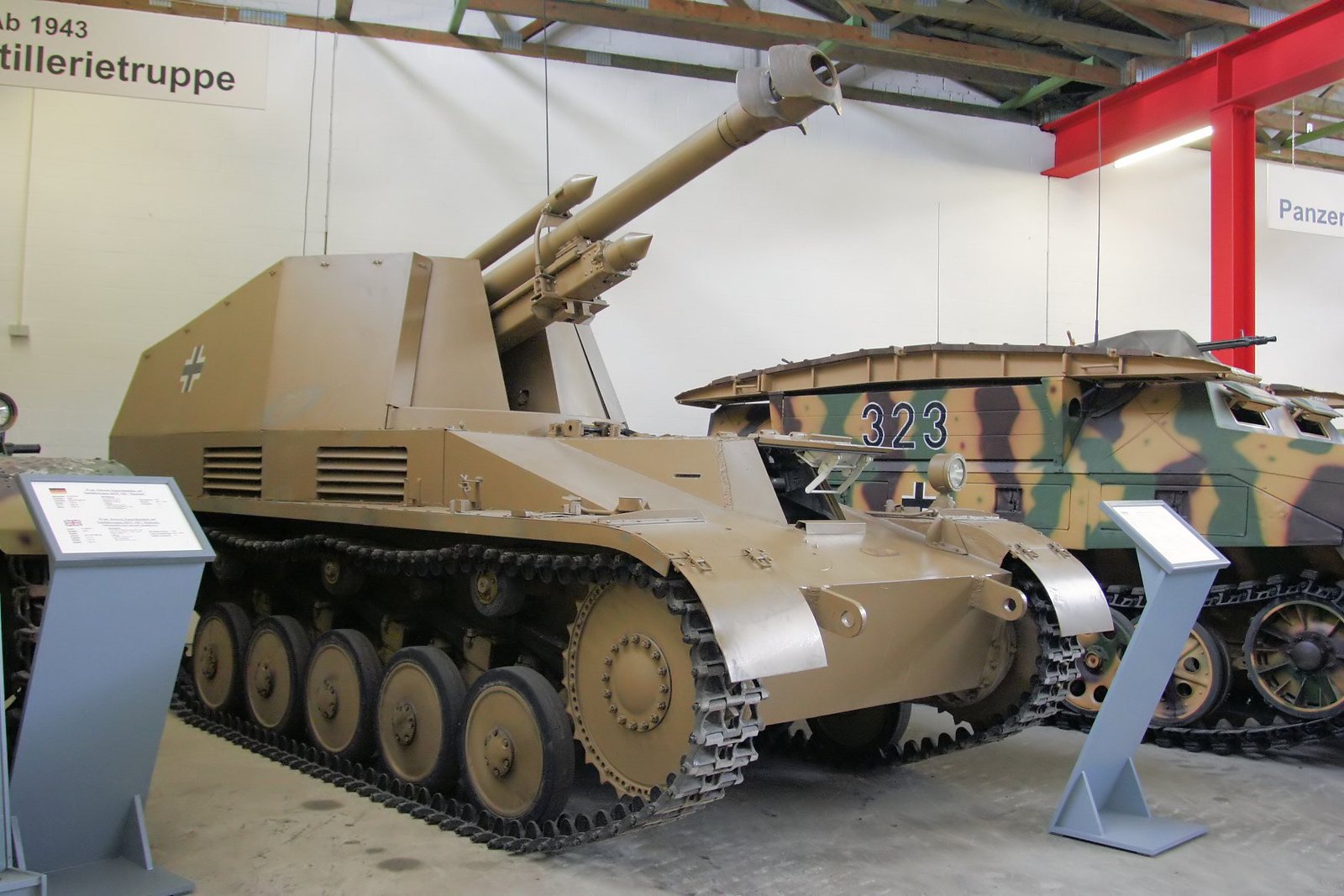
Germany / World War II
Self-Propelled Artillery · Self-propelled howitzer
The Wespe gave German panzer divisions a compact 105 mm self-propelled howitzer on a modified Panzer II chassis, trading armor for mobility and rapid production.
Read the profile →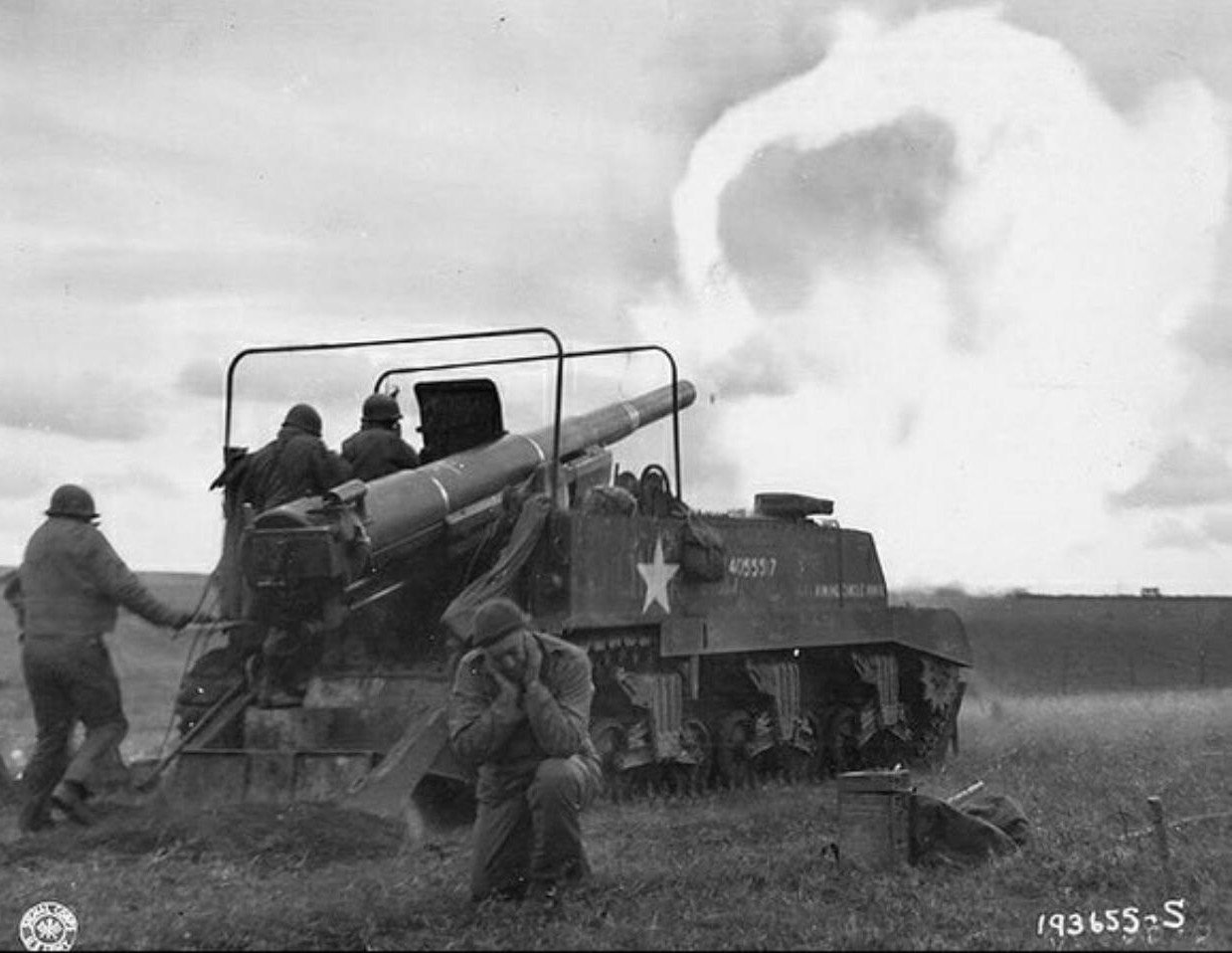
United States / World War II
Self-Propelled Artillery · Self-propelled howitzer / gun
The M12 mounted a powerful 155 mm gun on a tracked chassis, giving U.S. heavy artillery a mobile weapon that could accompany the advance and rapidly reposition during the campaign in Western Europe.
Read the profile →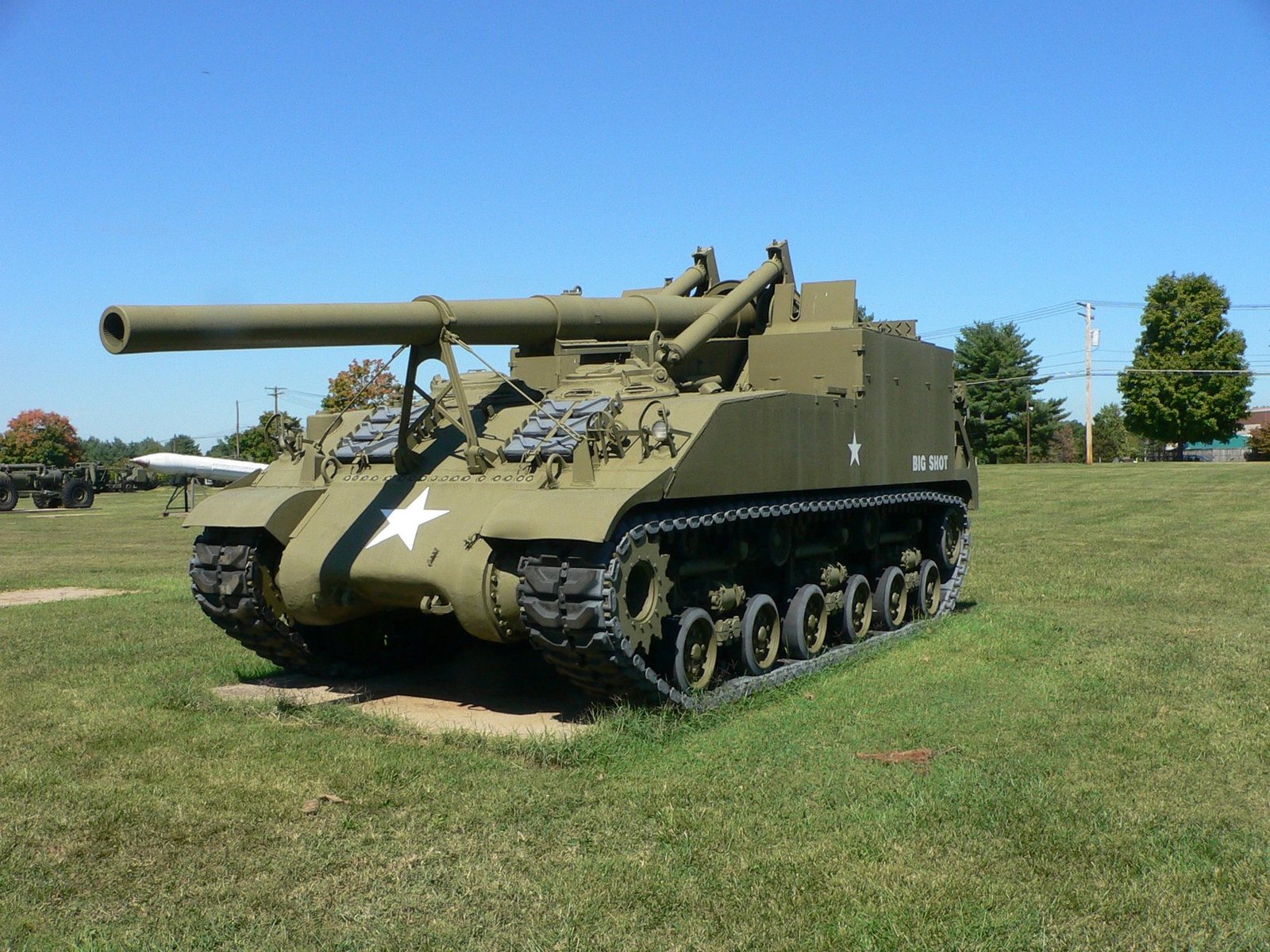
United States / World War II / Korean War
Self-Propelled Artillery · Self-propelled howitzer / gun
The M40 and M43 were the U.S. Army’s late-war heavy self-propelled artillery family, using a common Sherman-derived chassis for either a 155 mm gun or an 8-inch howitzer.
Read the profile →
United States / Cold War
Self-Propelled Artillery · Self-propelled howitzer / gun
The M53 and M55 were a common-chassis heavy artillery pair: the M53 carried a 155 mm gun and the M55 an 8-inch howitzer in a large armored rear turret.
Read the profile →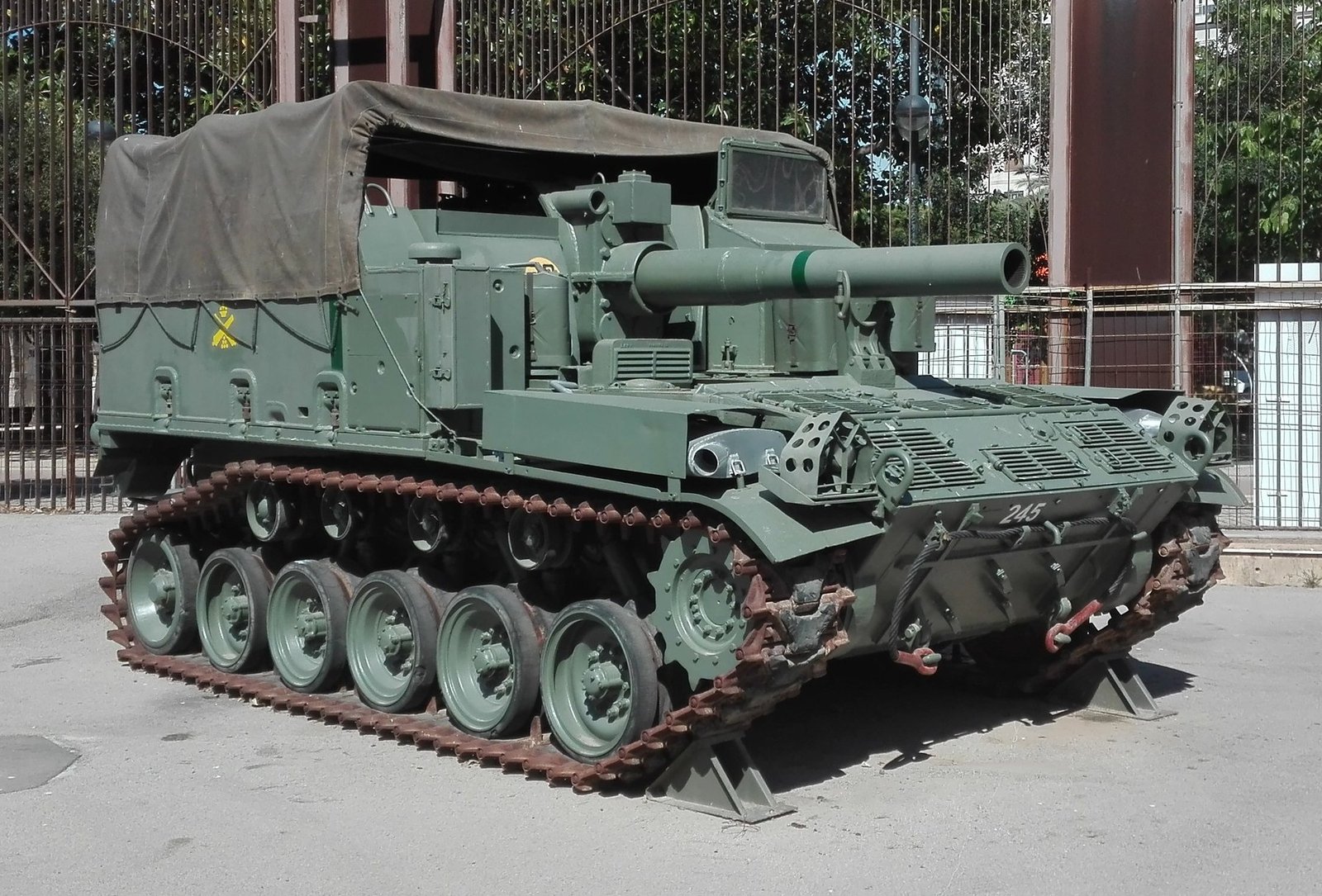
United States / Cold War
Self-Propelled Artillery · Self-propelled howitzer / gun
The M44 was an early Cold War U.S. 155 mm self-propelled howitzer intended to replace wartime systems with a more compact artillery vehicle suited to mechanized formations.
Read the profile →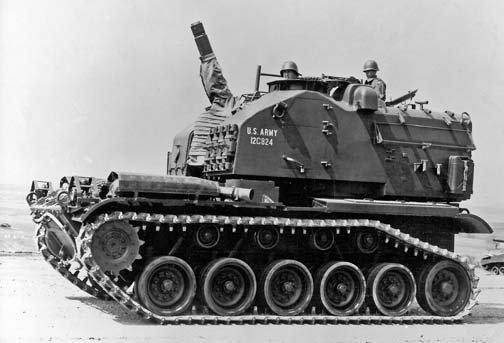
United States / Cold War
Self-Propelled Artillery · Self-propelled howitzer / gun
The M52 put a 105 mm howitzer in a fully enclosed rotating turret on a light-tank-derived chassis, giving Cold War mechanized forces protected mobile artillery in the lighter field-artillery class.
Read the profile →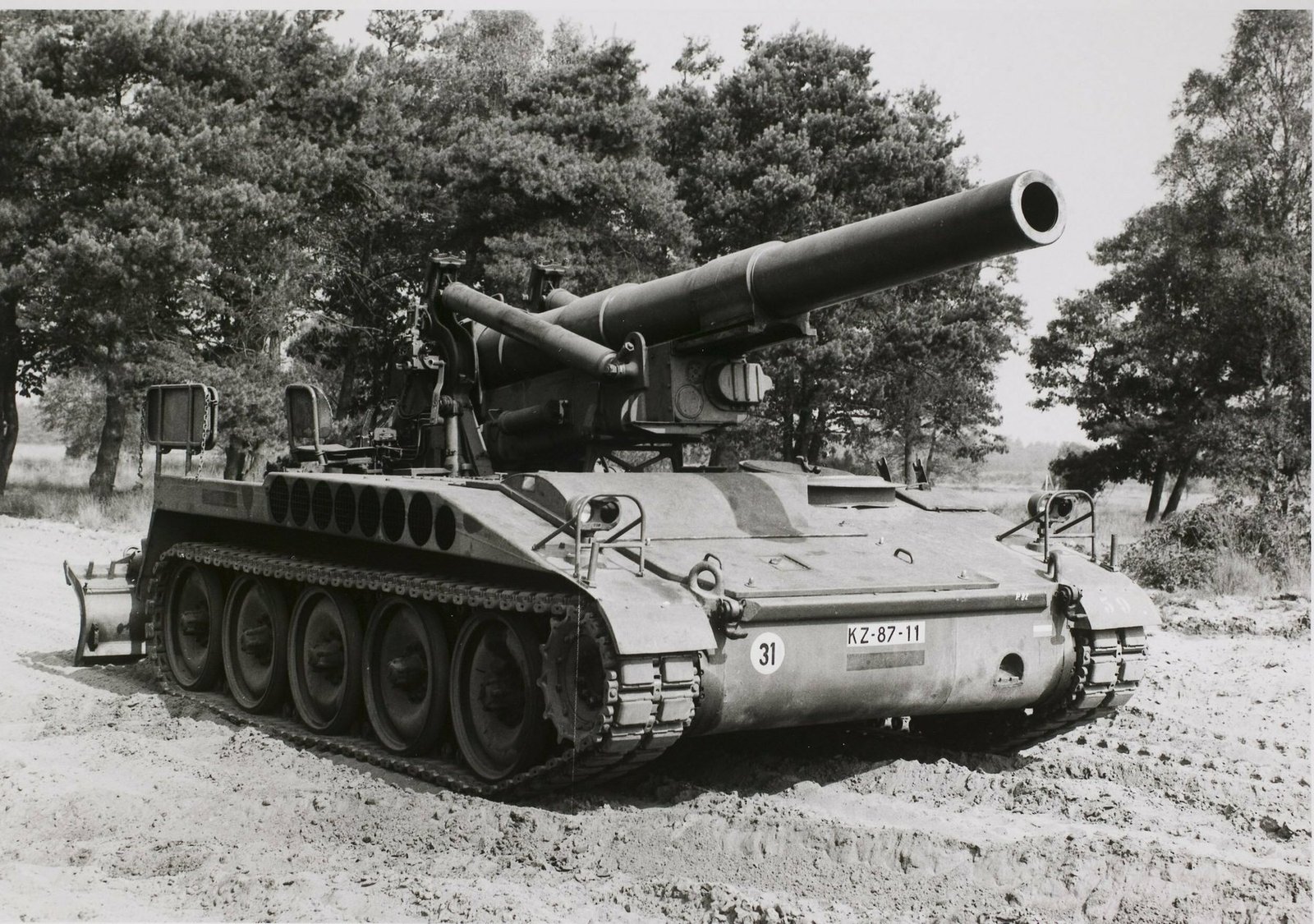
United States / Cold War
Self-Propelled Artillery · Self-propelled howitzer / gun
The M107 and M110 shared a lightweight tracked carriage but mounted different heavy weapons, giving Cold War artillery units either exceptional gun range or the destructive power of an 8-inch howitzer.
Read the profile →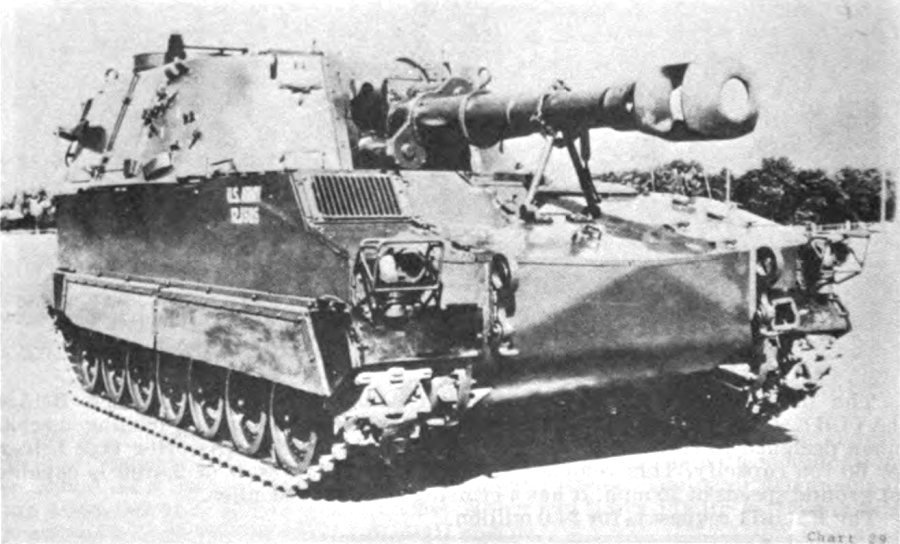
United States / Cold War / Modern
Self-Propelled Artillery · Self-propelled howitzer
The M108 and M109 emerged from a postwar U.S. requirement for mobile artillery able to accompany armored forces; the 155 mm M109 branch became the enduring family.
Read the profile →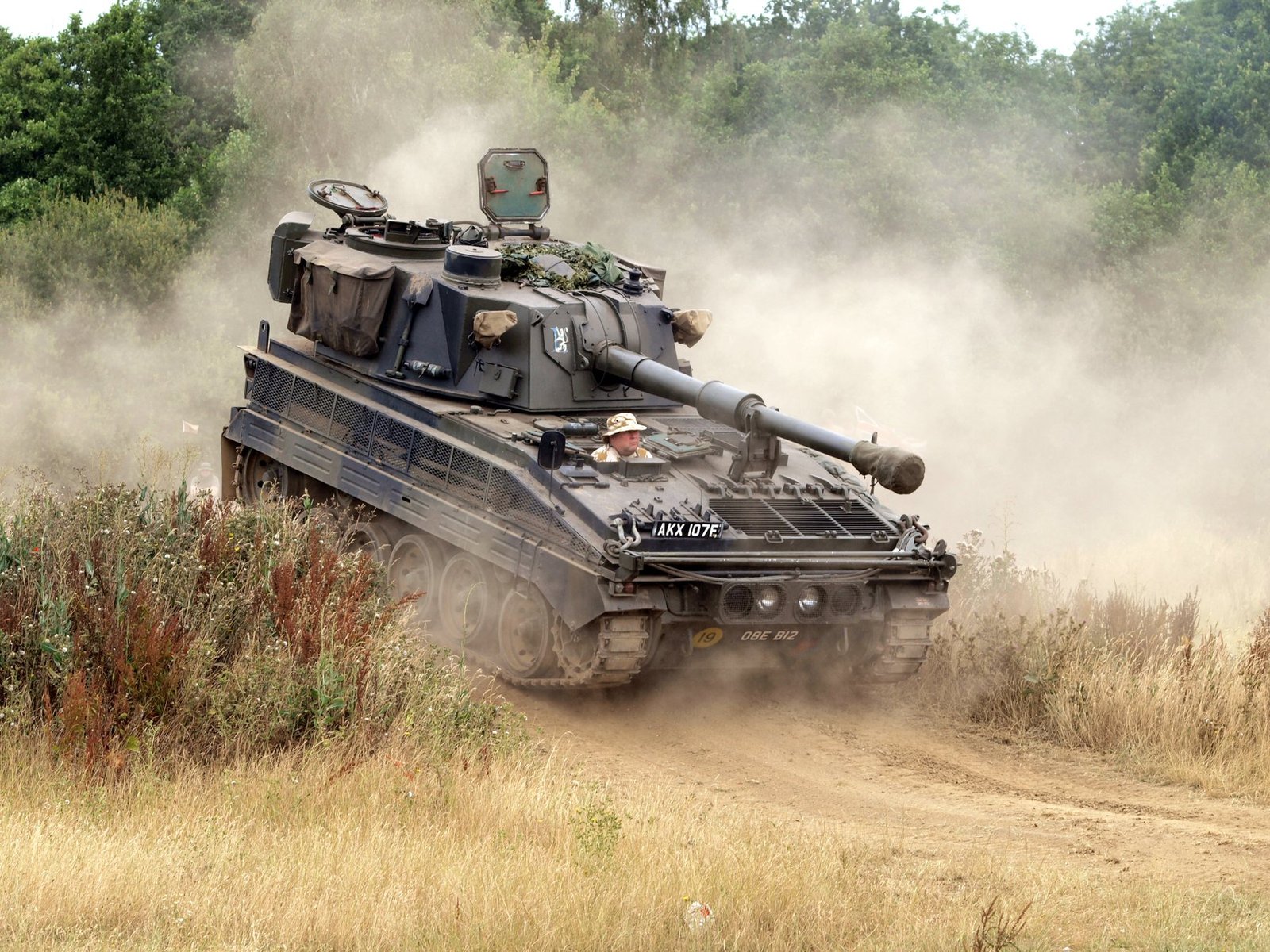
United Kingdom / Cold War
Self-Propelled Artillery · Self-propelled howitzer
The FV433 Abbot was Britain’s purpose-designed Cold War 105 mm self-propelled gun, replacing the surviving Sexton era with a compact turreted artillery vehicle for mechanized formations.
Read the profile →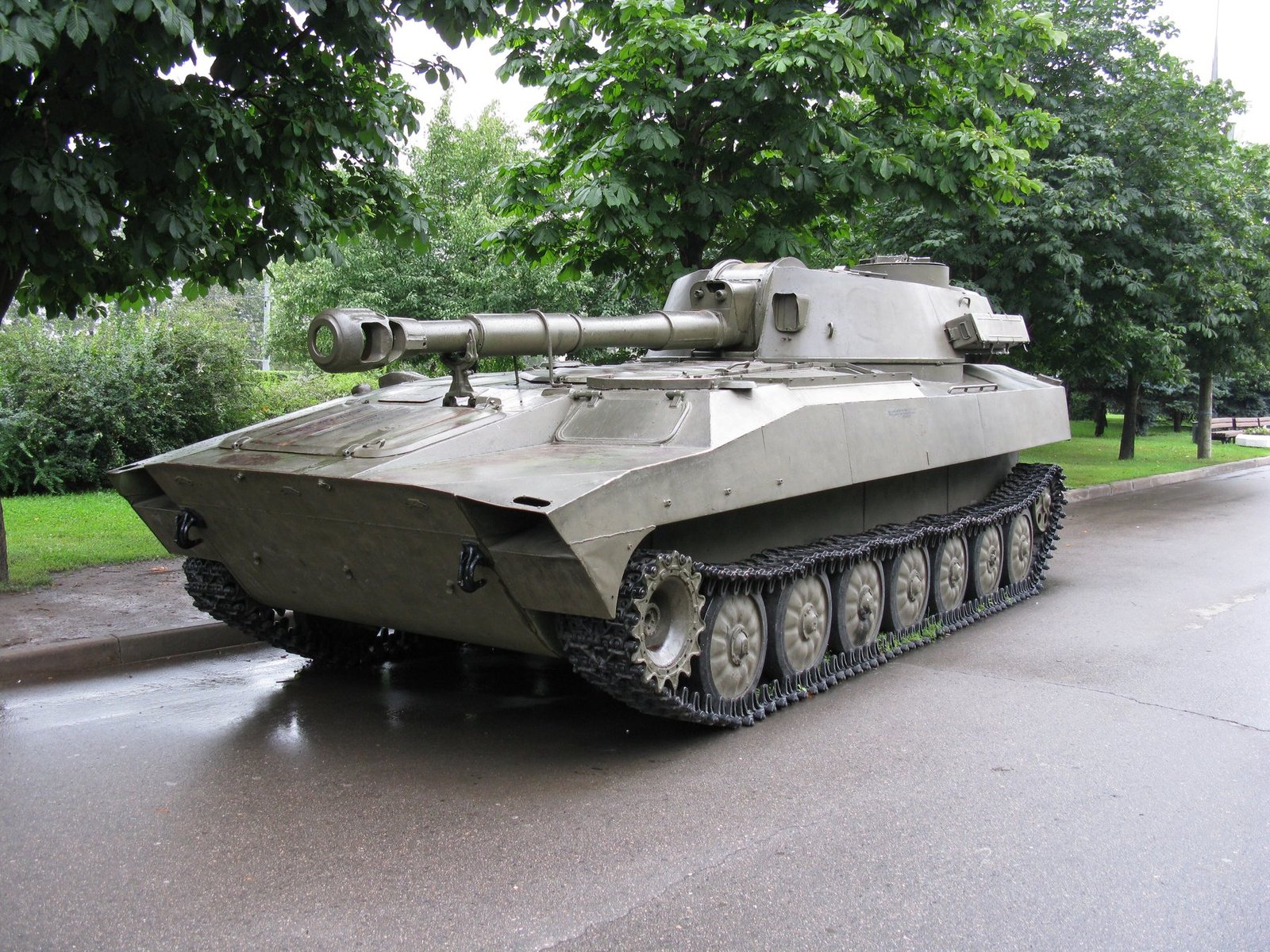
Soviet Union / Russia / Cold War / Modern
Self-Propelled Artillery · Self-propelled howitzer / mortar / gun
The 2S1 Gvozdika brought a light 122 mm self-propelled howitzer into Soviet mechanized formations on an amphibious tracked chassis closely related to the MT-LB family.
Read the profile →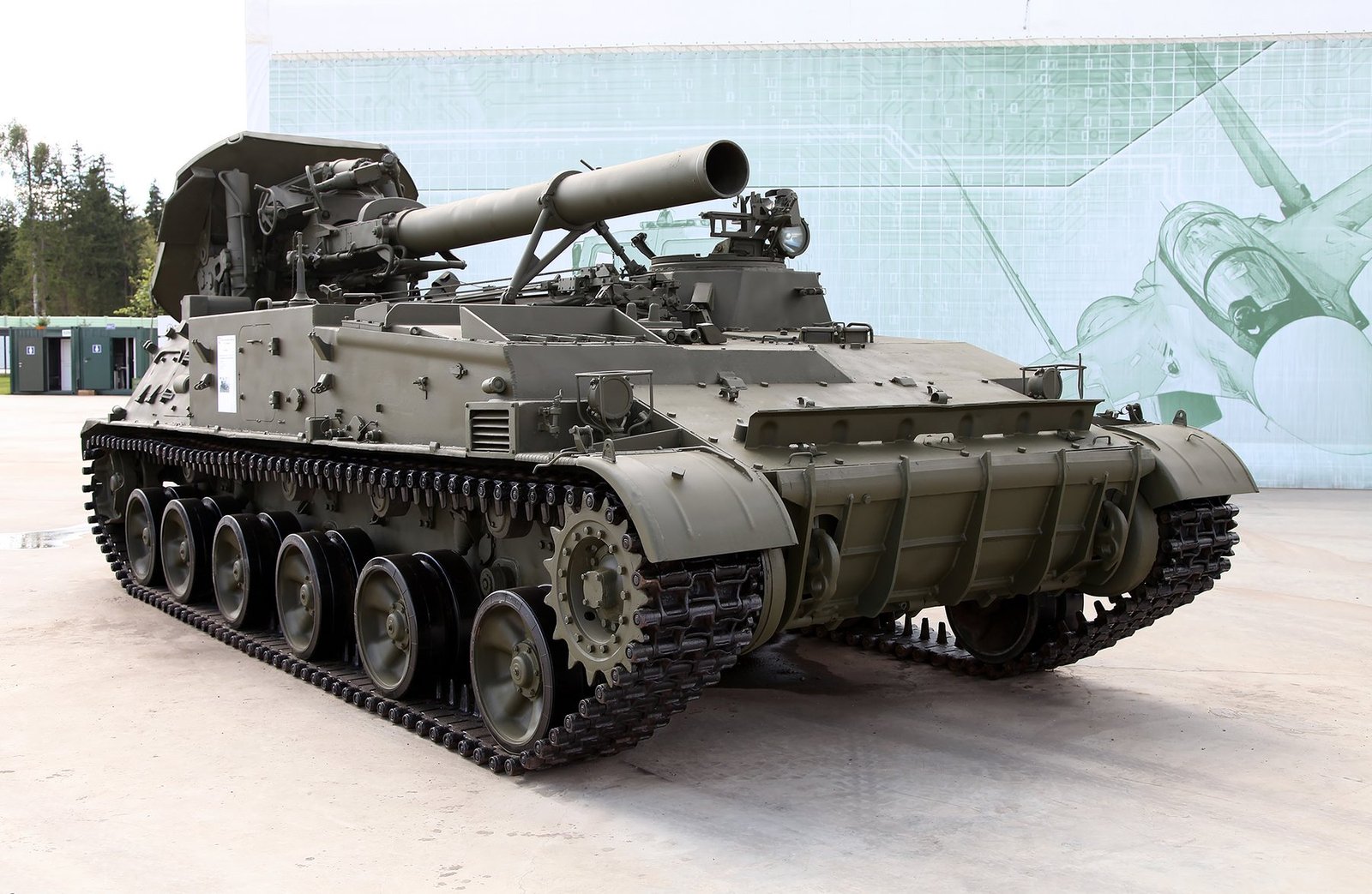
Soviet Union / Russia / Cold War / Modern
Self-Propelled Artillery · Self-propelled howitzer / mortar / gun
The 2S4 Tyulpan is an exceptionally heavy self-propelled mortar designed to deliver large 240 mm bombs against fortified positions and other targets requiring effects beyond conventional divisional artillery.
Read the profile →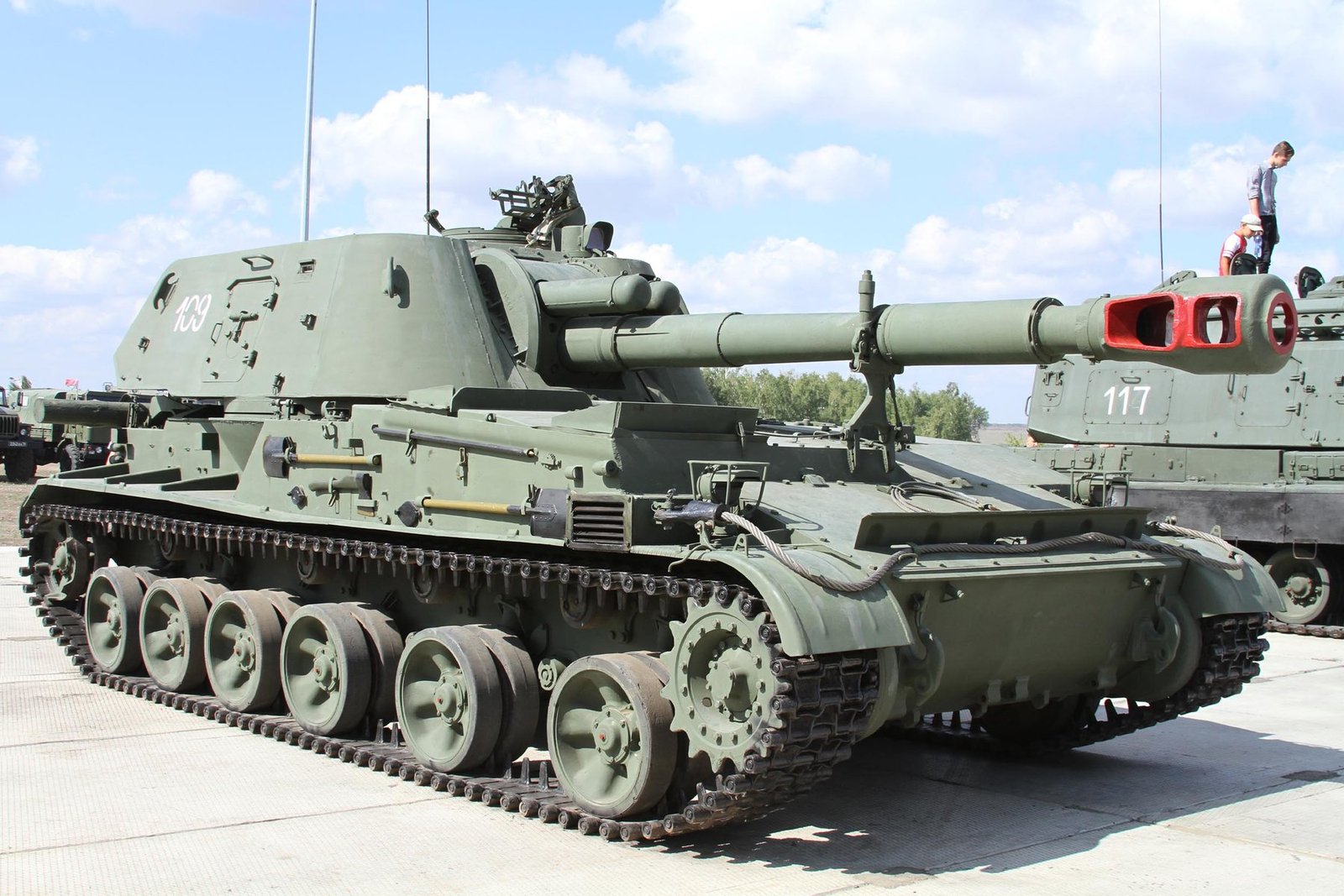
Soviet Union / Russia / Cold War / Modern
Self-Propelled Artillery · Self-propelled howitzer / mortar / gun
The 2S3 Akatsiya was the Soviet Union’s principal 152 mm divisional self-propelled howitzer of the Cold War, pairing a turreted gun with tracked mobility for mechanized operations.
Read the profile →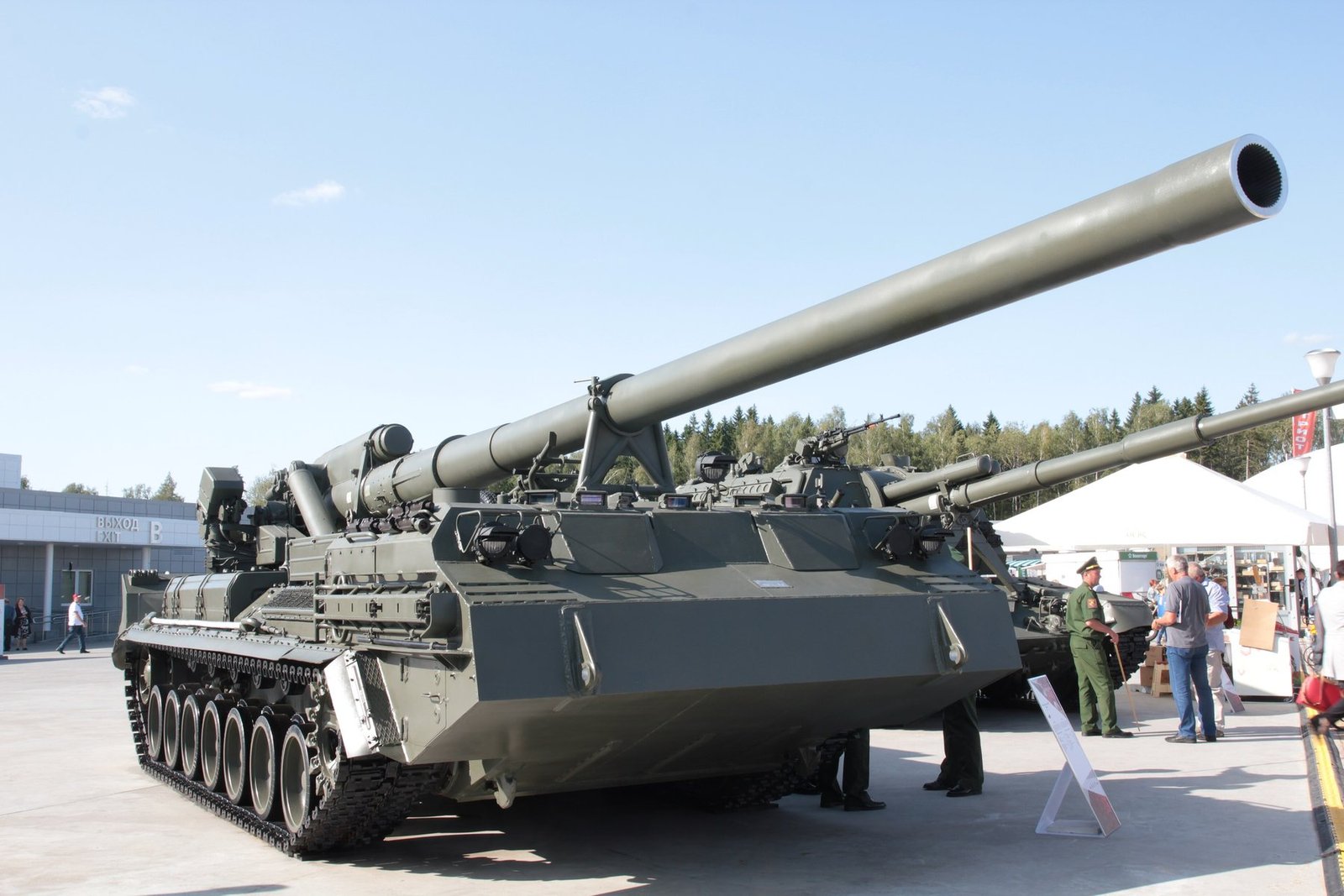
Soviet Union / Russia / Cold War / Modern
Self-Propelled Artillery · Self-propelled howitzer / mortar / gun
The 2S7 Pion is the Soviet Union’s massive 203 mm self-propelled gun, later modernized as the 2S7M Malka for long-range heavy fire at operational depth.
Read the profile →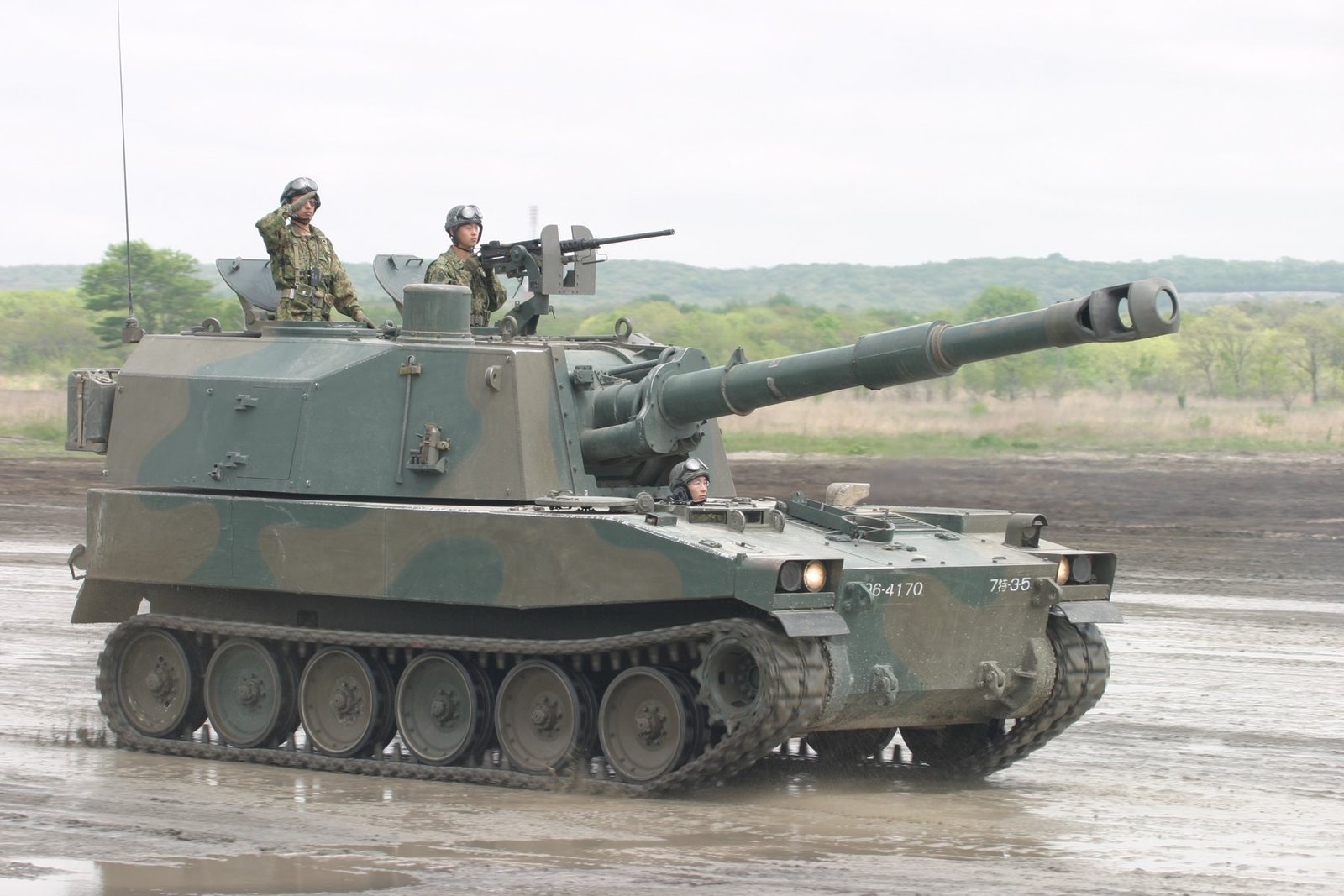
Japan / Cold War
Self-Propelled Artillery · Self-propelled howitzer
The Type 75 was Japan’s first postwar domestically developed 155 mm self-propelled howitzer, providing the Ground Self-Defense Force with tracked mobile artillery for Cold War defense.
Read the profile →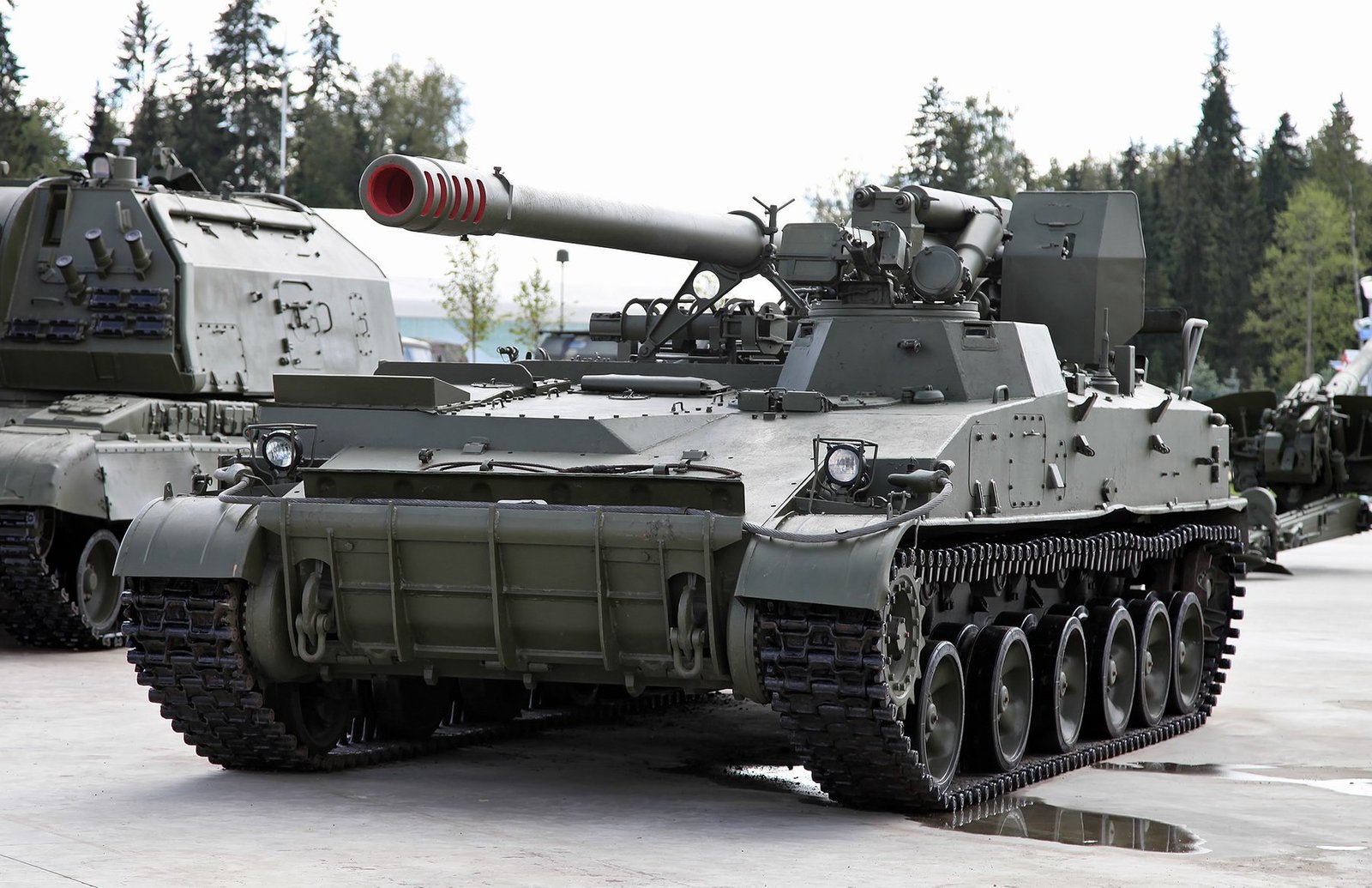
Soviet Union / Russia / Cold War / Modern
Self-Propelled Artillery · Self-propelled howitzer / mortar / gun
The 2S5 Giatsint-S was built around a long-range 152 mm gun rather than a turreted howitzer, giving Soviet higher-level artillery a mobile weapon optimized for reach and counterbattery fire.
Read the profile →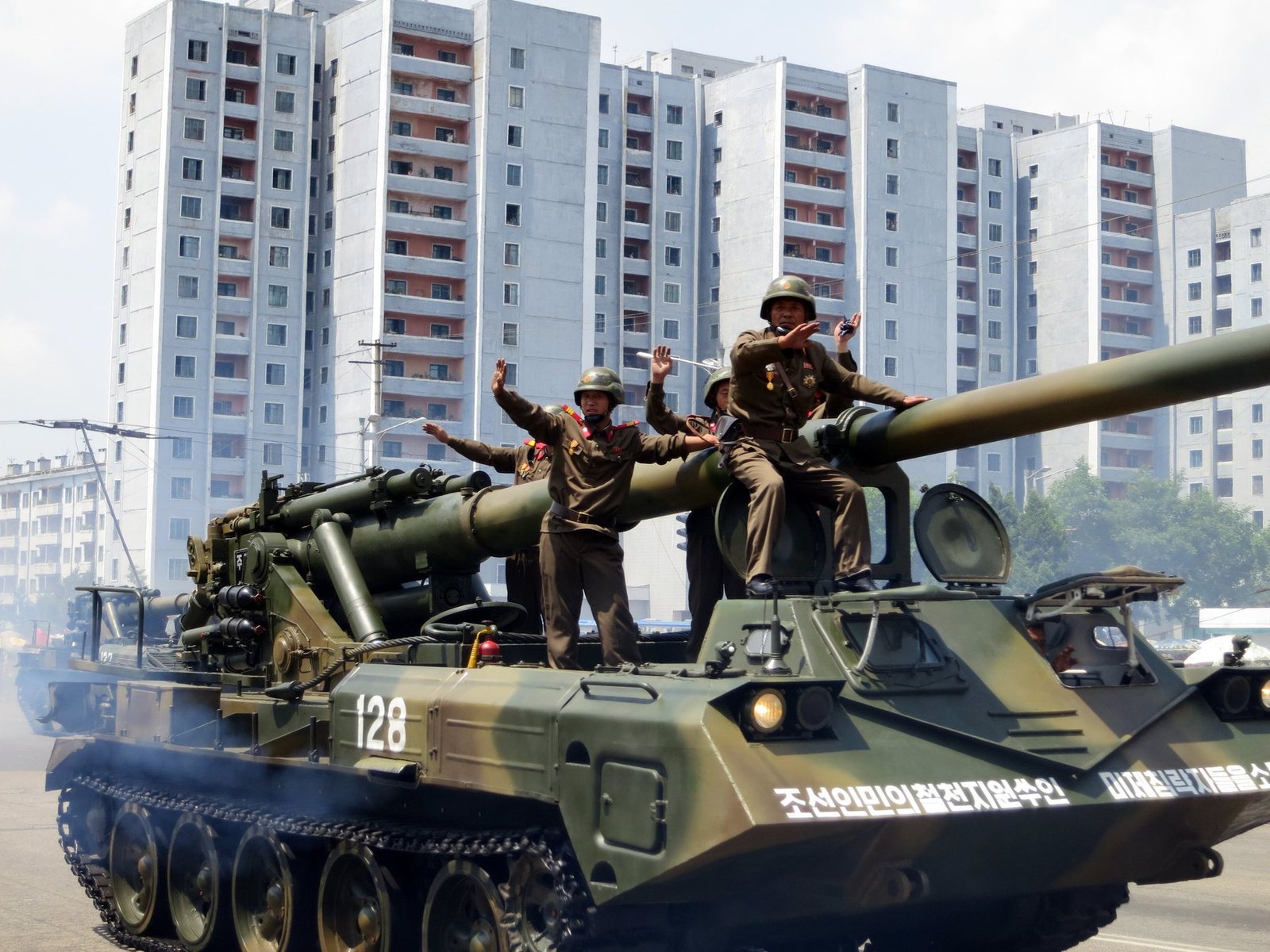
North Korea / Cold War / Modern
Self-Propelled Artillery · Self-propelled gun
The systems known in the West as M-1978 and M-1989 Koksan are North Korean 170 mm self-propelled guns designed for unusually long-range artillery missions.
Read the profile →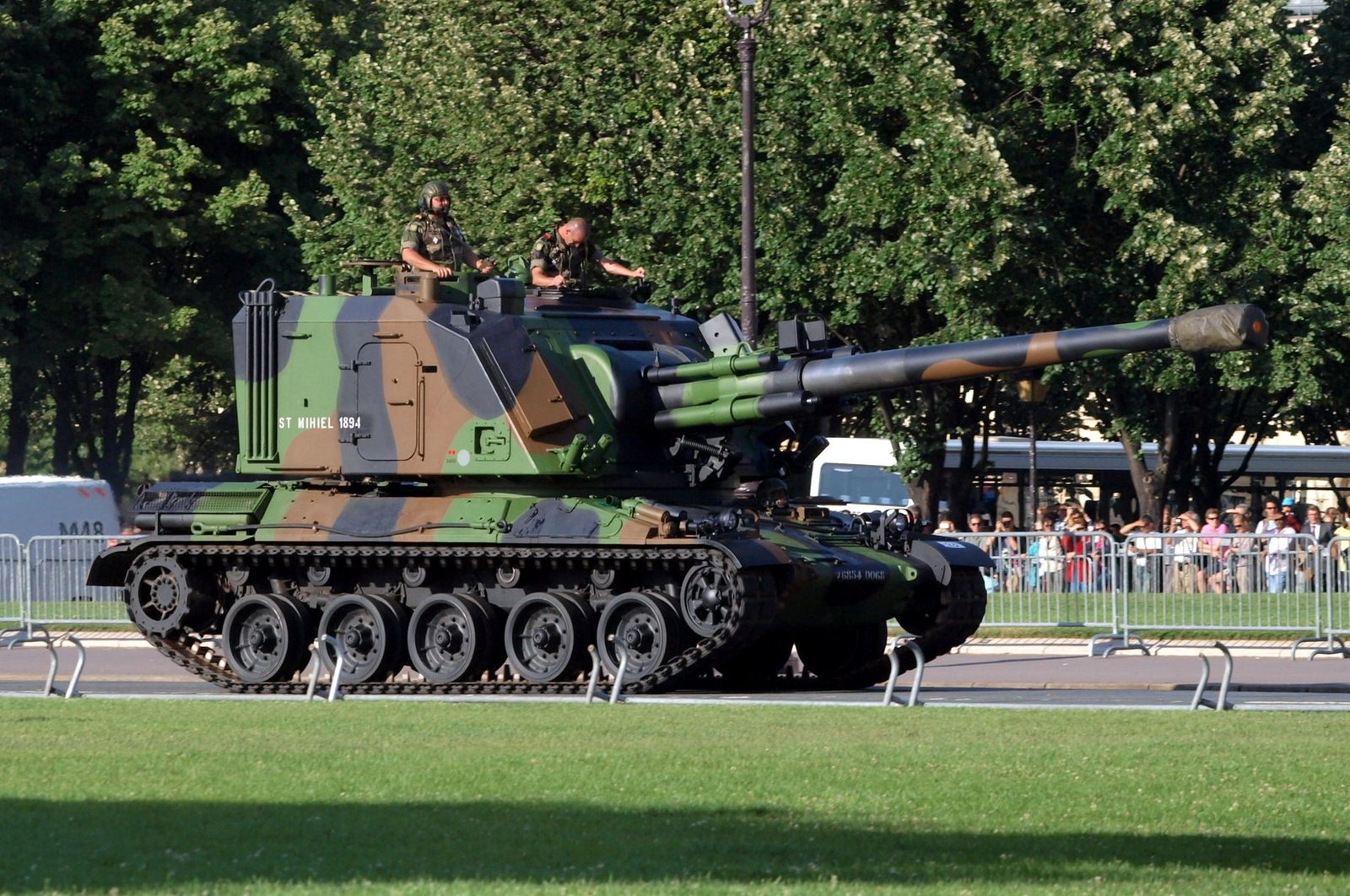
France / Cold War / Modern
Self-Propelled Artillery · Self-propelled howitzer
The French AuF1 placed a 155 mm automated artillery turret on the AMX-30 chassis, giving mechanized formations a protected tracked howitzer with substantial onboard ammunition and high tactical mobility.
Read the profile →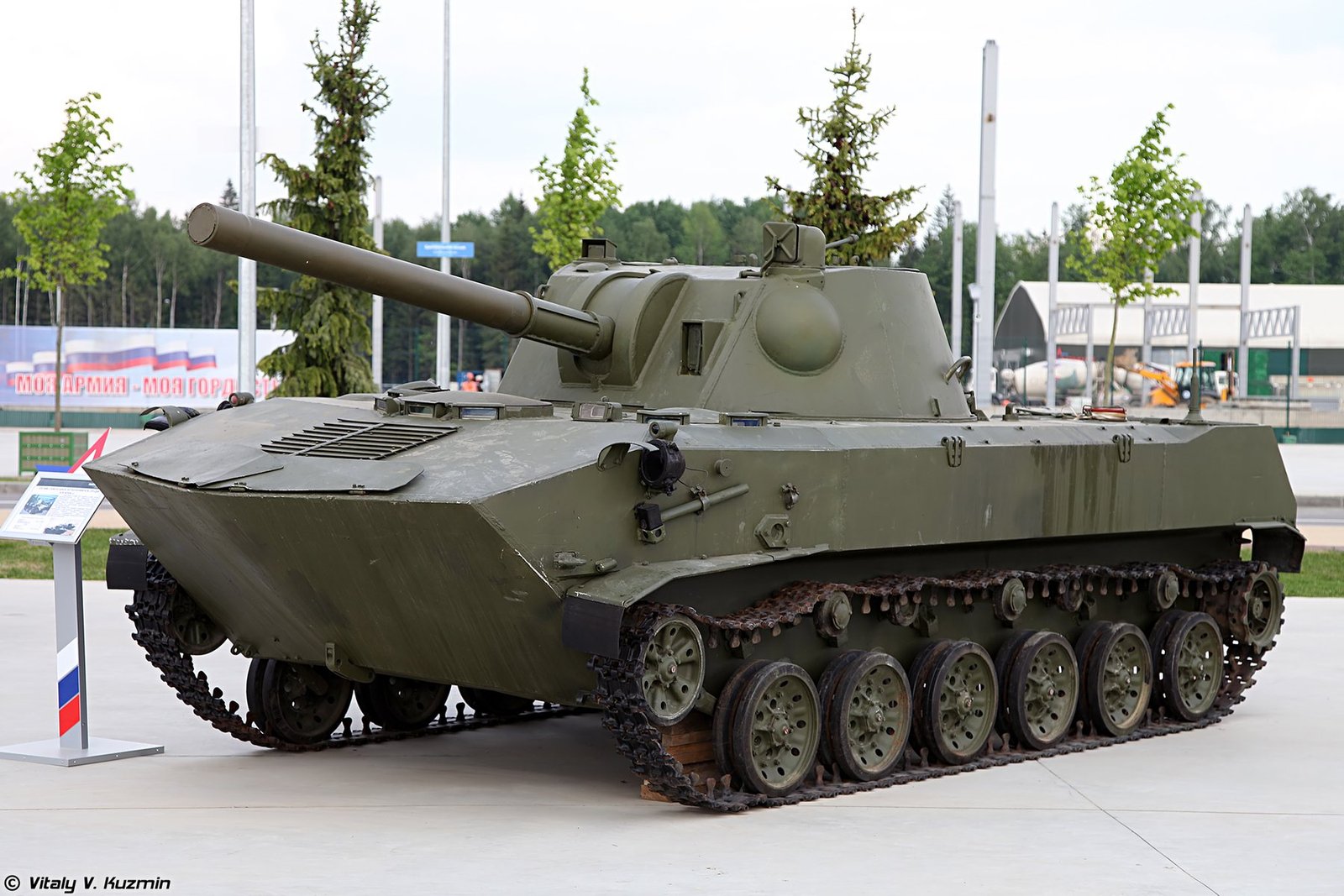
Soviet Union / Russia / Cold War / Modern
Self-Propelled Artillery · Self-propelled howitzer / mortar / gun
The 2S9 Nona-S gave Soviet airborne forces an air-droppable tracked artillery vehicle whose 120 mm gun-mortar could fire both mortar bombs and specialized artillery projectiles.
Read the profile →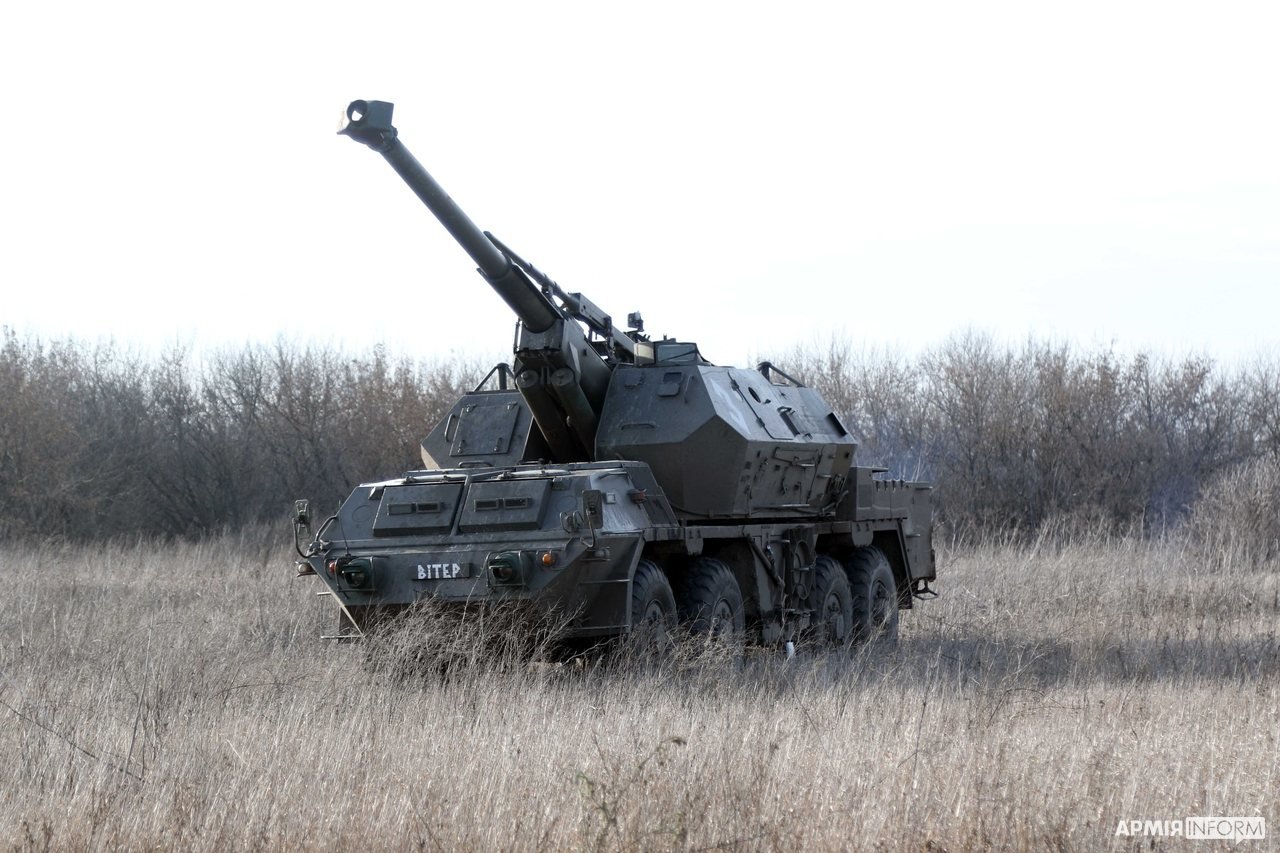
Czechoslovakia / Slovakia / Cold War / Modern
Self-Propelled Artillery · Wheeled armored self-propelled howitzer
The DANA and Zuzana family made Czechoslovakia and later Slovakia early leaders in heavy wheeled self-propelled artillery, combining a Tatra 8×8 chassis with an armored turret.
Read the profile →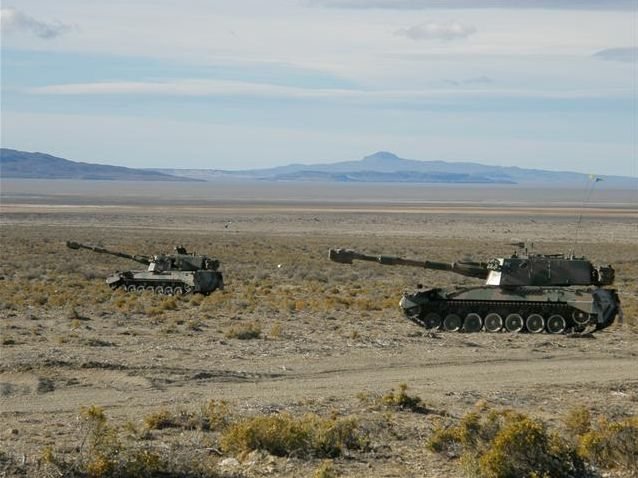
Italy / Cold War
Self-Propelled Artillery · Self-propelled howitzer
Palmaria was an Italian export-oriented 155 mm self-propelled howitzer that combined a large turreted gun system with a tracked chassis and automated loading assistance.
Read the profile →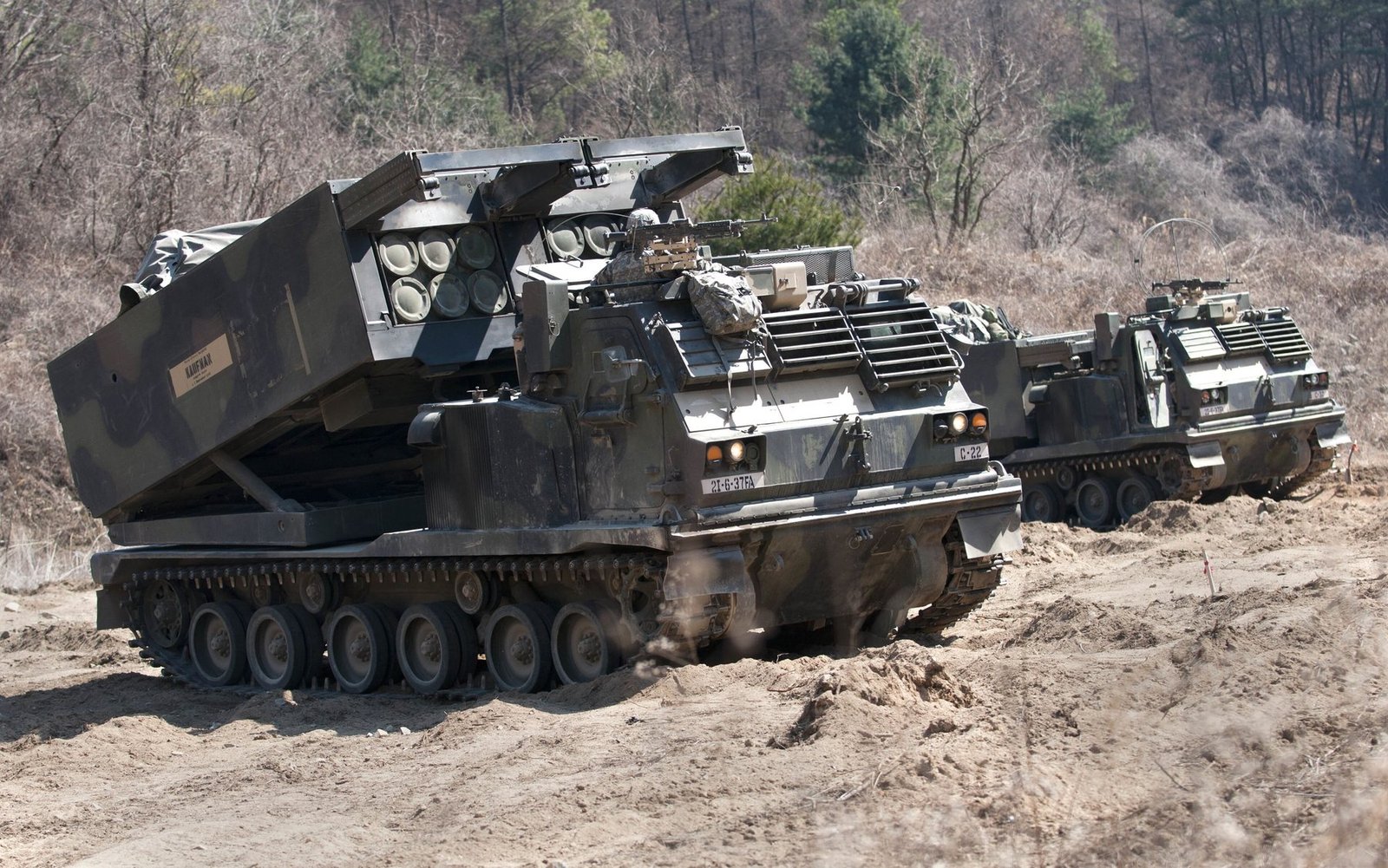
United States / Cold War / Modern
Self-Propelled Artillery · Armored tracked rocket artillery
The M270 Multiple Launch Rocket System gave NATO armies a tracked armored launcher able to deliver massed rockets and, later, precision-guided rockets and tactical missiles from the same modular launcher.
Read the profile →China / Cold War / Modern
Self-Propelled Artillery · Self-propelled howitzer
The PLZ-83 gave China a domestically produced turreted 152 mm self-propelled howitzer broadly comparable in role to contemporary Soviet divisional artillery systems.
Read the profile →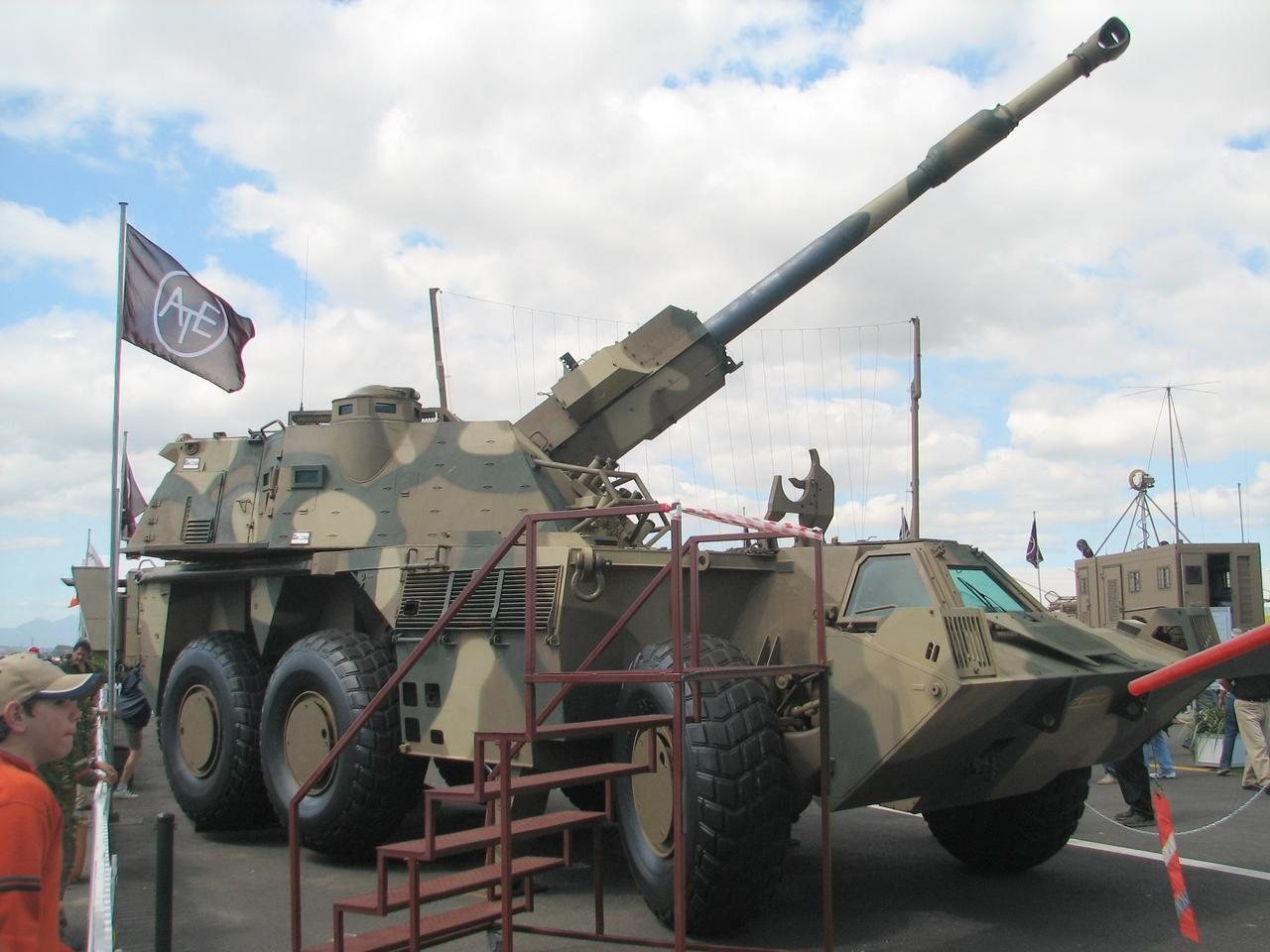
South Africa / Cold War / Modern
Self-Propelled Artillery · Wheeled armored self-propelled howitzer
South Africa’s G6 combined a long-range 155 mm gun with a heavily armored six-wheeled chassis, creating one of the Cold War’s most distinctive self-propelled artillery systems.
Read the profile →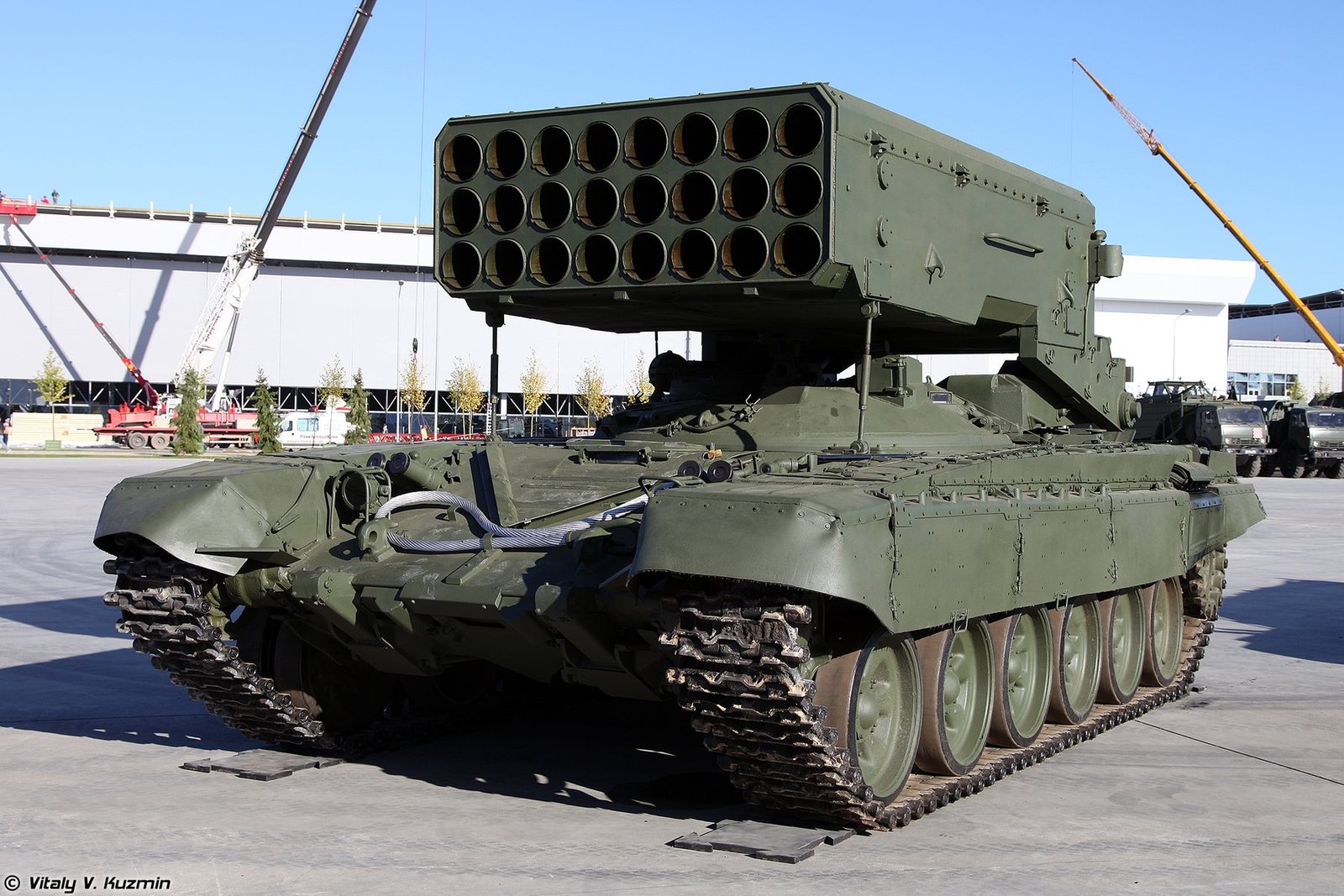
Soviet Union / Russia / Cold War / Modern
Self-Propelled Artillery · Armored tracked rocket artillery
The TOS-1 family mounts a short-range heavy rocket launcher on a tank-derived armored chassis for concentrated incendiary and thermobaric fire against fortified positions and area targets.
Read the profile →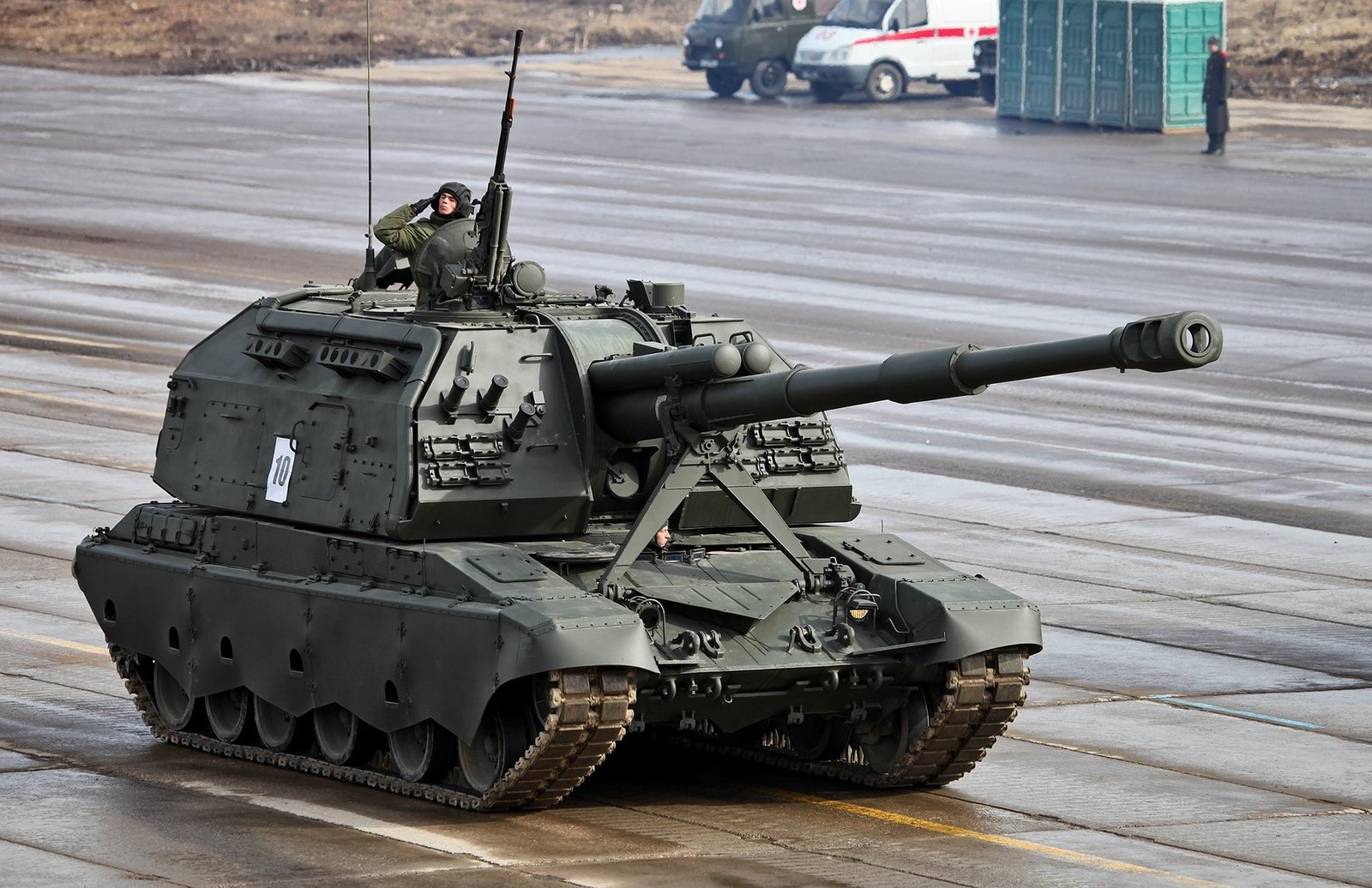
Soviet Union / Russia / Cold War / Modern
Self-Propelled Artillery · Self-propelled howitzer / mortar / gun
The 2S19 Msta-S replaced the 2S3 as the Soviet and later Russian standard 152 mm tracked howitzer, combining a long-range gun with greater automation and modernized fire control.
Read the profile →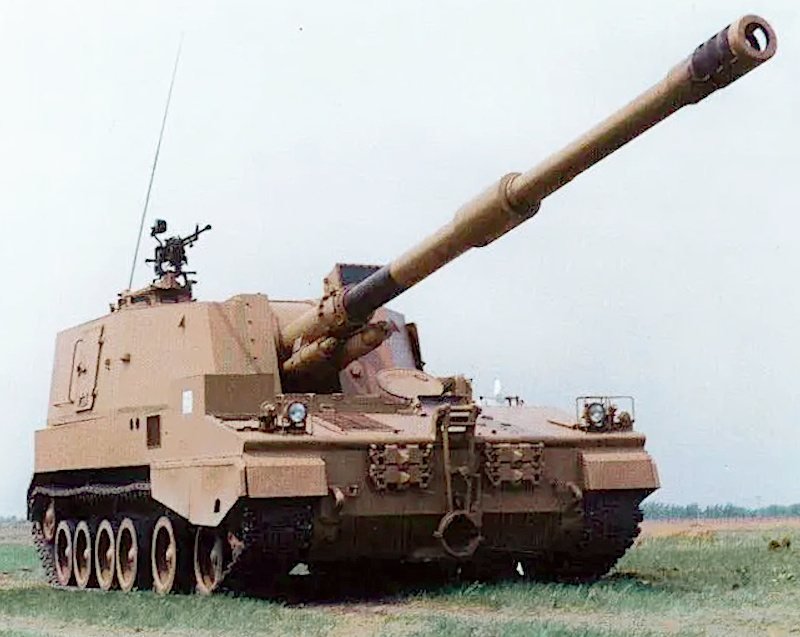
China / Cold War / Modern
Self-Propelled Artillery · Self-propelled howitzer
The PLZ-45 moved Chinese self-propelled artillery into the NATO-standard 155 mm export market, combining a longer-range gun with modern laying and navigation systems.
Read the profile →
United Kingdom / Modern
Self-Propelled Artillery · Self-propelled howitzer
The AS-90 replaced Britain’s older Abbot and imported M109-era systems with a modern 155 mm tracked howitzer designed for Royal Artillery support of armored and mechanized formations.
Read the profile →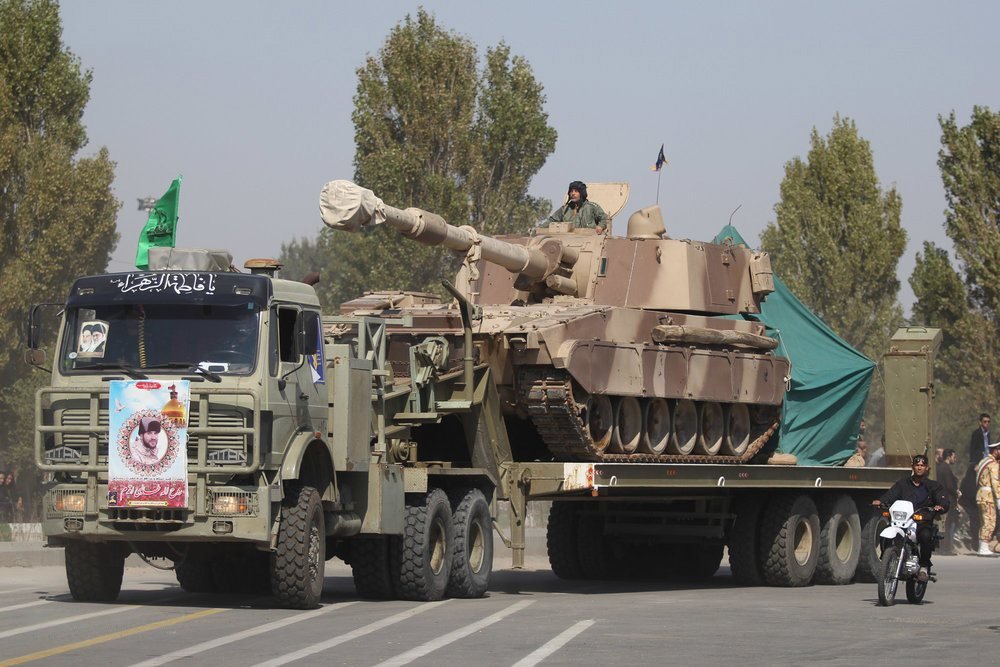
Iran / Modern
Self-Propelled Artillery · Self-propelled howitzer
Iran’s Raad-2 is a domestically developed 155 mm self-propelled howitzer that combines locally produced armored-vehicle components with a turret layout strongly influenced by the M109 family.
Read the profile →Germany / Modern
Self-Propelled Artillery · Self-propelled howitzer
The Panzerhaubitze 2000 is Germany’s modern 155 mm tracked howitzer, built around high rates of fire, long-range NATO ammunition, digital fire control, and rapid shoot-and-scoot tactics.
Read the profile →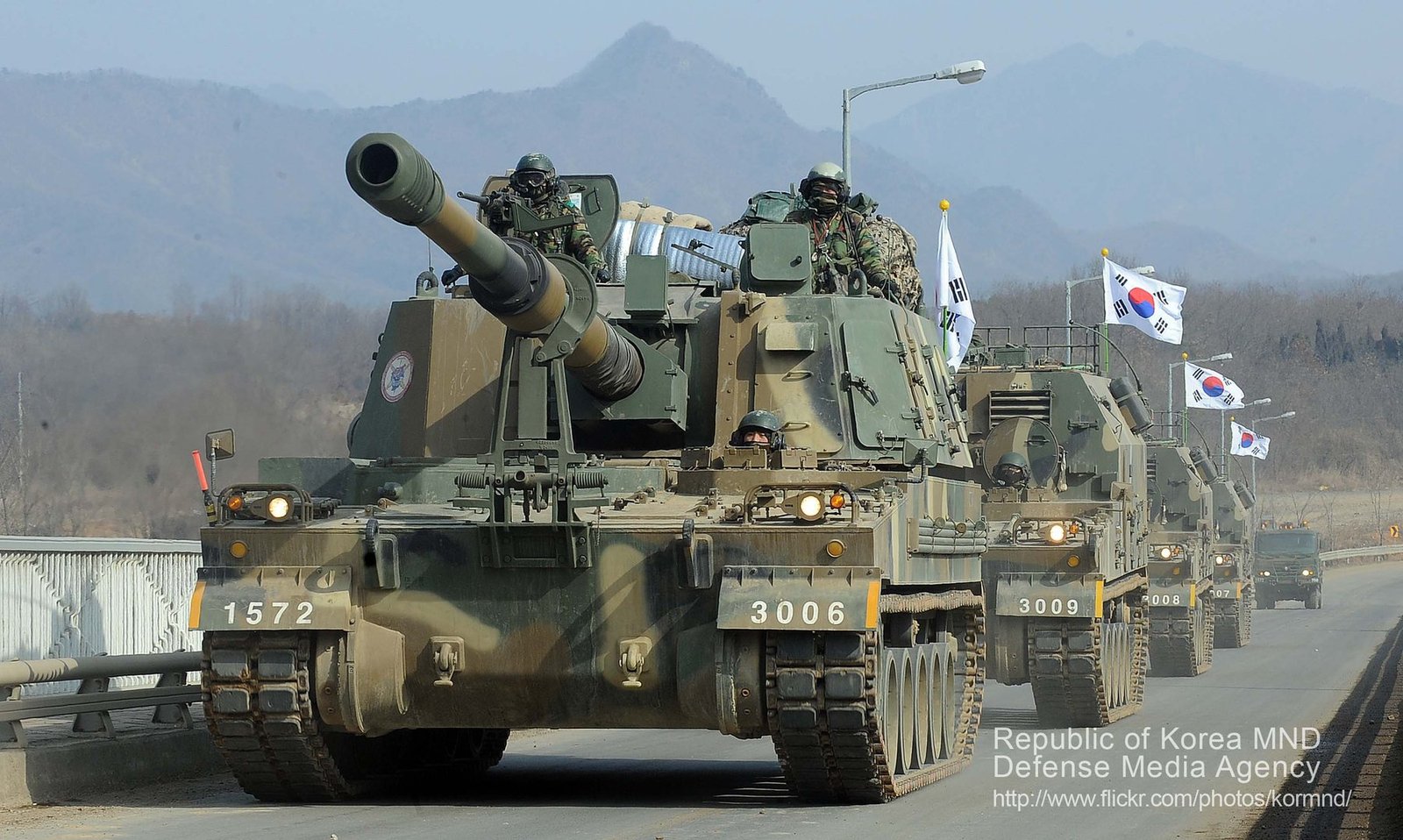
South Korea / Modern
Self-Propelled Artillery · Self-propelled howitzer
South Korea’s K9 Thunder has grown from a national 155 mm tracked howitzer into one of the world’s most widely adopted modern artillery families.
Read the profile →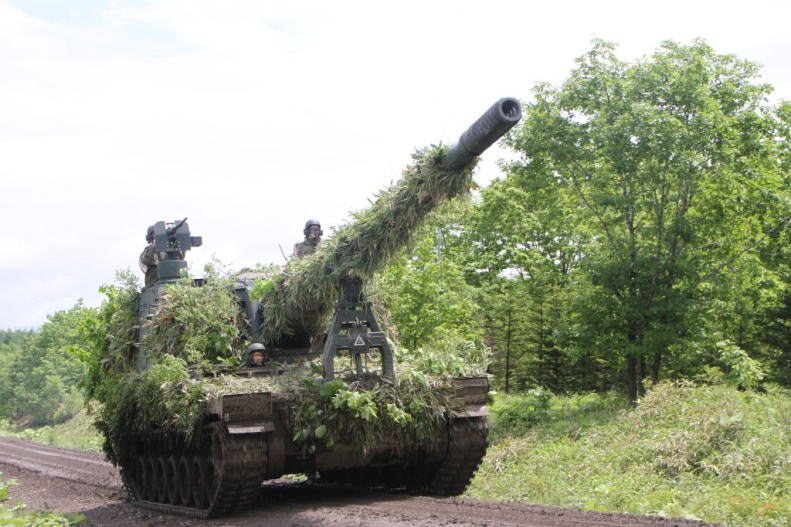
Japan / Modern
Self-Propelled Artillery · Self-propelled howitzer
The Type 99 replaced Japan’s Type 75 with a longer-ranged 155 mm tracked howitzer featuring a larger gun, greater automation, and modern fire-control integration.
Read the profile →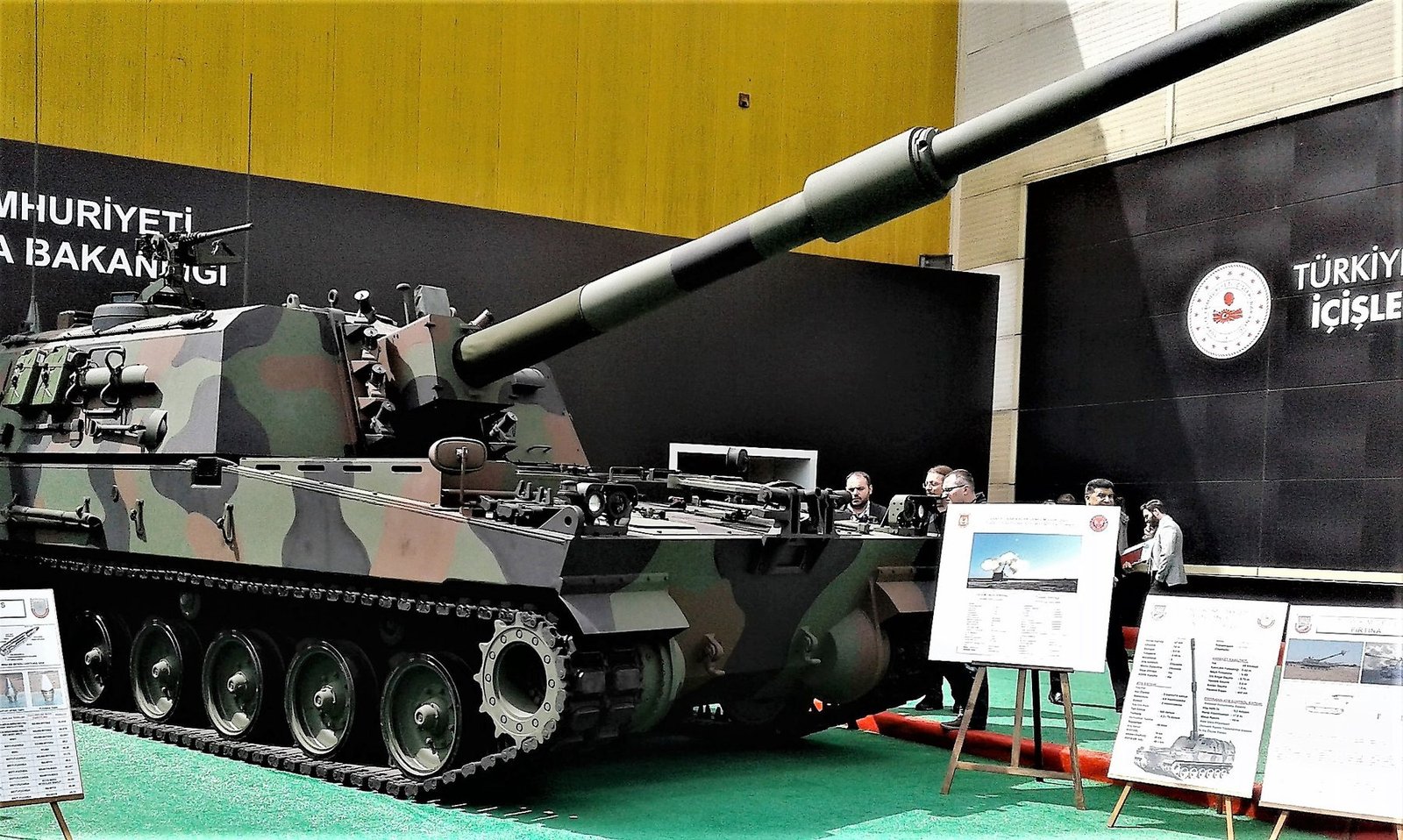
Türkiye / Modern
Self-Propelled Artillery · Self-propelled howitzer
Türkiye’s T-155 Fırtına adapts the K9 artillery architecture to Turkish requirements, combining a 155 mm/52-calibre weapon with domestic fire-control, communications, and production integration.
Read the profile →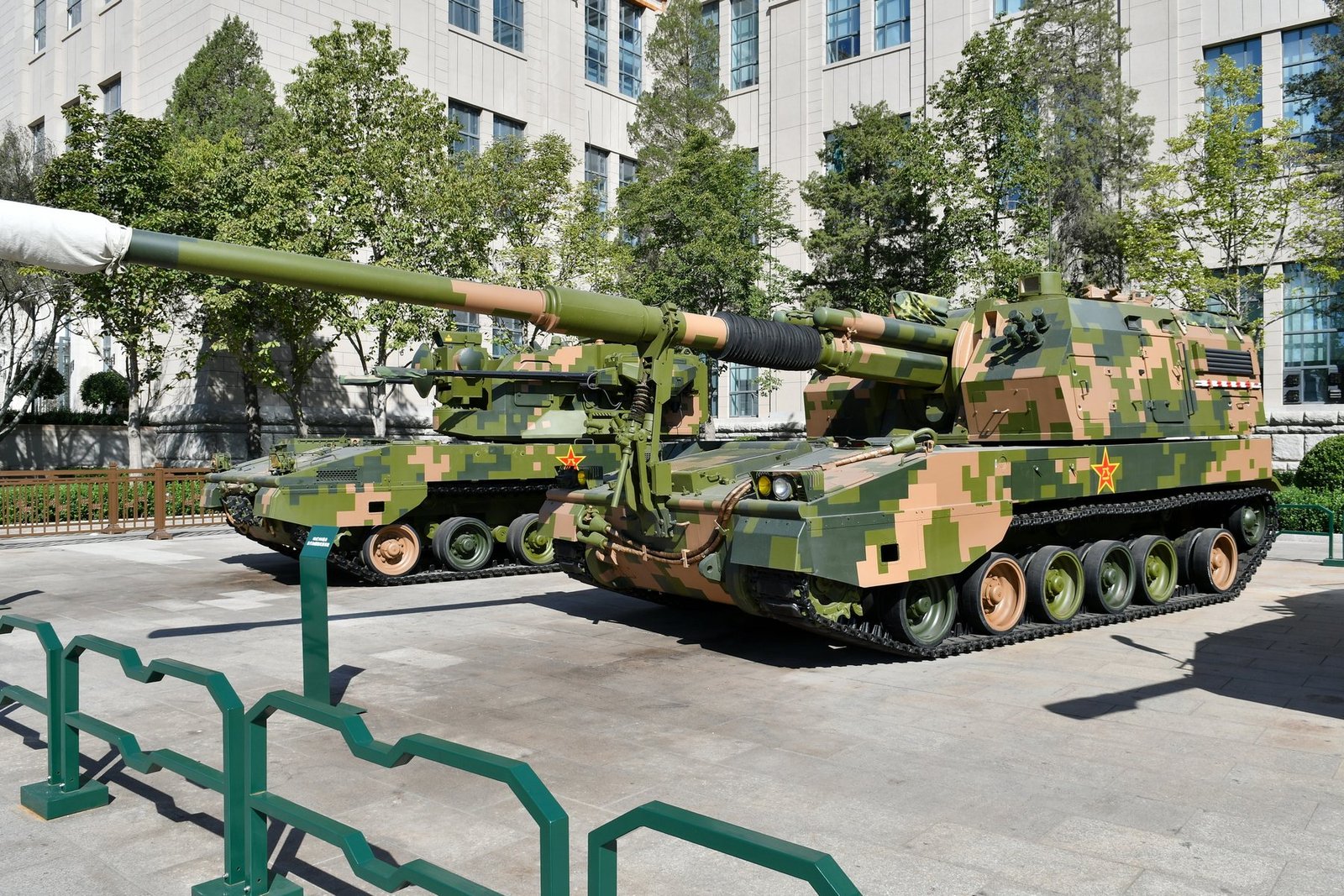
China / Modern
Self-Propelled Artillery · Self-propelled howitzer
The PLZ-05 is China’s modern heavy tracked 155 mm howitzer family, combining long-range fire with automation and digital fire-control features for PLA artillery brigades.
Read the profile →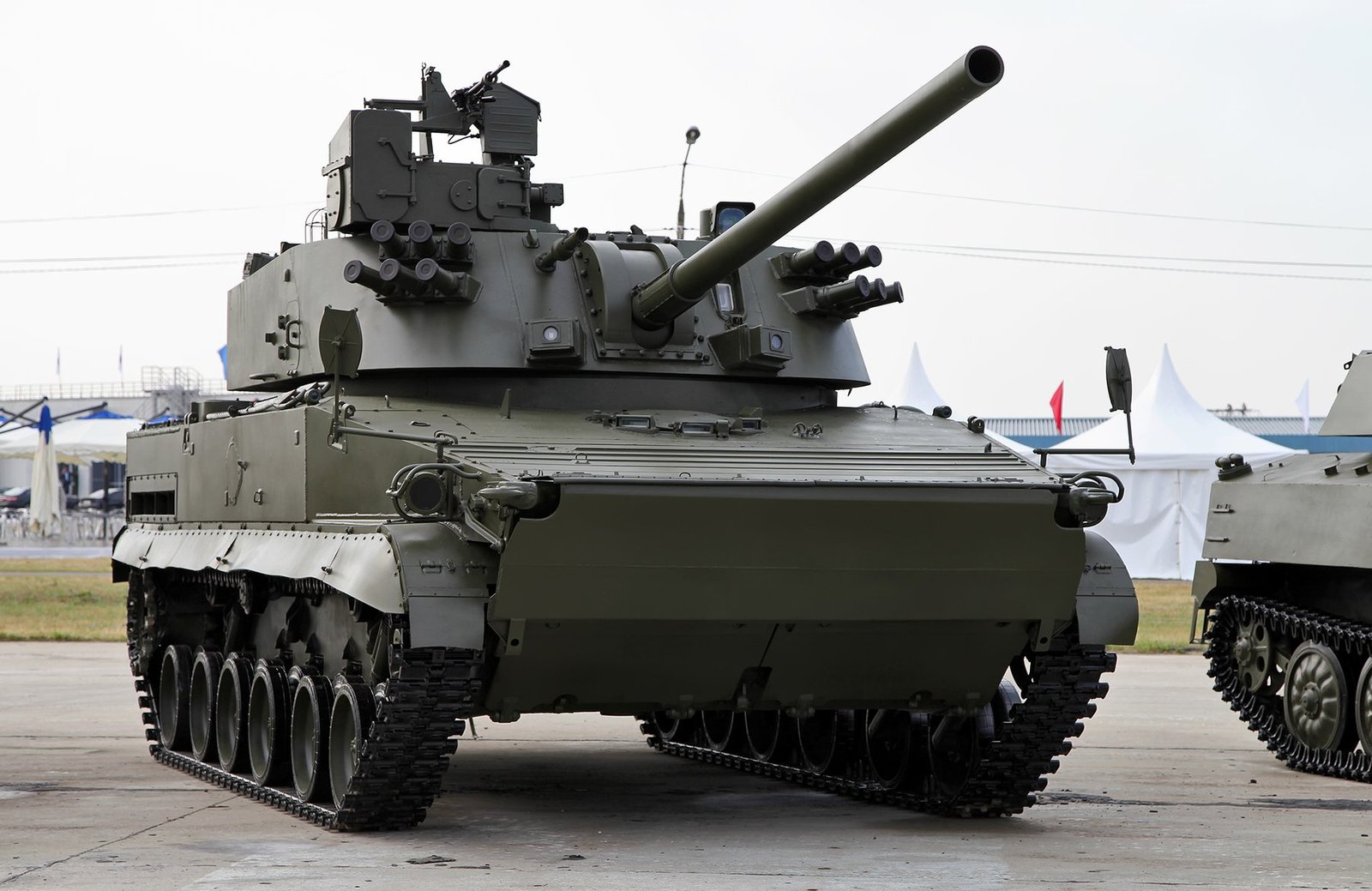
Russia / Modern
Self-Propelled Artillery · Self-propelled howitzer / mortar / gun
The 2S31 Vena combines a highly automated 120 mm gun-mortar with the BMP-3 chassis, extending the Nona concept into a more capable mechanized artillery system.
Read the profile →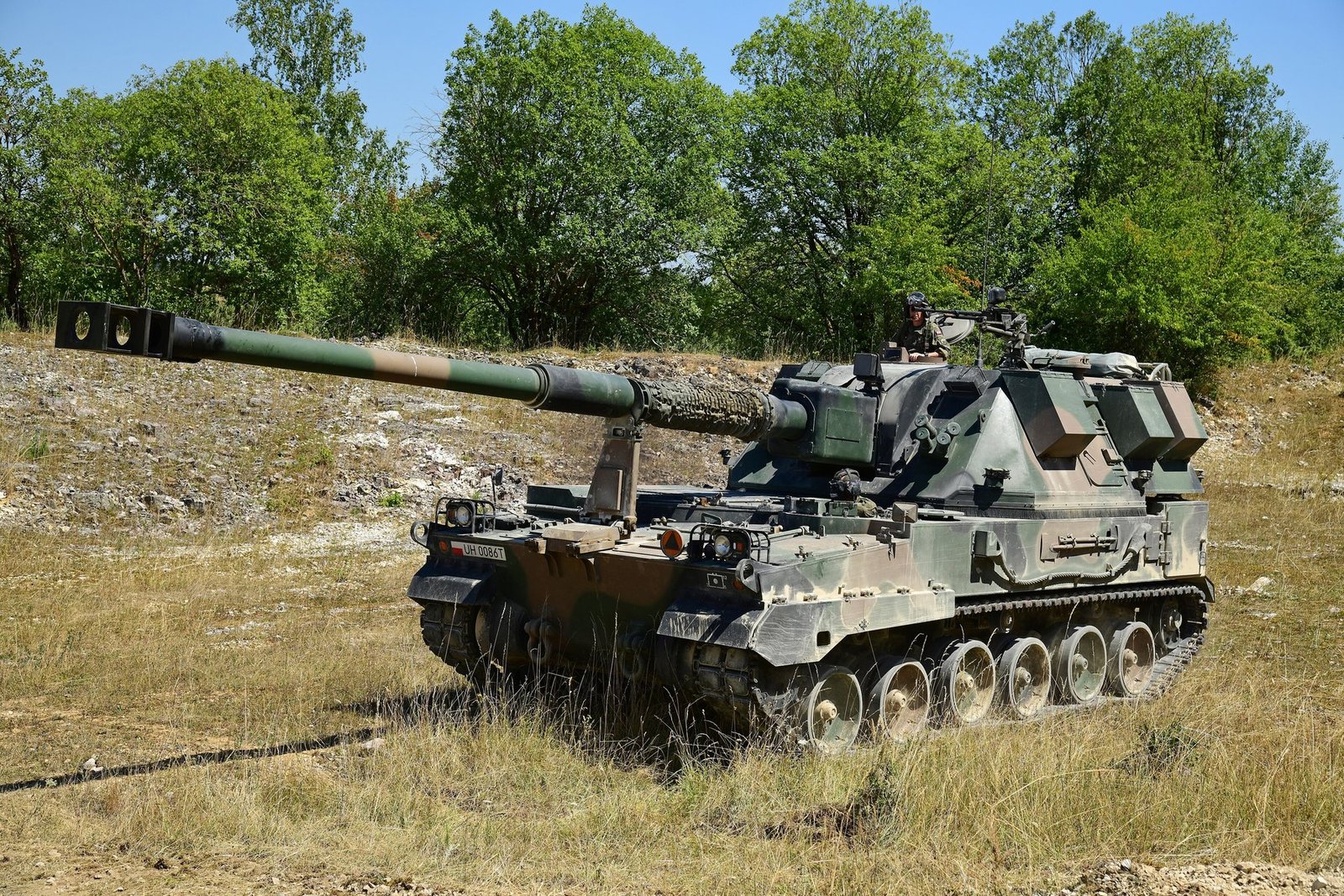
Poland / Modern
Self-Propelled Artillery · Self-propelled howitzer
Poland’s AHS Krab combines international artillery technologies into a national 155 mm self-propelled howitzer, most notably a K9-derived chassis with a turret lineage rooted in the British AS-90 program.
Read the profile →
Russia / Modern
Self-Propelled Artillery · Self-propelled howitzer / mortar / gun
The 2S35 Koalitsiya-SV is Russia’s next-generation 152 mm self-propelled howitzer, intended to succeed or supplement the Msta-S with greater automation, range, and rate of fire.
Read the profile →