United Kingdom / World War I
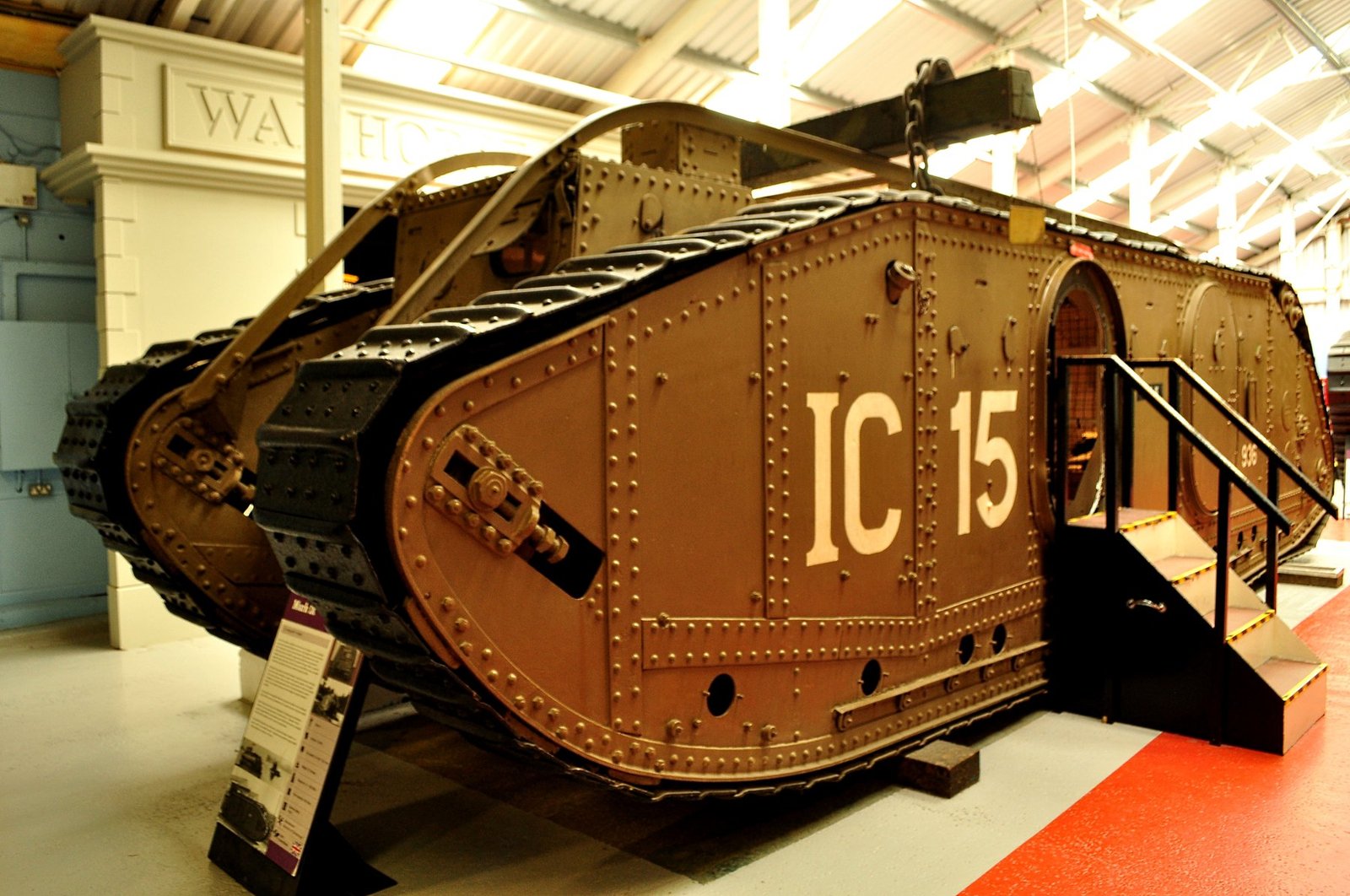
Tank, Mark IX
Armored Personnel Carrier · Tracked APC / infantry carrier
The Tank, Mark IX was designed to move infantry or supplies under armor rather than to fight as a conventional gun tank.
Read the profileProtected battlefield troop carriers whose primary purpose is moving personnel rather than fighting as the main direct-fire platform.
The Tank, Mark IX was designed to move infantry or supplies under armor rather than to fight as a conventional gun tank.
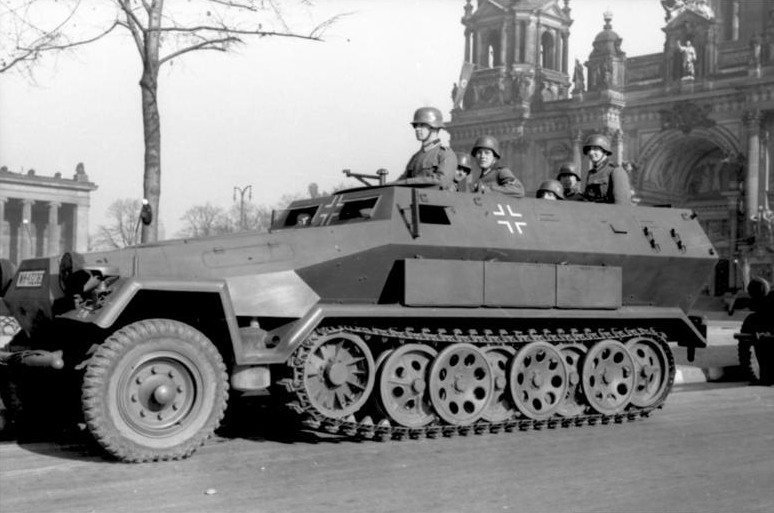
Read the profileThe Sd.Kfz. 251 was Germany’s principal medium armored half-track, carrying Panzergrenadiers with armored formations and spawning numerous specialized wartime variants.
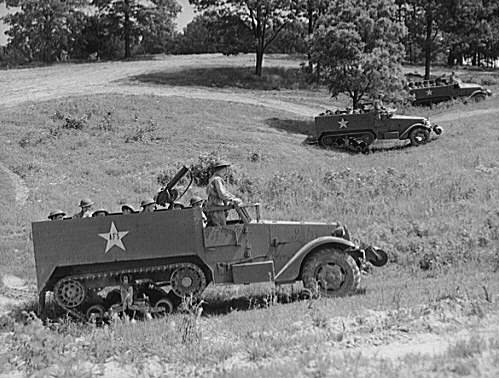
Read the profileThe M3/M5 half-track family carried U.S. and Allied infantry with armored protection and cross-country mobility, becoming one of the most recognizable mechanized troop carriers of World War II.
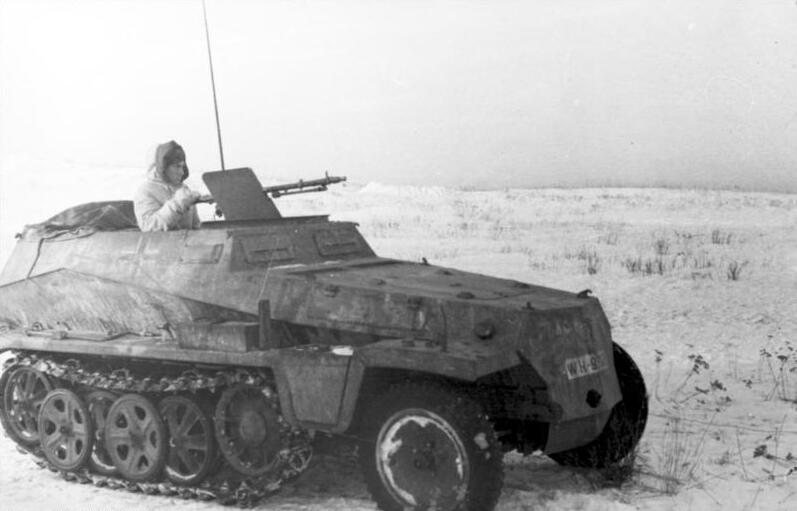
Read the profileThe Sd.Kfz. 250 was a light German armored half-track family used for reconnaissance, command, observation, communications, and small-unit troop transport.
Read the profileThe BTR-40 was the Soviet Union’s first mass-produced postwar wheeled APC, a compact 4x4 vehicle that also served extensively in reconnaissance and specialized roles.
Read the profileThe M75 was an early postwar U.S. fully tracked armored personnel carrier, heavily protected for its class but expensive and soon replaced by lighter, amphibious designs.
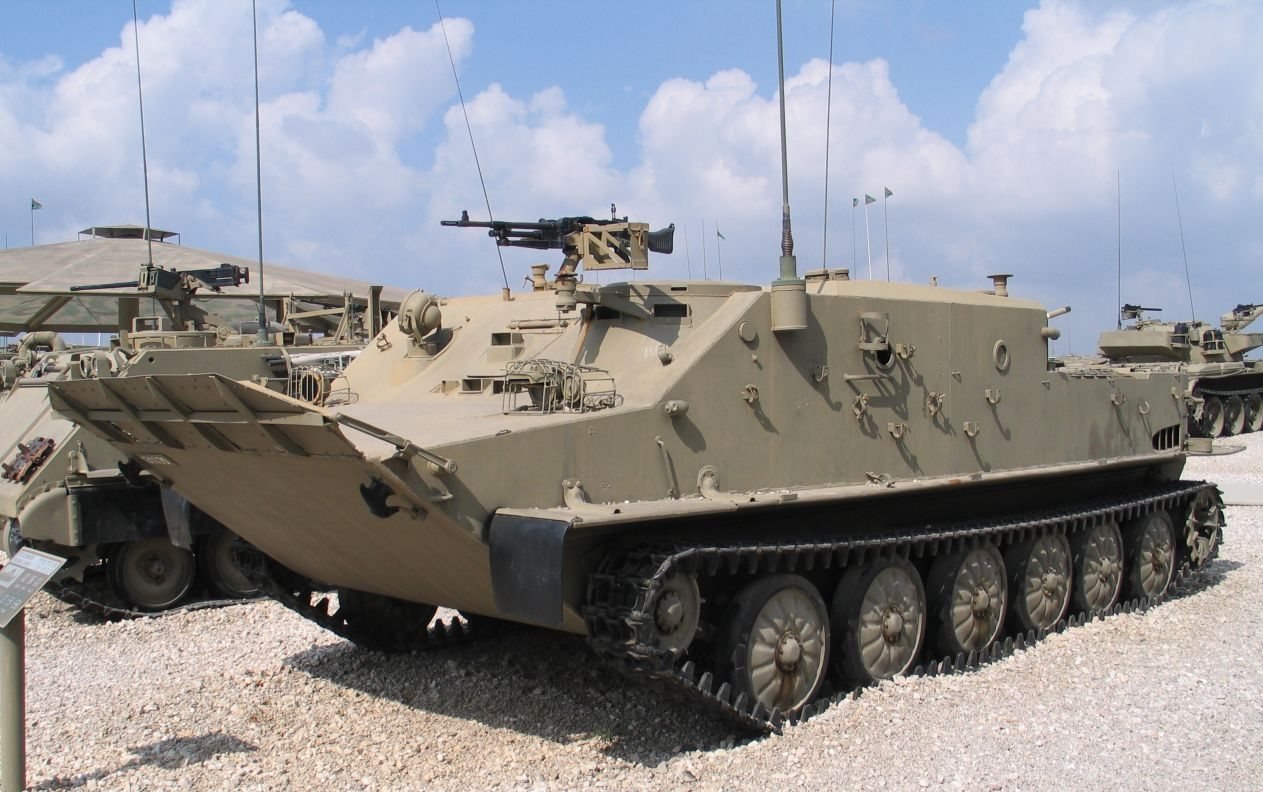
Read the profileThe Soviet BTR-50 used a tracked amphibious chassis related to the PT-76 to carry infantry and support equipment across land and water during the early Cold War.
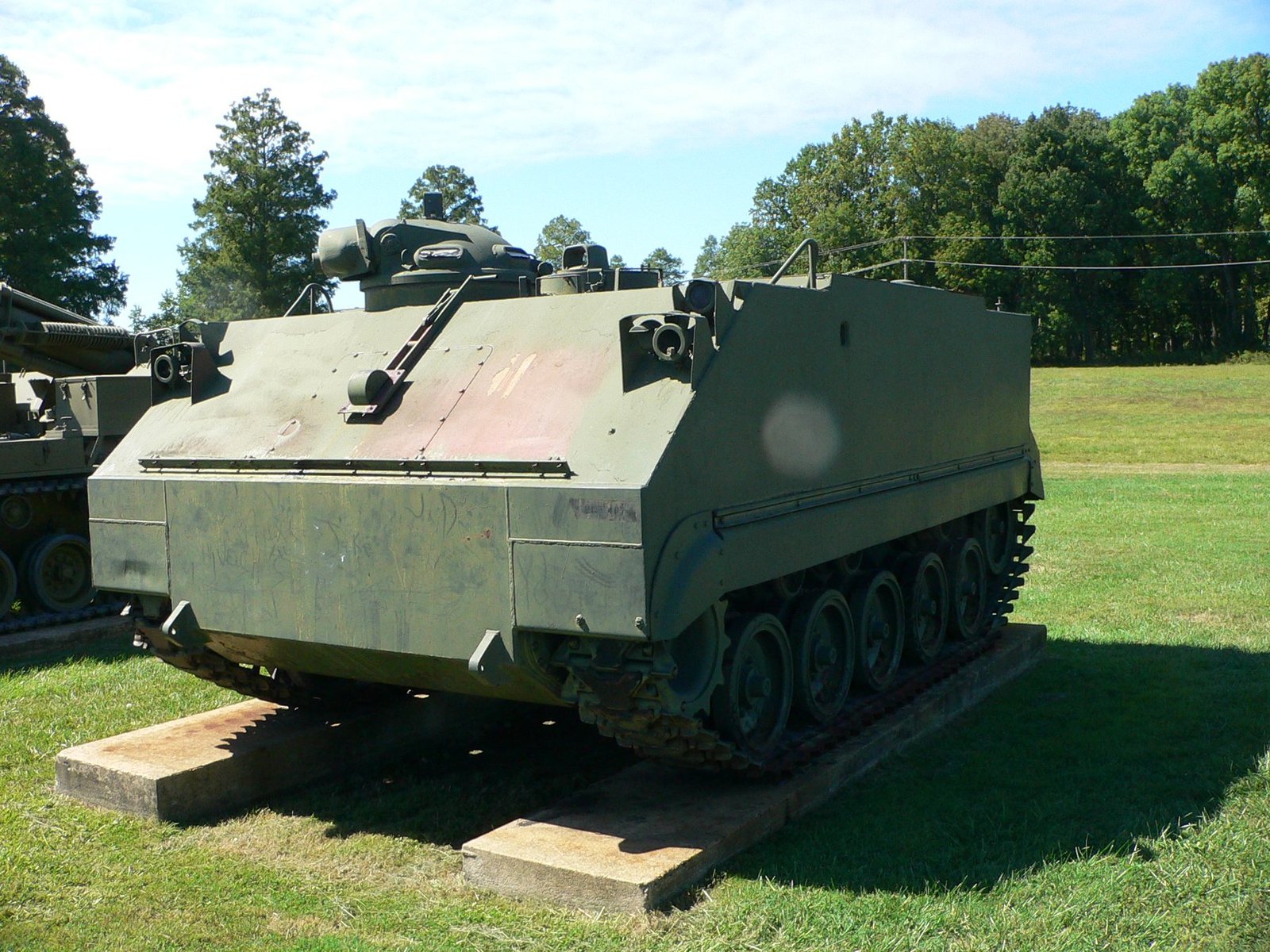
Read the profileThe M59 replaced the costly M75 with a lower, amphibious, less expensive U.S. tracked APC and served as an important bridge to the much more successful M113.
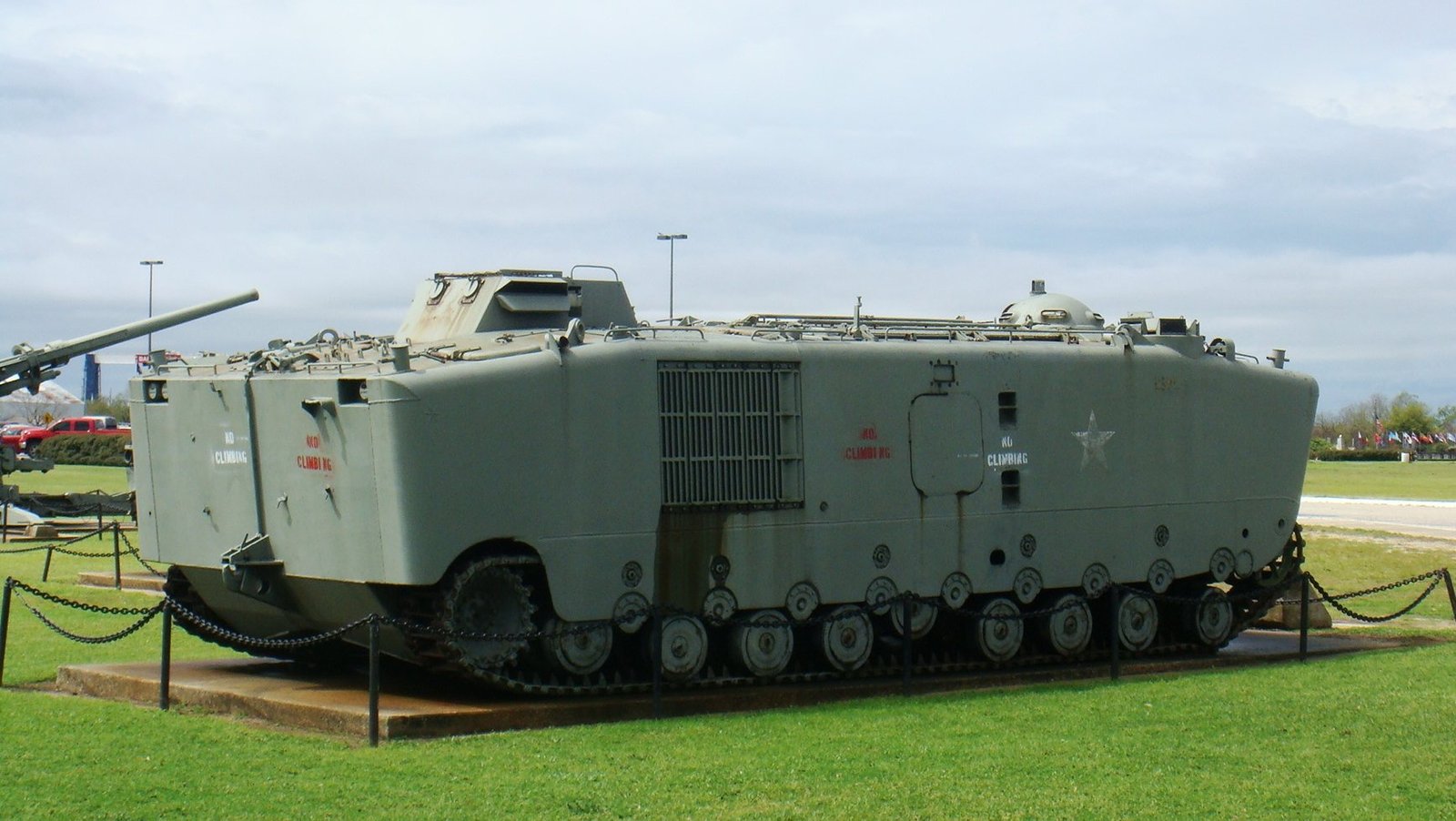
Read the profileThe LVTP-5 was a very large postwar amphibious armored personnel carrier family designed to carry Marines from ship to shore and support operations inland.
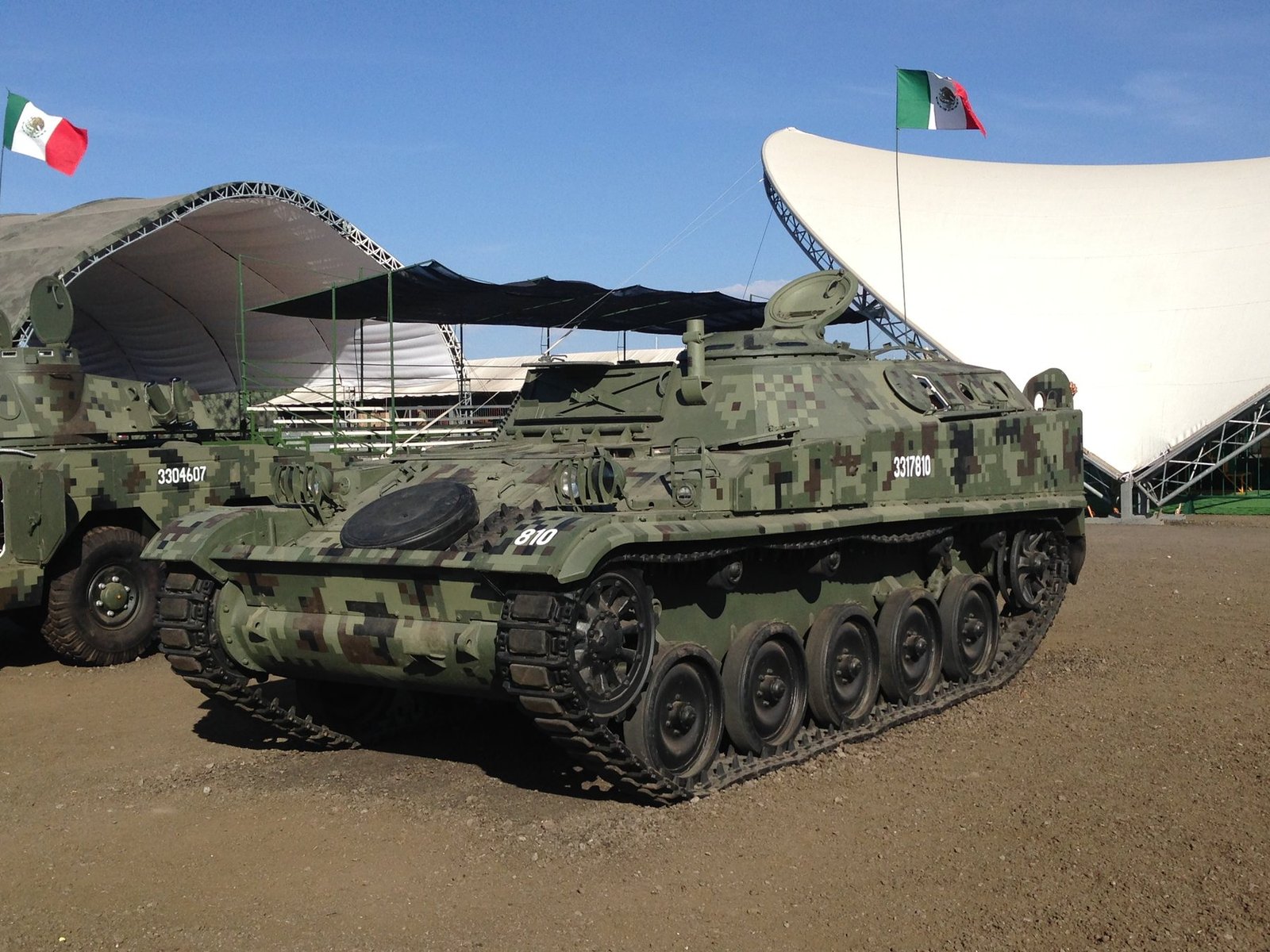
Read the profileThe AMX-VCI was a tracked French troop carrier derived from the AMX-13 light-tank automotive family and used before the AMX-10P generation.
Read the profileThe BTR-60 established the Soviet eight-wheeled amphibious APC pattern, evolving from an open troop carrier into the roofed and turreted BTR-60PB.
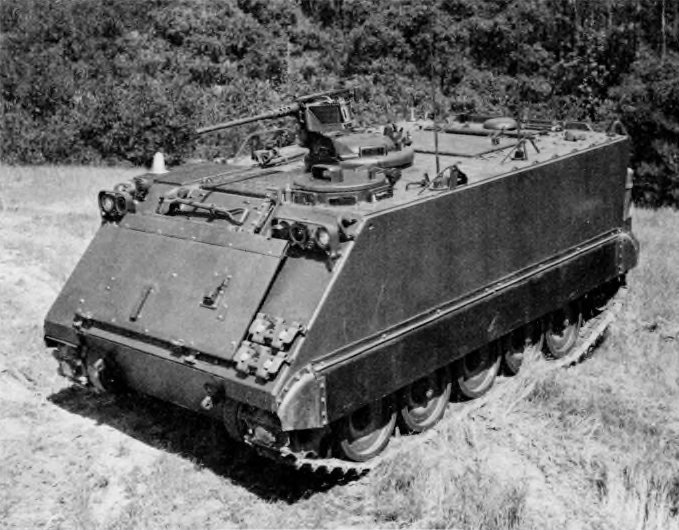
Read the profileThe M113 became one of the defining tracked armored personnel carrier families of the Cold War, spawning a vast range of command, mortar, antitank, medical, and air-defense derivatives.
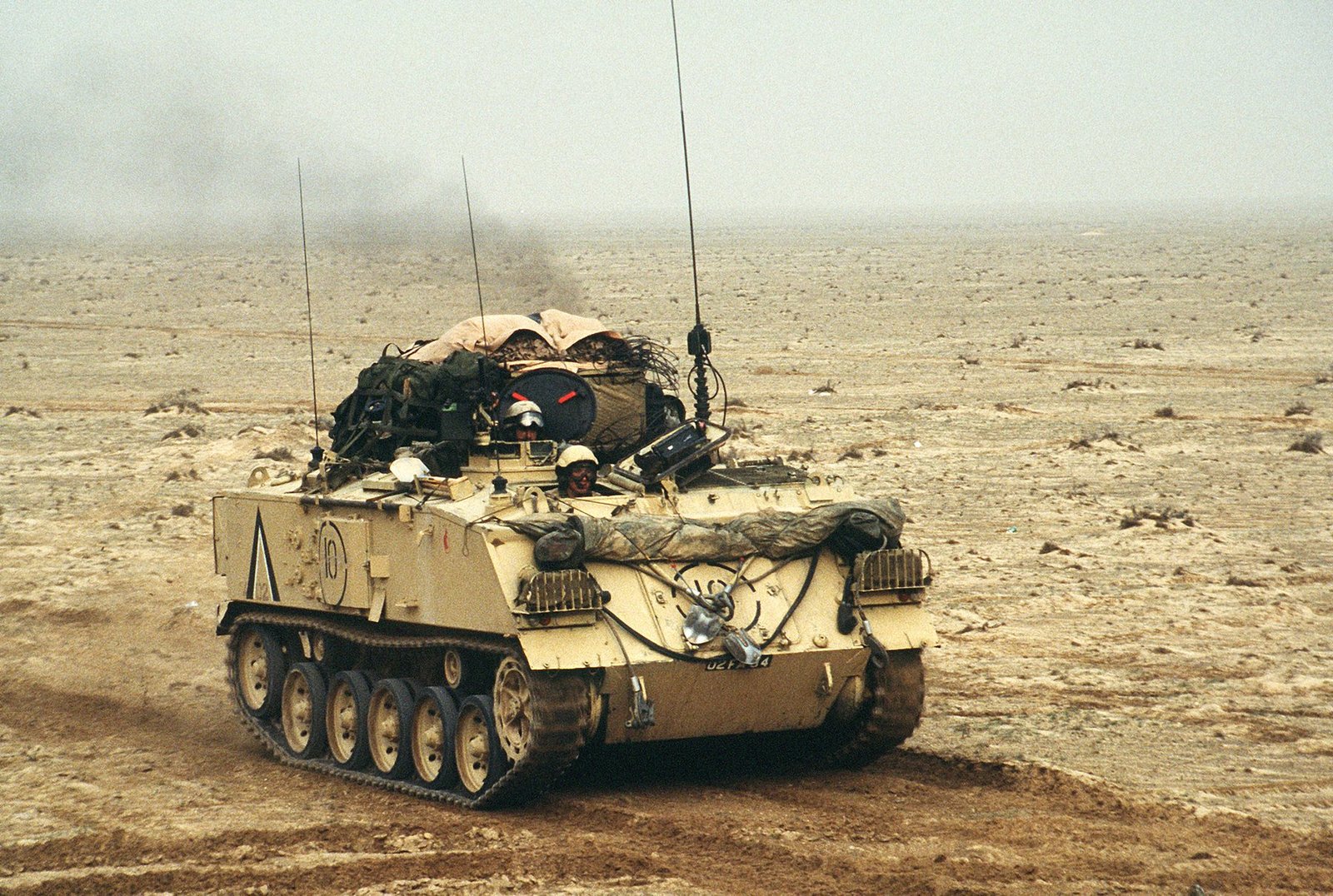
Read the profileThe FV432 became the most common British FV430-family armored personnel carrier and remained useful for decades through upgrades culminating in the Bulldog standard.
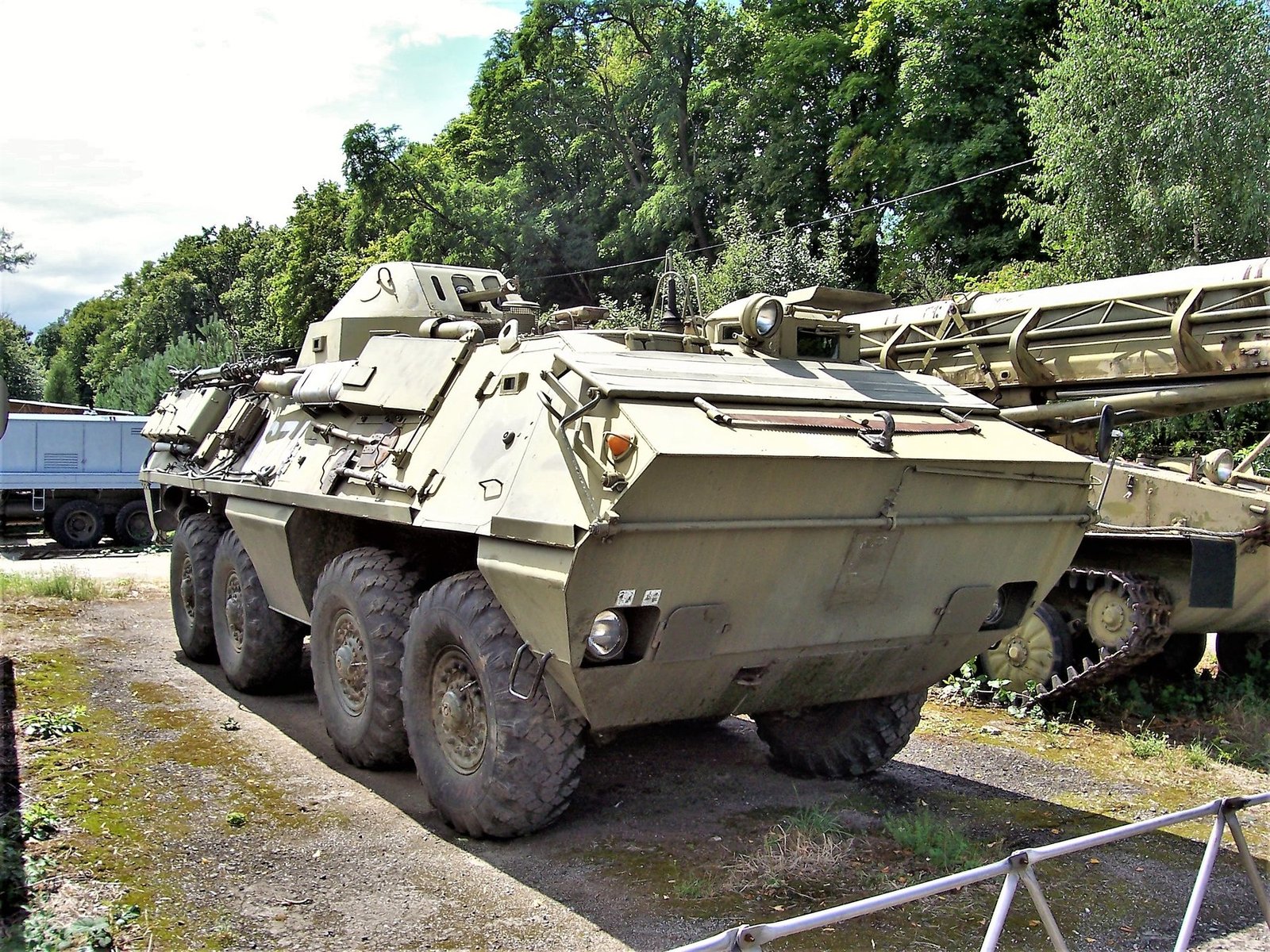
Read the profileThe OT-64 SKOT was a jointly developed Czechoslovak-Polish 8x8 amphibious armored personnel carrier that offered rear troop access and diesel power during the Warsaw Pact era.
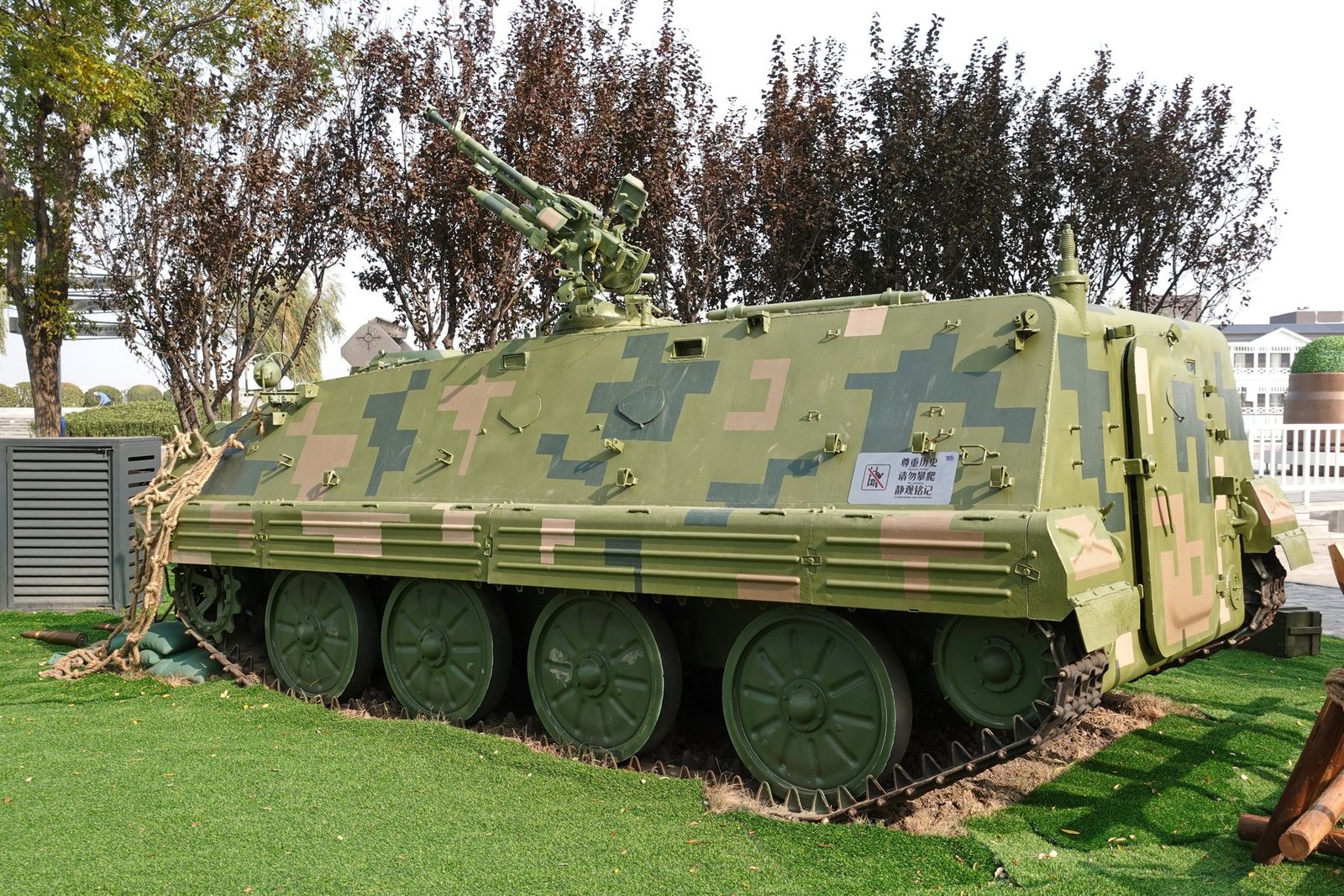
Read the profileThe Type 63 was China’s first domestically designed tracked armored personnel carrier without direct Soviet design assistance and became the basis for a broad family of vehicles.
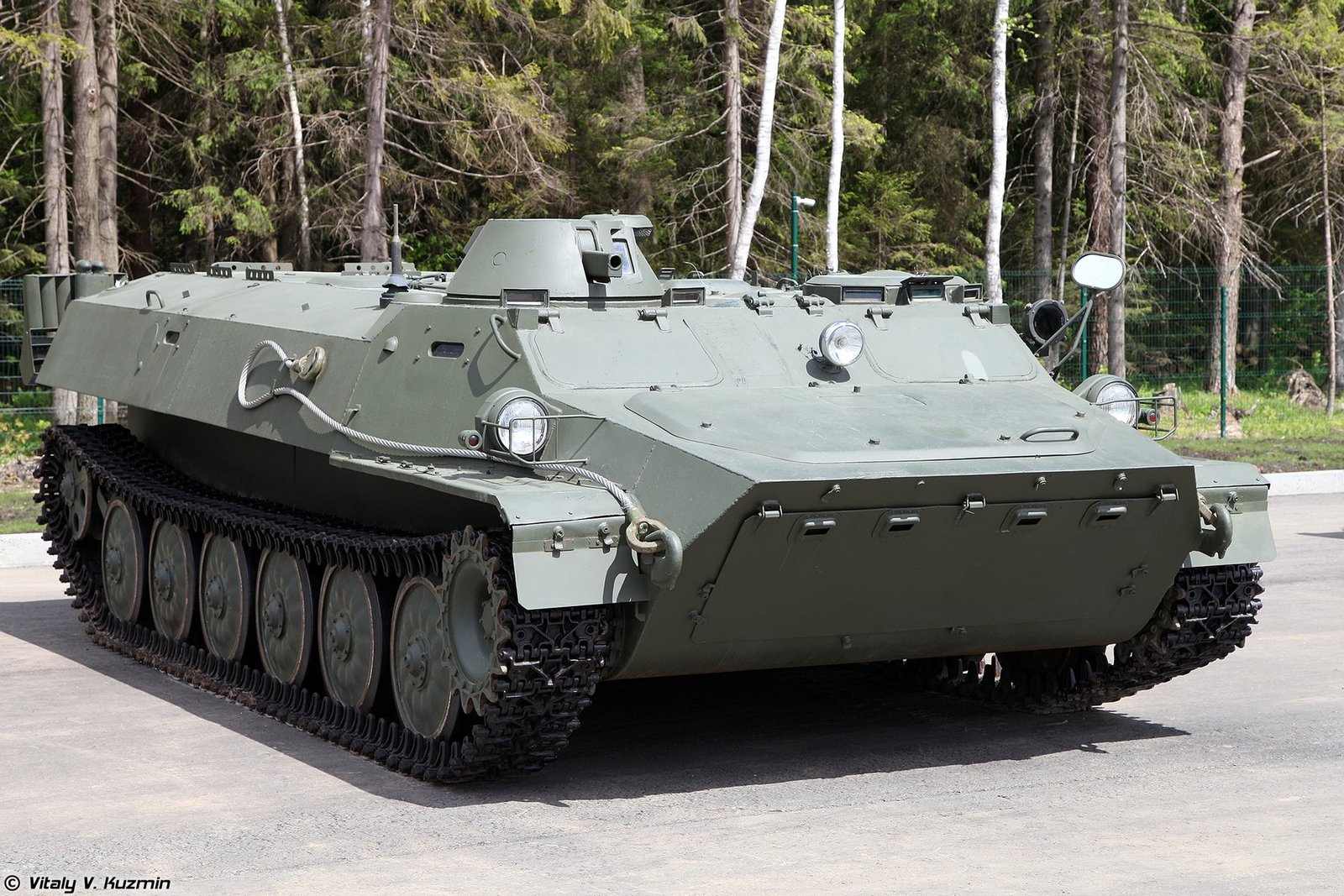
Read the profileThe MT-LB began as an armored multipurpose tractor and transporter but became one of the most adaptable tracked light armored chassis of the Soviet and post-Soviet world.
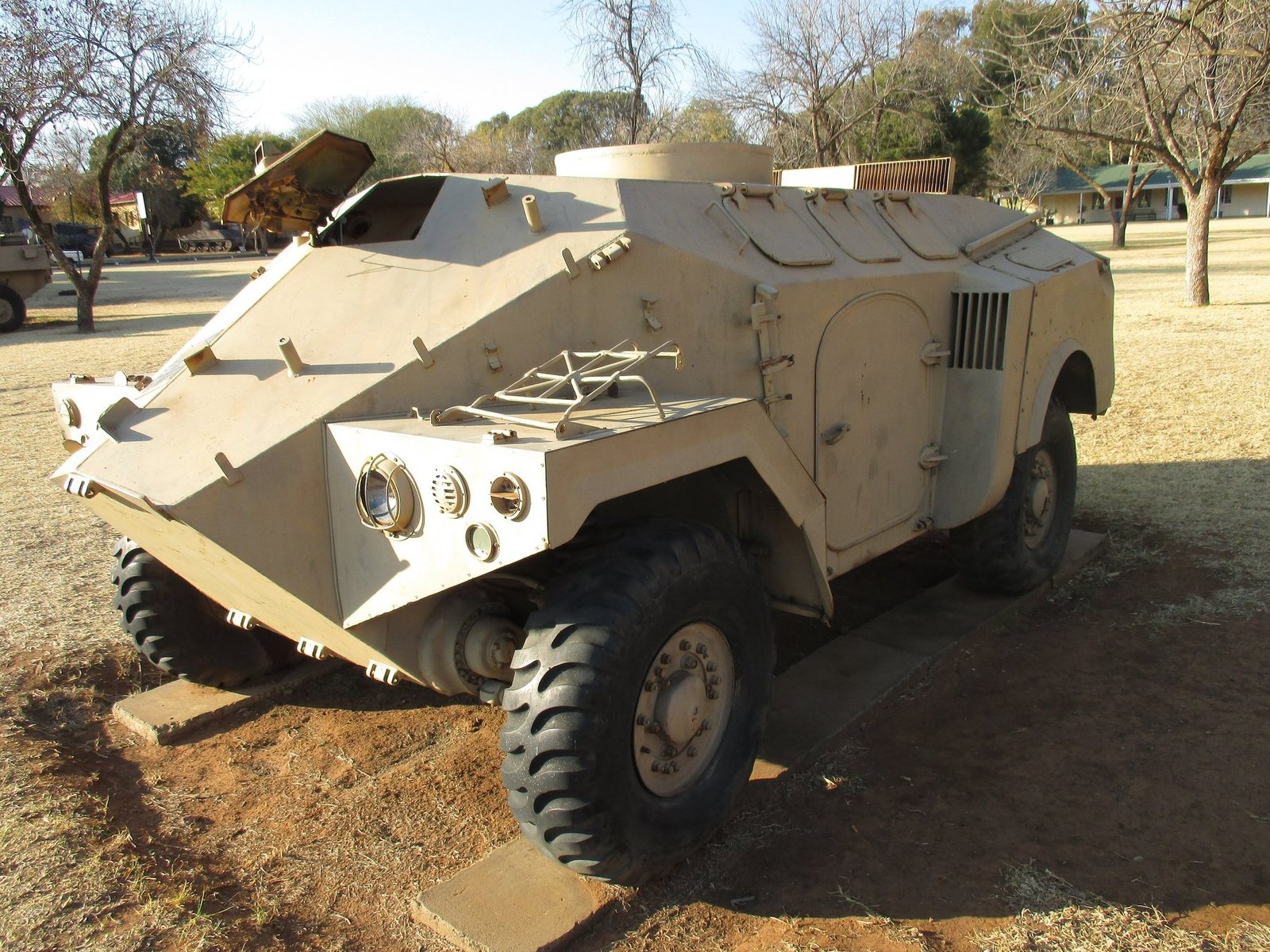
Read the profileThe Panhard M3 was a compact French 4x4 amphibious APC developed for export using significant automotive commonality with the AML armored car family.
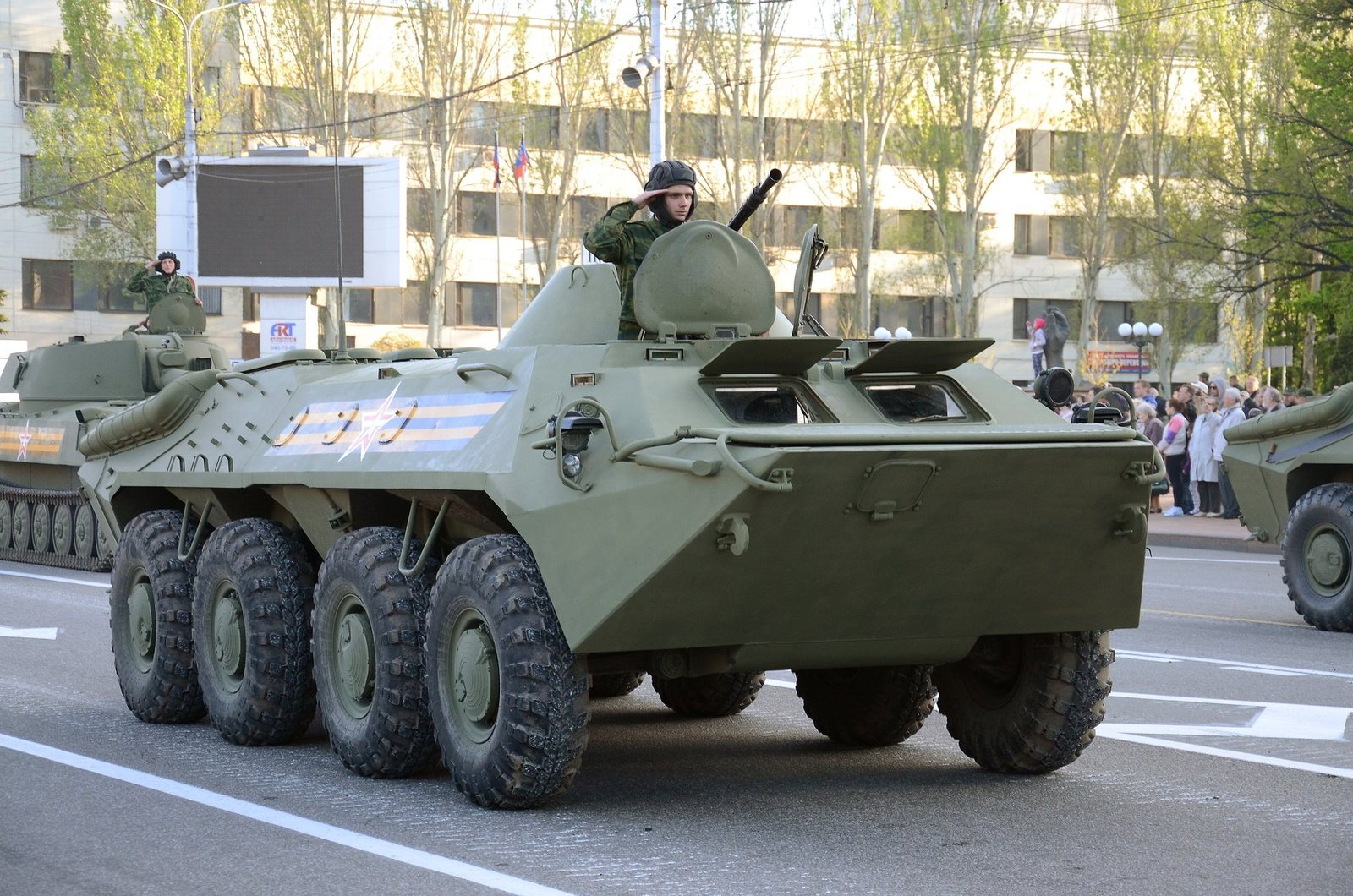
Read the profileThe BTR-70 was an evolutionary Soviet 8x8 APC between the BTR-60 and BTR-80, retaining twin gasoline engines while adding improved hull details and side troop doors.
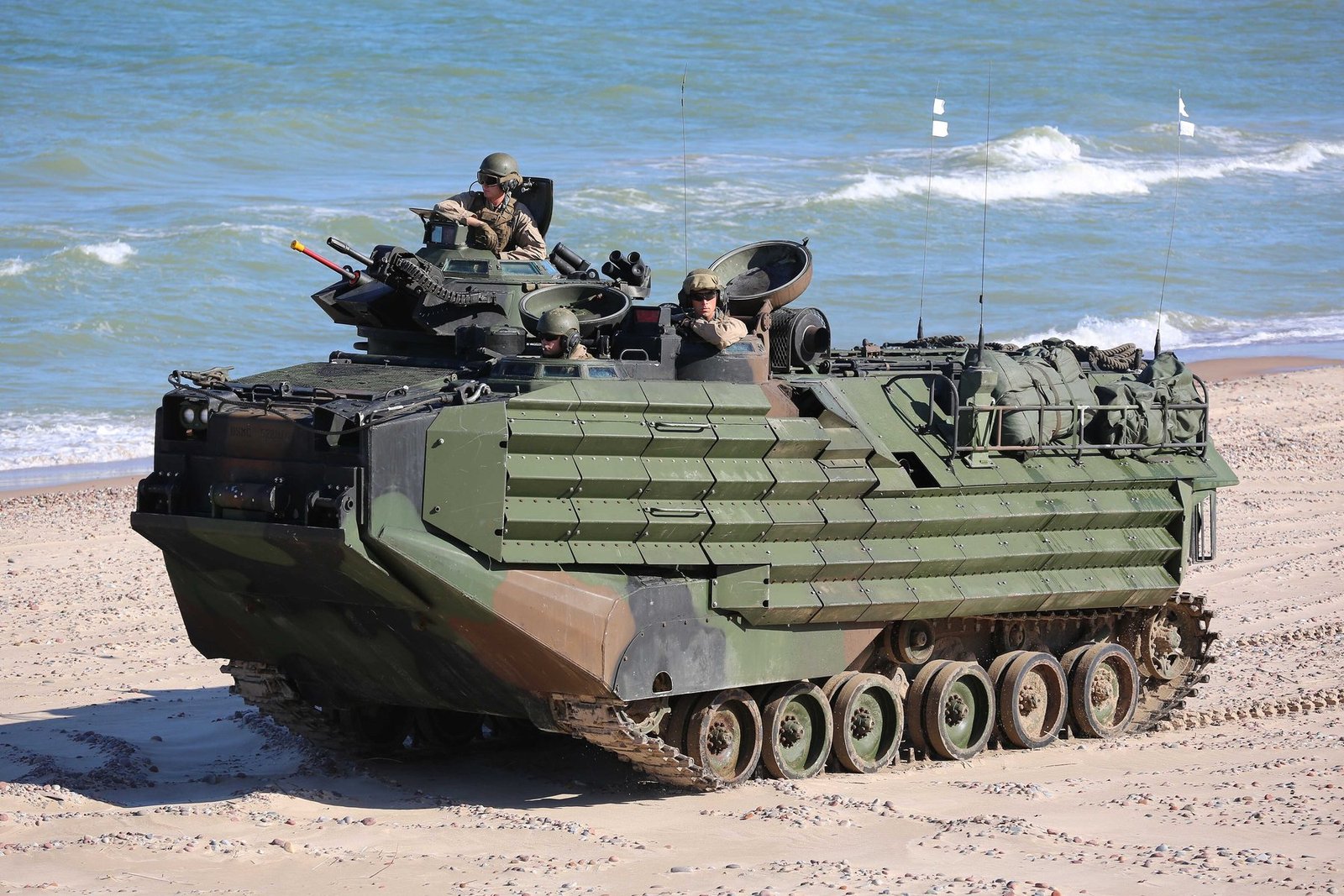
Read the profileThe LVTP-7/AAV7 family became the U.S. Marine Corps’ long-serving tracked amphibious personnel carrier, moving Marines from ship to shore and then supporting mechanized movement inland.
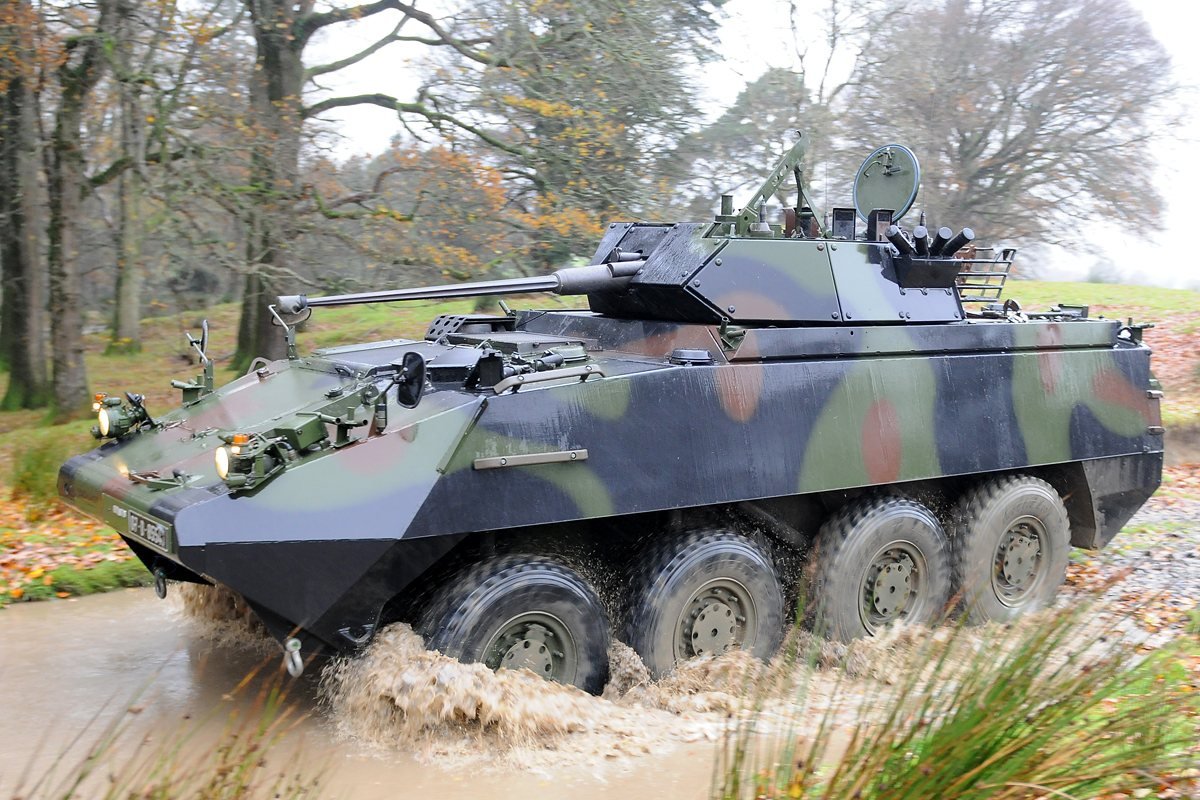
Read the profileThe Swiss Piranha evolved from a 1970s modular wheeled armored concept into one of the most influential Western vehicle families and the ancestor of multiple national LAV lines.
Read the profileThe BTR-D is a stretched, turretless airborne armored personnel carrier derived from the BMD-1 and used as the transport base for a wide family of Soviet/Russian airborne support vehicles.
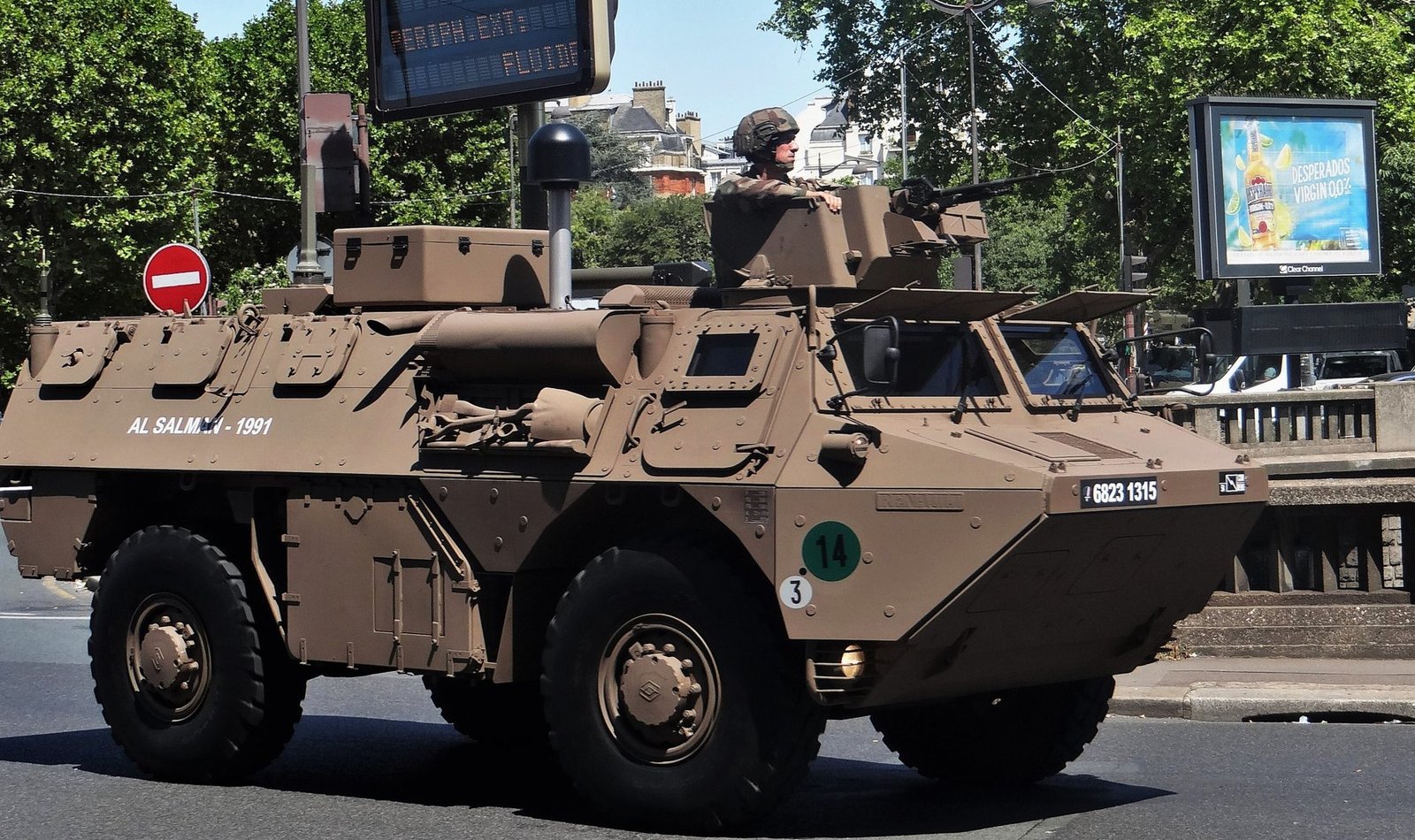
Read the profileFrance’s VAB became a prolific wheeled armored carrier and support-vehicle family, serving from the late Cold War through decades of expeditionary operations.
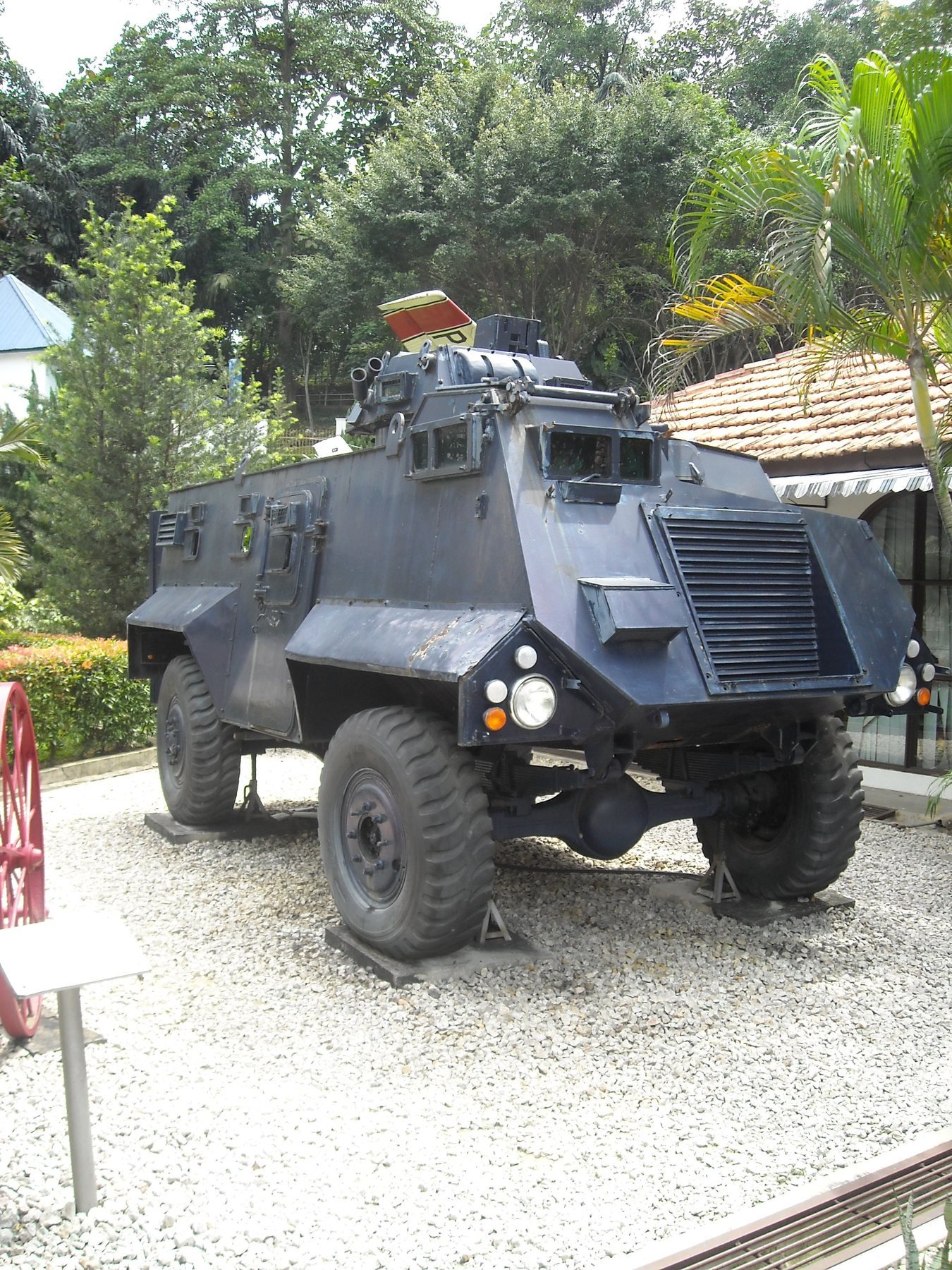
Read the profileThe Saxon was a British wheeled armored personnel carrier based on commercial truck components and intended primarily to move reinforcement infantry rapidly and with protection on roads.
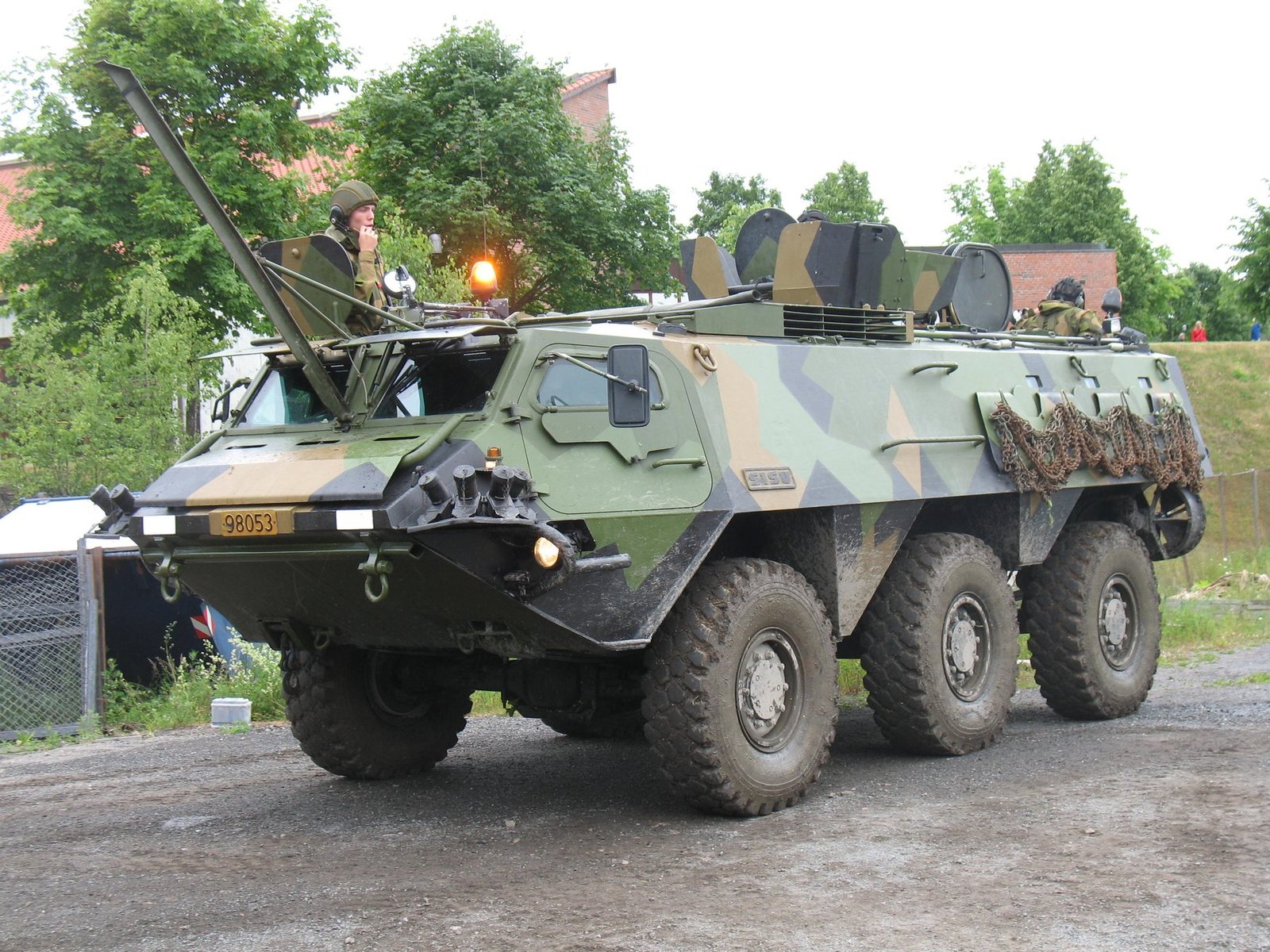
Read the profileFinland’s Pasi XA-series is a durable 6x6 armored personnel carrier family developed to replace BTR-60s and widely associated with Finnish and international peacekeeping service.
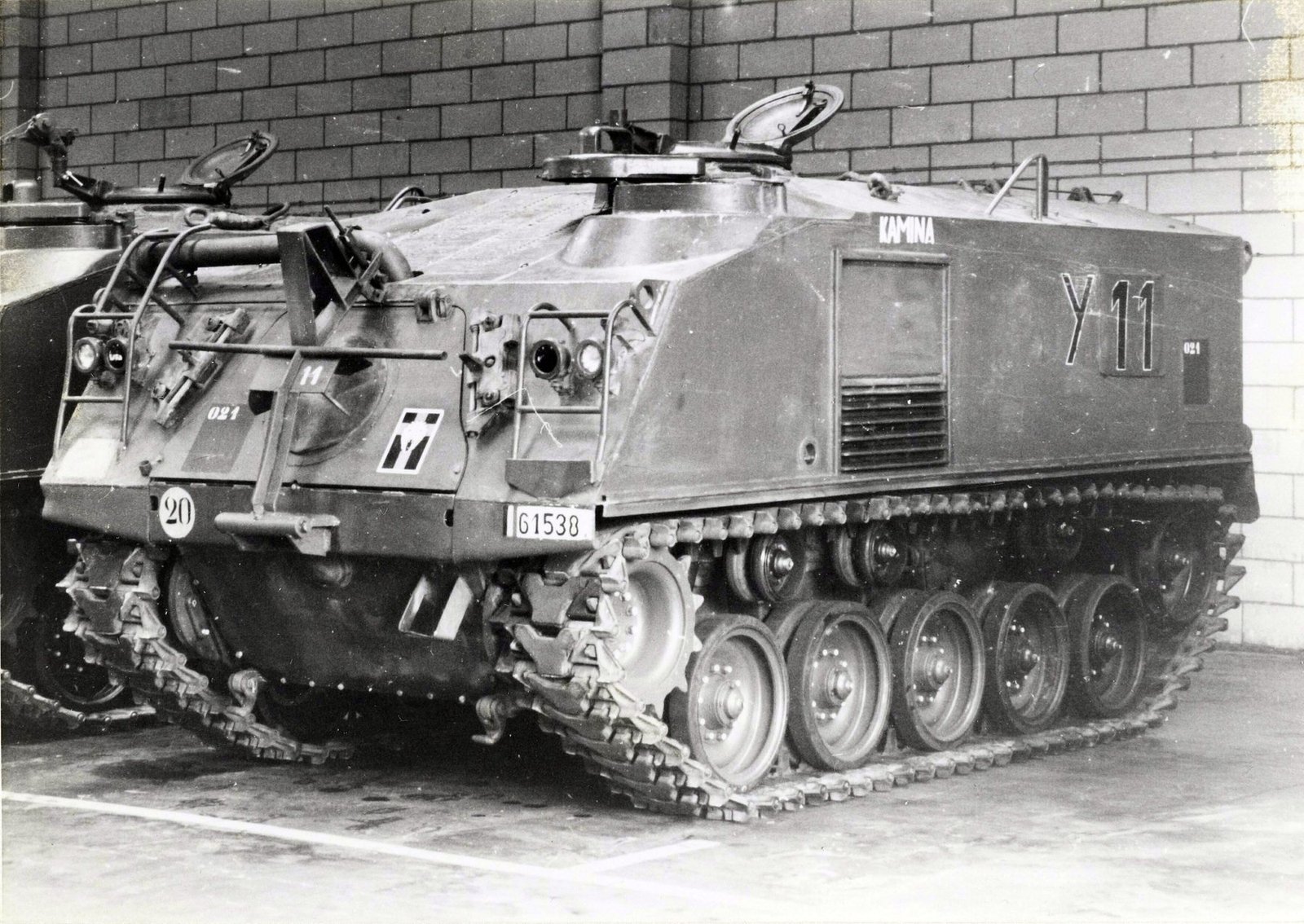
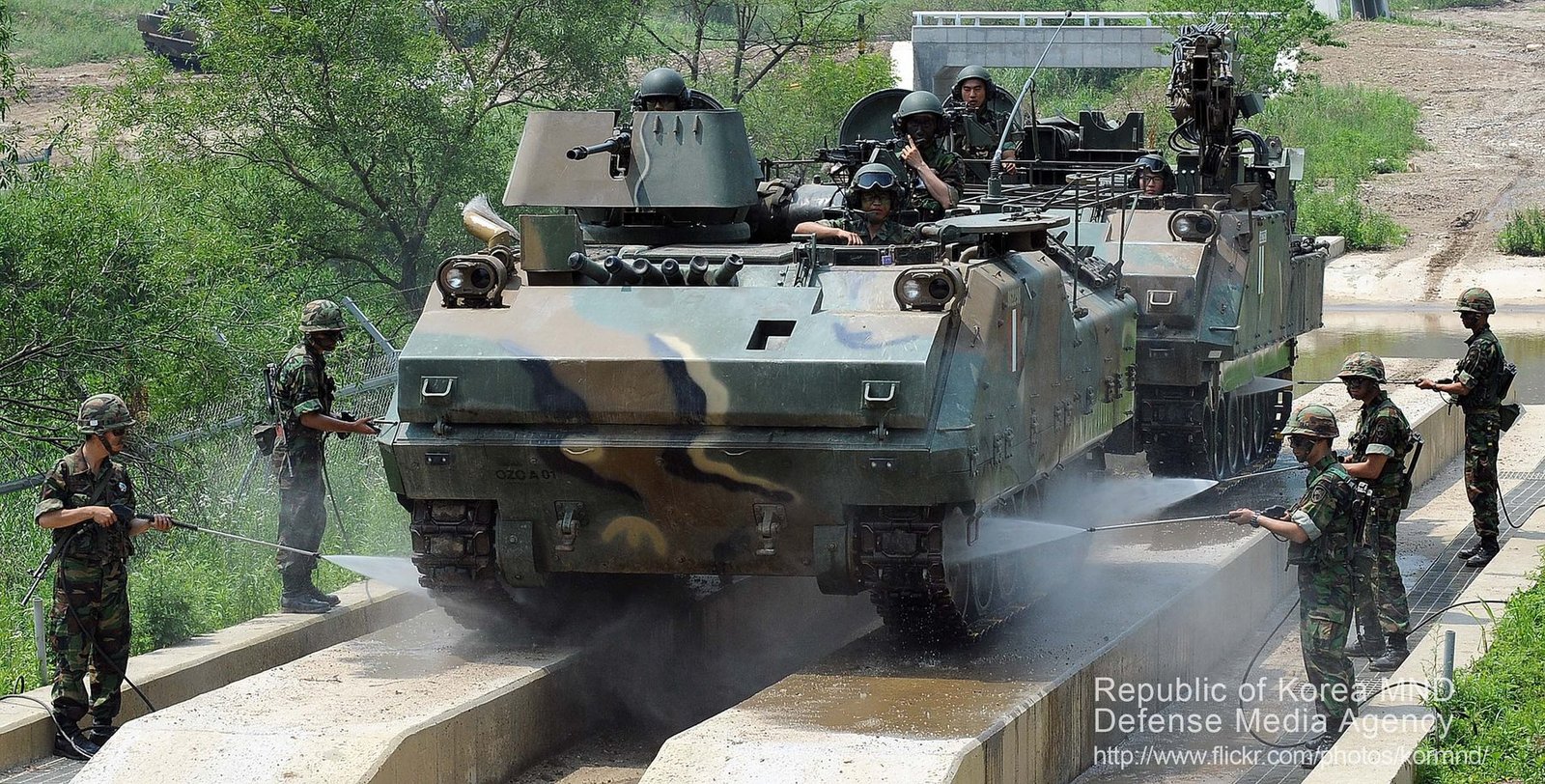
Read the profileSouth Korea’s K200 family is a domestically developed tracked armored personnel carrier designed for the peninsula’s terrain and mechanized-force requirements.
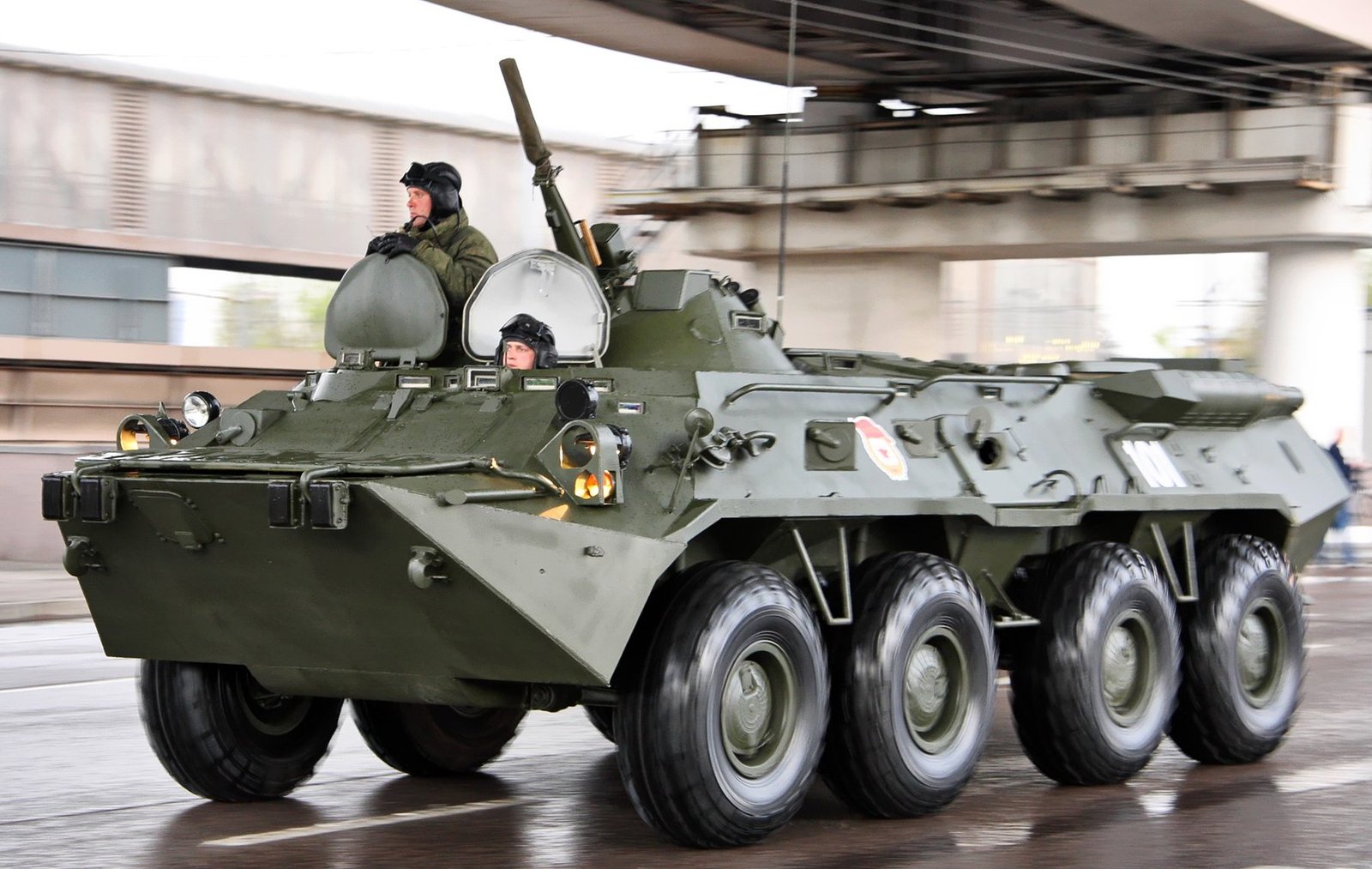
Read the profileThe BTR-80 replaced the BTR-70’s twin gasoline engines with a single diesel and improved troop access, while later BTR-82 variants added stronger automotive, protection, and weapon-system upgrades.
Read the profileChina’s Type 85 and Type 89 tracked APCs enlarged and modernized the Type 63 concept with a longer five-road-wheel chassis, improved automotive performance, and a broader family of variants.
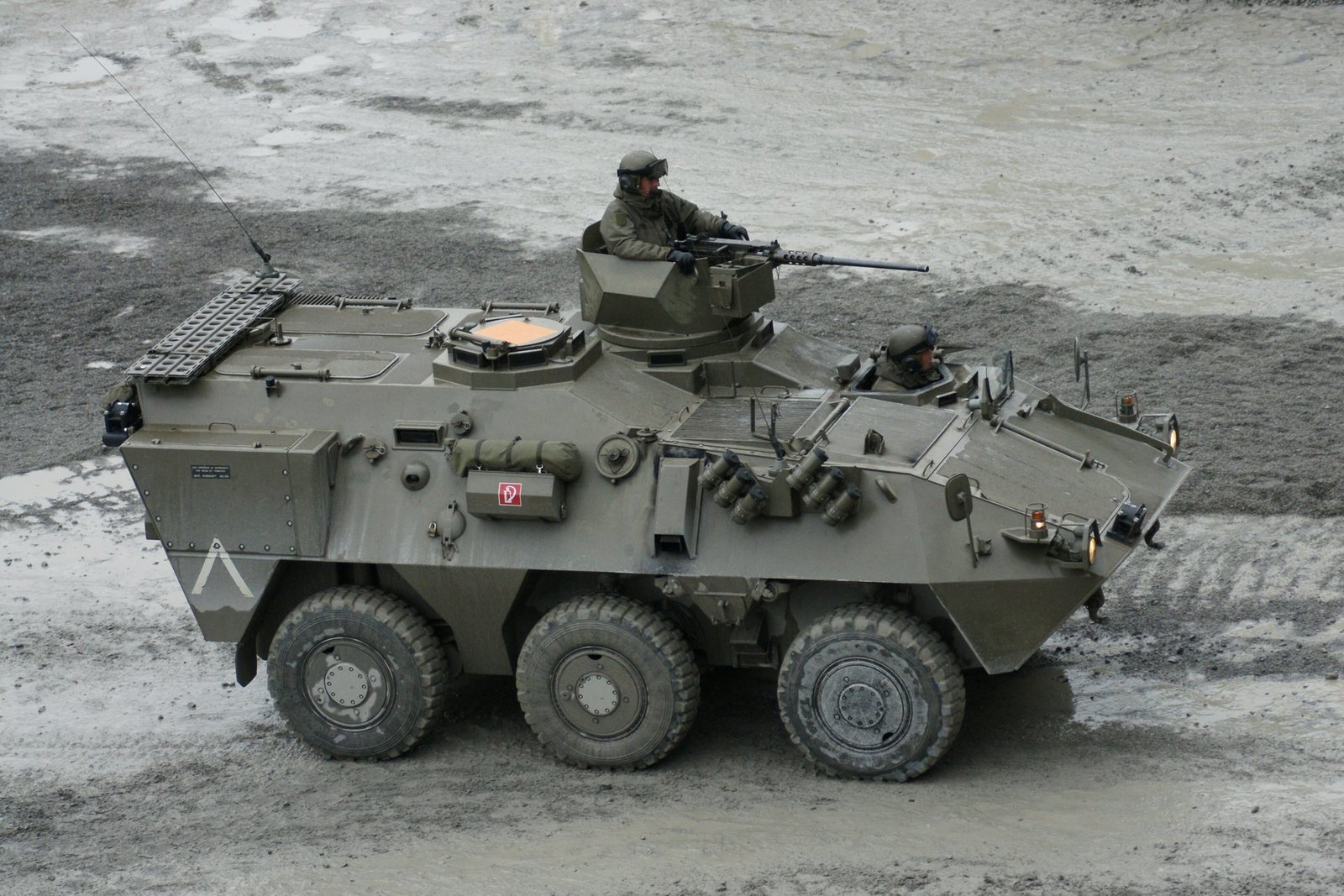
Read the profileThe Pandur family developed from a compact Austrian wheeled APC into the larger Pandur II 6x6/8x8 modular combat-vehicle platform used in multiple troop-carrier and weapons configurations.
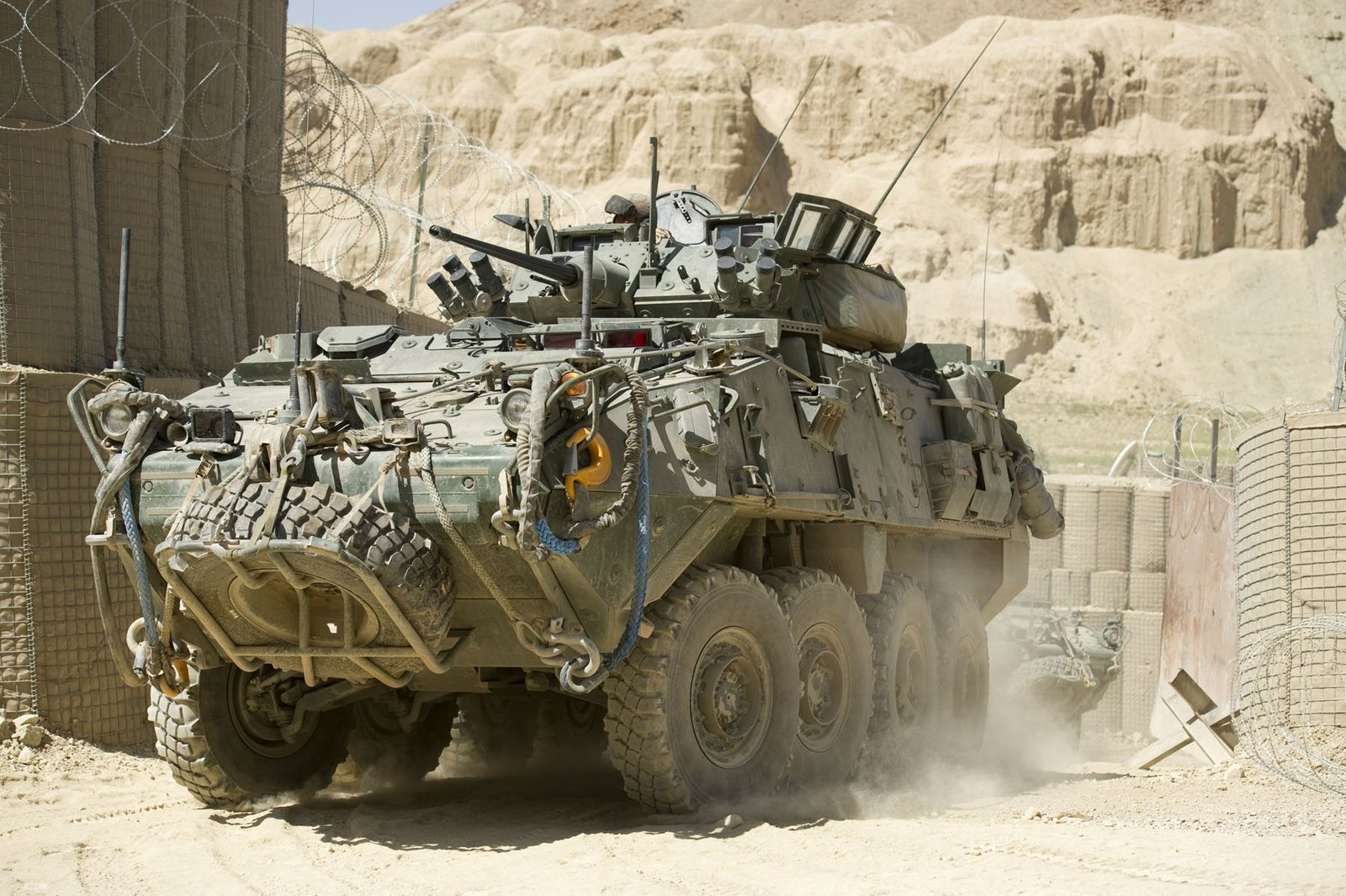
Read the profileCanada’s LAV III and the U.S. Stryker branch developed from the Piranha III lineage into major national 8x8 families centered on protected infantry mobility and common-chassis mission variants.
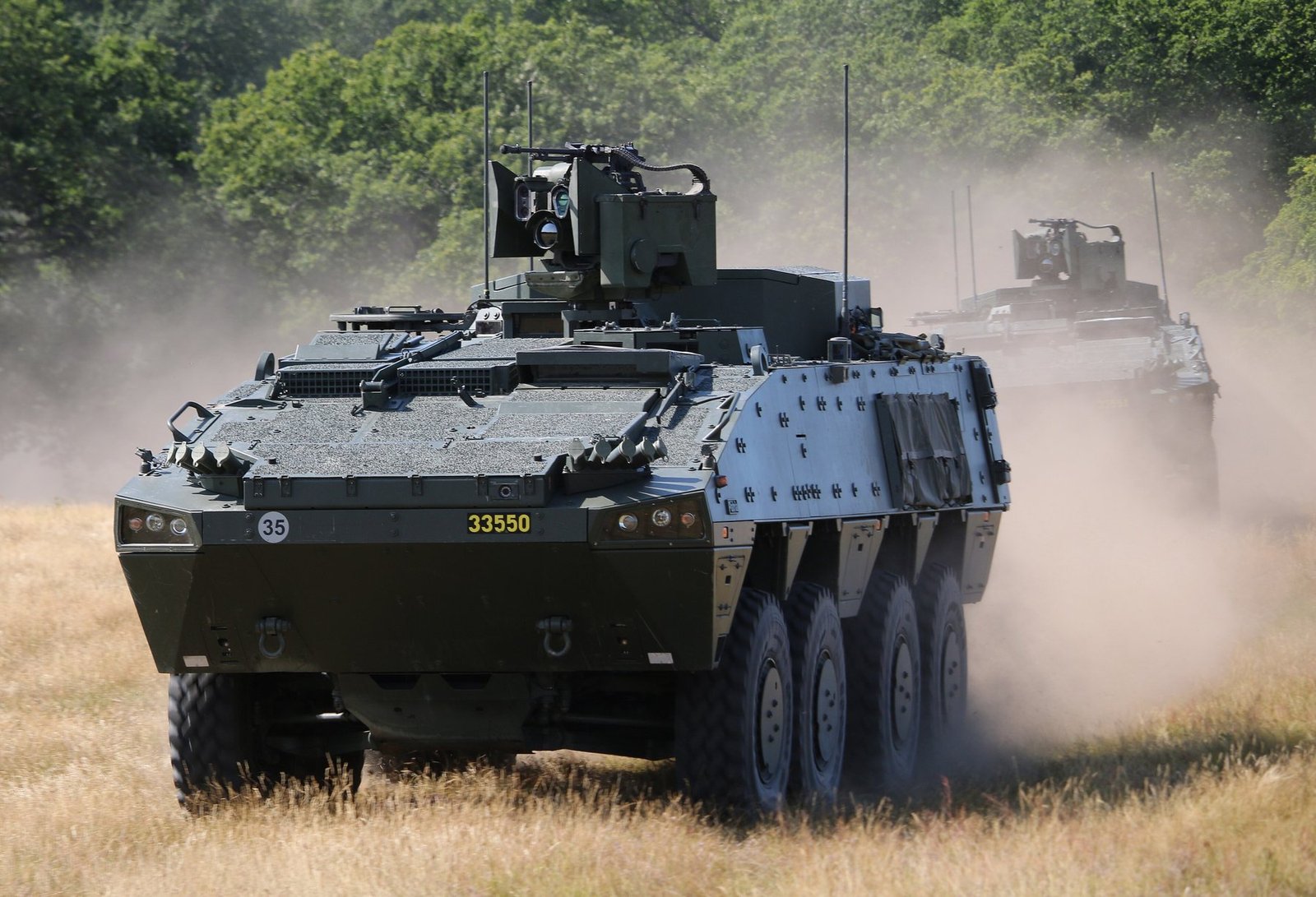
Read the profileFinland’s Patria AMV is a modular 8x8 armored vehicle family optimized for protection, payload, mobility, and national customization across APC, IFV, mortar, command, and support roles.
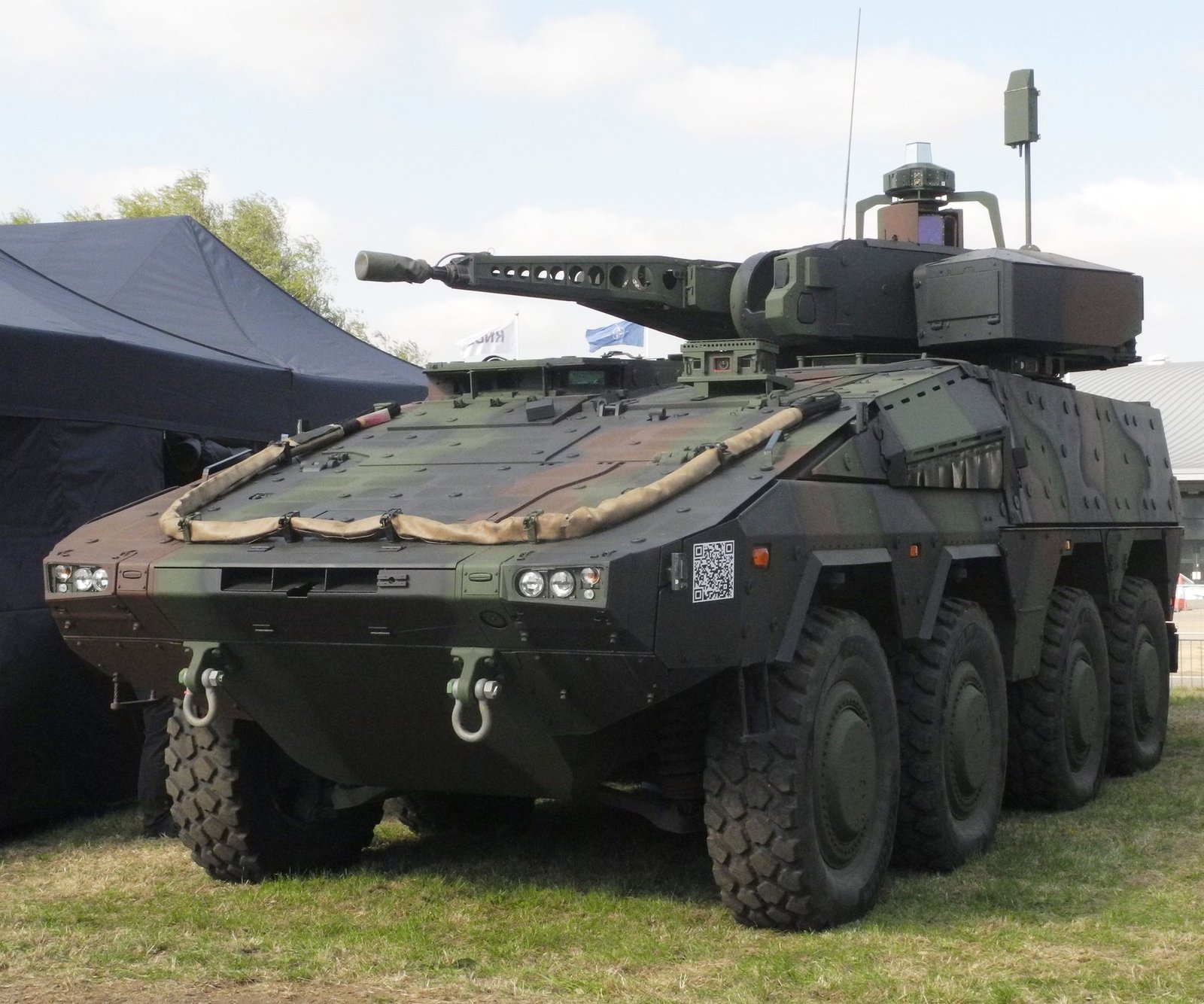
Read the profileBoxer uses a common 8x8 drive module and interchangeable mission modules to support troop transport, command, medical, engineering, reconnaissance, and increasingly heavily armed combat roles.
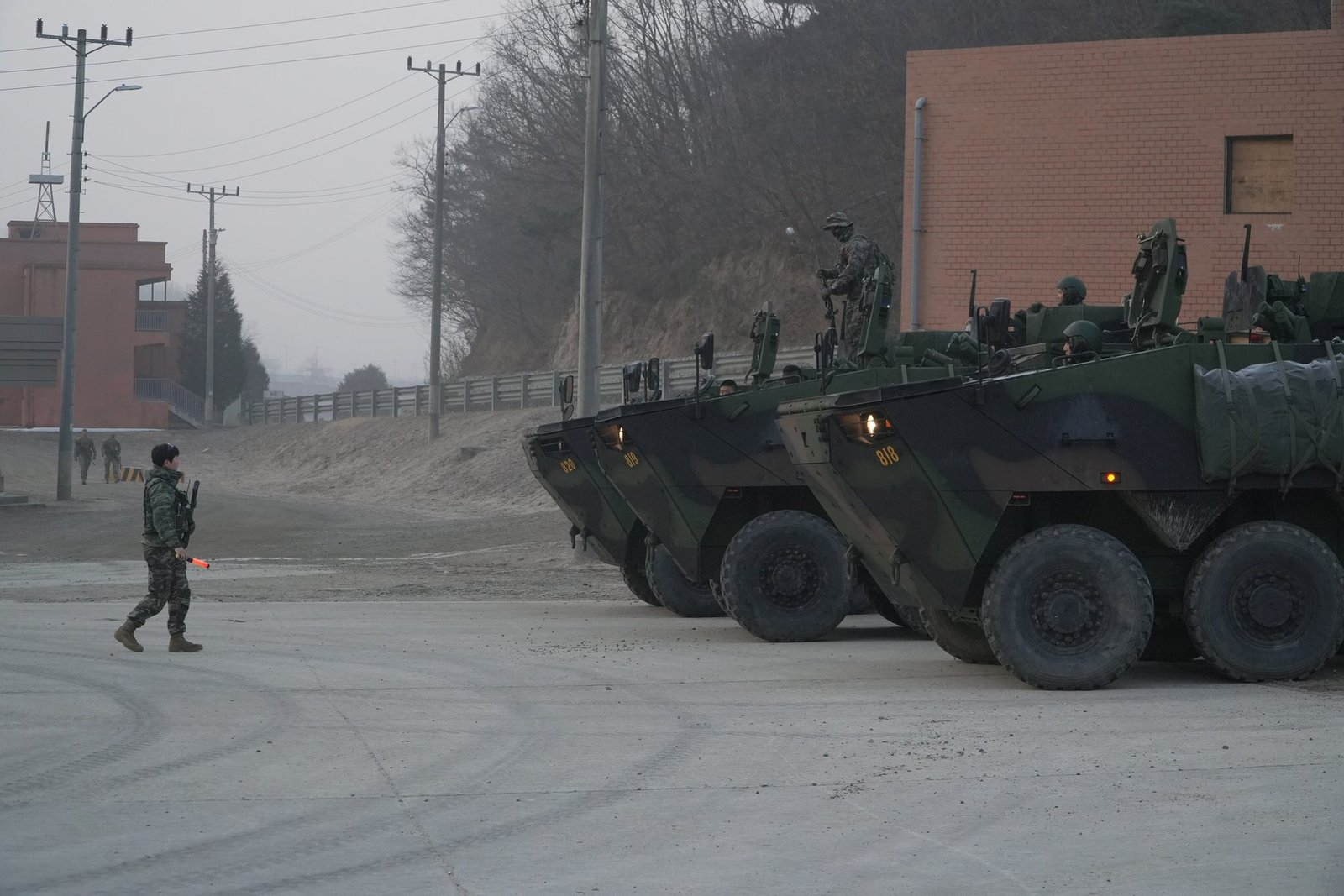
Read the profileSouth Korea’s K806 6x6 and K808 8x8 vehicles provide modern wheeled protected mobility for infantry and other units, emphasizing road speed, survivability, and rapid movement across enlarged operational areas.
Read the profile